The Quiet Architecture of Purity: Why Vacuum Induction Melting Governs High-Yield Metallurgy
Jun 14, 2026
The Invisible Margin of Error
In high-stakes metallurgy—think turbine blades for jet engines or biocompatible medical implants—the smallest oversight is rarely found on the surface. It is buried at the atomic level.
Most materials fail not because the design was wrong, but because the chemistry was "noisy." Oxygen, nitrogen, and hydrogen are the ghost-in-the-machine that create brittle inclusions.
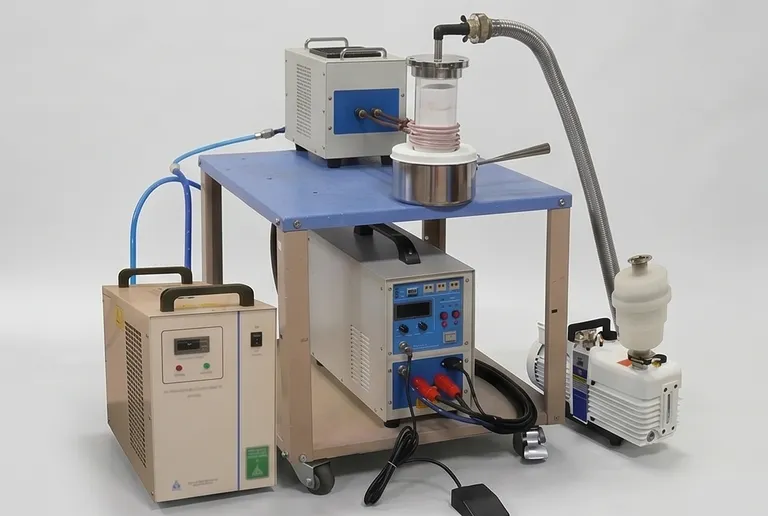
Vacuum Induction Melting (VIM) is the systematic answer to this noise. It is the process of creating a perfect silence (a vacuum) so that the metal can finally be heard.
The Physics of the Void
VIM operates on a simple but profound premise: you cannot control what you cannot isolate. By melting metal in a high vacuum (10⁻² to 10⁻³ torr), we strip away the atmosphere's ability to interfere.
1. Desorption and Degassing
In the void, dissolved gases like hydrogen and nitrogen essentially "boil" out of the liquid metal. This is not just a cleaning step; it is a fundamental transformation of the material's structural integrity.
2. Protecting the Vulnerable
Elements like Titanium, Aluminum, and Hafnium are the darlings of modern aerospace, yet they are chemically "shy." In open air, they oxidize instantly, forming slag. VIM keeps these reactive elements in the solution, preserving the expensive chemistry you paid for.
3. The Electromagnetic Dance
VIM doesn’t just heat; it stirs. The same induction currents that melt the alloy create a vigorous electromagnetic field that ensures atomic-level uniform mixing. This homogeneity is the difference between a batch that succeeds and one that fails during downstream processing.
The Downstream Domino Effect
We often view melting as a standalone cost. This is a psychological trap. In reality, the quality of the melt dictates the "scrap rate" of every process that follows.
| Feature | Engineering Benefit | Economic Outcome |
|---|---|---|
| Atomic Stirring | Absolute chemical homogeneity | Stable performance across every unit |
| High Vacuum | Deep degassing (O, N, H removal) | Drastic reduction in casting defects |
| Reactive Protection | Zero oxidation of Ti/Al/Hf | Maximum yield of high-value elements |
| Integrated Pouring | Direct-to-mold or Atomization | Streamlined path to finished product |
When the melt enters investment casting or Vacuum Arc Remelting (VAR) with a high degree of purity, the "downstream" efficiency skyrockets. You aren't just buying a furnace; you are buying insurance against future failures.
Complexity and the Strategic Trade-off
Nothing of high value is free. VIM is a capital-intensive technology that requires a romantic commitment to precision.
- Refractory Discipline: Because the metal is pure, it wants to react with everything, including the crucible lining. Managing crucible-melt interactions is the "dark art" of VIM.
- System Integrity: A vacuum of 10⁻³ torr is a fragile state. It requires rigorous maintenance of seals and pumps. Even a microscopic leak can introduce enough nitrogen to ruin a multi-ton batch.
Finding the Right Scale
Process flexibility is the final piece of the VIM puzzle. The technology scales from the "gram-level" precision required for R&D to the 30-ton industrial loads of global production.
- For R&D: Small-scale VIM allows for rapid prototyping of new superalloys without the waste of large batches.
- For Production: Integrated VIM systems that transition directly to powder atomization or investment casting reduce the thermal "touchpoints" where contamination could occur.
The goal isn't just to melt metal; it's to master the environment in which the metal becomes its best version.
Engineering the Future with THERMUNITS
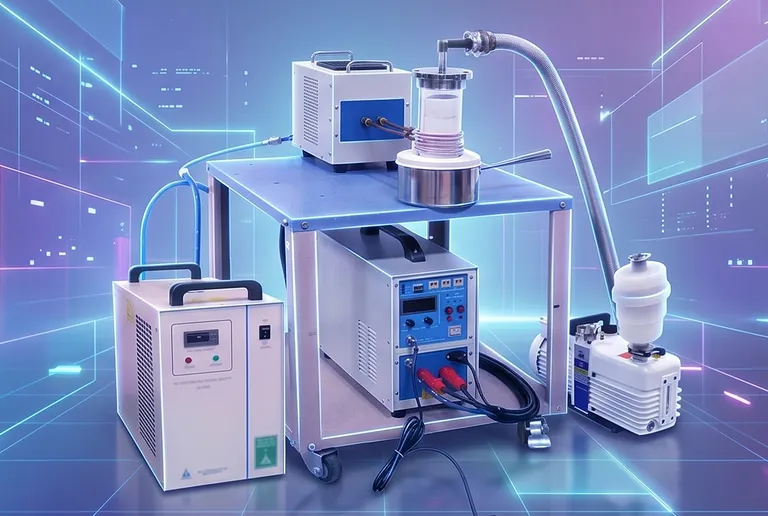
Mastering the dynamics of high-vacuum thermal processing requires equipment that matches your ambition. At THERMUNITS, we provide the hardware that makes ultra-pure metallurgy possible.
Whether you are exploring new materials in a laboratory setting or scaling up industrial production, our comprehensive suite of thermal solutions—including Vacuum Induction Melting (VIM), CVD/PECVD systems, and specialized high-temperature furnaces—is designed for those who refuse to compromise on purity.
Quick Links
Suggested Products
1900C Maximum High Temperature 7KW Vacuum Induction Melting System with 60mm Quartz Tube and Manual Temperature Control for Metallic Alloy Research Induction Melting Casting Furnace 1750C Vacuum High Frequency Metal Processing Unit High Temperature Induction Melting System with Integrated Ultra High Purity Glove Box for Metallic Alloy Processing Atmosphere Controlled Induction Melting Granulating Casting Furnace 1500C 5kg Capacity Atmosphere Controlled Induction Melting Casting System 1600C 10L Capacity
ThermUnits
Last updated on Apr 14, 2026
Related Products
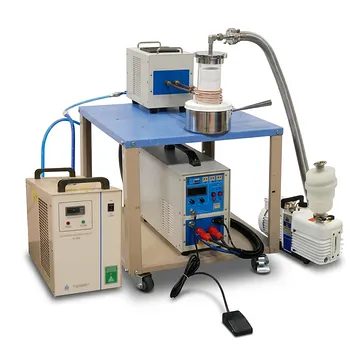
1900C Maximum High Temperature 7KW Vacuum Induction Melting System with 60mm Quartz Tube and Manual Temperature Control for Metallic Alloy Research
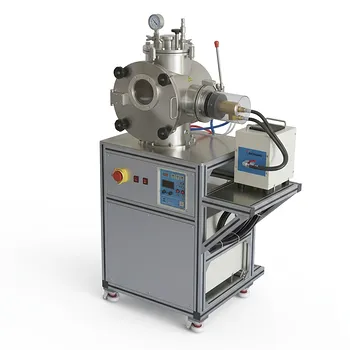
Induction Melting Casting Furnace 1750C Vacuum High Frequency Metal Processing Unit
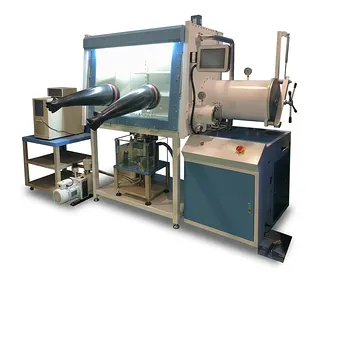
High Temperature Induction Melting System with Integrated Ultra High Purity Glove Box for Metallic Alloy Processing
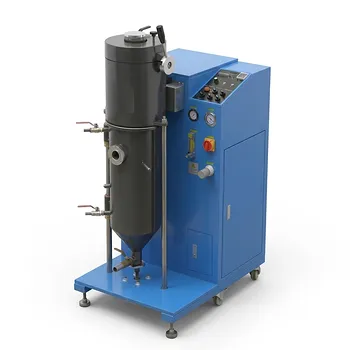
Atmosphere Controlled Induction Melting Granulating Casting Furnace 1500C 5kg Capacity
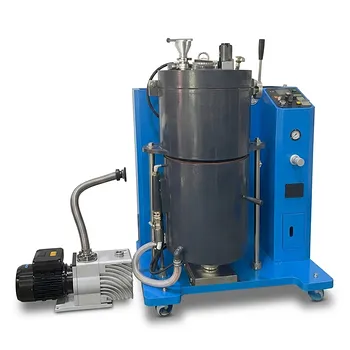
Atmosphere Controlled Induction Melting Casting System 1600C 10L Capacity
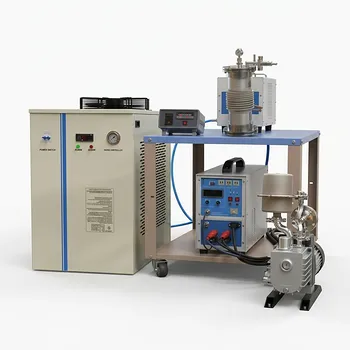
Induction Heating System with Temperature Control for High Temperature Vacuum Sintering and Melting
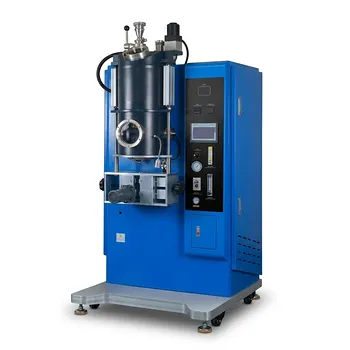
Atmosphere Controlled Continuous Casting Furnace with Secondary Charge Function for Induction Melting and Metal Alloy Wire Production
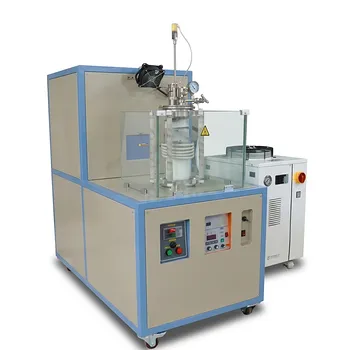
15KW Induction Melting System with Top Suction Casting for Thin Rod Production Up to 1200°C
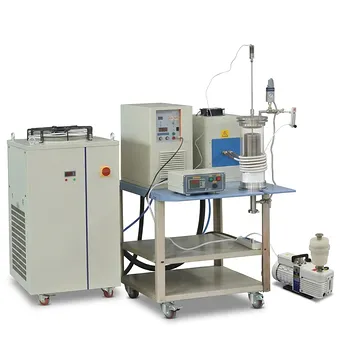
High Temperature Induction Melting System with Multi Cavity Crucible and 15KW Precision Digital Temperature Control
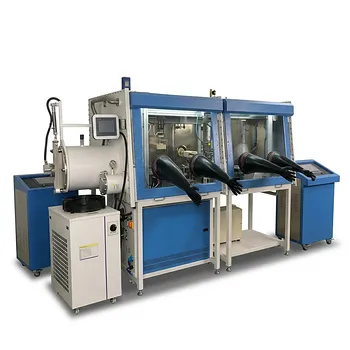
Automatic 10 Crucible Induction Melting and Casting System with Stirring Function and Glovebox Integration 2000C
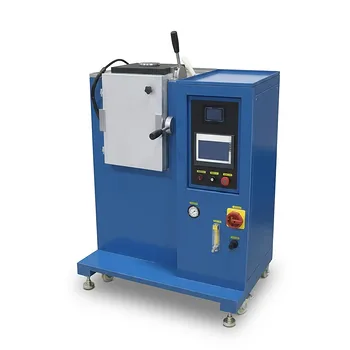
High Throughput Induction Melting and Casting Furnace for Superalloy Research 1700C Atmosphere Controlled Multi Sample System
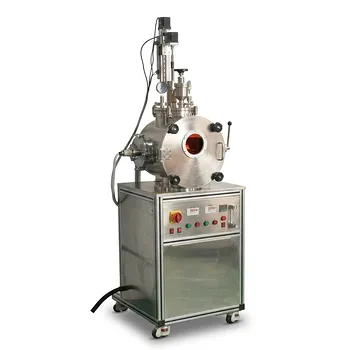
High Vacuum Melting Casting Furnace with Mechanical Stirring and Secondary Charge for Metallic Alloy Research
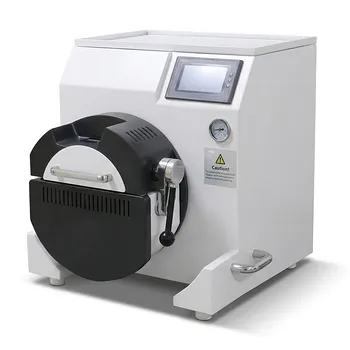
Desktop Induction Melting Furnace with Automatic Rotary Casting Function up to 1700C for Advanced Metal Alloy Research
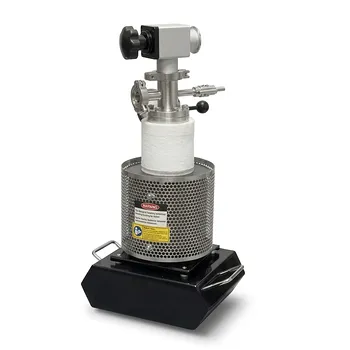
High Temperature 1100C Compact Top Loading Vertical Vacuum Tube Furnace for High Vacuum Noble Metal Melting and Material Research
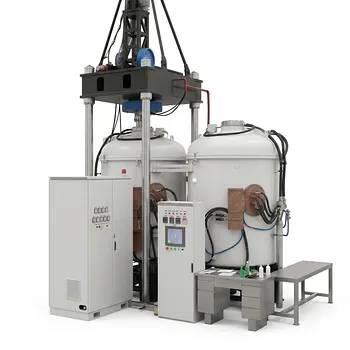
High Pressure 600T Vacuum Induction Hot Press Furnace for Advanced Material Heat Treatment and Sintering
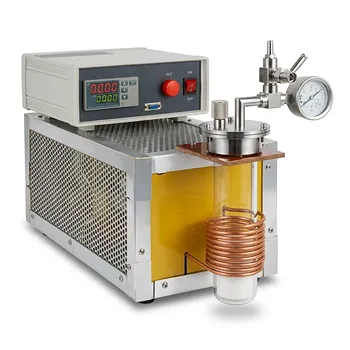
High Temperature Mini Induction Heating Furnace 1600C Laboratory Material Melting System
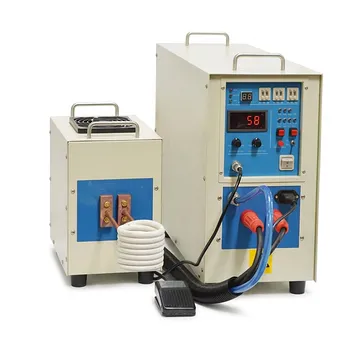
High Frequency Desktop Induction Heater 15 KVA Induction Heating System with Automatic Timer Control for Material Research and Metal Melting
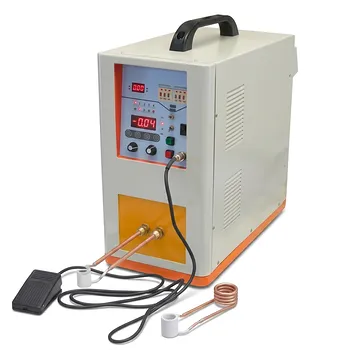
Desktop High Frequency Induction Heater for Precision Metal Melting and Laboratory Thermal Processing 0.6 to 1.1MHz
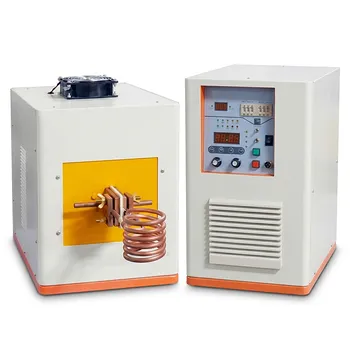
30KW High Frequency Induction Heater for Metal Melting and Industrial Heat Treatment 80-200kHz