The Softening Point: Engineering the Invisible Bond in Biocoke Production
May 25, 2026
The Dilemma of Raw Biomass
Biology is messy. Raw biomass is bulky, moisture-heavy, and energetically inconsistent. To transform it into "Biocoke"—a high-density, carbon-neutral alternative to coal—we must move beyond simple mechanical pressure.
We must engage in a delicate chemical negotiation with lignin, the complex organic polymer that gives plants their structure.
The success of this transformation rests on two invisible pillars: the precision of the thermal energy applied and the integrity of the feedback loop that monitors it.
The Alchemy of Lignin: Nature’s Own Binder
In its natural state, lignin is a rigid cellular scaffolding. However, at a specific thermal threshold, it undergoes a phase transition. It becomes plasticized.
The Role of Precision Heating
When heated to its optimal softening point, lignin acts as a natural adhesive. It flows between biomass fibers, creating a molecular bond that eliminates the need for synthetic binders.
- Uniformity is Mandatory: If the heat is uneven, internal stresses develop. The resulting briquette might look solid, but it will suffer from structural fractures during transport.
- The Energy Balance: Precision systems ensure that the core of the material reaches the maturation temperature at the same rate as the surface.
The "Eyes" of the System: Thermocouple Feedback
In a high-temperature environment, intuition is a liability. You cannot see the lignin softening; you can only measure the conditions that allow it to happen.
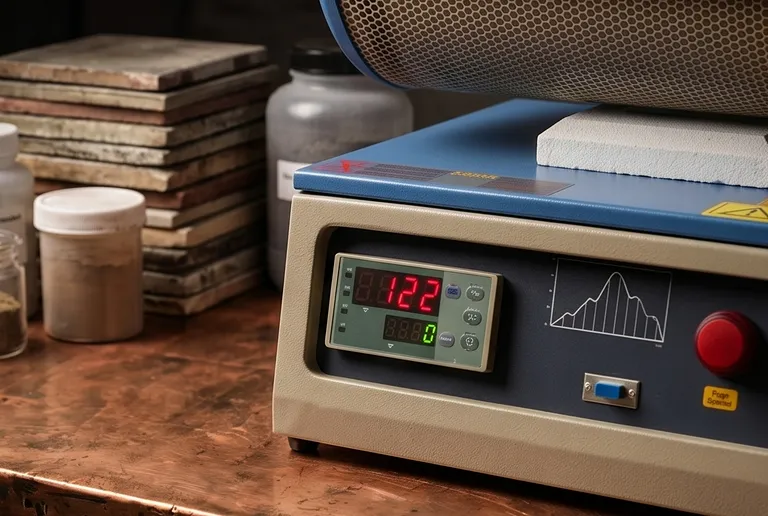
Thermocouples function as the sensory nervous system of the furnace. They provide the real-time data required for a closed-loop control system.
Preventing the "Carbonization Trap"
There is a thin line between a "matured" Biocoke and "over-carbonized" charcoal. If the temperature exceeds the target range, the system begins to drive off the very volatile gases that make Biocoke a superior fuel for ignition.
Thermocouple feedback allows the system to:
- Adjust heat output instantly to compensate for variations in biomass moisture.
- Maintain a steady-state thermal profile during the critical maturation stage.
- Prevent thermal overshoot, which wastes energy and degrades product quality.
The Psychological Trade-off: Density vs. Volatility
In engineering, as in finance, every gain has a cost. The "wealth" of Biocoke lies in its energy density, but its "liquidity" is its ignition speed.
| Factor | High Temperature/Long Exposure | Precision Controlled Exposure |
|---|---|---|
| Physical Density | Maximum | Optimized |
| Volatile Content | Low (Difficult to ignite) | High (Superior ignition) |
| Mechanical Strength | Brittle | Robust & Elastic |
| Energy Efficiency | Diminishing returns | Maximum efficiency |
Over-processing creates a dense product that refuses to burn. Under-processing creates a "green" product that crumbles under its own weight. Precision is the only path to the middle ground.
Navigating Systemic Risks
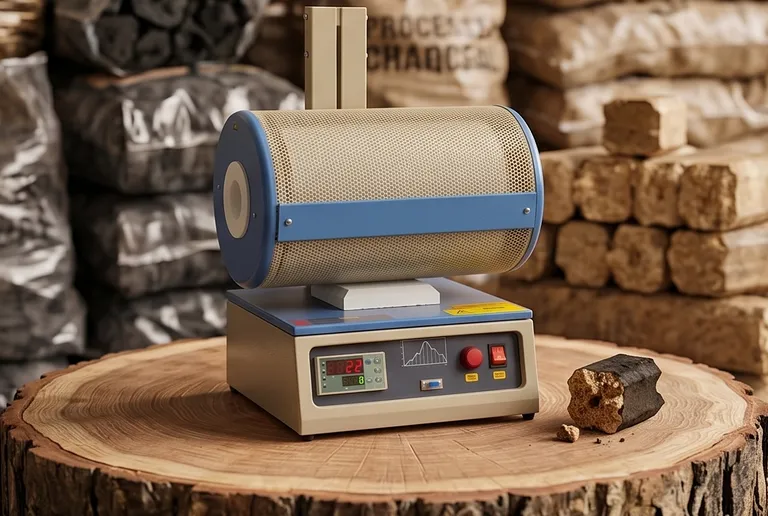
The primary risk in Biocoke production is not the furnace failing—it is the sensor drifting.
If a thermocouple loses calibration, the system flies blind. An error of just 10°C can be the difference between a high-grade industrial fuel and a batch of scorched waste. This is why the quality of the thermal elements and the reliability of the control interface are not just technical specs; they are the safeguards of your R&D investment.
Mastering the Thermal Curve with THERMUNITS
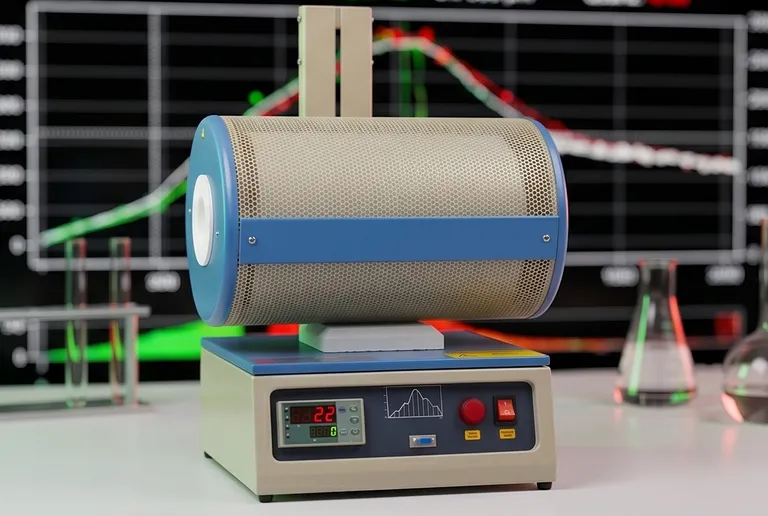
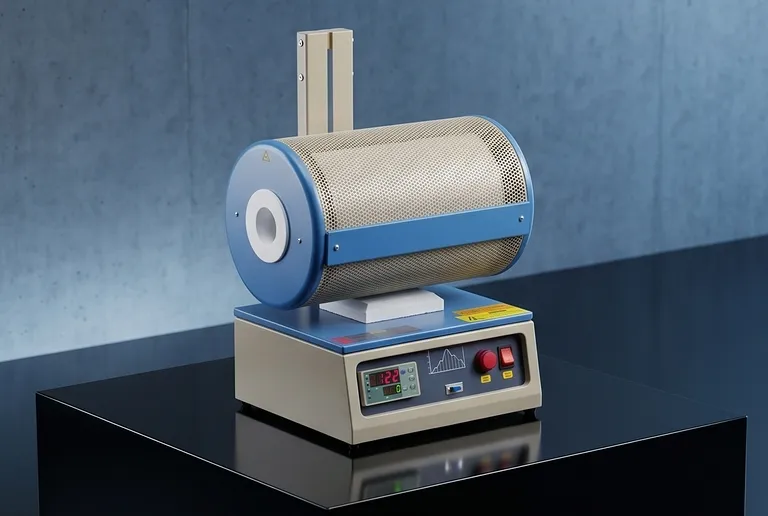
At THERMUNITS, we understand that in material science, "close enough" is the enemy of innovation. Our high-temperature laboratory equipment is engineered for those who demand absolute control over the thermochemical environment.
From Hot Press furnaces that perfect the lignin bond to Atmosphere and Rotary kilns designed for scalable maturation, our systems provide the precision required to turn biomass into a high-performance industrial asset.
We provide the tools; you provide the breakthrough. Whether you are optimizing for mechanical durability or maximizing ignition performance, our equipment ensures your data is accurate and your results are repeatable.
Ready to refine your thermal processing strategy? Contact Our Experts
Quick Links
Suggested Products
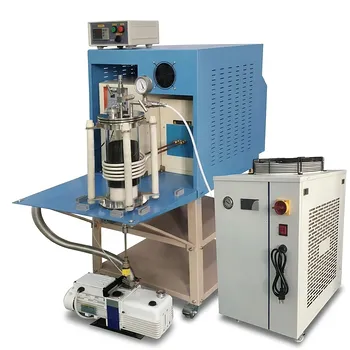
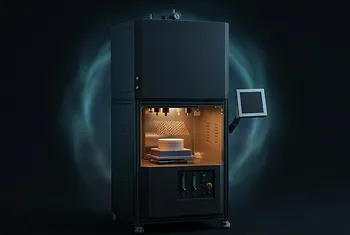
Three Temperature Zone Fast Heating Furnace 1500C Laboratory High Precision Thermal Processing System High Frequency Desktop Induction Heater 35KW 30-80 KHz with Precision Timer Control for Industrial Material Research and Metal Processing 15KW 1700C Max Induction Heater 6 Inch Tube with Dose Feeding and Melt Stirring Function Induction Heating System with Temperature Control for High Temperature Vacuum Sintering and Melting 15KW Induction Heating System with 5 Inch Quartz Tube and 2200C Temperature Controller
ThermUnits
Last updated on Apr 14, 2026
Related Products
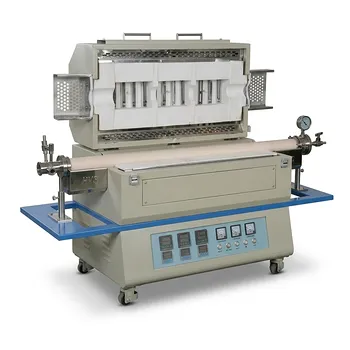
Three Temperature Zone Fast Heating Furnace 1500C Laboratory High Precision Thermal Processing System
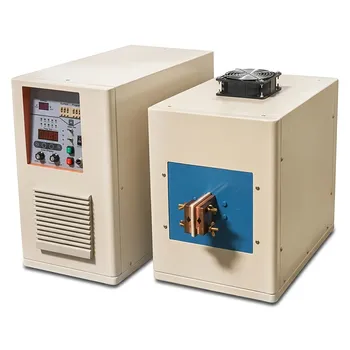
High Frequency Desktop Induction Heater 35KW 30-80 KHz with Precision Timer Control for Industrial Material Research and Metal Processing
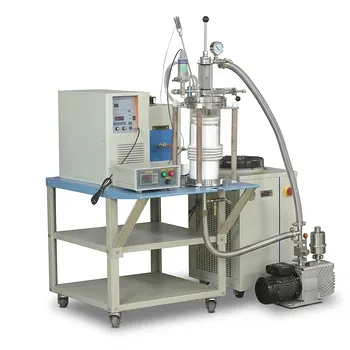
15KW 1700C Max Induction Heater 6 Inch Tube with Dose Feeding and Melt Stirring Function
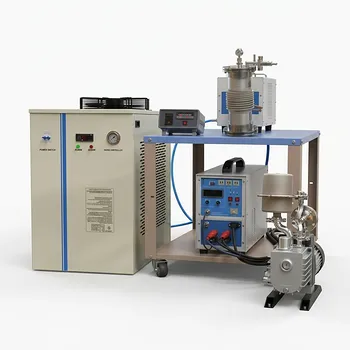
Induction Heating System with Temperature Control for High Temperature Vacuum Sintering and Melting