The Architecture of Absence: Why Inertia Defines the Quality of Pyrolysis
May 06, 2026

The Invisible Architect of Carbon Synthesis
In material science, what we remove is often as important as what we add.
Macroalgae pyrolysis is a delicate dance of thermal cracking. Without a strictly controlled environment, this dance turns into an uncontrolled blaze. The difference between high-value biochar and useless ash lies in the presence—or total absence—of oxygen.
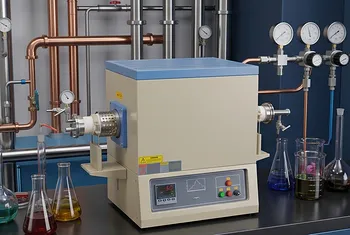
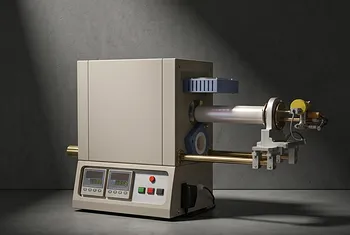
Introducing high-purity nitrogen into an atmosphere tube furnace isn't just a safety protocol. It is an engineering choice to shift the system from combustion to synthesis.
The Cost of a Single Oxygen Molecule
Pyrolysis is defined by the thermal decomposition of organic material in the absence of oxygen. When you heat biomass to 500°C, the molecules become desperate to react.
Eliminating the Flame
If oxygen is present, the macroalgae will ignite. This is combustion—a process that destroys structural complexity and releases carbon as CO2. By flooding the chamber with high-purity nitrogen, you create a "chemical silence."
The energy from your furnace is no longer fueling a fire; it is precisely breaking chemical bonds to produce carbon-rich solids.
Preserving the Carbon Skeleton
The goal of researchers is often to keep the carbon atoms where they are.
- In Nitrogen: The skeleton remains intact, forming stable "pyrochar."
- In Oxygen: The skeleton collapses, leaving behind mineral ash and lost potential.
Nitrogen as a Kinetic Logistician
Nitrogen does more than just sit there. In a high-quality atmosphere furnace, it acts as a carrier gas—a microscopic cleaning crew that moves at predictable flow rates.
Sweeping the Volatile Path
As algae breaks down, it releases "volatiles"—heavy tars and organic vapors. If these vapors linger in the reaction zone, they settle back onto the material, causing secondary reactions that "choke" the quality of the char.
A continuous stream of nitrogen sweeps these vapors toward the condensation system. This ensures the final product is clean, consistent, and ready for analysis.
| Role of Nitrogen | Practical Benefit | Final Impact |
|---|---|---|
| Oxygen Displacement | Prevents biomass ignition | Converts material to biochar, not ash |
| Carrier Action | Removes tars and volatiles | Develops clear, high-quality pore structures |
| Structural Protection | Preserves the carbon framework | Ensures high carbon density and stability |
| Surface Inertia | Protects catalysts/metal phases | Maintains integrity for advanced R&D |
Engineering the Micro-Landscape
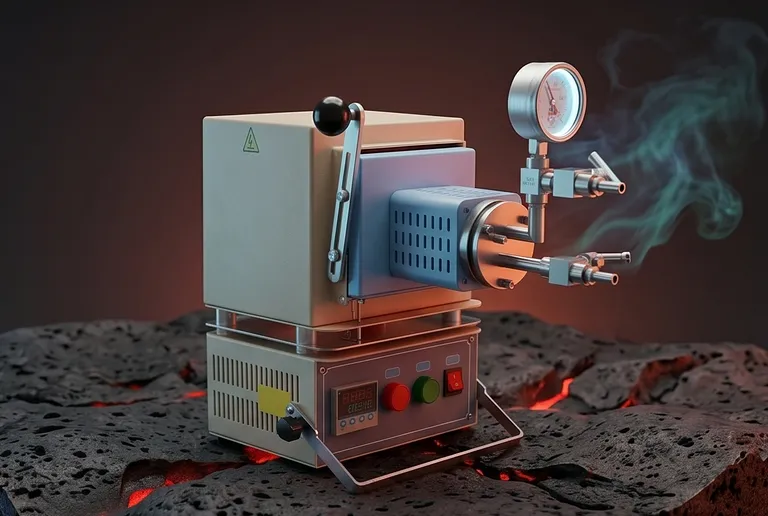
For those using biochar for filtration or as a catalyst support, the "architecture" of the internal pores is everything.
Developing Pore Structures
A steady nitrogen flow keeps the emerging microscopic "tunnels" within the biochar clear of debris. Without this flow, the pores become blocked by tar, rendering the material useless for adsorption or filtration.
Protecting Active Phases
When macroalgae is treated alongside metals (like nickel or iron), the nitrogen environment prevents these active components from rusting. It allows for the formation of protective graphene shells, enhancing electrical conductivity—a critical factor in modern energy storage research.
The Designer’s Dilemma: Purity and Flow
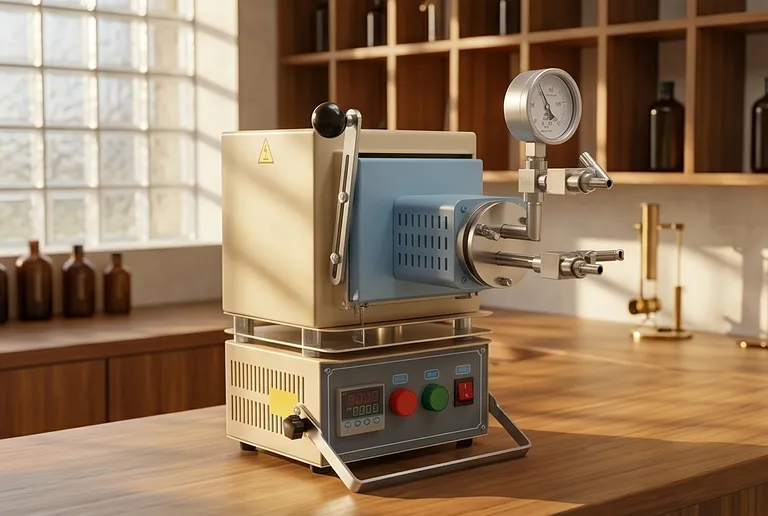
Engineering is the art of trade-offs. The "purity" of your nitrogen directly correlates to the "reliability" of your data.
- Purity vs. Consistency: Trace oxygen in low-grade nitrogen causes "partial oxidation." This creates chemical "noise" in your results, making it impossible to replicate experiments.
- Flow vs. Temperature: A high flow rate is good for removing volatiles but can create "cold spots" in the tube. Precision equipment must balance gas pre-heating with chamber stability.
- Volume vs. Cost: High-purity gas is an investment. However, compared to the cost of a failed research cycle or a contaminated batch of advanced material, it is the most logical expense in the lab.
Precision Instruments for Thermal Excellence
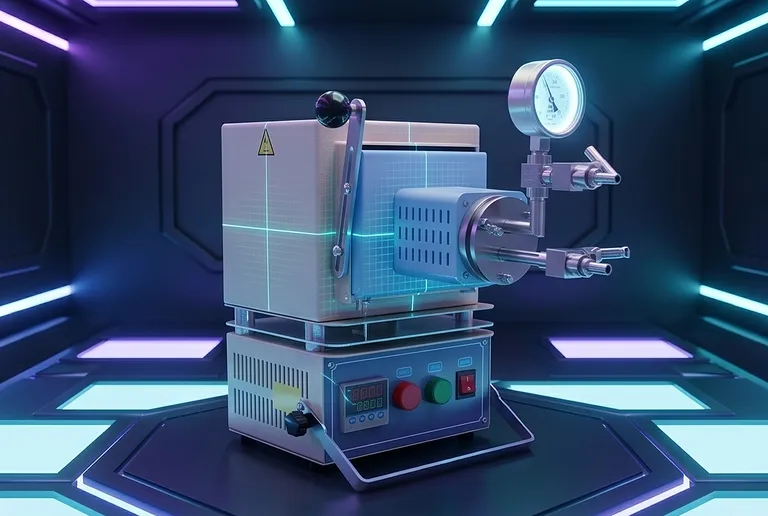
The success of your pyrolysis depends on the tool that houses the reaction. At THERMUNITS, we understand that a furnace is not just a heater—it is a pressure vessel for innovation.
We provide the precision-engineered Atmosphere Tube Furnaces, Vacuum Induction Melting (VIM) systems, and Rotary Kilns required to maintain the strict atmospheric integrity your research demands. From material science to industrial R&D, our equipment ensures that the only thing changing in your chamber is the material itself.
Ready to master your thermal atmosphere?
Contact Our Experts
Quick Links
Suggested Products
1500C Three Zone Vertical Pyrolysis Furnace for Nanoparticle Synthesis and Advanced Oxide Coating Electric Rotary Kiln Small Rotary Furnace Biomass Pyrolysis Plant Electric Rotary Kiln Continuous Working Small Rotary Furnace Heating Pyrolysis Plant Gas Pre-Heating Tube Furnace for High Temperature Pyrolysis Reactors and Material Science Research High Temperature Induction Melting System with Integrated Ultra High Purity Glove Box for Metallic Alloy ProcessingFurther Reading
The Architecture of Ash: Engineering the Transition from Biomass to Carbon The Thermal Architect: Engineering the Nano-Geometry of Hard Carbon The Architecture of Activity: Why Geometry and Atmosphere Define the Modern Catalyst The Architecture of Resistance: Simulating 1000°C Realities for AlCrVY(O)N Coatings The Architecture of Absence: Why Controlled Atmosphere is the Soul of Sludge-Based Carbon Activation
ThermUnits
Last updated on Apr 15, 2026
Related Products
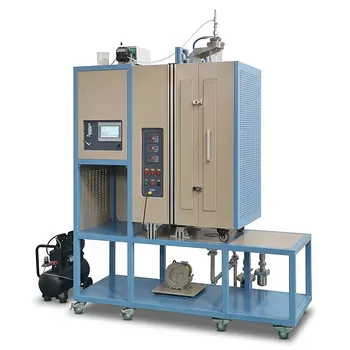
1500C Three Zone Vertical Pyrolysis Furnace for Nanoparticle Synthesis and Advanced Oxide Coating
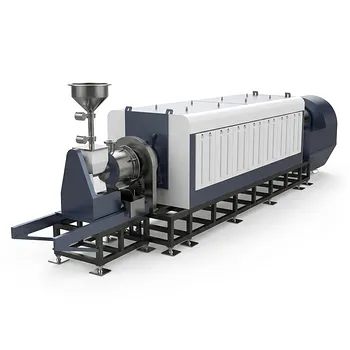
Electric Rotary Kiln Small Rotary Furnace Biomass Pyrolysis Plant
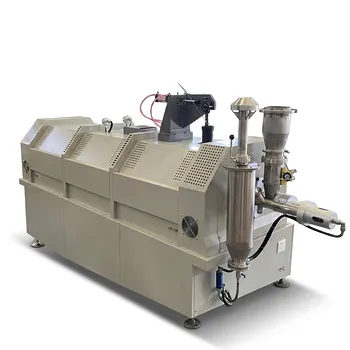
Electric Rotary Kiln Continuous Working Small Rotary Furnace Heating Pyrolysis Plant
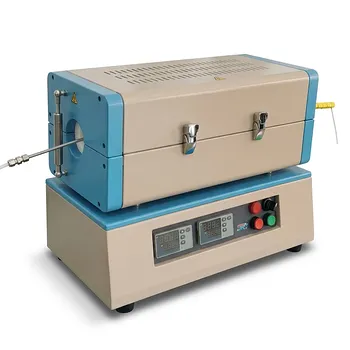
Gas Pre-Heating Tube Furnace for High Temperature Pyrolysis Reactors and Material Science Research
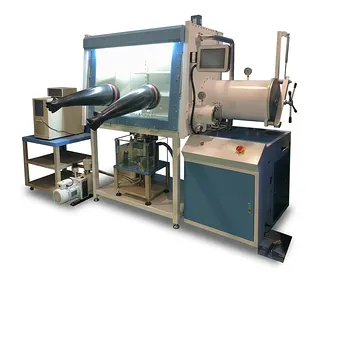
High Temperature Induction Melting System with Integrated Ultra High Purity Glove Box for Metallic Alloy Processing
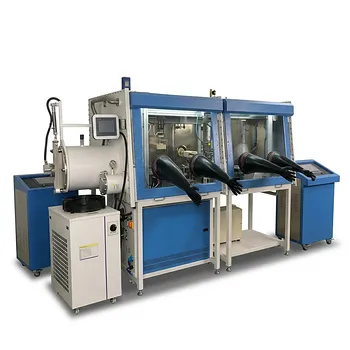
Automatic 10 Crucible Induction Melting and Casting System with Stirring Function and Glovebox Integration 2000C
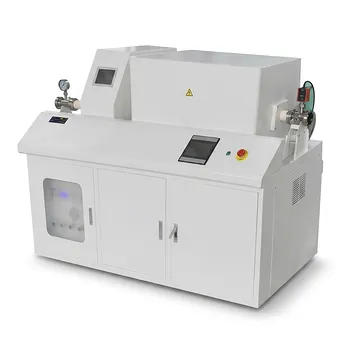
Chemical Vapor Deposition CVD System Slide PECVD Tube Furnace with Liquid Gasifier PECVD Machine
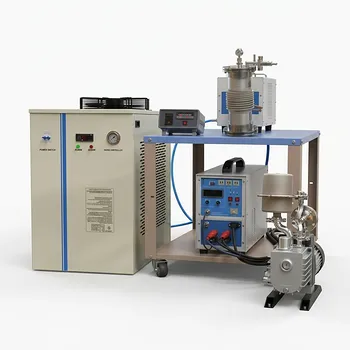
Induction Heating System with Temperature Control for High Temperature Vacuum Sintering and Melting
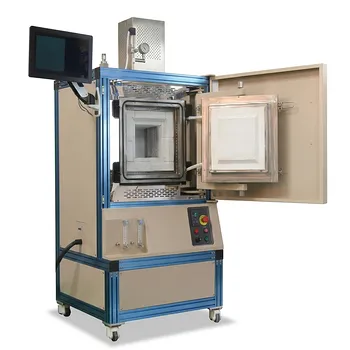
High Temperature Hydrogen Atmosphere Box Furnace 1650C Max Reducing Environment Material Synthesis System 8x8x8 Chamber