The Geometry of Recovery: Why Tilting Rotary Furnaces Redefine Recycling Economics
Aug 05, 2026
The Chaos of the Melt
In the world of metal recycling, the enemy is stagnation. When scrap metal—often contaminated with oxides, dross, or plastics—sits motionless in a furnace, it behaves unpredictably. Cold spots form. Oxidation consumes the very profit you are trying to recover.
Traditionally, recycling was a game of "wait and scrape." You waited for the melt, then used manual labor to rake out the slag. It was slow, dangerous, and physically limited by the speed of a human operator.
The tilting rotary furnace changed the physics of this equation by introducing two variables: Continuous Motion and Variable Geometry.
The Physics of Motion: Eliminating Stagnation
The "rotary" in these furnaces isn't just for show. It creates a perpetual tumbling effect. As the drum rotates, the scrap metal is forced into a state of constant displacement.
- Maximum Recovery: This tumbling breaks the oxide film that usually traps droplets of molten metal. The result is a recovery rate of up to 91%, even from low-grade dross.
- Direct Energy Transfer: Unlike stationary furnaces that rely on radiant heat from the roof, a rotary furnace uses direct flame-to-material contact. The movement ensures every piece of scrap passes through the thermal "hot zone."
- Homogeneity: The melt becomes a singular, uniform mass. There are no "cold spots" because the furnace refuses to let the metal stay still.
The Gravity Advantage: 50% Faster Cycles
If rotation handles the chemistry of the melt, tilting handles the logistics.
In a traditional setup, discharging finished metal is a bottleneck. In a tilting furnace, gravity becomes your primary tool. By utilizing hydraulic or pneumatic jacks to change the incline, the furnace transitions from a melting vessel to a pouring vessel in seconds.
| Feature | The Psychological Shift | The Real-World Impact |
|---|---|---|
| Mechanical Tilting | From "Scraping" to "Flowing" | Cuts cycle times by 50% |
| Automated Discharge | From "Labor-Intensive" to "Process-Driven" | Reduces manual labor & risk |
| Dual-Axis Control | From "Static" to "Dynamic" | Handles dross, batteries, and mixed feeds |
The Engineer’s Trade-off: The Tax on Performance
Morgan Housel often notes that everything has a price, but not all prices are on the price tag. In high-performance thermal engineering, the price of efficiency is maintenance complexity.
Moving parts operating at 1,000°C+ face unique stressors.
- Mechanical Wear: The bearings and rollers supporting a rotating drum carry immense loads.
- Refractory Stress: The constant tumbling of heavy scrap acts like a slow-motion abrasive, requiring high-grade refractory linings that can withstand mechanical impact as well as heat.
However, for a facility focused on volume, these maintenance costs are usually dwarfed by the massive gains in yield and the reduction in energy consumption per ton.
Strategizing the Upgrade
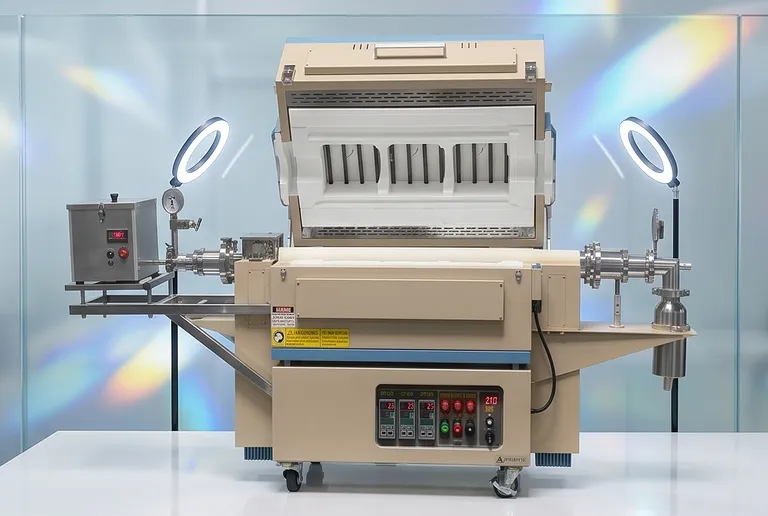
Choosing to move to a tilting rotary system depends on your specific "bottleneck psychology":
- Is your bottleneck "Yield"? If you are losing too much metal to the slag pile, the rotation’s ability to "squeeze" metal out of dross is your solution.
- Is your bottleneck "Velocity"? If your feedstock is piling up faster than you can melt it, the 50% reduction in cycle time via tilting discharge is your solution.
- Is your bottleneck "Risk"? Automated pouring keeps operators away from the heat, fundamentally changing the safety profile of your plant.
The THERMUNITS Standard
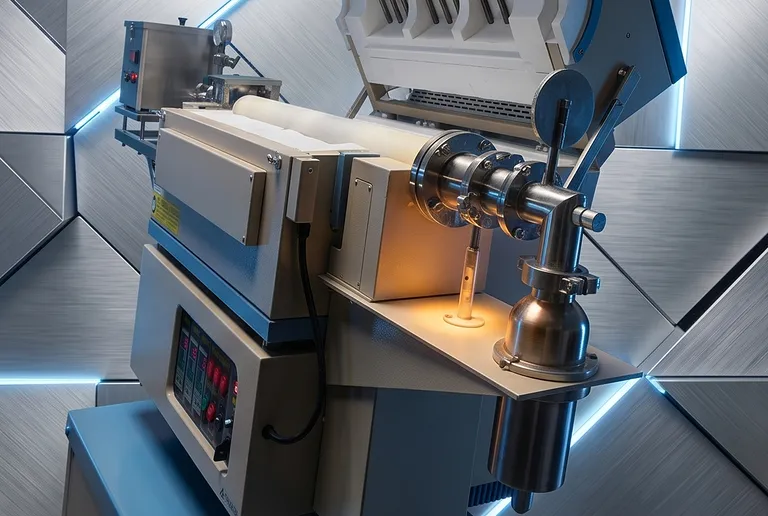
At THERMUNITS, we view thermal processing not just as a heating problem, but as a system design challenge.
Whether you are scaling up an R&D process with our Electric Rotary Kilns or perfecting high-purity melts with Vacuum Induction Melting (VIM), our equipment is built to turn technical complexity into operational simplicity. We provide the precision tools—from Muffle and Atmosphere furnaces to advanced CVD systems—that allow material scientists to push the boundaries of what is possible.
Efficiency in recycling is no longer about working harder; it is about utilizing the geometry of the furnace to let physics do the heavy lifting.
Quick Links
Suggested Products
High Temperature Tilting Rotary Tubular Furnace for Continuous Powder Thermal Processing and Controlled Atmosphere Sintering High Temperature Tilting Rotary Tube Furnace with Integrated Mass Flow Control and Multi Zone Heating Laboratory Tilting Rotary Tubular Furnaces for Material Science and Industrial Heat Treatment High Temperature Rotary Tilt Tubular Furnaces for Advanced Powder Sintering and Material Processing Three Temperature Zone Rotating Tube Furnace for Material Sintering and Controlled Atmospheric Heat Treatment
ThermUnits
Last updated on Apr 14, 2026
Related Products
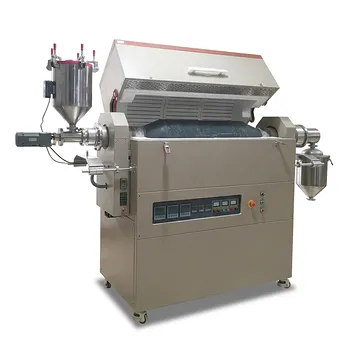
High Temperature Tilting Rotary Tubular Furnace for Continuous Powder Thermal Processing and Controlled Atmosphere Sintering
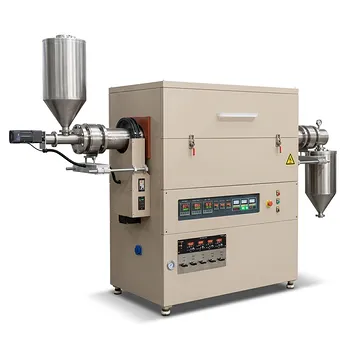
High Temperature Tilting Rotary Tube Furnace with Integrated Mass Flow Control and Multi Zone Heating
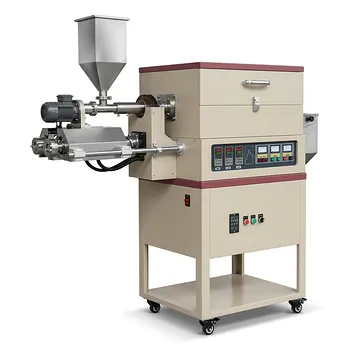
Laboratory Tilting Rotary Tubular Furnaces for Material Science and Industrial Heat Treatment
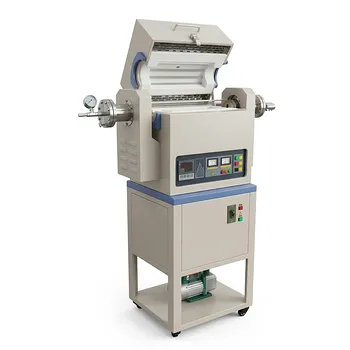
High Temperature Rotary Tilt Tubular Furnaces for Advanced Powder Sintering and Material Processing
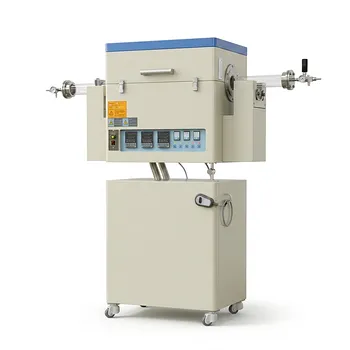
Three Temperature Zone Rotating Tube Furnace for Material Sintering and Controlled Atmospheric Heat Treatment
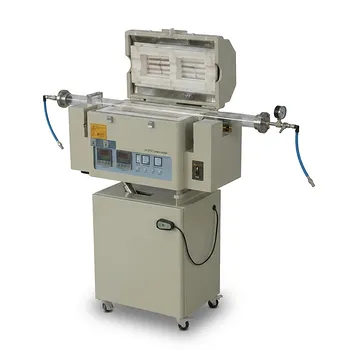
Double Temperature Revolving Tube Furnace with Precision Rotation and Adjustable Inclination for Advanced Material Research
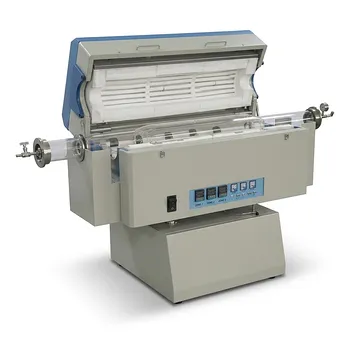
Large Three Temperature Zone Rotating Tube Furnace for High Uniformity Material Sintering
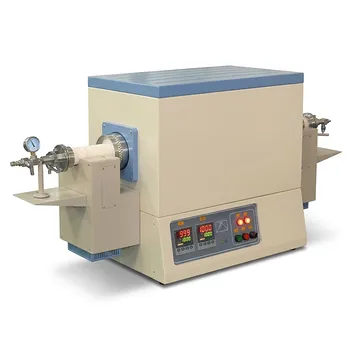
High Temperature 1700C Dual Zone Rotary Tube Furnace with 60mm Alumina Tube and Precision Rotation Control
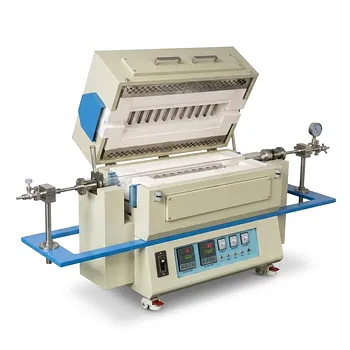
High Temperature Dual Zone Rotating Tube Furnace 1500C Silicon Carbide Heating for Advanced Material Synthesis
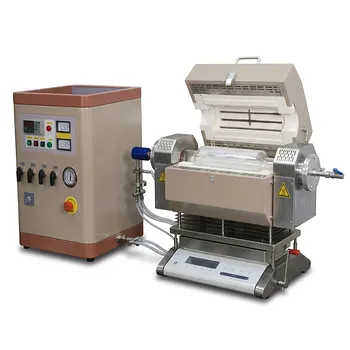
Weighable Mini Rotary Tube Furnace for Dynamic Thermogravimetric Analysis and Powder Processing
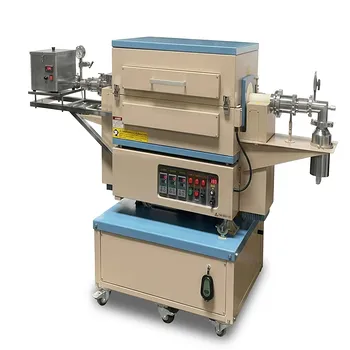
1500C 3-Zone Rotary Tube Furnace 60mm with Automatic Powder Feeding and Receiving System for Continuous Material Synthesis
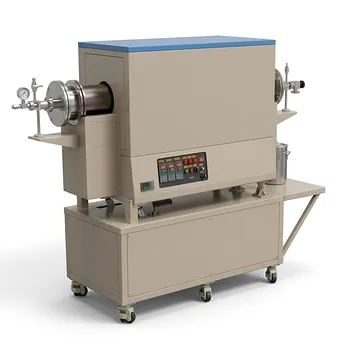
900°C Max Rotary Tube Furnace with 8 Inch 310S Alloy Tube and Optional Multi Zone Heating for Industrial Material Calcination
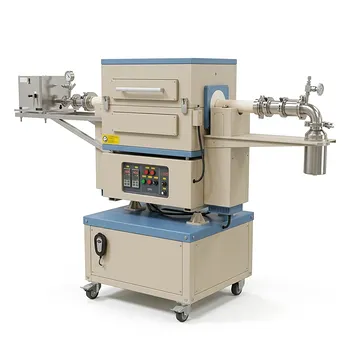
1500C Max Dual Zone Rotary Tube Furnace with 60 mm OD Alumina Tube for High Temperature Material Synthesis
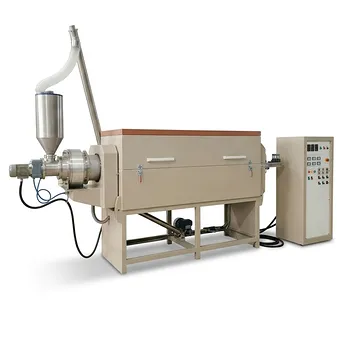
Continuous Feeding Rotary Tube Furnace for Industrial Powder Heat Treatment and Material Research
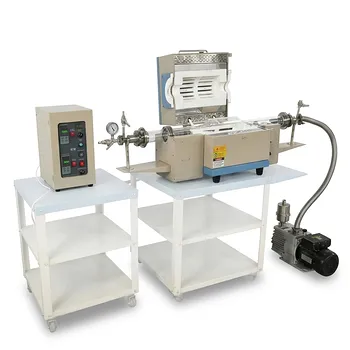
Two Zone Rotary Tube Furnace for Powder CVD Coating and Core Shell Material Synthesis 1100C
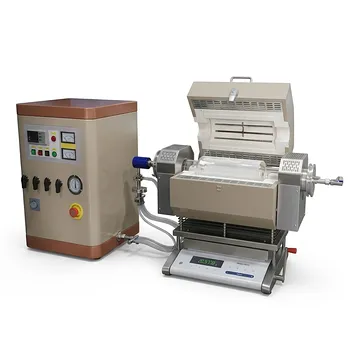
Mini Rotary Tubular Furnaces for Precision Powder Heat Treatment and Thermogravimetric Analysis
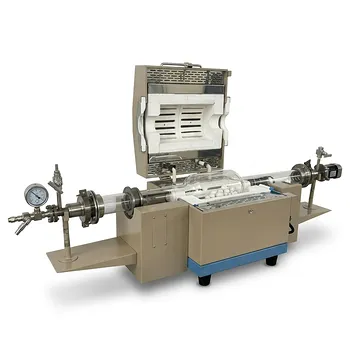
High Temperature Rotary Tube Furnace with Integrated Ball Milling and Gas Flow Function for Powder Nitriding
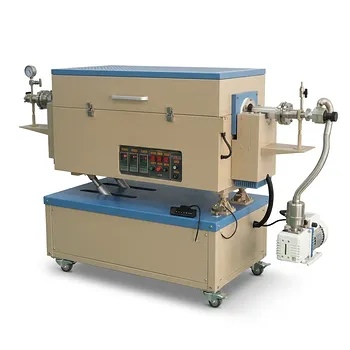
Three Zone Rotary Tube Furnace for High Temperature Powder Processing and Material Research
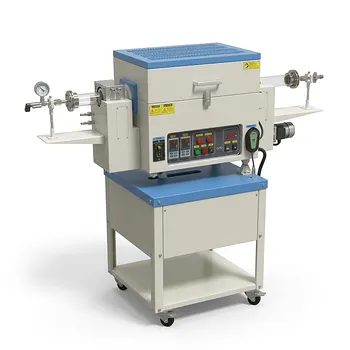
4 Inch Two Zone Rotary CVD Tube Furnace for High Temperature Battery Material Synthesis and Advanced Material Calcination