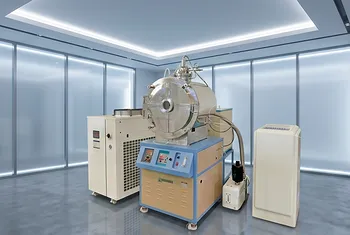
The Architecture of Heat: Why the Kiln Shell is a Masterclass in Structural Compromise
Jul 18, 2026
In the world of material science, we often focus on the chemistry inside the furnace. We talk about phase changes and molecular bonds.
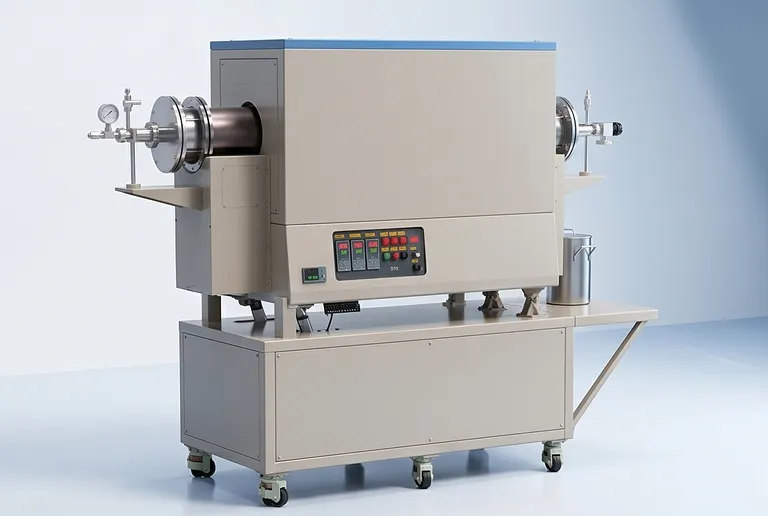
But the vessel itself—the kiln shell—is a silent protagonist. It is a massive, heavy-walled cylinder that must perform a physical miracle: supporting over 1,000 tonnes of weight while spinning, tilting, and expanding under the weight of its own internal sun.
It is not just a container. It is a precision-engineered structural tube where the laws of thermodynamics meet the limits of metallurgy.
The Geometry of Survival
A rotary kiln shell is typically a rolled and welded cylinder of mild steel, between 15 and 30 mm thick. To an outsider, this looks like brute force. To an engineer, it is a delicate balance of ductility.
We use mild steel not because it is the hardest material, but because it is forgiving. It possesses the "structural empathy" required to handle the stress of constant rotation without becoming brittle and snapping under pressure.
The Dynamics of the Shell
- Wall Thickness (15–30 mm): This is the sweet spot. Too thin, and the shell loses its shape (ovality) under the weight of the refractory lining. Too thick, and the shell becomes too rigid to survive the internal stresses of heating.
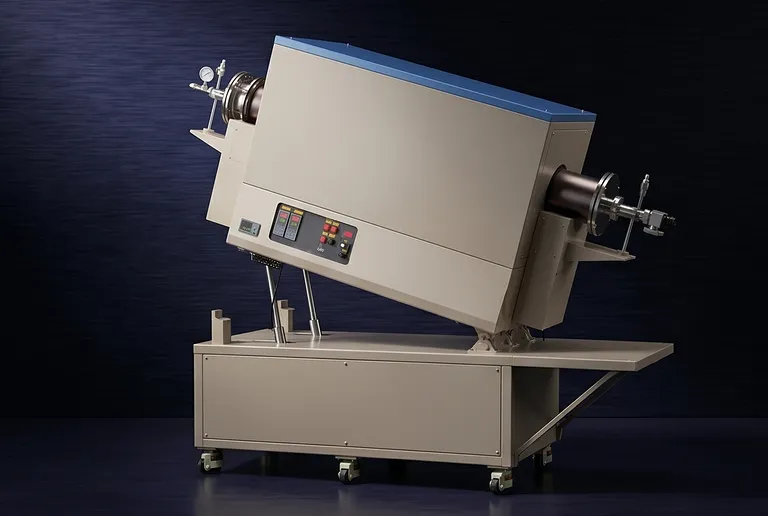
- The Functional Tilt: The shell sits at an inclination of 1 to 4 degrees. This is the "gradient of progress." It uses gravity to move material forward, but it also creates a constant axial thrust that tries to push the entire thousand-ton assembly off its rollers.
- Precision Welding: Every joint is a potential point of failure. High-quality welds ensure the shell behaves as a single, monolithic spine.
The Breath of the Machine
In finance, we talk about the margin of safety. In kiln engineering, we talk about the allowance for growth.
When a kiln heats up to 1,400°C, it grows. The steel shell will expand by 0.1% to 0.5% of its total length. If the drive gears and supports do not allow for this "breath," the machine will literally tear itself apart.
The Thermal Barrier
The shell is protected by a refractory lining—80 to 300 mm of heat-resistant brick or castable material. This lining is the only thing standing between the mild steel and a structural meltdown.
The goal is to keep the outer surface of the steel below 350°C. Once you cross that threshold, the steel loses its yield strength. It begins to sag. In the industry, we call these "hot spots," but they are essentially the fever of a dying machine.
The Psychology of the Trade-off
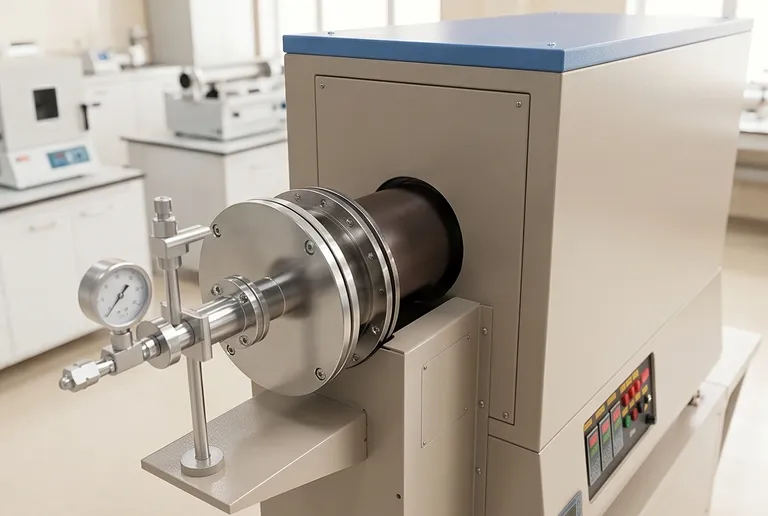
Every decision in kiln design is a trade-off. There is no perfect solution, only a series of calculated compromises.
| Parameter | Specification | The Engineering Logic |
|---|---|---|
| Material | Rolled Mild Steel | Ductility over hardness to prevent brittle fractures. |
| Inclination | 1 to 4 Degrees | Balancing material throughput with axial load stress. |
| Thermal Growth | 0.1% - 0.5% | Designing clearances that "fit" only when the machine is hot. |
| Surface Temp | < 350 °C | Preserving the structural integrity of the steel backbone. |
| Lining Depth | 80 - 300 mm | Insulating the shell without overloading the drive motor. |
If you increase the refractory thickness to save energy, you increase the weight. That weight puts more strain on the support rollers and the motor. If you make the shell thicker to handle the weight, you lose the flexibility needed to survive thermal cycles.
Engineering is the art of choosing which problem you’d rather have.
Precision in Every Rotation
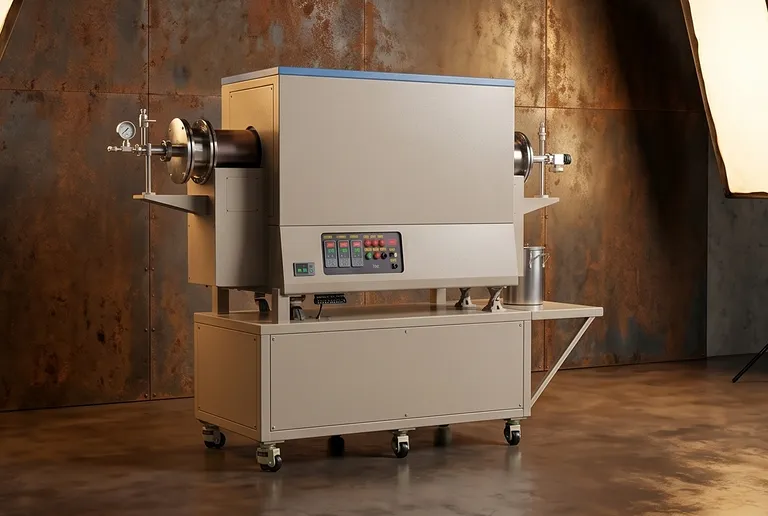
At THERMUNITS, we understand that in R&D and industrial processing, there is no room for structural "unpredictability." Whether it is an Electric Rotary Kiln or a Vacuum Induction Melting (VIM) furnace, the structural backbone must be flawless.
We specialize in high-temperature laboratory equipment that respects these physical limits. Our systems—from CVD/PECVD units to Rotary and Muffle furnaces—are designed with the structural integrity to ensure your material research is never compromised by the equipment housing it.
If your process requires a foundation that can withstand the tension of extreme heat and massive loads, our engineers are ready to build it.
Quick Links
Suggested Products
Electric Rotary Kiln Small Rotary Furnace for Activated Carbon Regeneration Electric Rotary Kiln Continuous Working Small Rotary Furnace Heating Pyrolysis Plant Electric Rotary Kiln Small Rotary Furnace Biomass Pyrolysis Plant 900°C Max Rotary Tube Furnace with 8 Inch 310S Alloy Tube and Optional Multi Zone Heating for Industrial Material Calcination Three Zone Rotary Tube Furnace for High Temperature Powder Processing and Material ResearchFurther Reading
The Geometry of Heat: Why Electric Rotary Kilns are Winning the Efficiency War The Architecture of Equilibrium: Why Rotation is the Antidote to Thermal Stagnation The Architecture of Movement: Managing Gravity and Heat in Rotary Furnaces The Invisible Guardian: Why Precision Diamond Hydrogenation Demands Quantitative Scent
ThermUnits
Last updated on Apr 14, 2026
Related Products
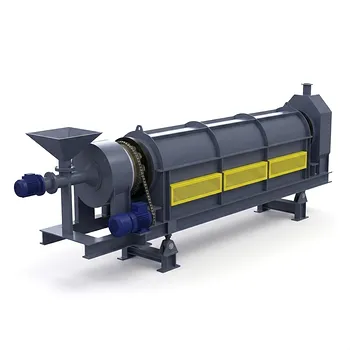
Electric Rotary Kiln Small Rotary Furnace for Activated Carbon Regeneration
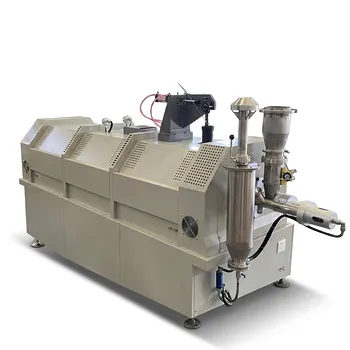
Electric Rotary Kiln Continuous Working Small Rotary Furnace Heating Pyrolysis Plant
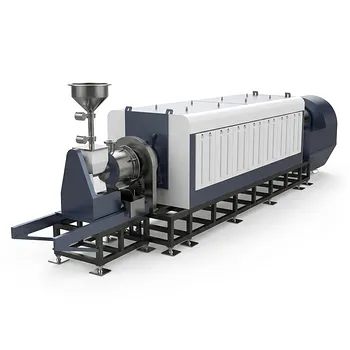
Electric Rotary Kiln Small Rotary Furnace Biomass Pyrolysis Plant
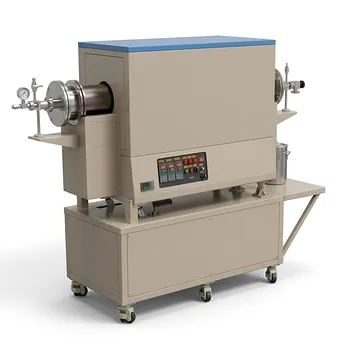
900°C Max Rotary Tube Furnace with 8 Inch 310S Alloy Tube and Optional Multi Zone Heating for Industrial Material Calcination
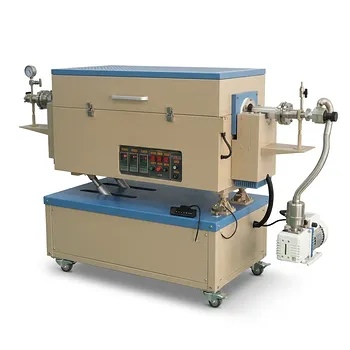
Three Zone Rotary Tube Furnace for High Temperature Powder Processing and Material Research
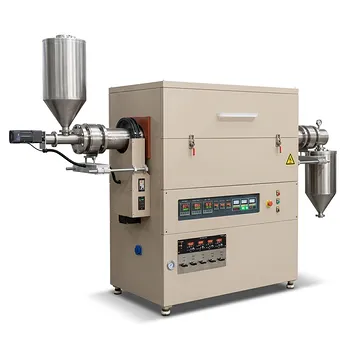
High Temperature Tilting Rotary Tube Furnace with Integrated Mass Flow Control and Multi Zone Heating
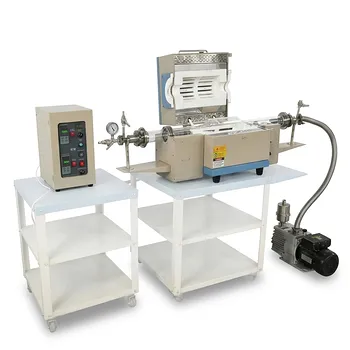
Two Zone Rotary Tube Furnace for Powder CVD Coating and Core Shell Material Synthesis 1100C
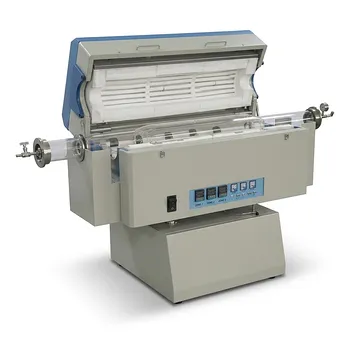
Large Three Temperature Zone Rotating Tube Furnace for High Uniformity Material Sintering
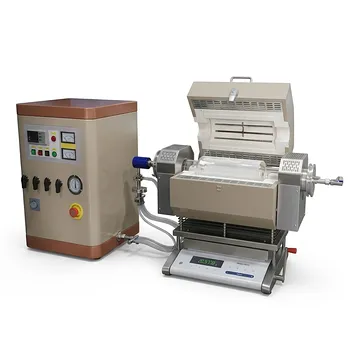
Mini Rotary Tubular Furnaces for Precision Powder Heat Treatment and Thermogravimetric Analysis
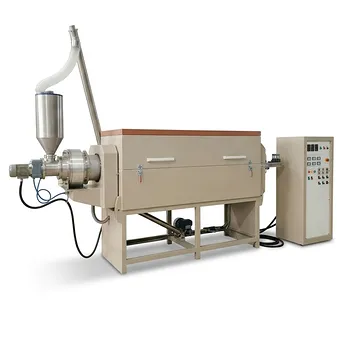
Continuous Feeding Rotary Tube Furnace for Industrial Powder Heat Treatment and Material Research
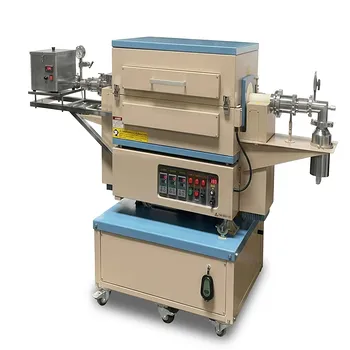
1500C 3-Zone Rotary Tube Furnace 60mm with Automatic Powder Feeding and Receiving System for Continuous Material Synthesis
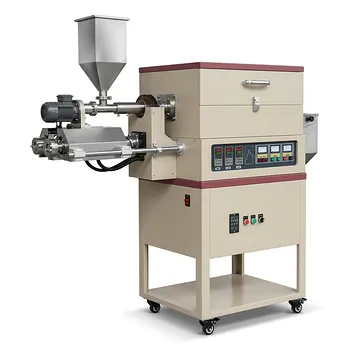
Laboratory Tilting Rotary Tubular Furnaces for Material Science and Industrial Heat Treatment
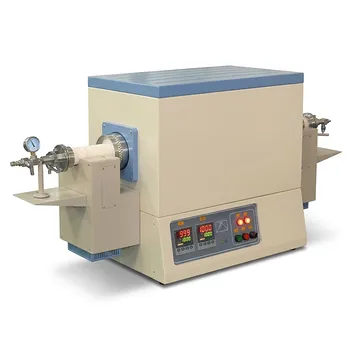
High Temperature 1700C Dual Zone Rotary Tube Furnace with 60mm Alumina Tube and Precision Rotation Control
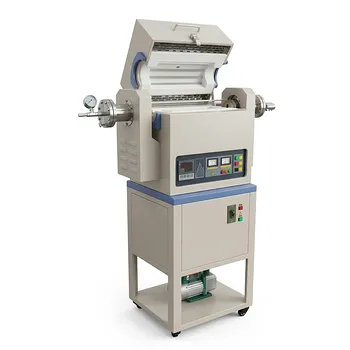
High Temperature Rotary Tilt Tubular Furnaces for Advanced Powder Sintering and Material Processing
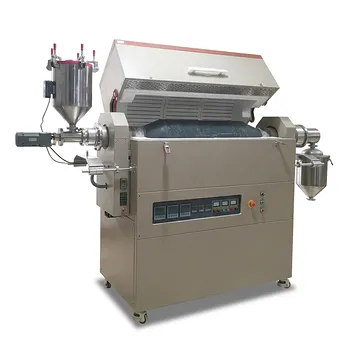
High Temperature Tilting Rotary Tubular Furnace for Continuous Powder Thermal Processing and Controlled Atmosphere Sintering

Vertical 1700C Vacuum and Atmosphere Tube Furnace with 80mm Alumina Tube
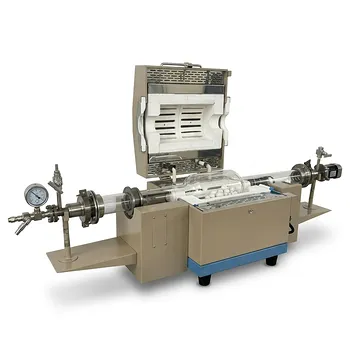
High Temperature Rotary Tube Furnace with Integrated Ball Milling and Gas Flow Function for Powder Nitriding
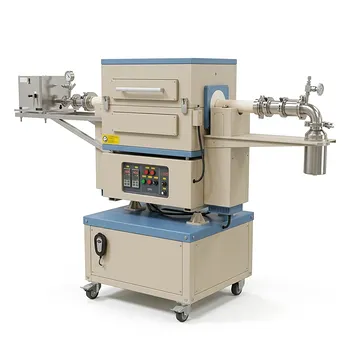
1500C Max Dual Zone Rotary Tube Furnace with 60 mm OD Alumina Tube for High Temperature Material Synthesis
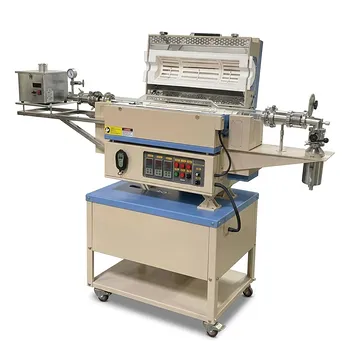
5 Inch Rotary Tube Furnace with Automatic Feeding and Receiving System 1200C Three Zone CVD Powder Processing