The Architecture of Equilibrium: Why Rotation is the Antidote to Thermal Stagnation
May 21, 2026
The Physics of the Shadow Zone
In thermal processing, stagnation is the enemy of quality. In a static furnace, heat is a predator; it attacks the surface of a material while the core remains insulated, creating "shadow zones" of uneven temperature.
This delta—the difference between the scorched exterior and the raw interior—is where material failure begins.
The solution is not more heat, but movement. By introducing mechanical rotation, we transform a static thermal environment into a dynamic one, ensuring every molecule eventually faces the fire.
The Rotary Kiln: Gravity as a Conveyor
The rotary kiln is a masterclass in simplicity. It is essentially a long, inclined cylinder—usually angled between 1 and 4 degrees—that uses the relentless pull of gravity to facilitate continuous flow.
The Logic of the Incline
As the kiln rotates, the material doesn't just sit; it tumbles. This cascading motion ensures that solid particles are constantly redistributed, exposing new surfaces to the heat source.
- Continuous High Volume: Designed for calcination and sintering where stopping is not an option.
- Pyroprocessing: Ideal for chemical reductions where a consistent reaction throughout the mass is critical.
- Waste Incineration: The tumbling action ensures complete combustion of hazardous materials, leaving no "cold spots" for toxins to survive.
The Tilting Rotary: The Alchemist’s Drum
While the kiln is about the journey, the tilting rotary furnace is about the destination. This is a batch-processing powerhouse, engineered primarily for the complex world of metal recycling and alloying.
Precision in Liquid States
Unlike the long kiln, the tilting furnace is drum-shaped. Once the melting cycle is complete, the entire unit utilizes hydraulic mechanisms to tilt and pour with surgical precision.
- Oxide Separation: In aluminum recycling, the rotation breaks up surface oxides (dross), allowing for higher recovery rates of clean metal.
- Short Rotary Variants: Specialized units spinning at higher speeds (approx. 1 rpm) accelerate the mixing process, reducing the "residence time" of the melt.
- Slag Management: The ability to tilt makes the separation of molten metal from impurities a controlled mechanical process rather than a manual struggle.
The Rotary Hearth: The Merry-Go-Round of Precision
There are components—aerospace gears, automotive shafts, delicate ceramics—that cannot be tumbled. If they were tossed in a kiln, they would be destroyed.
The rotary hearth furnace solves this by moving the floor, not the walls.
Stationary Parts, Moving Environment
In this design, a circular platform rotates through fixed temperature zones. The parts stay perfectly still relative to the hearth, but they travel through a meticulously controlled thermal profile.
- Discrete Part Treatment: Perfect for components requiring identical thermal histories.
- Automated Flow: Operators can load and unload at a single point, creating a seamless loop in the production line.
- Exceptional Uniformity: Because the parts move through the heat zones at a fixed speed, the thermal exposure is mathematically consistent.
The Engineer’s Trade-off: Mechanics vs. Maintenance
Every mechanical solution introduces a new set of vulnerabilities. In rotary systems, the primary challenge is the intersection of extreme heat and moving parts.
| Feature | Rotary Kiln | Tilting Rotary | Rotary Hearth |
|---|---|---|---|
| Operation | Continuous | Batch | Continuous/Discrete |
| Material State | Solids/Slurries | Molten/Scrap | Stationary Parts |
| Key Advantage | High Throughput | Impurity Separation | Part Integrity |
| Challenge | Sealing & Length | Hydraulic Maintenance | Hearth Seal Integrity |
The wear on rollers, tires, and refractory linings is accelerated by thermal expansion. Engineering a rotary system requires a "preventative" mindset—where seals and lubricants are treated as critical components, not afterthoughts.
Designing for Your Material’s Destiny
Choosing a rotary system is an exercise in defining your material's physical requirements.
- If you need mass throughput of minerals: The inclined Rotary Kiln is your workhorse.
- If you need to reclaim metal from scrap: The Tilting Rotary offers the control you require.
- If you are heat-treating sensitive aerospace components: The Rotary Hearth provides the necessary stability.
At THERMUNITS, we translate these mechanical principles into high-performance R&D and industrial equipment. From Electric Rotary Kilns for precise mineral processing to Vacuum Induction Melting (VIM) systems and CVD/PECVD setups, we provide the thermal architecture required for modern material science.
To find the equilibrium your process demands, Contact Our Experts.
Quick Links
Suggested Products
Electric Rotary Kiln Small Rotary Furnace for Activated Carbon Regeneration Electric Rotary Kiln Continuous Working Small Rotary Furnace Heating Pyrolysis Plant Electric Rotary Kiln Small Rotary Furnace Biomass Pyrolysis Plant 900°C Max Rotary Tube Furnace with 8 Inch 310S Alloy Tube and Optional Multi Zone Heating for Industrial Material Calcination High Temperature Tilting Rotary Tube Furnace with Integrated Mass Flow Control and Multi Zone HeatingFurther Reading
The Geometry of Heat: Why Electric Rotary Kilns are Winning the Efficiency War The Architecture of Movement: Managing Gravity and Heat in Rotary Furnaces The Architecture of Heat: Why the Kiln Shell is a Masterclass in Structural Compromise The Invisible Guardian: Why Precision Diamond Hydrogenation Demands Quantitative Scent
ThermUnits
Last updated on Apr 14, 2026
Related Products
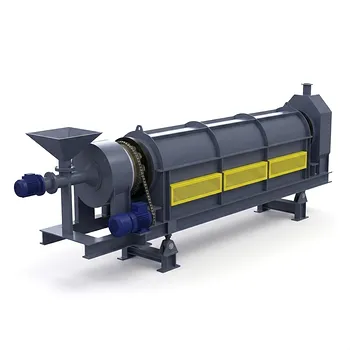
Electric Rotary Kiln Small Rotary Furnace for Activated Carbon Regeneration
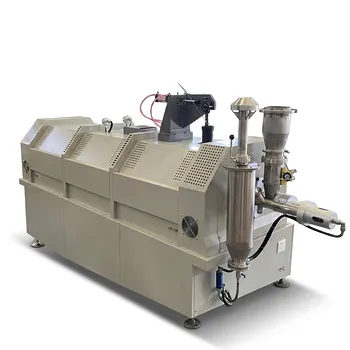
Electric Rotary Kiln Continuous Working Small Rotary Furnace Heating Pyrolysis Plant
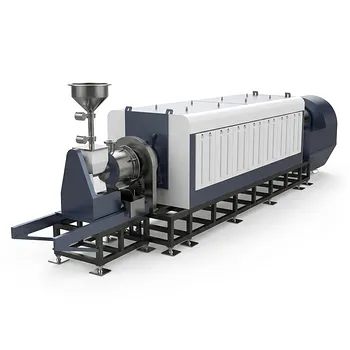
Electric Rotary Kiln Small Rotary Furnace Biomass Pyrolysis Plant
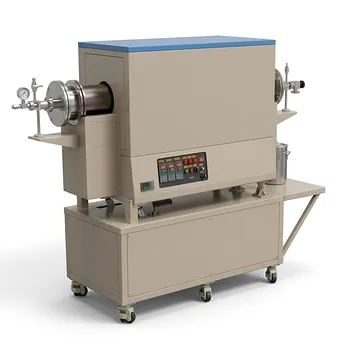
900°C Max Rotary Tube Furnace with 8 Inch 310S Alloy Tube and Optional Multi Zone Heating for Industrial Material Calcination
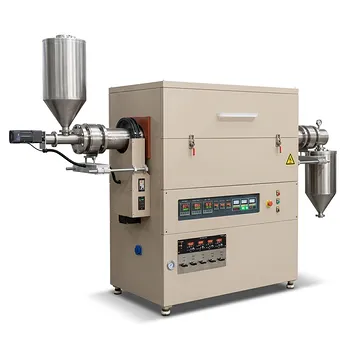
High Temperature Tilting Rotary Tube Furnace with Integrated Mass Flow Control and Multi Zone Heating
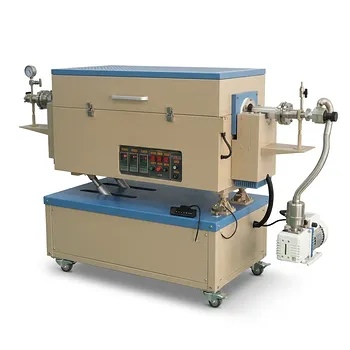
Three Zone Rotary Tube Furnace for High Temperature Powder Processing and Material Research
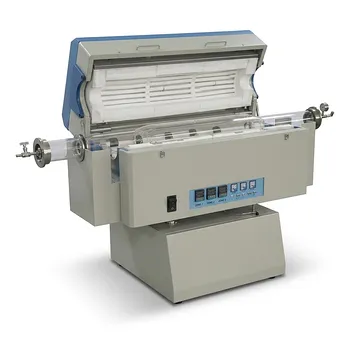
Large Three Temperature Zone Rotating Tube Furnace for High Uniformity Material Sintering

Vertical 1700C Vacuum and Atmosphere Tube Furnace with 80mm Alumina Tube
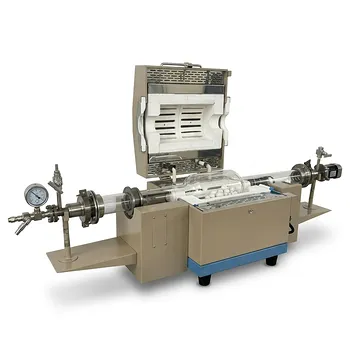
High Temperature Rotary Tube Furnace with Integrated Ball Milling and Gas Flow Function for Powder Nitriding
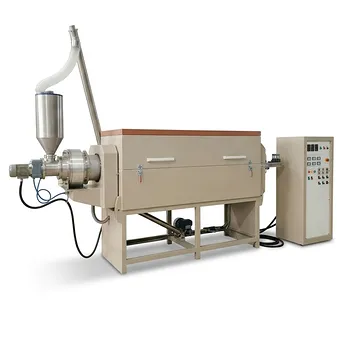
Continuous Feeding Rotary Tube Furnace for Industrial Powder Heat Treatment and Material Research
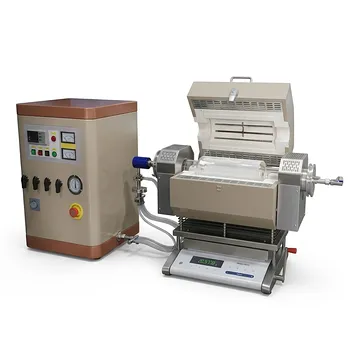
Mini Rotary Tubular Furnaces for Precision Powder Heat Treatment and Thermogravimetric Analysis
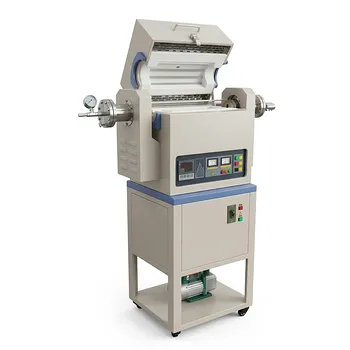
High Temperature Rotary Tilt Tubular Furnaces for Advanced Powder Sintering and Material Processing
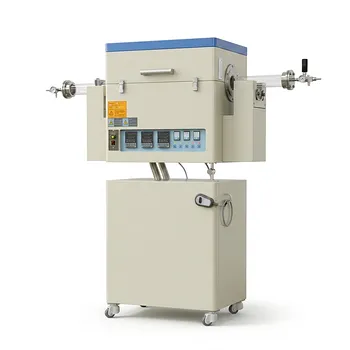
Three Temperature Zone Rotating Tube Furnace for Material Sintering and Controlled Atmospheric Heat Treatment
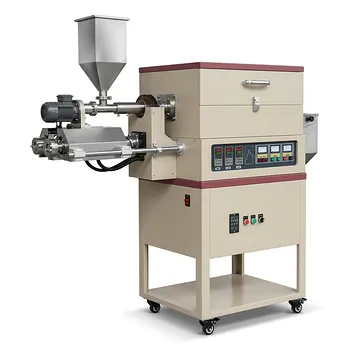
Laboratory Tilting Rotary Tubular Furnaces for Material Science and Industrial Heat Treatment
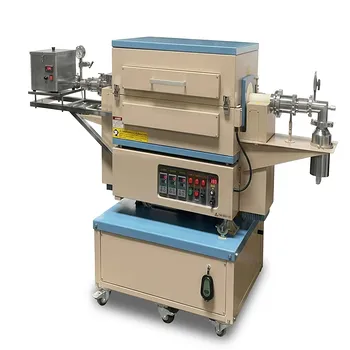
1500C 3-Zone Rotary Tube Furnace 60mm with Automatic Powder Feeding and Receiving System for Continuous Material Synthesis
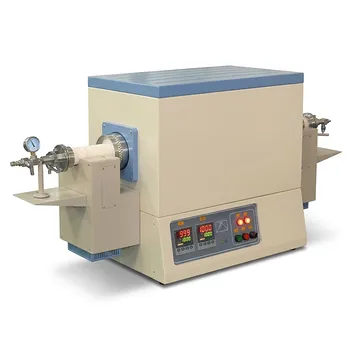
High Temperature 1700C Dual Zone Rotary Tube Furnace with 60mm Alumina Tube and Precision Rotation Control
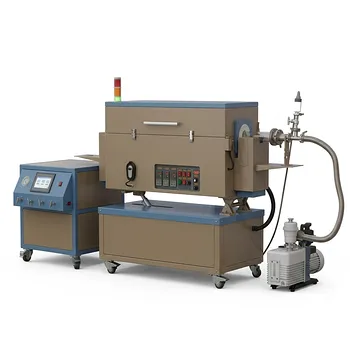
5 Inch Three Zone Rotary Tube Furnace with Integrated Gas Delivery System and 1200C Capability for Advanced Material CVD Processing
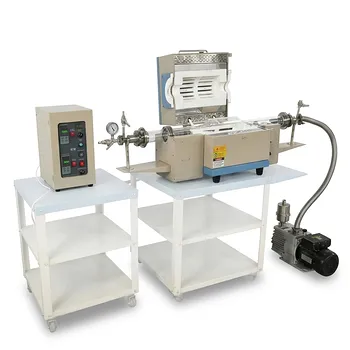
Two Zone Rotary Tube Furnace for Powder CVD Coating and Core Shell Material Synthesis 1100C
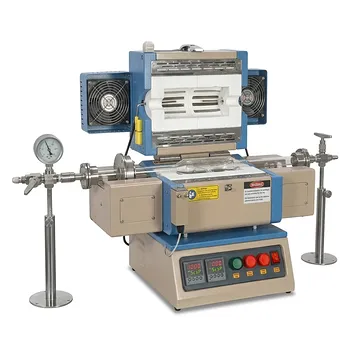
Dual Zone Rotary Tube Furnace for Uniform Powder Calcination 1000C 2 Inch Quartz Tube