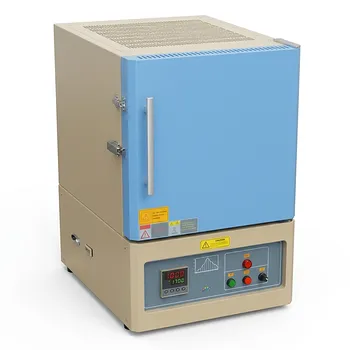
How does the heating mechanism of a muffle furnace differ from that of an open-flame furnace? Indirect vs Direct Heat
Updated 5 months ago
The fundamental difference lies in the separation of the heat source from the target material. While open-flame furnaces rely on direct contact between combustion gases and the sample, a muffle furnace utilizes indirect heating to isolate the material within a refractory chamber. This barrier ensures that the sample is heated by energy transferred through the chamber walls, rather than by the flame itself.
Core Takeaway: A muffle furnace provides a controlled, contaminant-free environment by using refractory walls to shield the sample from combustion byproducts, ensuring superior thermal uniformity and chemical purity compared to open-flame systems.
The Mechanism of Heat Transfer
Direct Contact in Open-Flame Systems
In an open-flame furnace, the material is exposed directly to the products of combustion. Heat is transferred primarily through the flow of hot gases over the surface of the object. This method is often faster for bulk heating but subjects the material to the chemical fluctuations of the flame.
The Indirect Approach of the Muffle Furnace
A muffle furnace generates heat using electric resistance elements or external combustion. This heat must pass through the refractory chamber walls (the "muffle") before reaching the sample. Inside the isolated chamber, heat is distributed evenly through a combination of conduction, convection, and radiation.
The Impact of Isolation on Material Integrity
Protection from Combustion Byproducts
Open-flame heating introduces external elements like soot, ash, and unburned fuel into the process. A muffle furnace acts as a physical barrier, preventing these contaminants from interacting with the sample. This isolation is critical for laboratory work where analytical purity is the highest priority.
Achieving High-Precision Uniformity
Because the muffle walls radiate heat from all sides, the internal temperature remains highly consistent. This eliminates the "hot spots" common in open-flame setups where the fire directly touches the material. Thermal uniformity allows for predictable results in sensitive processes like annealing or calcination.
Atmospheric Control and Chemical Reactions
Maintaining Oxidizing Environments
Muffle furnaces typically operate under an air atmosphere, making them ideal for studying oxidation. Researchers use them to observe how minerals, such as sulfides, convert into sulfates when exposed to high heat. This environment is far more stable than the turbulent, oxygen-depleted zones found within a direct flame.
Simulating Redox Potentials
The isolated chamber allows for a more precise investigation of thermal stability. Unlike vacuum furnaces that create reducing conditions, the muffle furnace supports consistent oxidizing reactions. This control helps professionals understand how different redox potentials affect the molecular structure of a material.
Understanding the Trade-offs
Heating Speed and Energy Efficiency
The indirect heating method of a muffle furnace is inherently slower than direct flame exposure. Energy must first heat the refractory walls before the sample begins to reach the target temperature. This results in a longer ramp-up time and higher energy consumption for the initial startup phase.
Cost and Maintenance Constraints
Muffle furnaces involve complex components like resistance elements and specialized ceramic muffles. These parts can be fragile and may require replacement if the furnace is subjected to rapid thermal cycling. In contrast, open-flame systems are mechanically simpler but offer significantly less control over the final product quality.
Choosing the Right System for Your Application
How to Apply This to Your Project
Selecting between these two mechanisms depends entirely on whether your priority is throughput volume or chemical precision.
- If your primary focus is high-purity laboratory analysis: Choose a muffle furnace to ensure your samples remain free from soot, ash, and combustion gases.
- If your primary focus is rapid bulk heating of raw materials: An open-flame furnace is often more cost-effective when chemical contamination is not a concern.
- If your primary focus is studying oxidation or mineral stability: Utilize the controlled air atmosphere of a muffle furnace to achieve repeatable, scientifically valid results.
The choice of furnace ultimately dictates whether you are simply applying heat or precisely controlling a thermal environment.
Summary Table:
| Feature | Muffle Furnace (Indirect Heating) | Open-Flame Furnace (Direct Heating) |
|---|---|---|
| Heat Source | Isolated via refractory chamber (muffle) | Direct contact with combustion gases |
| Contamination | Minimal; prevents soot, ash, and fuel contact | High risk; sample exposed to byproducts |
| Thermal Uniformity | Excellent; radiated from chamber walls | Poor; prone to localized hot spots |
| Atmosphere Control | High; stable oxidizing environments | Low; turbulent and oxygen-depleted |
| Heating Speed | Slower; requires heating of the muffle | Fast; immediate heat transfer to surface |
| Best Used For | High-purity lab analysis & R&D | Bulk material heating & rapid processing |
Achieve Superior Thermal Precision with THERMUNITS
When your research demands absolute chemical purity and precise temperature control, the choice of equipment is paramount. THERMUNITS is a global leader in high-temperature laboratory equipment, providing the material science and industrial R&D communities with the tools necessary for groundbreaking discoveries.
Whether you require the isolated, contaminant-free environment of a Muffle Furnace or complex systems for specialized applications, we offer a comprehensive suite of solutions, including:
- Muffle, Vacuum, and Atmosphere Furnaces
- Tube, Rotary, and Hot Press Furnaces
- CVD/PECVD Systems and Vacuum Induction Melting (VIM) Furnaces
- Dental Furnaces, Electric Rotary Kilns, and high-performance Thermal Elements
Our equipment is engineered for durability, uniformity, and scientific accuracy. Let our experts help you select the ideal thermal processing solution to enhance your laboratory's efficiency and results.
Contact THERMUNITS Today to Discuss Your Project Requirements
Mentioned Products
- 1200C Muffle Furnace 12x8x5 7.2L Heating Chamber with Quartz Observation Window and Vent Port
- High Temperature 1200C Muffle Furnace 27L Volume 12x12x12 Chamber with Programmable PID Controller for Laboratory Material Science
- 1200C High Temperature 125L Muffle Furnace 5 Side Heating for Large Batch Sintering with Optional Alloy Debinding Chamber
- 1750C Compact Muffle Furnace 1.7L Ultra High Temperature Laboratory Sintering System for Advanced Ceramics and Material Science Research
- 1200C Five Side Heating Muffle Furnace with Sliding Door 125L Volume High Temperature Heat Treatment System for Large Scale Sintering and Annealing
People Also Ask
- What is the function of an experimental muffle furnace in the conversion of FeOOH to α-Fe2O3? Optimize Phase Transition
- Why is a muffle furnace required for MoO2@HCNF pre-oxidation? Crucial Steps for High-Performance Composites
- What is the function of a high-temperature Muffle furnace in removing residual solvents? Essential Bismuth Synthesis
- What is the function of Muffle furnace calcination? Essential steps for Pr-doped SrFeMoO6 Perovskite synthesis.
- What are the primary functions of a Muffle furnace in oxide calcination? Achieve high purity and phase control.

Tech Team · ThermUnits
Last updated on Apr 14, 2026
Related Products
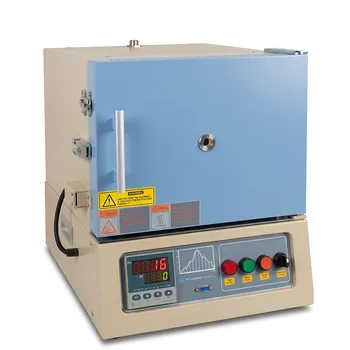
1200C Muffle Furnace 12x8x5 7.2L Heating Chamber with Quartz Observation Window and Vent Port
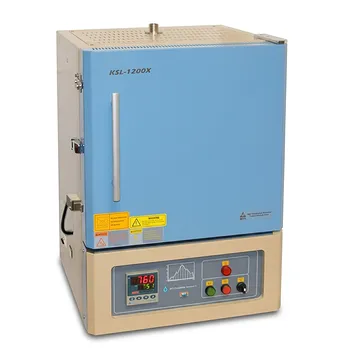
High Temperature 1200C Muffle Furnace 27L Volume 12x12x12 Chamber with Programmable PID Controller for Laboratory Material Science
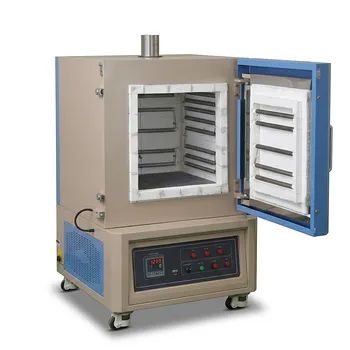
1200C High Temperature 125L Muffle Furnace 5 Side Heating for Large Batch Sintering with Optional Alloy Debinding Chamber
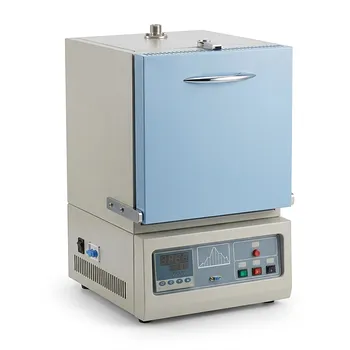
1750C Compact Muffle Furnace 1.7L Ultra High Temperature Laboratory Sintering System for Advanced Ceramics and Material Science Research
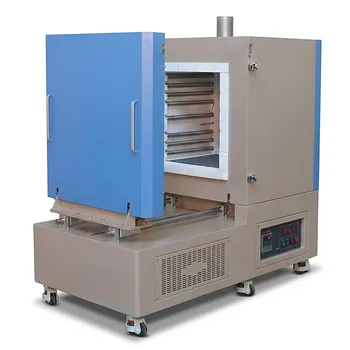
1200C Five Side Heating Muffle Furnace with Sliding Door 125L Volume High Temperature Heat Treatment System for Large Scale Sintering and Annealing
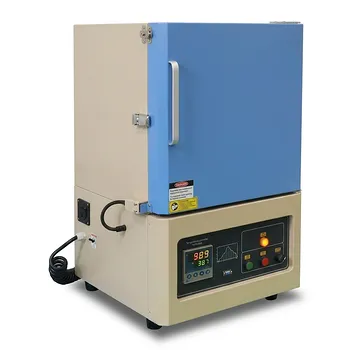
1200°C High Temperature Muffle Furnace 19L Chamber with 50 Segment Programmable Controller
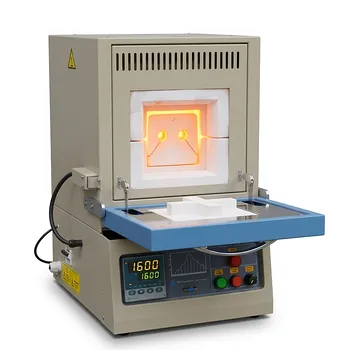
High Temperature Compact Muffle Furnace 1700 C with 30 Segment Programmable Controller and 1.7L Cubic Chamber
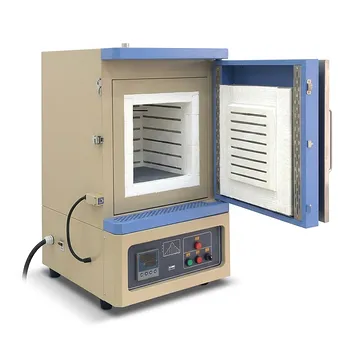
Five Side Heating Muffle Furnace High Purity Alumina Fiber 27L Chamber 1200C High Temperature Thermal Processing System for Sintering Annealing and Materials Research
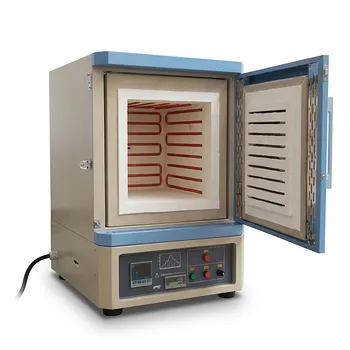
Five Side Heating Muffle Furnace 1200C High Uniformity 64L Chamber 16x16x16 Inch Industrial Heat Treatment
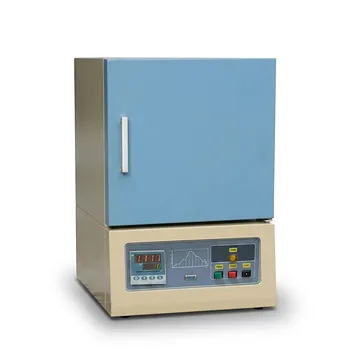
Ultra High Temperature Bench Top Muffle Furnace 1750C Sintering System with Kanthal Super Heating Elements and Precision Digital Control
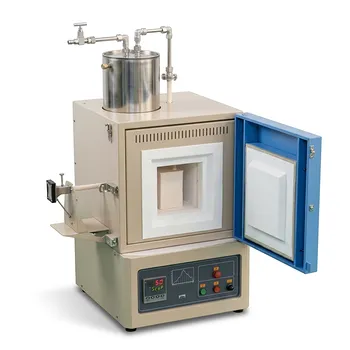
High Temperature Bench Top Muffle Furnace 1700C with Integrated Evaporating Particle Collection and 8x8x8 Alumina Fiber Chamber
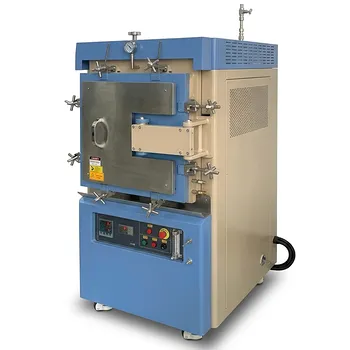
Atmosphere Controlled Muffle Furnace 1700C Maximum Temperature 80L High Capacity Vacuum Inert Gas Box Furnace
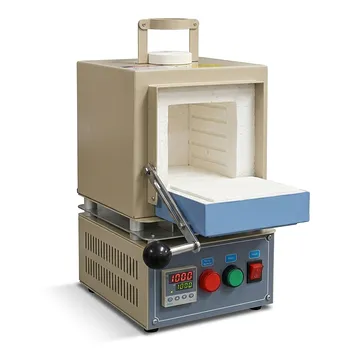
Compact 1000C Muffle Furnace with Programmable Controller and 2 Inch Top Port for Vacuum and Atmosphere Material Research
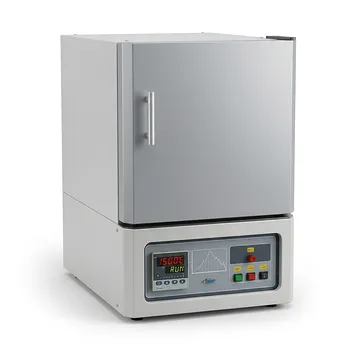
High Temperature 1500C Benchtop Muffle Furnace 3.6L Alumina Fiber Chamber Programmable Controller Sintering Annealing Carbonization Thermal Processing System
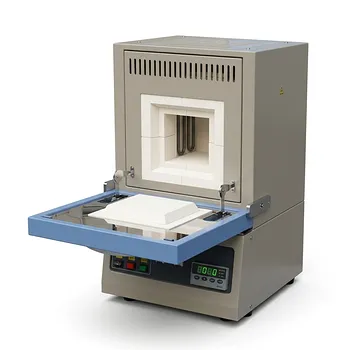
Five Sided Heating Muffle Furnace High Uniformity 1200C Lab Box Furnace 27L Alumina Fiber Chamber
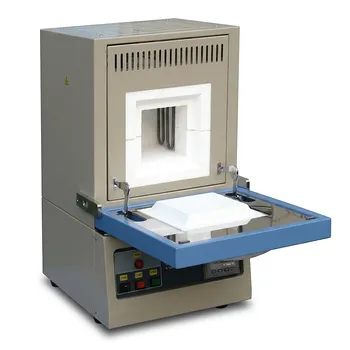
High Temperature 1800C Compact Muffle Furnace with Kanthal Super 1900 Heating Elements and 1.7L Alumina Chamber
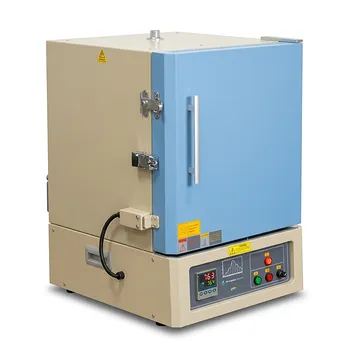
Large Capacity 1200C Muffle Furnace 64 Liter Chamber with Digital PID Controller and Built In Venting Port
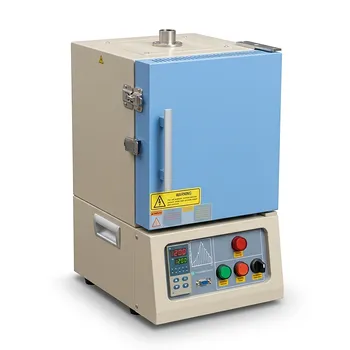
1200°C Small Box Furnace 4.2 Liter Programmable Muffle Furnace with High Purity Alumina Insulation and PID Control
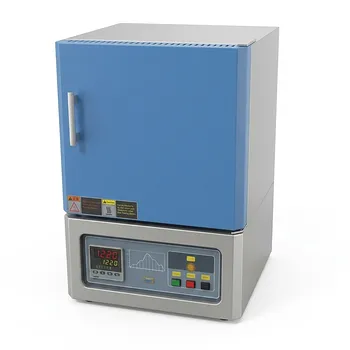
High Temperature Benchtop Muffle Furnace 1700C 10L Chamber Alumina Fiber Insulation MoSi2 Heating Elements