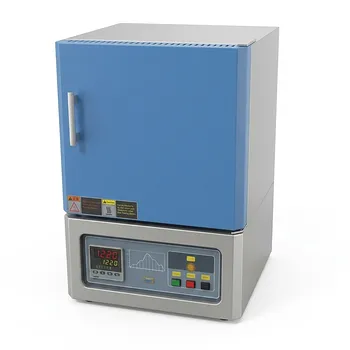
What is the defining feature of a muffle furnace and how does it benefit material processing? Master Material Purity.
Updated 5 months ago
The defining feature of a muffle furnace is the "muffle," an internal chamber that physically isolates the material being heated from the heat source and combustion byproducts. This barrier ensures that samples are never in direct contact with flames, gases, or impurities, providing a pristine environment for high-temperature processing.
Core Takeaway: By isolating the workpiece within a dedicated enclosure, a muffle furnace provides the dual benefits of absolute material purity and exceptional thermal uniformity, which are unattainable in open-flame or direct-heat environments.
The Engineering Behind the Isolation
The Physical Role of the Muffle
The muffle acts as a protective envelope, typically made of high-temperature ceramics or refractories. It prevents soot, ash, and combustion gases from contaminating the sample, which is vital for maintaining the chemical integrity of the material.
Heat Transfer and Uniformity
In modern electric designs, heat is transferred through the muffle walls via conduction, convection, and radiation from resistance heating elements. This creates a stable thermal environment that avoids the hot spots and fluctuations common in traditional open-pit firing or fuel-dependent methods.
Precision Atmospheric Control
Because the inner chamber is separate from the heating elements, it allows for a highly controlled atmosphere. This isolation is the prerequisite for processes requiring specific gas environments or the prevention of unwanted chemical reactions like carburization or decarburization.
Impact on Material Processing
Precision in Quantitative Analysis
Muffle furnaces are indispensable for Loss on Ignition (LOI) and ash analysis in mining and biomass industries. By roasting samples at temperatures often exceeding 800°C, they allow for the precise measurement of fixed carbon and inorganic impurities, which defines the grade and value of the material.
Advanced Metallurgy and Heat Treatment
In metalworking, the furnace is used for annealing, tempering, and sintering powder components. The isolation ensures a consistent microstructure and preserves mechanical properties, which is a critical requirement for high-performance sectors like aerospace and automotive manufacturing.
Facilitating Chemical Synthesis
The furnace provides the specific heating rates—typically between 400°C and 950°C—necessary for the carbonization and activation of biomass. This controlled heat drives the release of volatiles and the formation of complex pore networks, directly determining the final performance of materials like activated carbon.
Understanding the Trade-offs
Heat-up Times and Energy Efficiency
Because the heat must penetrate the muffle wall before reaching the sample, these furnaces may have slower ramp-up times compared to direct-heating methods. This thermal lag requires careful calibration of heating profiles to ensure the sample reaches the target temperature accurately.
Size and Throughput Limitations
Muffle furnaces are generally designed for batch processing rather than continuous flow. Their chamber size is often limited by the structural integrity of the refractory materials, making them better suited for high-value, smaller-scale production or laboratory analysis.
Maintenance of the Refractory Lining
The muffle itself is a consumable component that can degrade over time due to thermal shock or chemical attack. Regular inspection is required to ensure no cracks have formed, as even a small breach in the muffle can lead to sample contamination and element failure.
Applying This to Your Project
How to Choose Based on Your Goals
Selecting a muffle furnace depends heavily on your specific tolerance for contamination and your required temperature precision.
- If your primary focus is analytical chemistry (e.g., Ashing/LOI): Prioritize a furnace with high temperature stability and precise weighing capabilities to ensure accurate quantitative results.
- If your primary focus is material synthesis (e.g., Nano-powders): Look for units that offer programmable heating rates to manage the structural reorganization of the material without inducing thermal stress.
- If your primary focus is metallurgy: Ensure the unit allows for atmospheric control or venting to prevent oxidation and ensure the consistency of the alloy's microstructure.
By leveraging the isolation provided by the muffle, you ensure that your thermal processing is defined by scientific precision rather than environmental variables.
Summary Table:
| Key Feature | Functional Benefit | Primary Applications |
|---|---|---|
| Physical Isolation | Prevents sample contamination from gases/soot | Ashing, Loss on Ignition (LOI), Quantitative Analysis |
| Stable Thermal Environment | Uniform heating via conduction & radiation | Annealing, Tempering, Sintering powder components |
| Controlled Atmosphere | Prevents carburization or unwanted oxidation | Chemical synthesis, Carbonization, Advanced Metallurgy |
| Programmable Control | Precise heating rates to manage thermal stress | Nanoparticle synthesis, Materials R&D |
Elevate Your Lab's Precision with THERMUNITS
As a leading manufacturer of high-temperature laboratory equipment, THERMUNITS provides the advanced thermal processing solutions required for rigorous material science and industrial R&D. Our high-performance Muffle Furnaces are engineered to deliver the isolation and uniformity your critical samples demand.
Whether you need Vacuum, Atmosphere, Tube, or Hot Press furnaces, or specialized systems like CVD/PECVD and VIM, we have the expertise to support your heat treatment goals.
Ready to optimize your thermal processing? Contact THERMUNITS Today to discuss your specific requirements with our experts!
Mentioned Products
- 1200C Muffle Furnace 12x8x5 7.2L Heating Chamber with Quartz Observation Window and Vent Port
- High Temperature 1200C Muffle Furnace 27L Volume 12x12x12 Chamber with Programmable PID Controller for Laboratory Material Science
- 1750C Compact Muffle Furnace 1.7L Ultra High Temperature Laboratory Sintering System for Advanced Ceramics and Material Science Research
- 1200C High Temperature 125L Muffle Furnace 5 Side Heating for Large Batch Sintering with Optional Alloy Debinding Chamber
- Ultra High Temperature Bench Top Muffle Furnace 1750C Sintering System with Kanthal Super Heating Elements and Precision Digital Control
People Also Ask
- What is the function of an experimental muffle furnace in the conversion of FeOOH to α-Fe2O3? Optimize Phase Transition
- Why is a muffle furnace required for MoO2@HCNF pre-oxidation? Crucial Steps for High-Performance Composites
- What is the function of a high-temperature Muffle furnace in removing residual solvents? Essential Bismuth Synthesis
- What is the function of Muffle furnace calcination? Essential steps for Pr-doped SrFeMoO6 Perovskite synthesis.
- What are the primary functions of a Muffle furnace in oxide calcination? Achieve high purity and phase control.

Tech Team · ThermUnits
Last updated on Apr 14, 2026
Related Products
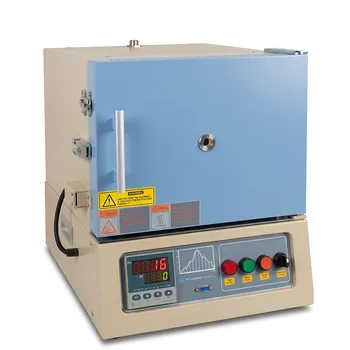
1200C Muffle Furnace 12x8x5 7.2L Heating Chamber with Quartz Observation Window and Vent Port
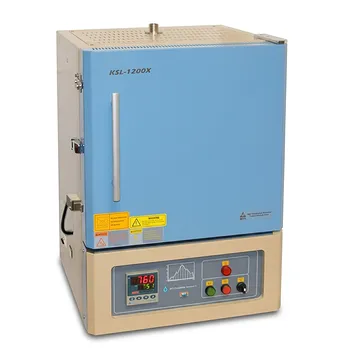
High Temperature 1200C Muffle Furnace 27L Volume 12x12x12 Chamber with Programmable PID Controller for Laboratory Material Science
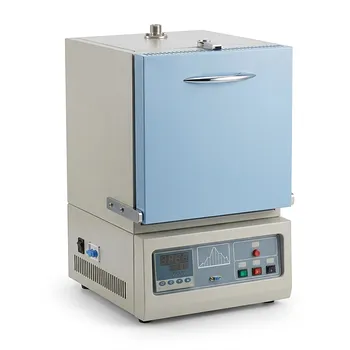
1750C Compact Muffle Furnace 1.7L Ultra High Temperature Laboratory Sintering System for Advanced Ceramics and Material Science Research
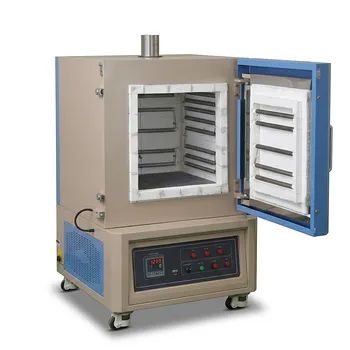
1200C High Temperature 125L Muffle Furnace 5 Side Heating for Large Batch Sintering with Optional Alloy Debinding Chamber
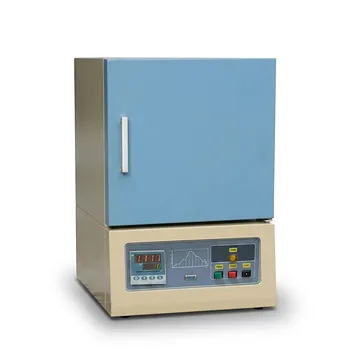
Ultra High Temperature Bench Top Muffle Furnace 1750C Sintering System with Kanthal Super Heating Elements and Precision Digital Control
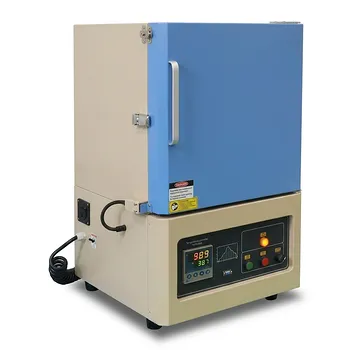
1200°C High Temperature Muffle Furnace 19L Chamber with 50 Segment Programmable Controller
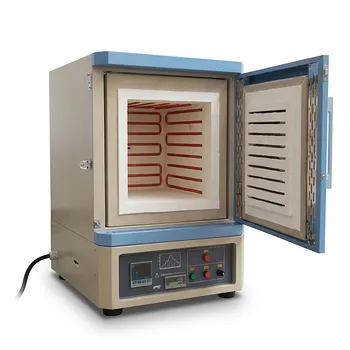
Five Side Heating Muffle Furnace 1200C High Uniformity 64L Chamber 16x16x16 Inch Industrial Heat Treatment
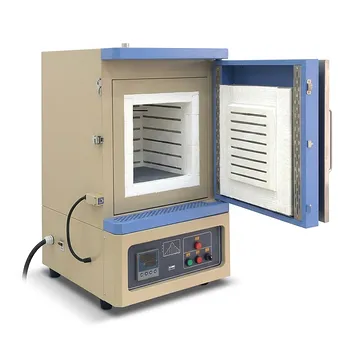
Five Side Heating Muffle Furnace High Purity Alumina Fiber 27L Chamber 1200C High Temperature Thermal Processing System for Sintering Annealing and Materials Research
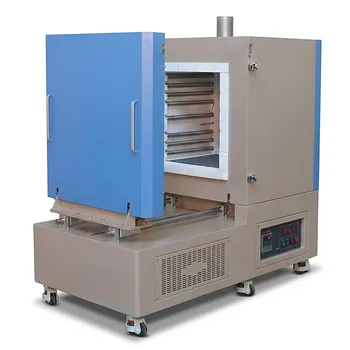
1200C Five Side Heating Muffle Furnace with Sliding Door 125L Volume High Temperature Heat Treatment System for Large Scale Sintering and Annealing
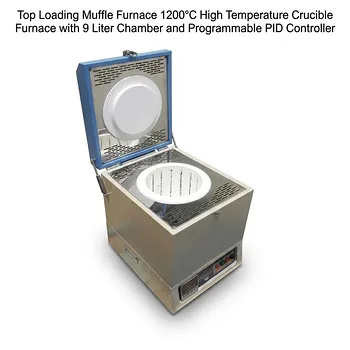
Top Loading Muffle Furnace 1200°C High Temperature Crucible Furnace with 9 Liter Chamber and Programmable PID Controller
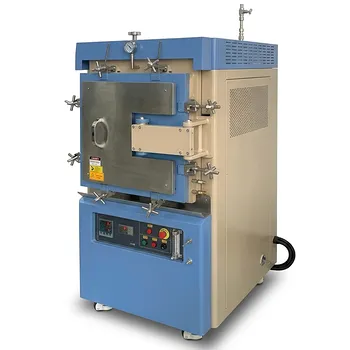
Atmosphere Controlled Muffle Furnace 1700C Maximum Temperature 80L High Capacity Vacuum Inert Gas Box Furnace
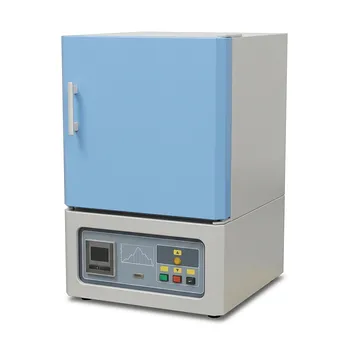
1800C Bench Top Muffle Furnace with Kanthal Super 1900 Heating Elements and 3.6L Alumina Fiber Chamber
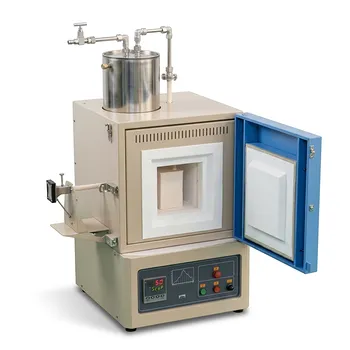
High Temperature Bench Top Muffle Furnace 1700C with Integrated Evaporating Particle Collection and 8x8x8 Alumina Fiber Chamber
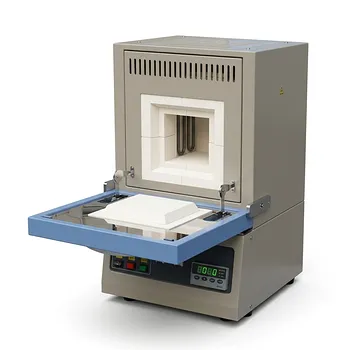
Five Sided Heating Muffle Furnace High Uniformity 1200C Lab Box Furnace 27L Alumina Fiber Chamber
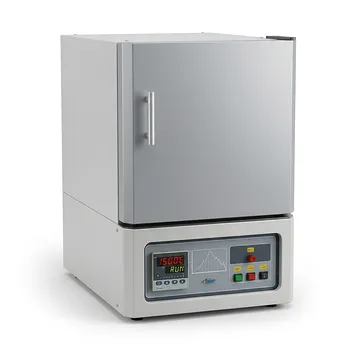
High Temperature 1500C Benchtop Muffle Furnace 3.6L Alumina Fiber Chamber Programmable Controller Sintering Annealing Carbonization Thermal Processing System
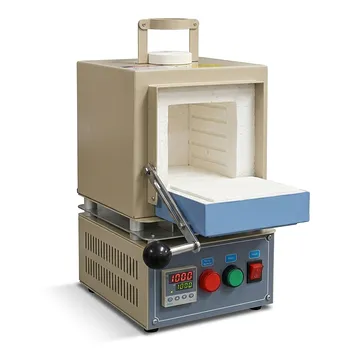
Compact 1000C Muffle Furnace with Programmable Controller and 2 Inch Top Port for Vacuum and Atmosphere Material Research
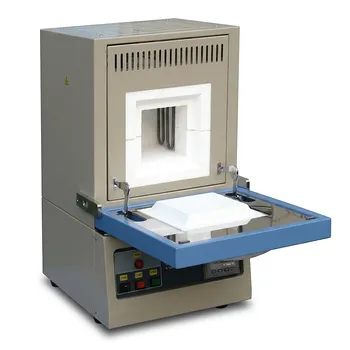
High Temperature 1800C Compact Muffle Furnace with Kanthal Super 1900 Heating Elements and 1.7L Alumina Chamber
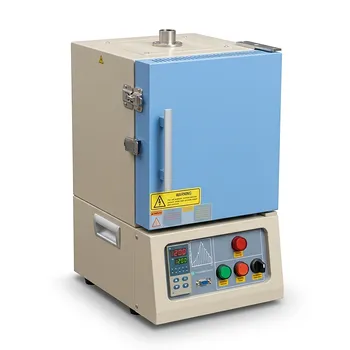
1200°C Small Box Furnace 4.2 Liter Programmable Muffle Furnace with High Purity Alumina Insulation and PID Control
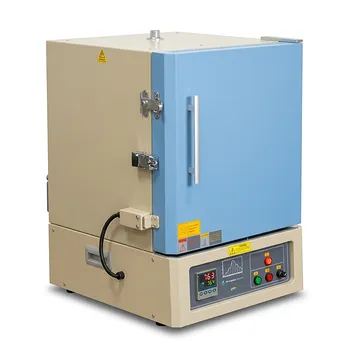
Large Capacity 1200C Muffle Furnace 64 Liter Chamber with Digital PID Controller and Built In Venting Port