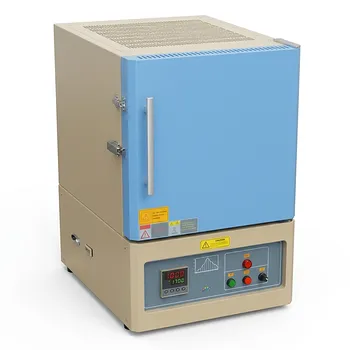
What are the typical operating temperature ranges for standard and advanced muffle furnaces? Expert Temperature Guide.
Updated 5 months ago
Operating temperature ranges for muffle furnaces are primarily dictated by the composition of their heating elements and insulation. Standard muffle furnace models typically operate at temperatures up to 1,200°C, making them suitable for most routine laboratory applications. Advanced units, equipped with specialized heating elements like molybdenum disilicide (MoSi2), are designed for extreme environments and can reach temperatures as high as 1,800°C.
Selecting the correct muffle furnace requires balancing the maximum temperature threshold of the heating elements with the specific thermal requirements of your material. While standard units cover the majority of analytical needs, advanced models are essential for high-purity industrial processes and specialized metallurgical research.
Defining Temperature Ranges by Furnace Type
Standard Muffle Furnace Capabilities
Standard models are the workhorses of the laboratory, typically operating in a range from 500°C to 1,200°C. These units are commonly used for applications such as ash content determination, glass fusing, and general heat treatment of metals.
Advanced High-Temperature Units
When processes require thermal energy beyond the 1,200°C threshold, advanced furnaces utilize specialized heating elements to reach 1,800°C. These temperatures are critical for sintering ceramics, firing high-performance materials, and various research and development tasks in materials science.
Specialized Industrial Alternatives
While muffle furnaces are versatile, other configurations like rotary furnaces typically operate between 500°C and 1,500°C. For processes requiring even more extreme heat, such as those exceeding 2,000°C, vacuum furnaces are often employed to manage the vapor pressures of the materials being processed.
The Engineering Behind the Heat
Heating Element Composition
The primary limiting factor for any furnace is the material of the heating element. While standard elements are efficient up to 1,200°C, the integration of molybdenum disilicide in advanced units allows for stable operation at significantly higher thermal loads.
Thermal Insulation and Refractory Linings
High-temperature performance is also dependent on the quality of the insulation. Refractory linings protect the outer steel shell of the furnace from structural failure, ensuring that the intense internal heat does not compromise the unit's integrity or user safety.
Precision in Metallurgical Processes
Specific temperatures are required for chemical transitions, such as the reduction and smelting of iron oxides. Between 1,400°C and 1,450°C, the thermal energy allows metallic iron to coalesce and separate from slag, a process that requires the higher ceiling of an advanced furnace.
Understanding the Trade-offs
Element Degradation and Longevity
Operating a furnace consistently at its maximum rated temperature will accelerate the degradation of heating elements. To ensure a longer equipment lifespan, it is often advisable to select a furnace with a maximum temperature rating slightly higher than your typical operating need.
Safety and Energy Constraints
High-temperature units require robust safety features, such as door safety switches that cut power to elements when opened. Additionally, as temperatures increase, energy consumption and heat dissipation into the laboratory environment become significant factors that require proper ventilation and infrastructure.
Material Compatibility
Not all materials can be processed in standard atmospheres at high temperatures. At extreme ranges, some materials may react with the heating elements or the atmospheric oxygen, necessitating a move toward controlled atmosphere or vacuum furnaces.
Making the Right Choice for Your Goal
Selecting the appropriate furnace ensures both the success of your thermal process and the longevity of your equipment.
- If your primary focus is routine analytical chemistry or ashing: A standard muffle furnace with a 1,200°C limit is the most cost-effective and efficient choice.
- If your primary focus is ceramic sintering or metallurgical smelting: An advanced unit capable of 1,700°C to 1,800°C is necessary to achieve the required phase separations and material density.
- If your primary focus is processing materials with high vapor pressures: Consider a vacuum furnace instead of a muffle furnace to maintain material purity at temperatures potentially reaching 3,000°C.
Choosing a furnace that aligns with your specific thermal and material requirements will guarantee precise results and long-term operational reliability.
Summary Table:
| Furnace Type | Max Temperature | Heating Elements | Typical Applications |
|---|---|---|---|
| Standard Muffle | Up to 1,200°C | Fe-Cr-Al Alloy | Ashing, glass fusing, general heat treatment |
| Advanced Muffle | Up to 1,800°C | Molybdenum Disilicide (MoSi2) | Ceramic sintering, metallurgical smelting, R&D |
| Rotary Furnace | Up to 1,500°C | Specialized Alloys | Industrial processing, powder calcination |
| Vacuum Furnace | 2,000°C+ | Tungsten / Graphite | High-purity smelting, high vapor pressure materials |
Elevate Your Thermal Research with THERMUNITS
Choosing the right temperature range is critical for the success of your material science and industrial R&D projects. As a leading manufacturer of high-performance laboratory equipment, THERMUNITS provides the precision and durability required for the most demanding thermal processes.
From routine analytical ashing to high-purity sintering, our comprehensive range of solutions includes:
- Precision Furnaces: Muffle, Tube, Atmosphere, and Vacuum models.
- Industrial Solutions: Rotary kilns, Hot Press furnaces, and Vacuum Induction Melting (VIM) systems.
- Specialized Equipment: CVD/PECVD systems, Dental Furnaces, and high-quality Thermal Elements.
Ready to optimize your lab's performance? Contact our technical experts today to find the perfect furnace for your specific temperature and material requirements. Let THERMUNITS empower your next breakthrough.
Mentioned Products
- 1200C Muffle Furnace 12x8x5 7.2L Heating Chamber with Quartz Observation Window and Vent Port
- High Temperature 1200C Muffle Furnace 27L Volume 12x12x12 Chamber with Programmable PID Controller for Laboratory Material Science
- 1200C High Temperature 125L Muffle Furnace 5 Side Heating for Large Batch Sintering with Optional Alloy Debinding Chamber
- 1750C Compact Muffle Furnace 1.7L Ultra High Temperature Laboratory Sintering System for Advanced Ceramics and Material Science Research
- 1200C Five Side Heating Muffle Furnace with Sliding Door 125L Volume High Temperature Heat Treatment System for Large Scale Sintering and Annealing
People Also Ask
- What is the function of an experimental muffle furnace in the conversion of FeOOH to α-Fe2O3? Optimize Phase Transition
- Why is a muffle furnace required for MoO2@HCNF pre-oxidation? Crucial Steps for High-Performance Composites
- What is the function of a high-temperature Muffle furnace in removing residual solvents? Essential Bismuth Synthesis
- What is the function of Muffle furnace calcination? Essential steps for Pr-doped SrFeMoO6 Perovskite synthesis.
- What are the primary functions of a Muffle furnace in oxide calcination? Achieve high purity and phase control.

Tech Team · ThermUnits
Last updated on Apr 14, 2026
Related Products
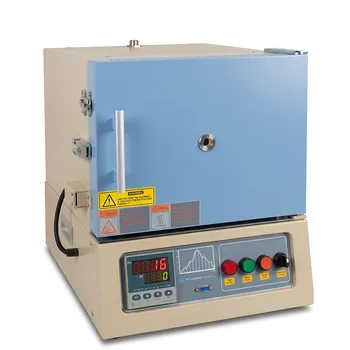
1200C Muffle Furnace 12x8x5 7.2L Heating Chamber with Quartz Observation Window and Vent Port
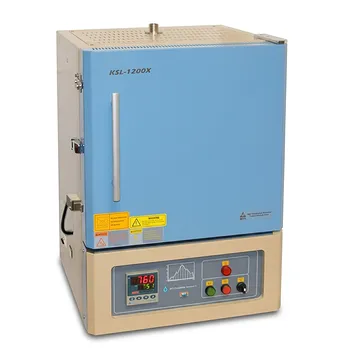
High Temperature 1200C Muffle Furnace 27L Volume 12x12x12 Chamber with Programmable PID Controller for Laboratory Material Science
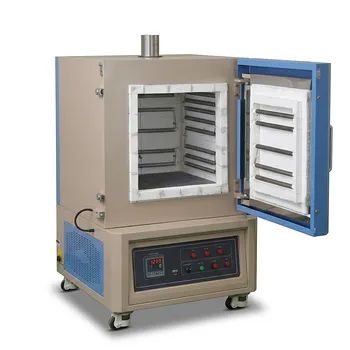
1200C High Temperature 125L Muffle Furnace 5 Side Heating for Large Batch Sintering with Optional Alloy Debinding Chamber
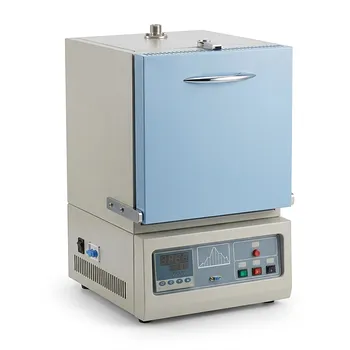
1750C Compact Muffle Furnace 1.7L Ultra High Temperature Laboratory Sintering System for Advanced Ceramics and Material Science Research
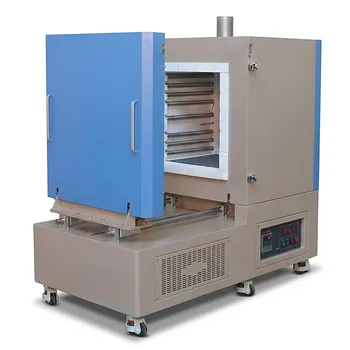
1200C Five Side Heating Muffle Furnace with Sliding Door 125L Volume High Temperature Heat Treatment System for Large Scale Sintering and Annealing
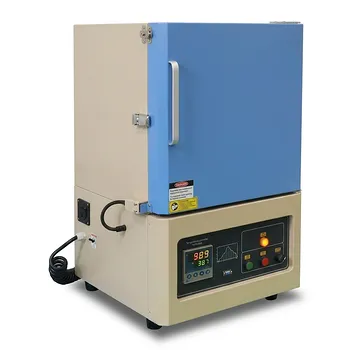
1200°C High Temperature Muffle Furnace 19L Chamber with 50 Segment Programmable Controller
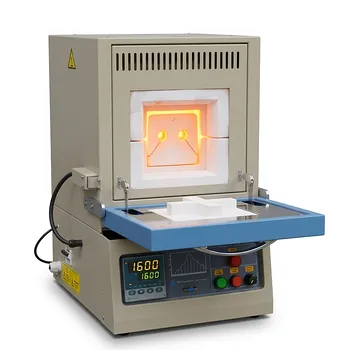
High Temperature Compact Muffle Furnace 1700 C with 30 Segment Programmable Controller and 1.7L Cubic Chamber
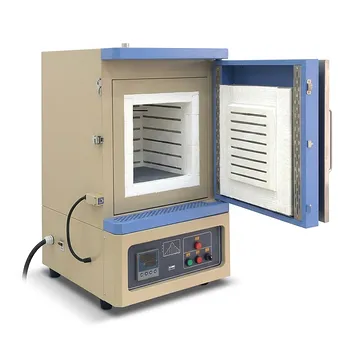
Five Side Heating Muffle Furnace High Purity Alumina Fiber 27L Chamber 1200C High Temperature Thermal Processing System for Sintering Annealing and Materials Research
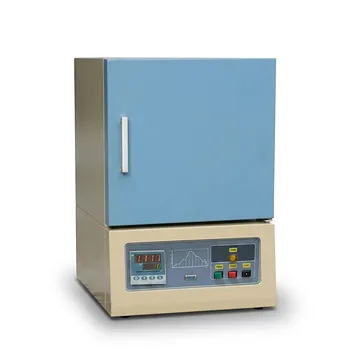
Ultra High Temperature Bench Top Muffle Furnace 1750C Sintering System with Kanthal Super Heating Elements and Precision Digital Control
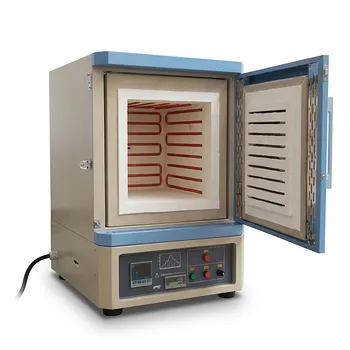
Five Side Heating Muffle Furnace 1200C High Uniformity 64L Chamber 16x16x16 Inch Industrial Heat Treatment
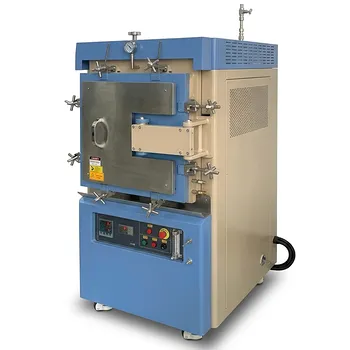
Atmosphere Controlled Muffle Furnace 1700C Maximum Temperature 80L High Capacity Vacuum Inert Gas Box Furnace
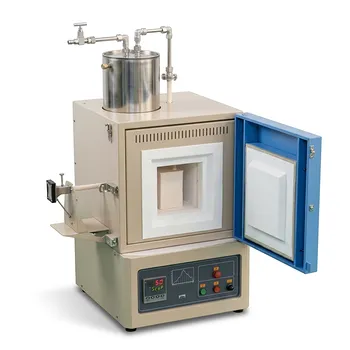
High Temperature Bench Top Muffle Furnace 1700C with Integrated Evaporating Particle Collection and 8x8x8 Alumina Fiber Chamber
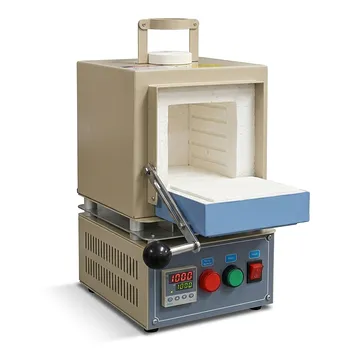
Compact 1000C Muffle Furnace with Programmable Controller and 2 Inch Top Port for Vacuum and Atmosphere Material Research
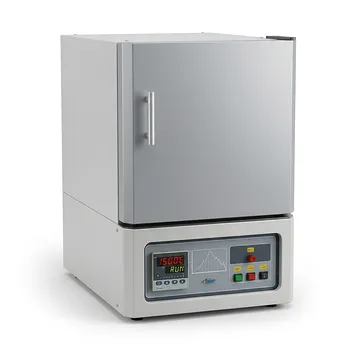
High Temperature 1500C Benchtop Muffle Furnace 3.6L Alumina Fiber Chamber Programmable Controller Sintering Annealing Carbonization Thermal Processing System
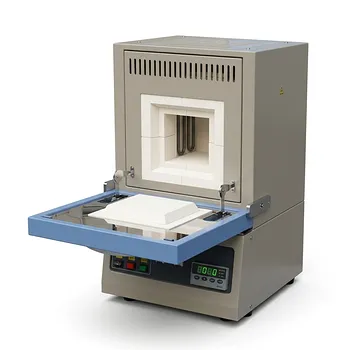
Five Sided Heating Muffle Furnace High Uniformity 1200C Lab Box Furnace 27L Alumina Fiber Chamber
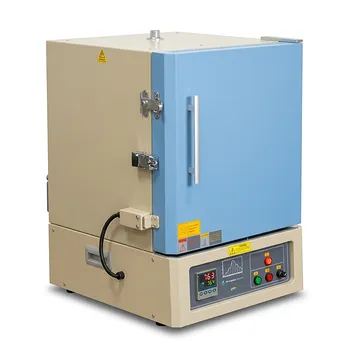
Large Capacity 1200C Muffle Furnace 64 Liter Chamber with Digital PID Controller and Built In Venting Port
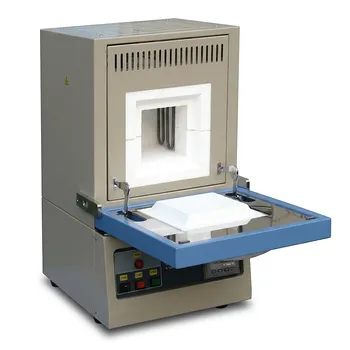
High Temperature 1800C Compact Muffle Furnace with Kanthal Super 1900 Heating Elements and 1.7L Alumina Chamber
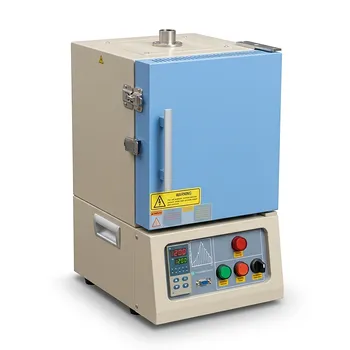
1200°C Small Box Furnace 4.2 Liter Programmable Muffle Furnace with High Purity Alumina Insulation and PID Control
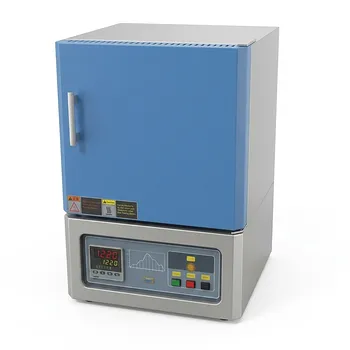
High Temperature Benchtop Muffle Furnace 1700C 10L Chamber Alumina Fiber Insulation MoSi2 Heating Elements