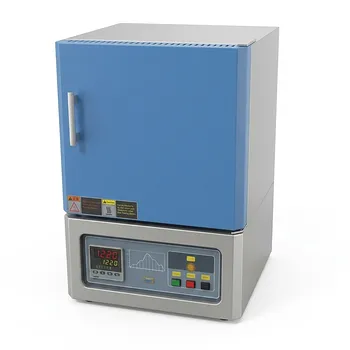
Why is the muffle design advantageous for the production of ceramics and glass? Ensure Purity and Structural Integrity
Updated 5 months ago
The muffle design is the industry standard for ceramics and glass because it creates a physical barrier between the heat source and the material. This isolation prevents direct flame contact, which eliminates the risk of discoloration or surface defects caused by soot and combustion gases. By prioritizing atmospheric purity, the muffle furnace ensures that the chemical composition and visual clarity of the final product remain uncompromised.
The core value of a muffle design is its ability to provide a clean, indirect thermal environment that ensures material purity and structural consistency. This isolation is critical for preventing defects while maximizing the mechanical and optical performance of high-end glass and technical ceramics.
Eliminating Contamination Through Isolation
Prevention of Soot and Discoloration
In traditional open-flame kilns, combustion byproducts like carbon and sulfur can settle on the surface of the workpiece. Muffle furnaces eliminate this risk by containing the combustion or heating elements behind a refractory barrier. This ensures that the aesthetic and chemical integrity of the material is preserved throughout the firing process.
Protecting Vitreous Enamel Coatings
Vitreous enamel is highly sensitive to the chemistry of the surrounding air during the firing cycle. Atmospheric isolation prevents reactive combustion gases from interfering with the bonding process between the enamel and its substrate. This results in a smooth, defect-free finish that is essential for both industrial and decorative applications.
Maintaining Technical Ceramic Standards
Technical ceramics often require precise chemical formulations to achieve specific dielectric or thermal properties. Even trace amounts of combustion gases can introduce impurities that degrade these performance characteristics. The muffle design provides a "clean room" thermal environment that protects these sensitive material compositions.
Achieving Structural and Optical Excellence
High Temperature Uniformity
Because a muffle furnace heats the internal chamber walls which then radiate heat to the workpiece, it provides superior thermal uniformity. This eliminates the "hot spots" often associated with direct burners, ensuring that every part of the object reaches the target temperature simultaneously.
Even Vitrification and Densification
Uniform heat is the primary driver of consistent vitrification, the process by which glass and ceramics transition into a solid, non-porous state. Consistent temperatures across the entire piece prevent internal stresses and ensure a uniform density. This uniformity is what gives the final product its structural reliability.
Enhancing Mechanical and Optical Properties
When a material densifies evenly, its mechanical strength and optical clarity are significantly improved. For glass production, this means fewer internal distortions and bubbles, while for ceramics, it results in higher resistance to fractures. A controlled thermal environment is the only way to achieve these high-performance metrics reliably.
Understanding the Trade-offs
Thermal Inertia and Response Time
The very barrier that protects the material also creates higher thermal inertia, meaning the furnace takes longer to heat up and cool down. This can lead to longer cycle times compared to direct-fired kilns, which may impact throughput in high-volume environments.
Energy Efficiency Considerations
Heating a muffle wall to then heat the internal air and workpiece is inherently less energy-efficient than direct heating. Designers must balance the cost of energy against the high value of the defect-free products that only a muffle furnace can produce.
Maintenance of the Muffle Barrier
The muffle itself is a consumable component that can crack or degrade over time due to thermal shock. Regular inspections are necessary to ensure the barrier remains airtight, as a single breach can introduce the very contaminants the system is designed to exclude.
Making the Right Choice for Your Goal
How to Apply This to Your Project
Selecting the right thermal processing strategy depends on the specific requirements of your material and the desired end-use of the product.
- If your primary focus is surface aesthetics and color purity: Utilize a muffle furnace to ensure that no soot or combustion gases can interact with your glazes or glass batches.
- If your primary focus is mechanical strength and durability: Prioritize muffle designs that offer high temperature uniformity to ensure even densification and the elimination of internal stresses.
- If your primary focus is high-performance technical ceramics: Choose a muffle furnace to maintain a strictly controlled atmosphere, preventing chemical contamination that could compromise technical specifications.
By mastering the balance between isolation and thermal control, you ensure that your ceramics and glass meet the highest standards of quality and performance.
Summary Table:
| Feature | Advantage for Ceramics & Glass | Resulting Impact |
|---|---|---|
| Physical Barrier | Isolates material from heating elements/combustion | Prevents discoloration and soot defects |
| Indirect Radiant Heat | Provides high temperature uniformity across the chamber | Eliminates hot spots; ensures even density |
| Controlled Atmosphere | Creates a "clean room" thermal environment | Preserves chemical and dielectric properties |
| Thermal Isolation | Prevents reactive gas interference with coatings | Achieves smooth, defect-free vitreous finishes |
Optimize Your Thermal Processing with THERMUNITS
At THERMUNITS, we understand that material purity and thermal precision are non-negotiable in advanced R&D and industrial production. As a leading manufacturer of high-temperature laboratory equipment, we provide the specialized tools you need to achieve mechanical and optical excellence.
Our comprehensive range of thermal solutions includes:
- Muffle & Atmosphere Furnaces: For pristine surface aesthetics and controlled environments.
- Vacuum, Tube, and Rotary Furnaces: Tailored for technical ceramics and material synthesis.
- Advanced Systems: Including CVD/PECVD, Hot Press, Dental Furnaces, and Vacuum Induction Melting (VIM).
Ready to eliminate defects and enhance your lab's efficiency? Contact our expert team today to find the ideal furnace configuration for your specific material science requirements.
Mentioned Products
- 1200C Muffle Furnace 12x8x5 7.2L Heating Chamber with Quartz Observation Window and Vent Port
- High Temperature 1200C Muffle Furnace 27L Volume 12x12x12 Chamber with Programmable PID Controller for Laboratory Material Science
- 1200C High Temperature 125L Muffle Furnace 5 Side Heating for Large Batch Sintering with Optional Alloy Debinding Chamber
- 1750C Compact Muffle Furnace 1.7L Ultra High Temperature Laboratory Sintering System for Advanced Ceramics and Material Science Research
- 1200C Five Side Heating Muffle Furnace with Sliding Door 125L Volume High Temperature Heat Treatment System for Large Scale Sintering and Annealing
People Also Ask
- What is the function of an experimental muffle furnace in the conversion of FeOOH to α-Fe2O3? Optimize Phase Transition
- Why is a muffle furnace required for MoO2@HCNF pre-oxidation? Crucial Steps for High-Performance Composites
- What is the function of a high-temperature Muffle furnace in removing residual solvents? Essential Bismuth Synthesis
- What is the function of Muffle furnace calcination? Essential steps for Pr-doped SrFeMoO6 Perovskite synthesis.
- What are the primary functions of a Muffle furnace in oxide calcination? Achieve high purity and phase control.

Tech Team · ThermUnits
Last updated on Apr 14, 2026
Related Products
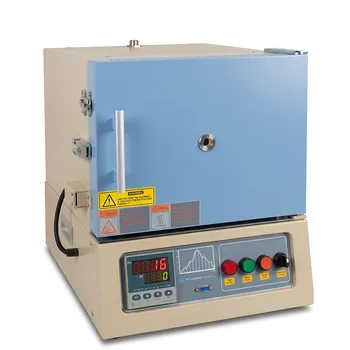
1200C Muffle Furnace 12x8x5 7.2L Heating Chamber with Quartz Observation Window and Vent Port
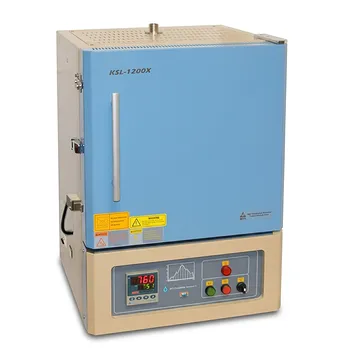
High Temperature 1200C Muffle Furnace 27L Volume 12x12x12 Chamber with Programmable PID Controller for Laboratory Material Science
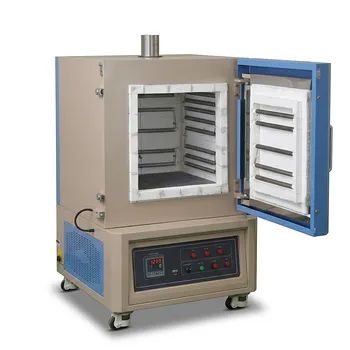
1200C High Temperature 125L Muffle Furnace 5 Side Heating for Large Batch Sintering with Optional Alloy Debinding Chamber
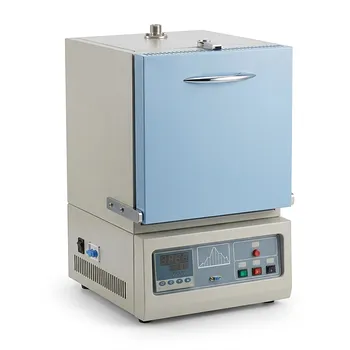
1750C Compact Muffle Furnace 1.7L Ultra High Temperature Laboratory Sintering System for Advanced Ceramics and Material Science Research
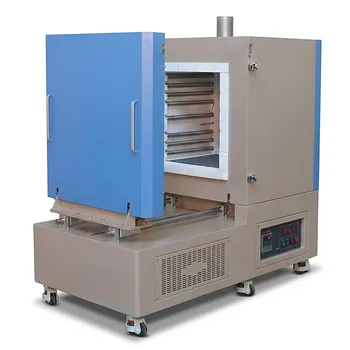
1200C Five Side Heating Muffle Furnace with Sliding Door 125L Volume High Temperature Heat Treatment System for Large Scale Sintering and Annealing
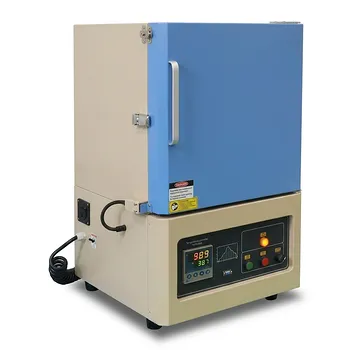
1200°C High Temperature Muffle Furnace 19L Chamber with 50 Segment Programmable Controller
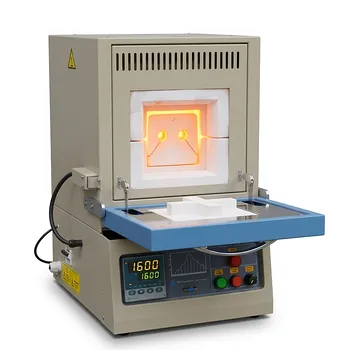
High Temperature Compact Muffle Furnace 1700 C with 30 Segment Programmable Controller and 1.7L Cubic Chamber
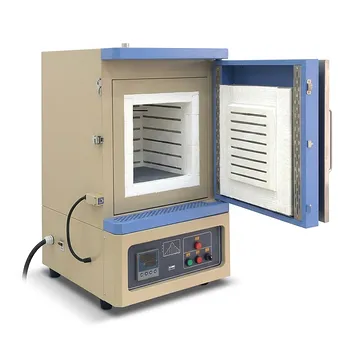
Five Side Heating Muffle Furnace High Purity Alumina Fiber 27L Chamber 1200C High Temperature Thermal Processing System for Sintering Annealing and Materials Research
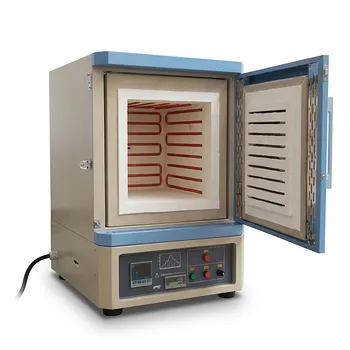
Five Side Heating Muffle Furnace 1200C High Uniformity 64L Chamber 16x16x16 Inch Industrial Heat Treatment
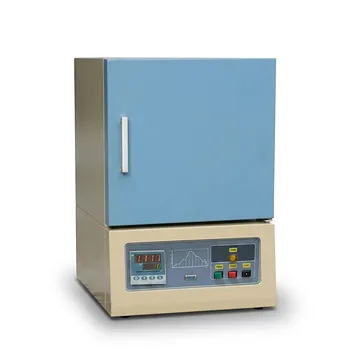
Ultra High Temperature Bench Top Muffle Furnace 1750C Sintering System with Kanthal Super Heating Elements and Precision Digital Control
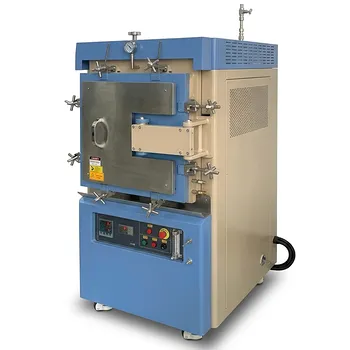
Atmosphere Controlled Muffle Furnace 1700C Maximum Temperature 80L High Capacity Vacuum Inert Gas Box Furnace
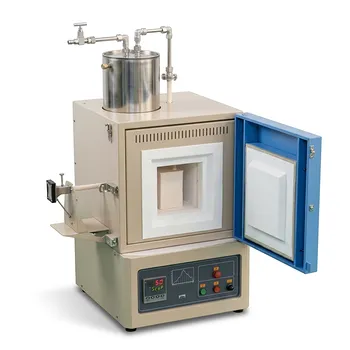
High Temperature Bench Top Muffle Furnace 1700C with Integrated Evaporating Particle Collection and 8x8x8 Alumina Fiber Chamber
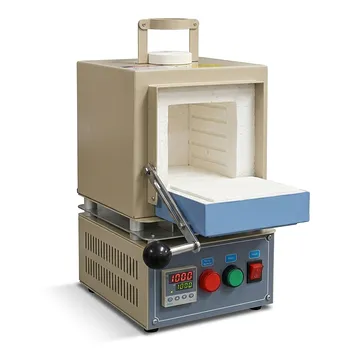
Compact 1000C Muffle Furnace with Programmable Controller and 2 Inch Top Port for Vacuum and Atmosphere Material Research
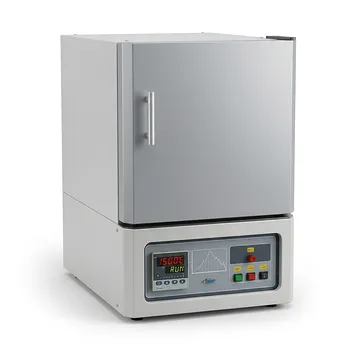
High Temperature 1500C Benchtop Muffle Furnace 3.6L Alumina Fiber Chamber Programmable Controller Sintering Annealing Carbonization Thermal Processing System
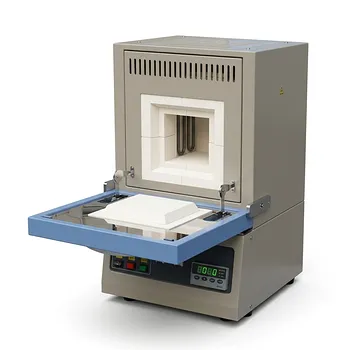
Five Sided Heating Muffle Furnace High Uniformity 1200C Lab Box Furnace 27L Alumina Fiber Chamber
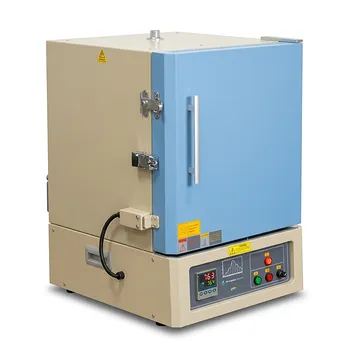
Large Capacity 1200C Muffle Furnace 64 Liter Chamber with Digital PID Controller and Built In Venting Port
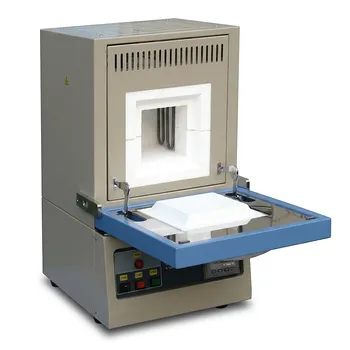
High Temperature 1800C Compact Muffle Furnace with Kanthal Super 1900 Heating Elements and 1.7L Alumina Chamber
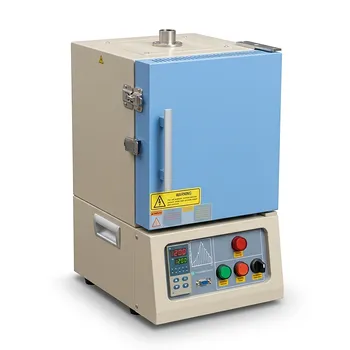
1200°C Small Box Furnace 4.2 Liter Programmable Muffle Furnace with High Purity Alumina Insulation and PID Control
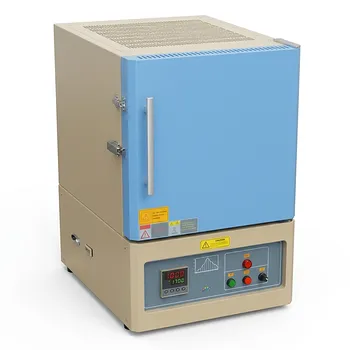
Large Bench Top 1700C High Temperature Muffle Furnace with 19L Chamber for Advanced Material Sintering and Annealing