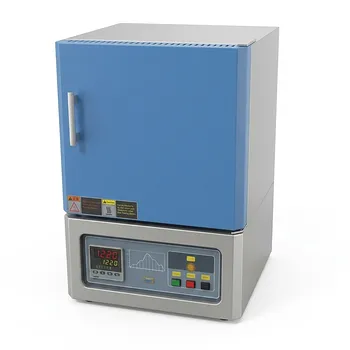
How are muffle furnaces utilized in analytical chemistry and laboratory research for ashing? Master Precise Dry Ashing
Updated 5 months ago
Muffle furnaces are the primary instrument for dry ashing in analytical chemistry, providing the extreme, controlled heat necessary to isolate inorganic residues. By heating samples—such as biomass, polymers, or coal—to temperatures between 500°C and 1,000°C, these furnaces completely combust organic matter and volatiles. This leaves behind a stable mineral ash that can be weighed for quantitative analysis or chemically characterized to determine elemental composition.
The muffle furnace facilitates the complete mineralization of samples by providing a stable, isolated thermal environment. This ensures that mass-loss measurements are accurate and that the resulting inorganic residue is free from contamination by combustion gases or heating elements.
The Role of Muffle Furnaces in Ashing Processes
Thermal Decomposition and Mineralization
The primary function of a muffle furnace is to provide a high-temperature oxidative environment that triggers thermal decomposition. At temperatures typically ranging from 500°C to 1,000°C, organic bonds break down, and carbonaceous materials are converted into gases like CO2.
This process, known as dry ashing, effectively eliminates the organic matrix of a sample. What remains is the non-combustible, inorganic fraction, often referred to as the ash content.
Isolation and Contamination Prevention
The "muffle" design refers to the isolated chamber that separates the sample from the heating elements and combustion gases. This isolation is critical for analytical accuracy because it prevents the sample from being contaminated by debris or chemical byproducts from the furnace itself.
By maintaining a stable thermal field distribution, the furnace ensures that the entire sample reaches the target temperature uniformly. This uniformity is essential for achieving reproducible results in mass-loss measurements.
Precision Control of Thermal Profiles
Modern laboratory muffle furnaces offer high temperature-control precision, allowing researchers to set specific heating rates, such as 10°C per minute. This control is vital for preventing the rapid release of volatiles, which could cause "splattering" and sample loss.
Stable thermal inertia and high-quality insulation allow the furnace to maintain a constant heat treatment environment for extended periods. This stability is necessary to meet rigorous ASTM standards for fuel and material analysis.
Key Applications in Laboratory Research
Quantitative Analysis (LOI and TGA)
Muffle furnaces are used for Loss on Ignition (LOI) and simplified Thermogravimetric Analysis (TGA). By weighing a sample before and after the heating cycle, researchers can quantify the non-volatile and non-combustible content.
This measurement is fundamental in evaluating the quality of raw materials. It helps determine the purity of polymers, the mineral concentration in ores, and the overall inorganic load in a variety of substances.
Fuel and Biomass Characterization
In energy research, ashing is used to analyze coal, charcoal, and biomass to predict their behavior in industrial furnaces. The resulting ash can be analyzed via X-ray Fluorescence (XRF) to identify minerals like silicon, aluminum, and alkali metals.
This data is essential for predicting slagging and fouling tendencies in boilers. It also helps cement producers predict how fuel ash will impact the chemical composition of clinker and the risk of kiln ring formation.
Material Synthesis and Pre-calcination
Beyond simple analysis, muffle furnaces are used for the pre-calcination of precursors in material science. For example, dried plant fibers can be converted into stable ash particles to be used as a high-quality reinforcement phase in metal matrices.
This thermal treatment enhances the chemical purity and physical stability of the ash. It ensures that the resulting material is compatible with subsequent experimental stages or manufacturing processes.
Understanding the Trade-offs and Limitations
Volatilization of Trace Elements
While muffle furnaces are excellent for general ashing, some volatile inorganic elements (like arsenic, mercury, or lead) may be lost at temperatures exceeding 500°C. If your research focuses on these specific trace elements, dry ashing in a standard muffle furnace may yield inaccurate, lower-than-expected results.
Thermal Inertia and Cycle Times
Muffle furnaces are designed for stability, which results in high thermal inertia. This means they take a significant amount of time to reach target temperatures and even longer to cool down. This can create a bottleneck in high-throughput laboratories where rapid sample turnaround is required.
Risk of Sample Sintering
At the higher end of the temperature range (near 1,000°C), some ash components may begin to sinter or melt. This can fuse the ash to the crucible or change its physical structure, potentially complicating subsequent characterization or extraction of the inorganic residue.
How to Apply Muffle Furnace Ashing to Your Project
Making the Right Choice for Your Goal
- If your primary focus is determining total mineral content: Utilize a standard dry ashing protocol at 600°C to ensure the complete removal of carbon without over-volatilizing common minerals.
- If your primary focus is predicting industrial fuel behavior: Set the furnace to 850°C to simulate the high-temperature oxidative environments found in industrial kilns and boilers.
- If your primary focus is subsequent chemical characterization (like XRF): Ensure the use of high-purity ceramic crucibles and the furnace’s muffle isolation to prevent any cross-contamination that could skew elemental data.
By precisely controlling the thermal environment, the muffle furnace transforms complex organic samples into stable inorganic residues, providing the foundation for rigorous analytical and material research.
Summary Table:
| Ashing Application | Key Benefit | Typical Temperature Range |
|---|---|---|
| Dry Ashing | Complete mineralization of organic matter | 500°C – 800°C |
| Loss on Ignition (LOI) | Quantitative analysis of volatile content | 900°C – 1,000°C |
| Fuel Characterization | Predicts slagging & fouling in coal/biomass | 750°C – 850°C |
| Material Synthesis | Pre-calcination for high-purity precursors | 600°C – 1,000°C |
Optimize Your Laboratory Thermal Processing with THERMUNITS
As a leading manufacturer of high-temperature laboratory equipment for material science and industrial R&D, THERMUNITS provides the precision tools you need for reliable analytical results. We offer a comprehensive range of thermal processing solutions, including Muffle, Vacuum, Atmosphere, Tube, Rotary, and Hot Press furnaces, as well as CVD/PECVD systems, Dental Furnaces, electric rotary kilns, and vacuum induction melting furnaces (VIM).
Whether you are performing routine dry ashing or complex material synthesis, our equipment ensures uniform heating and contamination-free environments. Enhance your lab's efficiency and accuracy today—contact our experts at THERMUNITS to discuss your specific heat treatment requirements!
Mentioned Products
- 1200C Muffle Furnace 12x8x5 7.2L Heating Chamber with Quartz Observation Window and Vent Port
- High Temperature 1200C Muffle Furnace 27L Volume 12x12x12 Chamber with Programmable PID Controller for Laboratory Material Science
- 1750C Compact Muffle Furnace 1.7L Ultra High Temperature Laboratory Sintering System for Advanced Ceramics and Material Science Research
- 1200C High Temperature 125L Muffle Furnace 5 Side Heating for Large Batch Sintering with Optional Alloy Debinding Chamber
- Ultra High Temperature Bench Top Muffle Furnace 1750C Sintering System with Kanthal Super Heating Elements and Precision Digital Control
People Also Ask
- What is the function of an experimental muffle furnace in the conversion of FeOOH to α-Fe2O3? Optimize Phase Transition
- Why is a muffle furnace required for MoO2@HCNF pre-oxidation? Crucial Steps for High-Performance Composites
- What is the function of a high-temperature Muffle furnace in removing residual solvents? Essential Bismuth Synthesis
- What is the function of Muffle furnace calcination? Essential steps for Pr-doped SrFeMoO6 Perovskite synthesis.
- What are the primary functions of a Muffle furnace in oxide calcination? Achieve high purity and phase control.

Tech Team · ThermUnits
Last updated on Apr 14, 2026
Related Products
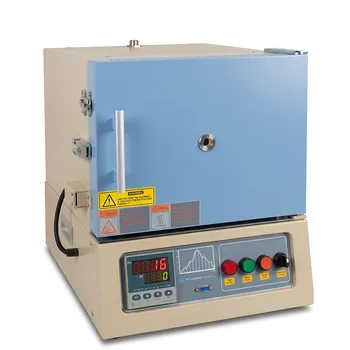
1200C Muffle Furnace 12x8x5 7.2L Heating Chamber with Quartz Observation Window and Vent Port
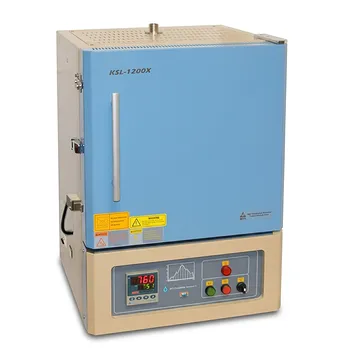
High Temperature 1200C Muffle Furnace 27L Volume 12x12x12 Chamber with Programmable PID Controller for Laboratory Material Science
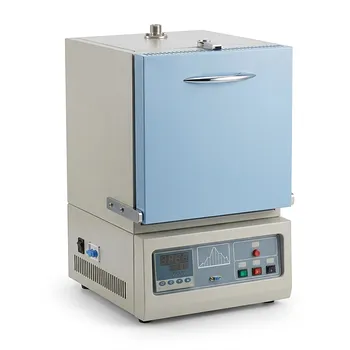
1750C Compact Muffle Furnace 1.7L Ultra High Temperature Laboratory Sintering System for Advanced Ceramics and Material Science Research
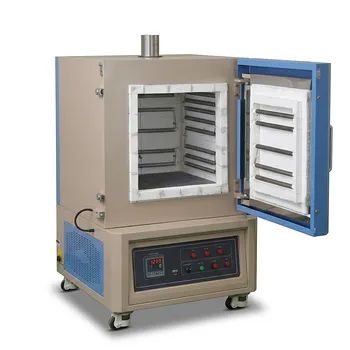
1200C High Temperature 125L Muffle Furnace 5 Side Heating for Large Batch Sintering with Optional Alloy Debinding Chamber
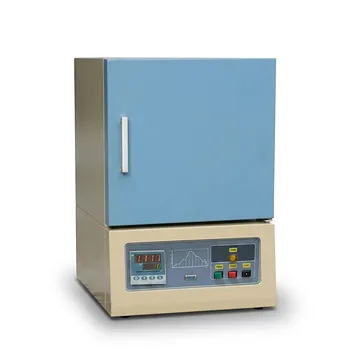
Ultra High Temperature Bench Top Muffle Furnace 1750C Sintering System with Kanthal Super Heating Elements and Precision Digital Control
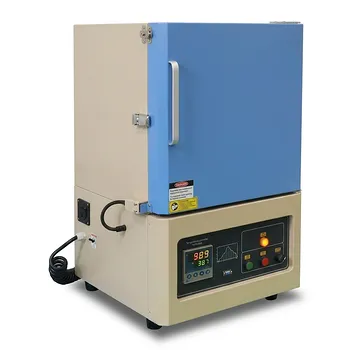
1200°C High Temperature Muffle Furnace 19L Chamber with 50 Segment Programmable Controller
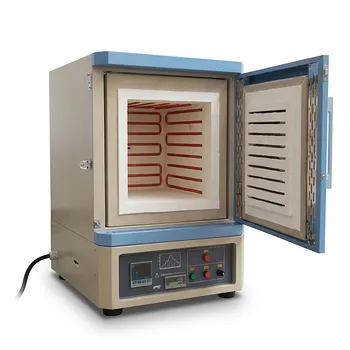
Five Side Heating Muffle Furnace 1200C High Uniformity 64L Chamber 16x16x16 Inch Industrial Heat Treatment
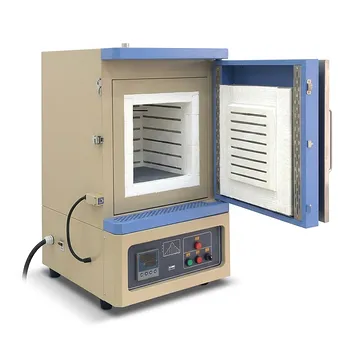
Five Side Heating Muffle Furnace High Purity Alumina Fiber 27L Chamber 1200C High Temperature Thermal Processing System for Sintering Annealing and Materials Research
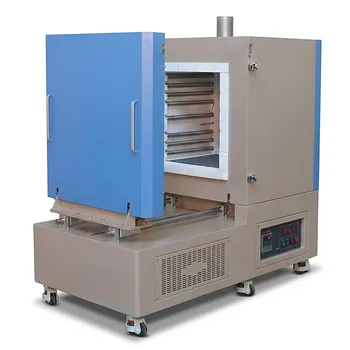
1200C Five Side Heating Muffle Furnace with Sliding Door 125L Volume High Temperature Heat Treatment System for Large Scale Sintering and Annealing
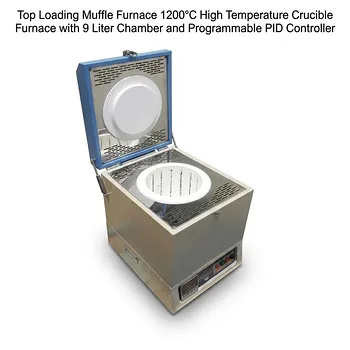
Top Loading Muffle Furnace 1200°C High Temperature Crucible Furnace with 9 Liter Chamber and Programmable PID Controller
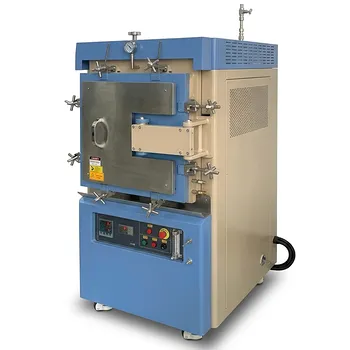
Atmosphere Controlled Muffle Furnace 1700C Maximum Temperature 80L High Capacity Vacuum Inert Gas Box Furnace
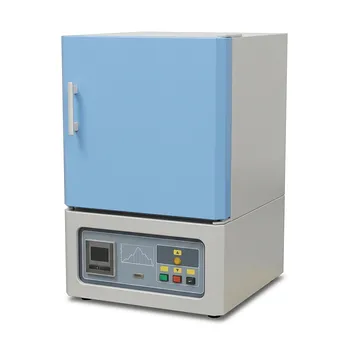
1800C Bench Top Muffle Furnace with Kanthal Super 1900 Heating Elements and 3.6L Alumina Fiber Chamber
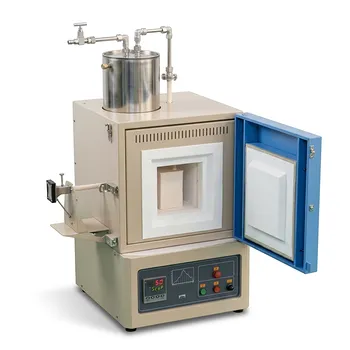
High Temperature Bench Top Muffle Furnace 1700C with Integrated Evaporating Particle Collection and 8x8x8 Alumina Fiber Chamber
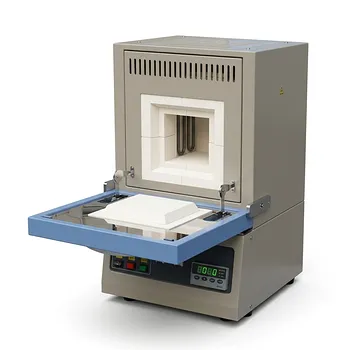
Five Sided Heating Muffle Furnace High Uniformity 1200C Lab Box Furnace 27L Alumina Fiber Chamber
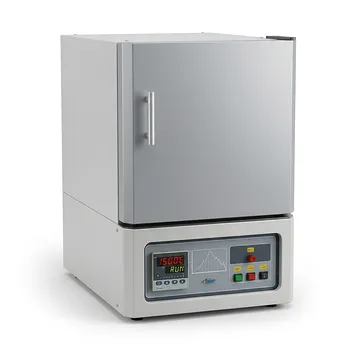
High Temperature 1500C Benchtop Muffle Furnace 3.6L Alumina Fiber Chamber Programmable Controller Sintering Annealing Carbonization Thermal Processing System
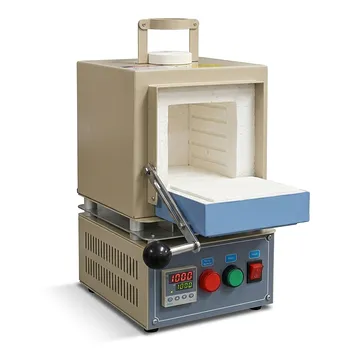
Compact 1000C Muffle Furnace with Programmable Controller and 2 Inch Top Port for Vacuum and Atmosphere Material Research
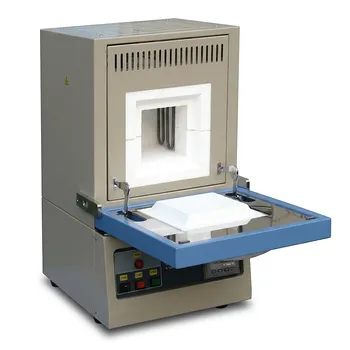
High Temperature 1800C Compact Muffle Furnace with Kanthal Super 1900 Heating Elements and 1.7L Alumina Chamber
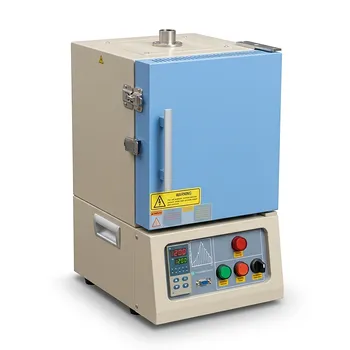
1200°C Small Box Furnace 4.2 Liter Programmable Muffle Furnace with High Purity Alumina Insulation and PID Control
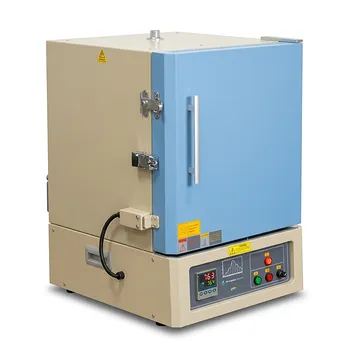
Large Capacity 1200C Muffle Furnace 64 Liter Chamber with Digital PID Controller and Built In Venting Port