What is the function of a specialized metal sleeve with an integrated thermocouple? Enhancing Pyrolysis Precision
Updated 3 months ago
Precision temperature monitoring in high-flow pyrolysis requires a specialized interface to bridge the gap between the heat source and the sample. The metal sleeve functions as a sample carrier that enforces direct, tight physical contact between a thermocouple and micron-scale coal particles. This integration is designed to minimize thermal lag, allowing the sensor to capture the rapid, real-time temperature fluctuations triggered by chemical reactions.
The core function of the specialized metal sleeve is to eliminate the thermal insulation typically found between a sensor and a sample, ensuring that the data captured reflects the actual chemical behavior of the coal rather than the surrounding environment.
The Mechanics of the Integrated Metal Sleeve
Serving as a Robust Sample Carrier
The sleeve acts as a structural housing for micron-scale coal particles during high-flow experiments. This ensures the sample remains contained and properly positioned within the reactor's high-temperature zone.
Ensuring Direct Physical Contact
The design forces a tight physical interface between the coal particles and the thermocouple tip. By removing the gap between the sensor and the sample, the sleeve ensures that heat is transferred via conduction rather than slower convection or radiation.
Facilitating High-Flow Stability
In high-flow environments, turbulence can often displace small samples or cause erratic sensor readings. The specialized sleeve provides the mechanical stability necessary to keep the sample in constant contact with the sensor throughout the experiment.
Overcoming Thermal Measurement Challenges
Minimizing Thermal Lag
Thermal lag occurs when there is a delay between a temperature change in the sample and the sensor’s detection of that change. The metal sleeve's high conductivity and direct contact design significantly reduce this delay, providing near-instantaneous data.
Capturing Real-Time Reaction Data
Chemical reactions within coal particles can be highly dynamic, creating sudden thermal spikes or drops. The sensitivity provided by the sleeve allows the thermocouple to record these real-time fluctuations, which are critical for understanding reaction kinetics.
Improving Accuracy in High-Heat Environments
Standard sensors often measure the temperature of the gas or the reactor wall rather than the sample itself. This specialized carrier ensures the measurement is sample-specific, providing a more accurate representation of the coal's thermal state.
Understanding the Trade-offs
Material Compatibility and Contamination
The choice of metal for the sleeve is critical; it must be chemically inert at high temperatures. If the metal reacts with the coal particles, it can lead to catalytic effects that skew the experimental results.
Scaling and Sample Size Limitations
This specialized design is specifically optimized for micron-scale particles. Attempting to use larger coal fragments may prevent tight physical contact, reintroduced thermal lag, and compromise the integrity of the real-time data.
Optimizing Your Pyrolysis Experiment
If you are implementing specialized sleeves in your thermal analysis, consider the following goals:
- If your primary focus is reaction kinetics: Prioritize the tightness of the physical contact to ensure every micro-fluctuation in temperature is captured.
- If your primary focus is data repeatability: Ensure the sleeve material has a consistent thermal expansion coefficient to maintain contact integrity across multiple heating cycles.
By ensuring a direct physical link between the sensor and the particle, the specialized metal sleeve transforms the thermocouple from a general monitor into a high-precision diagnostic tool for chemical analysis.
Summary Table:
| Feature | Primary Function | Key Experimental Benefit |
|---|---|---|
| Sample Carrier | Houses micron-scale particles | Ensures stable positioning in high-flow zones |
| Integrated Interface | Forces direct physical contact | Eliminates thermal insulation and lag |
| High Conductivity | Facilitates rapid heat transfer | Captures real-time reaction kinetics/spikes |
| Mechanical Shield | Provides structural stability | Prevents sample displacement during turbulence |
| Sensor Precision | Sample-specific measurement | Avoids inaccurate gas/wall temperature readings |
Elevate Your Thermal Research with THERMUNITS
Precise temperature control and sample integrity are the cornerstones of successful material science research. THERMUNITS is a leading manufacturer of high-temperature laboratory equipment, providing advanced thermal processing solutions for industrial R&D and academic excellence.
Whether you are conducting high-flow pyrolysis or complex material synthesis, our comprehensive range of equipment—including Tube, Muffle, Vacuum, and Atmosphere Furnaces, CVD/PECVD systems, Rotary Kilns, and Vacuum Induction Melting (VIM) furnaces—is engineered for unmatched accuracy and reliability.
Don't let thermal lag or inconsistent heating compromise your data. Contact us today to discover how our high-precision furnaces and thermal elements can optimize your laboratory’s performance.
References
- Stupak Yurii. THE METHOD OF DIFFERENTIAL THERMAL ANALYSIS IN STUDIES OF THE SOLID PULVERIZED FUEL DESTRUCTION AT A HIGH HEATING RATE. DOI: 10.34185/1991-7848.itmm.2024.01.014
Mentioned Products
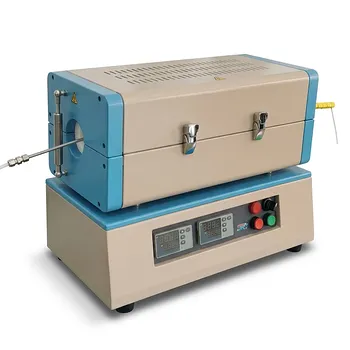
- Gas Pre-Heating Tube Furnace for High Temperature Pyrolysis Reactors and Material Science Research
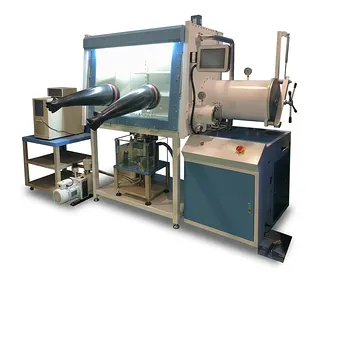
- High Temperature Induction Melting System with Integrated Ultra High Purity Glove Box for Metallic Alloy Processing
People Also Ask
- What is the function of a preheated high-temperature tube furnace in the rapid pyrolysis synthesis of carbon nitride films?
- What is the role of a high-temperature tube furnace in coal powder pyrolysis benchmarking? Achieve Precise Baselines.
- Why is high-precision temperature control essential in a pyrolysis furnace? Master Pd NPs/NO-C Catalyst Synthesis
- How does a high-temperature tube furnace facilitate the pyrolysis of PR-ZS hybrid aerogels into carbon aerogels?
- How is a laboratory tube heating furnace applied during the evaluation of denitration catalysts? Essential Guide

Tech Team · ThermUnits
Last updated on Jun 02, 2026