Why is high-precision temperature control essential in a pyrolysis furnace? Master Pd NPs/NO-C Catalyst Synthesis
Updated 3 months ago
High-precision temperature control is the fundamental determinant of a catalyst's structural integrity and catalytic efficiency. In the synthesis of Pd NPs/NO-C (Palladium Nanoparticles on Nitrogen/Oxygen-doped Carbon), precise thermal regulation dictates the degree of carbon graphitization, the specific pore architecture, and the concentration of nitrogen and oxygen dopants. These variables collectively control the size and dispersion of palladium nanoparticles, which directly dictates the catalyst's performance in applications like electrocatalytic hydrodechlorination.
Temperature serves as the primary dial for tuning the catalyst’s micro-environment. Precise control ensures that the carbon support reaches the ideal level of doping and porosity while preventing the sintering of palladium nanoparticles, thereby maximizing active surface area and catalytic activity.
Managing the Carbon Support Architecture
Optimization of Graphitization and Porosity
The degree of graphitization—the arrangement of carbon atoms into ordered sheets—is highly sensitive to temperature fluctuations between 400°C and 1000°C. High-precision control ensures the carbon support achieves the necessary electrical conductivity without collapsing the delicate pore structure required for mass transport.
Regulating Nitrogen and Oxygen Doping Levels
The incorporation of nitrogen and oxygen atoms into the carbon lattice is a thermally driven process. Accurate temperature management allows for the synergistic doping of these elements, which creates active sites and improves the anchoring of palladium atoms to the support.
Facilitating Controlled Precursor Decomposition
Using precursors like Salen-Pd requires a stable heating curve to ensure controlled thermal decomposition. Precise regulation prevents the rapid release of volatiles, which could otherwise disrupt the formation of a uniform carbon matrix.
Controlling Metal Nanoparticle Morphology
Preventing Particle Sintering and Agglomeration
Palladium nanoparticles are prone to sintering—the merging of small particles into larger, less active masses—at elevated temperatures. Maintaining an exact temperature prevents excessive thermal energy from driving this growth, keeping the particles within the optimal size range for catalysis.
Enhancing Palladium Dispersion
Uniform heat distribution within the furnace ensures that palladium is highly dispersed across the nitrogen/oxygen-doped carbon framework. This maximizes the active surface area, ensuring that more metal atoms are available to participate in chemical reactions.
Achieving Thermodynamic Stability
Precise isothermal periods allow for the thermodynamic anchoring of metal atoms onto the support. This stability is critical for preventing the leaching or migration of palladium during rigorous electrocatalytic processes.
Understanding the Trade-offs
Thermal Stability vs. Surface Area
Higher pyrolysis temperatures generally improve the thermal and chemical stability of the carbon support through increased graphitization. However, this often comes at the cost of reduced surface area and the loss of functional nitrogen/oxygen groups, which can diminish overall catalytic activity.
The Risk of Over-Cracking and Coking
Fluctuations above the target range can lead to over-cracking of the organic precursors, resulting in the formation of low-value gases. Conversely, insufficient heat can lead to severe coking or incomplete carbonization, leaving behind impurities that block active catalytic sites.
Atmospheric Interference
While temperature is the primary focus, it cannot be decoupled from atmosphere control. Even with precise heat, the presence of trace oxygen can cause the oxidation of palladium or the premature combustion of the carbon support, highlighting the need for a stable, inert environment (such as argon flow).
Strategies for Precise Thermal Synthesis
To achieve the best results in Pd NPs/NO-C synthesis, the heating protocol must be tailored to the specific requirements of the intended application.
- If your primary focus is maximal catalytic surface area: Use a lower temperature range (near 400°C–600°C) with a slow heating rate to minimize palladium nanoparticle growth and preserve high dopant concentrations.
- If your primary focus is electronic conductivity and durability: Prioritize higher temperatures (800°C–1000°C) to enhance the graphitic nature of the carbon support, accepting the trade-off of slightly larger particle sizes.
- If your primary focus is phase purity and ordered structure: Utilize multi-zone heating furnaces to ensure a strictly isothermal environment and a precise cooling curve to lock in the desired atomic arrangement.
Precise thermal management is not just a process requirement but a sophisticated design tool for engineering high-performance catalysts at the atomic level.
Summary Table:
| Factor | Influence of Temperature Precision | Catalyst Outcome |
|---|---|---|
| Carbon Support | Controls graphitization & pore architecture | Enhanced conductivity & mass transport |
| Pd Nanoparticles | Prevents thermal sintering & agglomeration | Higher active surface area & dispersion |
| Dopant Levels | Regulates N/O atom incorporation | Synergistic active sites & atom anchoring |
| Stability | Manages precursor decomposition rates | Uniform matrix without coking or impurities |
Elevate Your Catalyst Research with THERMUNITS
Precise thermal processing is the key to unlocking the full potential of your material synthesis. As a leading manufacturer of high-temperature laboratory equipment, THERMUNITS provides the precision and reliability required for advanced material science and industrial R&D.
Our comprehensive range of thermal solutions includes:
- Atmosphere & Vacuum Furnaces for controlled inert environments.
- Tube & Rotary Furnaces for continuous or batch pyrolysis.
- CVD/PECVD Systems for sophisticated doping and coating.
- VIM & Hot Press Furnaces for specialized metal and material processing.
Whether you are synthesizing Pd NPs/NO-C catalysts or developing new energy materials, our expert team is ready to provide tailored heat treatment equipment to meet your exact specifications.
Ready to optimize your thermal synthesis? Contact us today to discuss your project!
References
- Xue‐Feng Cheng, Jianmei Lu. N, O Co‐Doping Enhanced Adsorption of Chloramphenicol for Highly Efficient and Robust Electrocatalytic Hydrodechlorination. DOI: 10.1002/cjoc.202400293
Mentioned Products
- 1500C Three Zone Vertical Pyrolysis Furnace for Nanoparticle Synthesis and Advanced Oxide Coating
- Electric Rotary Kiln Small Rotary Furnace Biomass Pyrolysis Plant
- Gas Pre-Heating Tube Furnace for High Temperature Pyrolysis Reactors and Material Science Research
- Electric Rotary Kiln Continuous Working Small Rotary Furnace Heating Pyrolysis Plant
- High Temperature 1700C Vertical Tube Furnace for Powder Spherification and Material Sintering
People Also Ask
- Why is Nitrogen (N2) required for 3D carbon electrodes? Ensure material purity and structural integrity.
- What is the technical necessity of multiple high-temperature thermocouples in a pyrolysis furnace? Precision Control
- Why is it necessary to maintain a strict nitrogen (N2) atmosphere during the operation of a pyrolysis furnace? (Pro Tips)
- Why are precise nitrogen supply systems and flow meters necessary in the pyrolysis process? Optimize Purity & Yield.
- What is the role of a high-temperature tube furnace in coal powder pyrolysis benchmarking? Achieve Precise Baselines.

Tech Team · ThermUnits
Last updated on Jun 02, 2026
Related Products
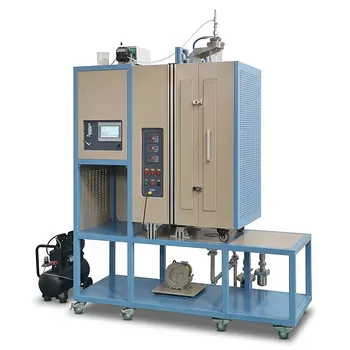
1500C Three Zone Vertical Pyrolysis Furnace for Nanoparticle Synthesis and Advanced Oxide Coating
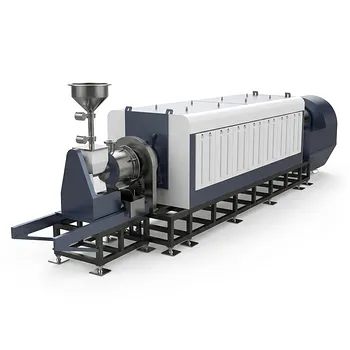
Electric Rotary Kiln Small Rotary Furnace Biomass Pyrolysis Plant
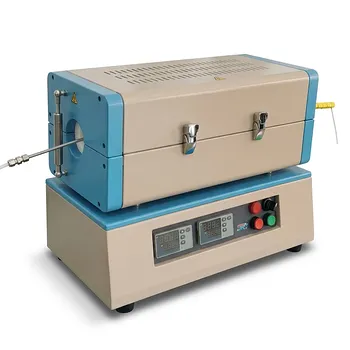
Gas Pre-Heating Tube Furnace for High Temperature Pyrolysis Reactors and Material Science Research
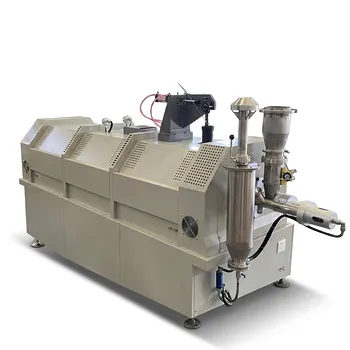
Electric Rotary Kiln Continuous Working Small Rotary Furnace Heating Pyrolysis Plant

High Temperature 1700C Vertical Tube Furnace for Powder Spherification and Material Sintering
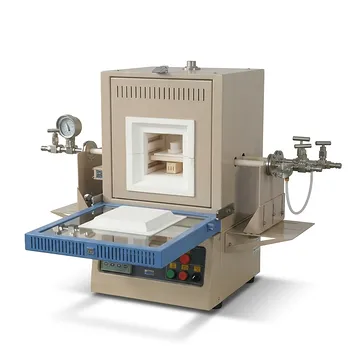
1700C Compact Hybrid Furnace with Dual Layer Box Sintering and Controlled Atmosphere Alumina Tubes
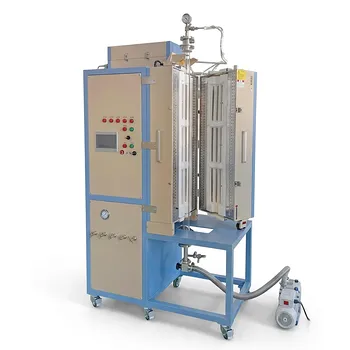
1200C Three Zone Vertical Fixed Fluidized Bed Furnace for Methane Reforming and Fischer Tropsch Reactions

1100C Tube Furnace with Vacuum Flange and Programmable Temperature Controller for Material Science and Industrial Heat Treatment
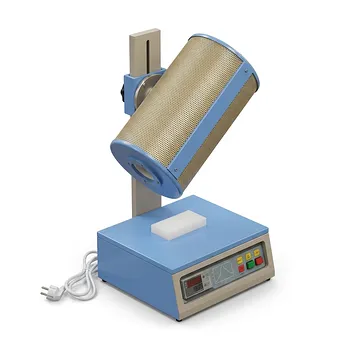
1100°C Vertical Laboratory Furnace for DIY Tubular Reactors with PID Temperature Controller
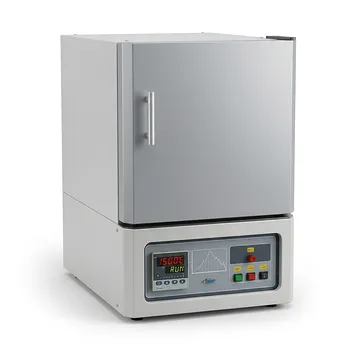
High Temperature 1500C Benchtop Muffle Furnace 3.6L Alumina Fiber Chamber Programmable Controller Sintering Annealing Carbonization Thermal Processing System
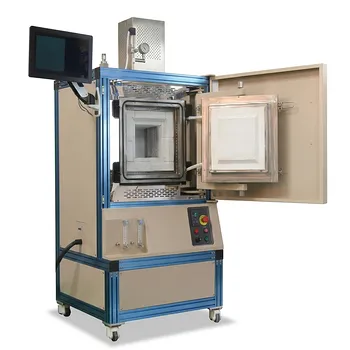
High Temperature Hydrogen Atmosphere Box Furnace 1650C Max Reducing Environment Material Synthesis System 8x8x8 Chamber

High Temperature 1700C Six Zone Split Tube Furnace with Alumina Tube and Water Cooled Flanges
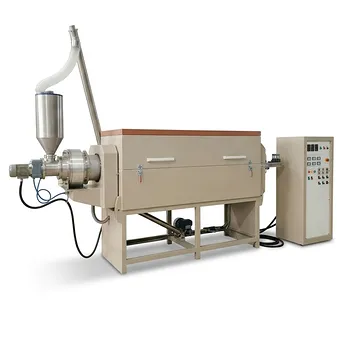
Continuous Feeding Rotary Tube Furnace for Industrial Powder Heat Treatment and Material Research
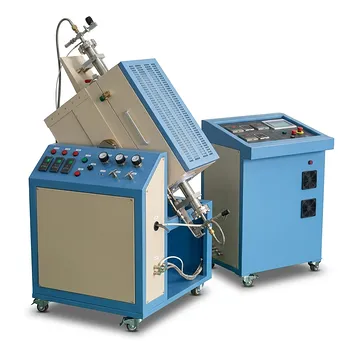
1100C High Pressure Rocking Tube Furnace with 2 Inch Super Alloy Processing Tube for Material Synthesis
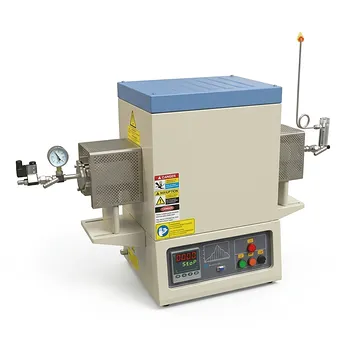
1700C Hydrogen Gas Tube Furnace with 60mm Alumina Process Tube and Integrated Hydrogen Safety Detector

High Temperature 1700C Benchtop Tube Furnace with 5 Inch Heating Zone High Purity Alumina Tube and Vacuum Sealing Flanges
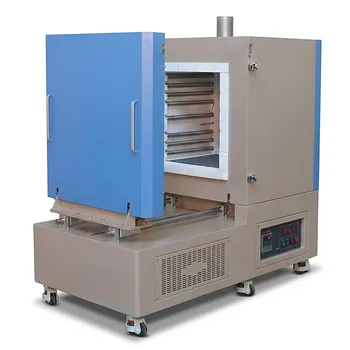
1200C Five Side Heating Muffle Furnace with Sliding Door 125L Volume High Temperature Heat Treatment System for Large Scale Sintering and Annealing
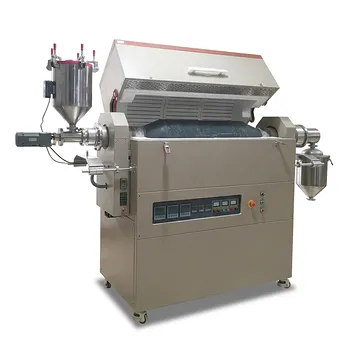
High Temperature Tilting Rotary Tubular Furnace for Continuous Powder Thermal Processing and Controlled Atmosphere Sintering

High Temperature Tube Furnace 1500C with Sliding Flanges and 50mm OD for Rapid Thermal Processing Fast Heating and Cooling
