Kinetic Mastery: The Hidden Geometry of Heat in TiO2 Synthesis
Aug 17, 2026
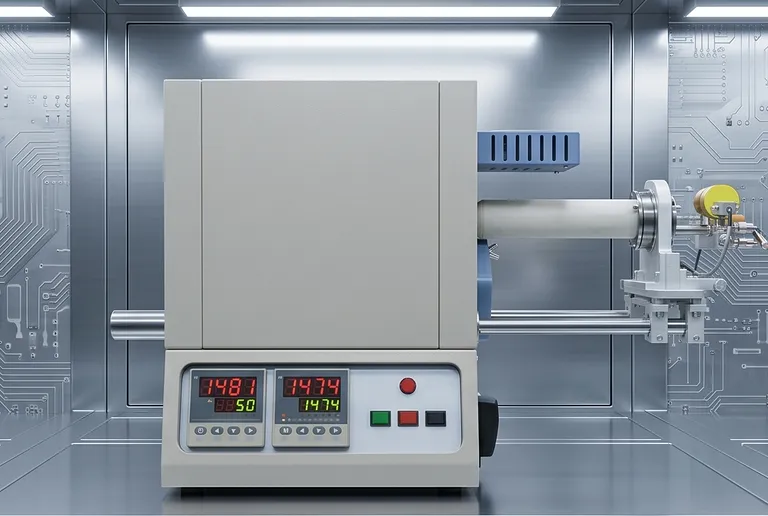
In the world of materials science, we often treat temperature as a destination. We speak of reaching 800°C as if the journey there is a mere formality.
But in the delicate crystallization of Titanium Dioxide (TiO2), the destination is only half the story. The velocity at which we travel—the heating rate—is the invisible hand that sculpts the atomic architecture of the material.
The furnace is not just a heat source; it is a kinetic regulator.
The Oxygen Diffusion Race
At the heart of TiO2 synthesis lies a competition between two crystalline phases: the metastable Anatase and the thermodynamically stable Rutile.
A fast heating rate acts as a kinetic accelerator. When a tube furnace ramps up rapidly, it forces a surge in the diffusion kinetics of oxygen atoms.
This rapid influx of oxygen creates an environment that facilitates the atomic rearrangement necessary for the Rutile phase. It is a brute-force transition to stability.
Conversely, a slow ramp is a path of deprivation. In the absence of rapid oxygen diffusion, the material remains in oxygen-deficient pockets, effectively "trapping" the structure in the Anatase phase.
The Thermodynamic Trade-off
Why does this matter? Because in R&D, "better" is a subjective term defined by the application.
- Rutile is the goal for high-index coatings and UV protection due to its density and stability.
- Anatase is often preferred for photocatalysis because of its higher mobility of charge carriers.
The heating rate is the switch. By manipulating the ramp, an engineer isn't just heating a sample; they are programming the ratio of these two phases.
However, speed comes with a psychological and physical cost: Structural Stress.
Structural Integrity vs. Phase Purity
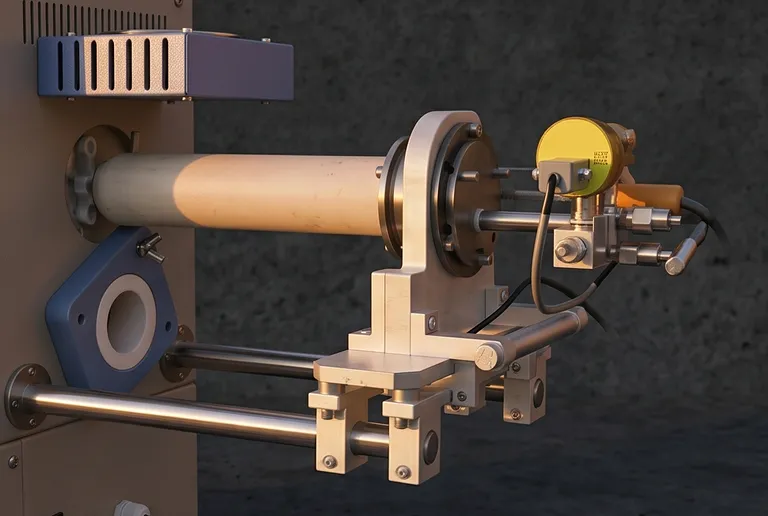
In our pursuit of phase purity via Rapid Thermal Annealing (RTA), we often overlook the mechanical trauma inflicted on the material.
Rapid expansion can be violent. At heating rates exceeding 100°C/min, the sudden exit of volatile matter and the rapid shifting of the crystal lattice can lead to the collapse of delicate pore structures.
If your goal is a high specific surface area—vital for energy storage or filtration—the "efficient" fast-heating method might actually be destructive.
Precision is the ability to find the "sweet spot" where the kinetics of phase transformation do not outpace the physical limits of the material's morphology.
The Calibration of Choice
Choosing your thermal profile is an exercise in balancing conflicting requirements:
| Heating Profile | Dominant Phase | Oxygen Diffusion | Strategic Use Case |
|---|---|---|---|
| Fast (RTA Style) | Rutile (Stable) | High/Rapid | Maximum thermodynamic stability and phase purity. |
| Intermediate | Mixed Phase | Controlled | Optimized photocatalytic activity (the "Synergy" effect). |
| Slow/Steady | Anatase (Metastable) | Low/Limited | Maintaining high surface area and intricate pore structures. |
Engineering the Invisible
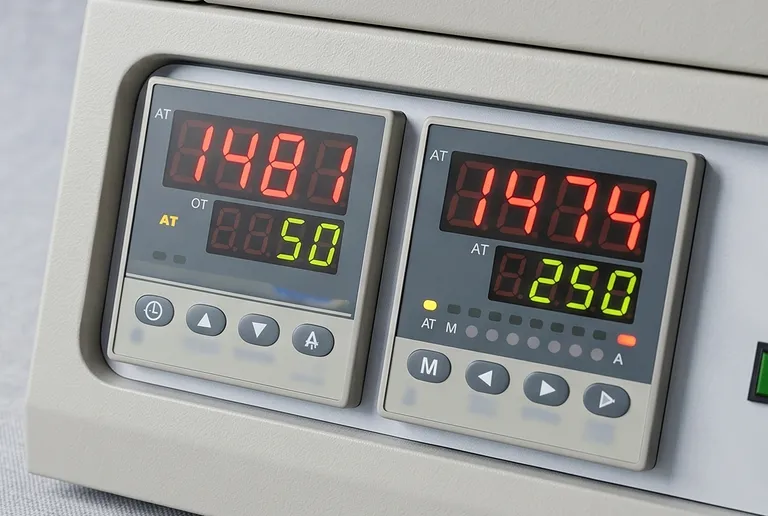
For the modern researcher, the challenge is no longer just "getting hot." It is about temporal precision.
At THERMUNITS, we design our thermal systems with the understanding that the "Rate" is as important as the "State." Whether you are utilizing a Tube Furnace for precise RTA or a Vacuum Induction Melting (VIM) Furnace for high-purity alloys, the control system must be an extension of the researcher’s intent.
Our comprehensive range of equipment—from CVD/PECVD systems to Electric Rotary Kilns—is engineered to provide the thermal stability required to master these kinetic switches.
The difference between a failed batch and a breakthrough often lies in the few degrees of variance during the ramp-up. We provide the tools to eliminate that variance.
To refine your heating protocols and achieve absolute phase control in your material research, Contact Our Experts.
Quick Links
Suggested Products
Compact Atmosphere Controlled Rapid Thermal Processing RTP Furnace with 4 Inch ID Quartz Tube 1100C Induction Heating System with Temperature Control for High Temperature Vacuum Sintering and Melting High Temperature Hydrogen Atmosphere Box Furnace 1650C Max Reducing Environment Material Synthesis System 8x8x8 Chamber 1100°C Vertical Laboratory Furnace for DIY Tubular Reactors with PID Temperature ControllerFurther Reading
The Calculus of Heat: Why Precision Control is the Soul of Material Science The Invisible Barrier: Why Precision Thermal Control Requires Chemical Silence The Physics of Redemption: Surface Restoration of Violet Phosphorus in the Thermal Field The Silent Cost of Efficiency: Healing Plasma-Induced Damage via Thermal Precision The Architecture of Silence: Why Atmosphere Control Defines the TiO2/In2S3 Heterojunction
ThermUnits
Last updated on Apr 14, 2026
Related Products
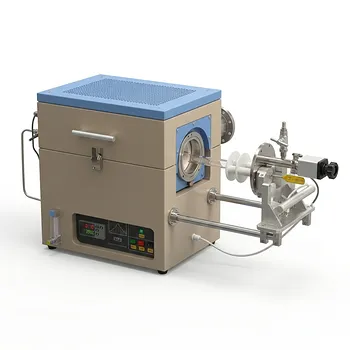
Compact Atmosphere Controlled Rapid Thermal Processing RTP Furnace with 4 Inch ID Quartz Tube 1100C
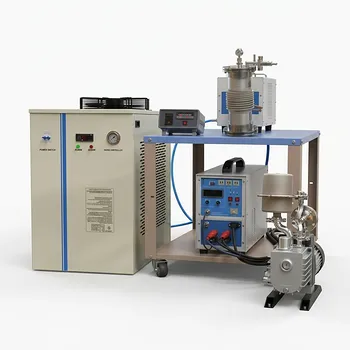
Induction Heating System with Temperature Control for High Temperature Vacuum Sintering and Melting
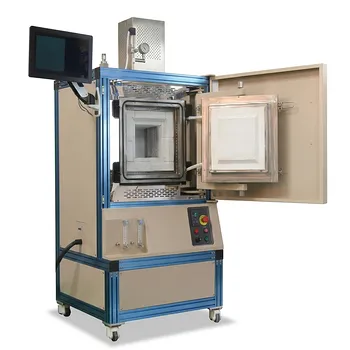
High Temperature Hydrogen Atmosphere Box Furnace 1650C Max Reducing Environment Material Synthesis System 8x8x8 Chamber