The Silent Cost of Efficiency: Healing Plasma-Induced Damage via Thermal Precision
May 08, 2026
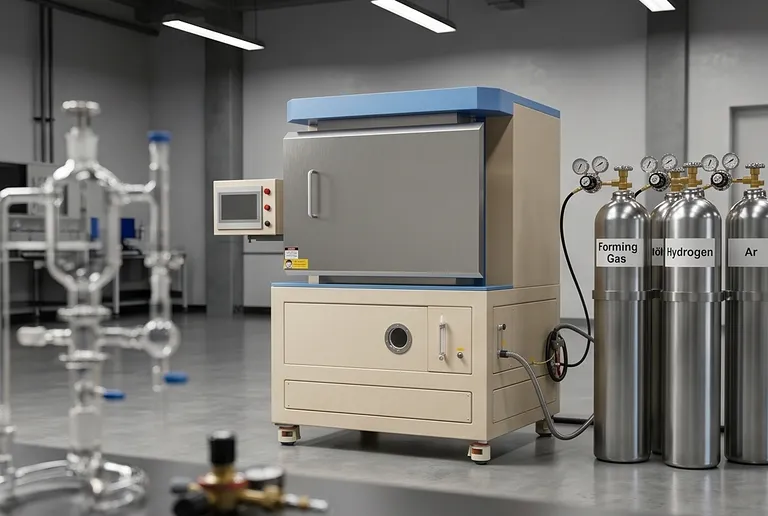
In the pursuit of high-performance electronics, we often find ourselves in a paradoxical struggle: the very processes we use to build advanced materials are the same ones that degrade them.
Magnetron sputtering is the industry standard for depositing Transparent Conductive Oxides (TCO). It is fast, scalable, and efficient. But at the atomic level, it is a violent event. It is a bombardment that leaves the underlying passivation layers scarred, their electronic integrity compromised by the high-energy chaos of the plasma.
To build a perfect device, one must first learn how to heal it.
The Invisible Tax on Deposition
Sputtering does not just "place" atoms; it hurls them. This energy is necessary for adhesion and film density, but it comes with a systemic cost.
During the growth of TCOs like Indium Tin Oxide (ITO), three specific phenomena degrade the device's potential:
- Lattice Displacement: High-velocity ions knock atoms out of their equilibrium positions, creating "traps" that snag electrons.
- Radiative Breaking: Plasma emits intense UV light. This radiation penetrates deep into the stack, snapping the delicate chemical bonds that keep the interface stable.
- Hydrogen Exhaustion: In silicon-based systems, the energy of the plasma drives out hydrogen. Without hydrogen to "plug" atomic gaps, the carrier lifetime of the material plummets.
The Chemistry of Restoration
If sputtering is an act of deconstruction, annealing is the process of restoration. It is not merely "heating a sample." It is a calculated intervention designed to give the material the energy it needs to reorganize itself.
1. Lattice Relaxation
By raising the temperature within a controlled furnace, we provide atoms with enough thermal mobility to find their way back to a low-energy, stable state. This "heals" the physical gaps created by ion bombardment.
2. The Return of Hydrogen
In an atmosphere furnace using Forming Gas (a precise blend of Nitrogen and Hydrogen), a chemical migration occurs. Hydrogen atoms permeate the structure, seeking out "dangling bonds" to neutralize them. This chemical "healing" is what restores the carrier lifetime to its peak performance.
3. Structural Optimization
Annealing does double duty. While it repairs the damage below, it optimizes the TCO above. It encourages better crystallinity and manages oxygen vacancies, ensuring the film is both highly conductive and perfectly transparent.
The Balancing Act: Thermal Budget
In engineering, every solution introduces a new constraint. The "Thermal Budget" is the most critical factor in post-deposition processing.
Too little heat, and the damage remains. Too much heat, and you trigger unwanted diffusion—dopants begin to migrate where they don't belong, or amorphous layers begin to crystallize prematurely.
| Plasma Damage Factor | Annealing Mitigation Mechanism | Key Engineering Outcome |
|---|---|---|
| Particle Bombardment | Thermal lattice relaxation | Structural repair of the lattice |
| UV Luminescence | Re-passivation in controlled atmosphere | Enhanced interface stability |
| Dehydrogenation | Hydrogen migration & neutralization | Restored carrier lifetime |
| Low TCO Conductivity | Crystallinity & vacancy distribution | Improved electrical & optical flux |
Systemic Precision: Why the Tool Matters
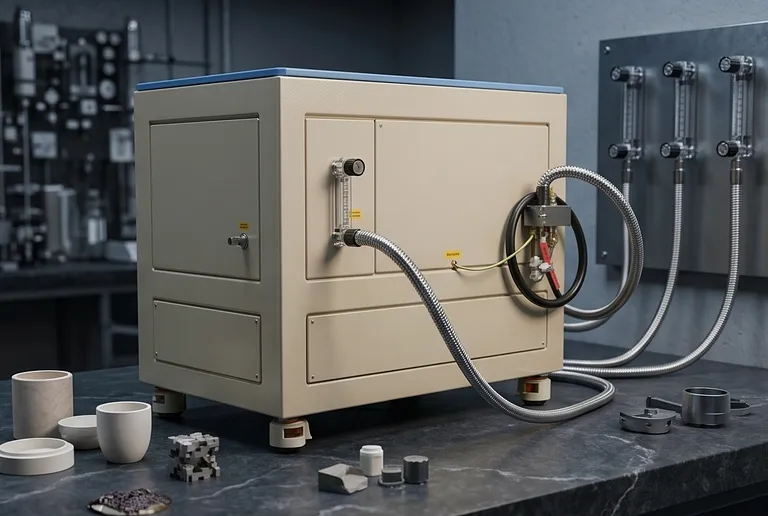
You cannot achieve a delicate balance in an imprecise environment. The quality of the "healing" depends entirely on the stability of the furnace.
To mitigate plasma damage effectively, a researcher requires three things:
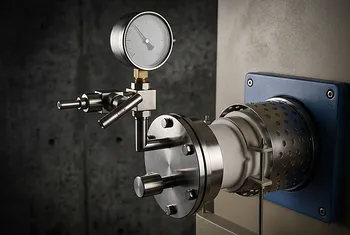
- Atmospheric Control: The ability to introduce and maintain precise forming gas concentrations.
- Thermal Uniformity: Ensuring that every square millimeter of the substrate experiences the exact same thermal history.
- Ramp Control: Managing how quickly a material reaches temperature to avoid thermal shock.
Engineering the Future with THERMUNITS
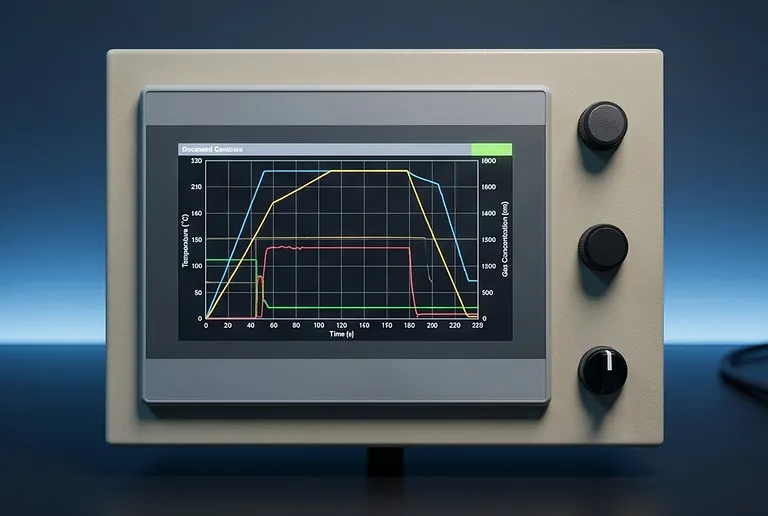
At THERMUNITS, we understand that the final performance of a material is often determined not by how it was deposited, but by how it was treated afterward. We design high-temperature laboratory equipment for the most demanding R&D environments.
Our solutions are built for those who refuse to settle for the "invisible tax" of plasma damage:
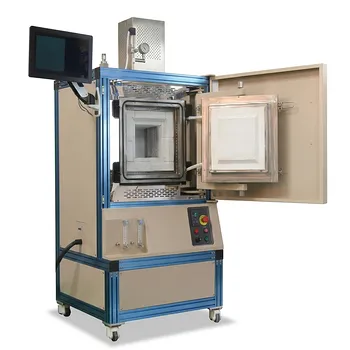
- Atmosphere & Vacuum Furnaces: Engineered for precise forming gas treatments to restore carrier lifetimes.
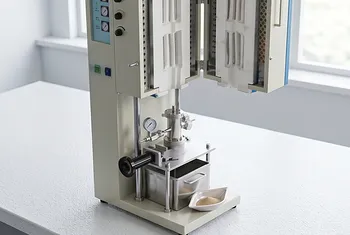
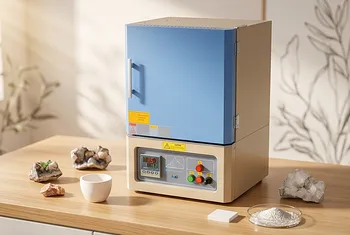
- Tube & Muffle Furnaces: Providing the thermal uniformity required for sensitive lattice relaxation.
- CVD/PECVD & VIM Systems: For advanced material synthesis and high-purity melting.
- Specialized Thermal Solutions: From Rotary Kilns to Hot Press Furnaces, we cover the full spectrum of material science needs.
Precision heat treatment is the bridge between a compromised film and a high-efficiency device. To optimize your thermal processing and reclaim the performance of your thin-film stacks, Contact Our Experts.
Quick Links
Suggested Products
Rapid Thermal Processing Atmosphere Controlled Bottom Loading Furnace 1100C with 50C Per Second Heating Rate for Wafer Annealing Rapid Thermal Processing Furnace 1100C Atmosphere Controlled Bottom Loading RTP System for Wafer Annealing and Catalysis Research High Temperature Vertical Atmosphere Controlled Furnace with Automatic Bottom Loading and 1700°C Capacity for Advanced Material Research Compact Atmosphere Controlled Rapid Thermal Processing RTP Furnace with 4 Inch ID Quartz Tube 1100C 950C Rapid Thermal Processing Furnace for 12 Inch Wafer CSS Coating with Rotating Substrate Holder
ThermUnits
Last updated on Apr 15, 2026
Related Products
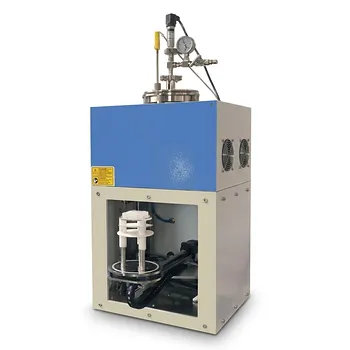
Rapid Thermal Processing Atmosphere Controlled Bottom Loading Furnace 1100C with 50C Per Second Heating Rate for Wafer Annealing
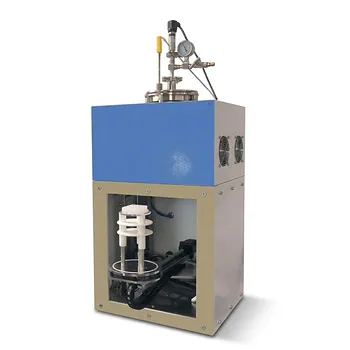
Rapid Thermal Processing Furnace 1100C Atmosphere Controlled Bottom Loading RTP System for Wafer Annealing and Catalysis Research
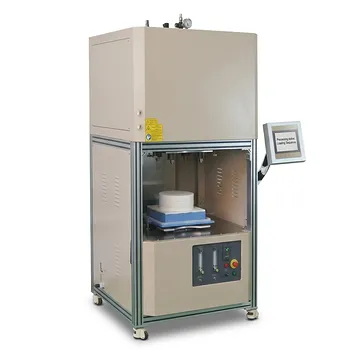
High Temperature Vertical Atmosphere Controlled Furnace with Automatic Bottom Loading and 1700°C Capacity for Advanced Material Research
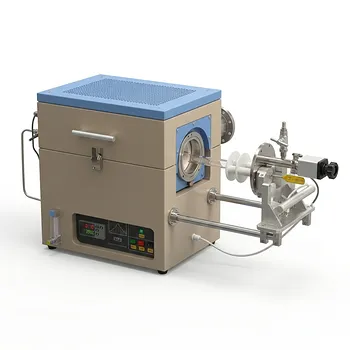
Compact Atmosphere Controlled Rapid Thermal Processing RTP Furnace with 4 Inch ID Quartz Tube 1100C
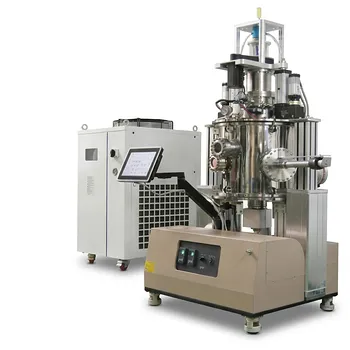
950C Rapid Thermal Processing Furnace for 12 Inch Wafer CSS Coating with Rotating Substrate Holder
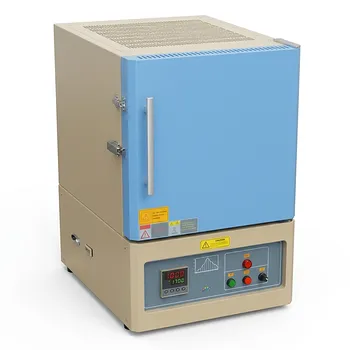
Large Bench Top 1700C High Temperature Muffle Furnace with 19L Chamber for Advanced Material Sintering and Annealing
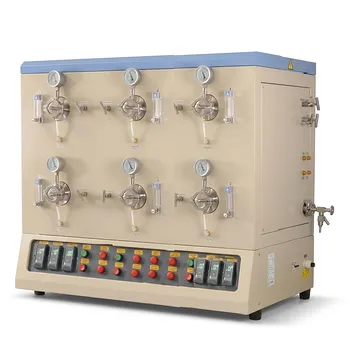
1200C High Throughput Multi Channel Tube Furnace with 50mm Quartz Tubes for Annealing and Material Phase Diagram Research
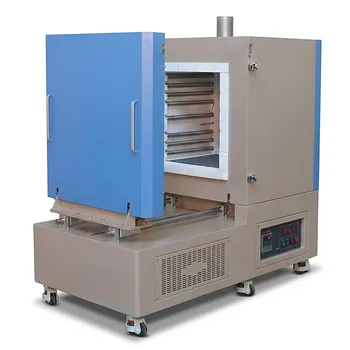
1200C Five Side Heating Muffle Furnace with Sliding Door 125L Volume High Temperature Heat Treatment System for Large Scale Sintering and Annealing
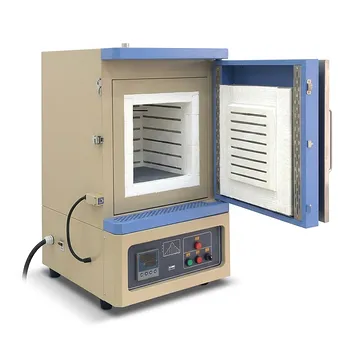
Five Side Heating Muffle Furnace High Purity Alumina Fiber 27L Chamber 1200C High Temperature Thermal Processing System for Sintering Annealing and Materials Research
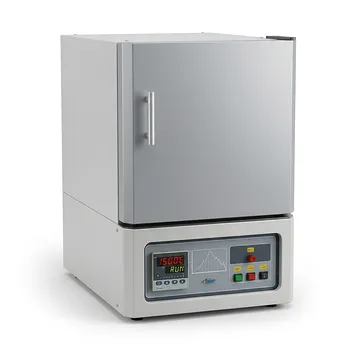
High Temperature 1500C Benchtop Muffle Furnace 3.6L Alumina Fiber Chamber Programmable Controller Sintering Annealing Carbonization Thermal Processing System
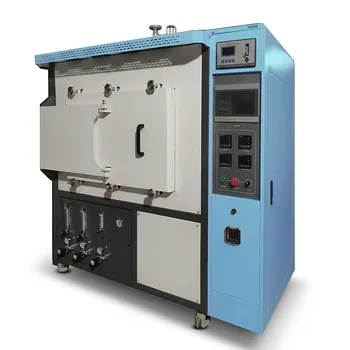
Roller Table Atmosphere Furnace 1500C High Temperature Battery Material Sintering System 112L Capacity
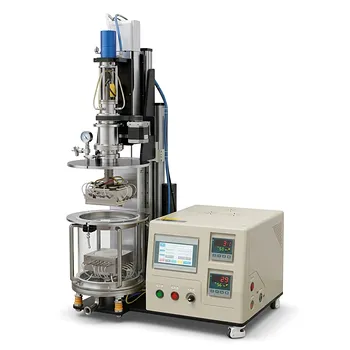
High Temperature 800C Rapid Thermal Processing Furnace with Rotating Sample Holder for Close Spaced Sublimation and Thin Film Solar Cell Research
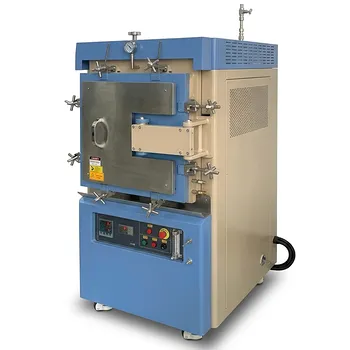
Atmosphere Controlled Muffle Furnace 1700C Maximum Temperature 80L High Capacity Vacuum Inert Gas Box Furnace
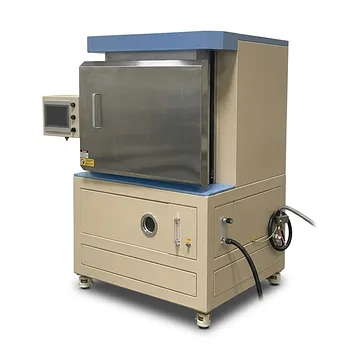
1650C High Temperature Atmosphere Controlled Box Furnace with 65L Chamber for Advanced Material Sintering and Industrial Heat Treatment
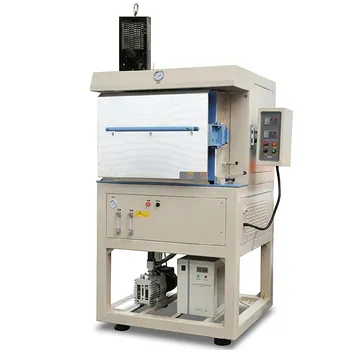
1200C Hydrogen Atmosphere Box Furnace with 5 Heated Sides and 64L Chamber
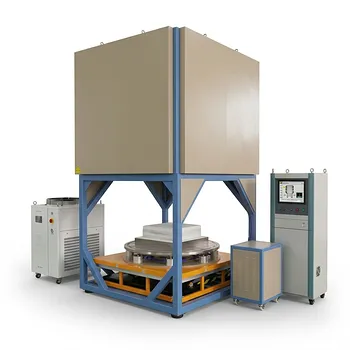
Bottom Loaded Inert Gas Atmosphere Box Furnace 1700C 1300C 216L Large Capacity Industrial Thermal Processing System
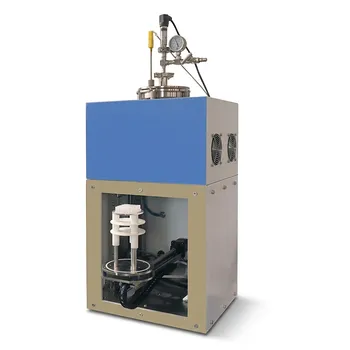
Rapid Thermal Processing RTP Atmosphere Controlled Bottom Loading Furnace 1100C High Throughput 50C per Second Heating Rate
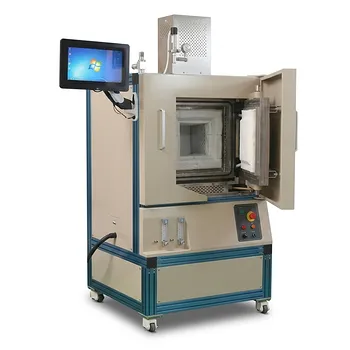
High Temperature Oxygen and Inert Atmosphere Controlled Furnace 8 Liter 1700C Sintering System for Advanced Materials RD
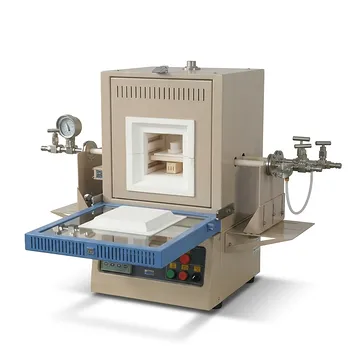
1700C Compact Hybrid Furnace with Dual Layer Box Sintering and Controlled Atmosphere Alumina Tubes