The Architecture of Silence: Why Atmosphere Control Defines the TiO2/In2S3 Heterojunction
May 29, 2026
The High Stakes of Thin-Film Survival
In material science, heat is a double-edged sword. It provides the kinetic energy required for atoms to find their rightful place in a crystal lattice, yet it simultaneously lowers the activation energy for destructive chemical reactions.
When working with TiO2/In2S3 heterojunctions, the stakes are particularly high. You are balancing the structural stability of a robust oxide against the chemical fragility of a metal sulfide.
A single mistake in the thermal environment doesn't just result in a poor sample; it results in a total loss of the semiconductor's identity.
The Chemistry of Displacement
The core challenge lies in the nature of Indium Sulfide (In2S3). As a narrow-bandgap semiconductor, it is prized for its ability to harvest visible light. However, at elevated temperatures, sulfur is a reluctant tenant.
The Oxygen Coup
If oxygen is present during annealing, a "chemical coup" occurs. Oxygen atoms aggressively displace sulfur atoms. This transformation converts the sulfide into an oxide, effectively widening the bandgap and killing the material’s ability to absorb the target light spectrum.
Stoichiometric Integrity
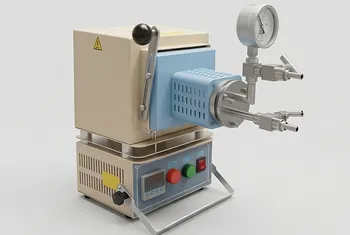
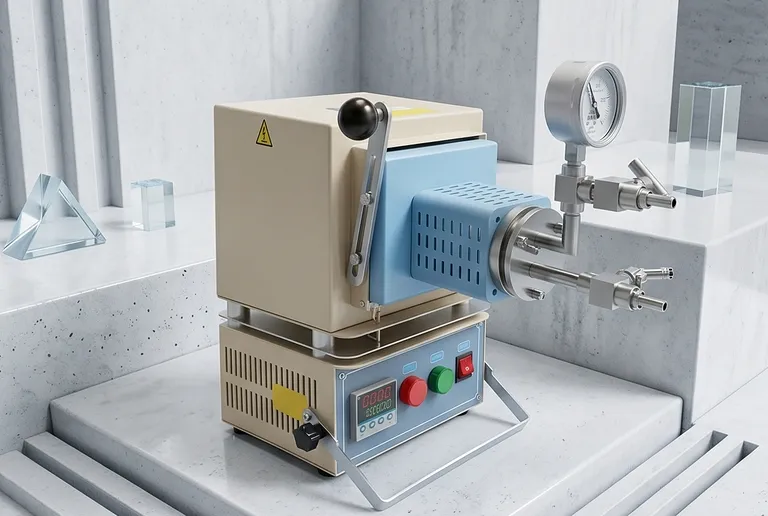
Maintaining the exact ratio of Indium to Sulfur is not optional. The tube furnace acts as a pressurized sanctuary. By flooding the environment with high-purity nitrogen, we create a "counter-pressure" that prevents the volatilization of sulfur and maintains the material's stoichiometric soul.
The Geometry of the Interface
A heterojunction is only as good as its handshake. The interface between the TiO2 layer and the In2S3 layer determines how efficiently electrons can travel across the device.
- Thermal Contact: Heat allows the two distinct layers to fuse at a molecular level, reducing interface resistance.
- Phase Transformation: Precise heating guides TiO2 from a chaotic amorphous state into the highly ordered anatase or rutile phases.
- Stress Relief: Rapid cooling or uneven heating creates micro-cracks. A controlled thermal field ensures the films expand and contract in unison.
Why the Tube Furnace is the Engineer’s Choice
In a standard muffle furnace, the atmosphere is "porous." Even with a closed door, the volume of air is too large to fully displace, and leaks are inevitable.
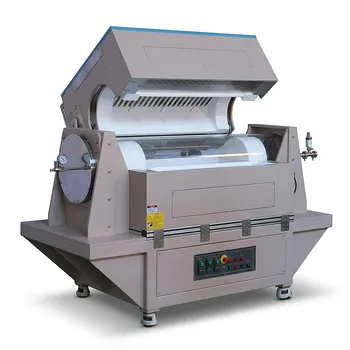
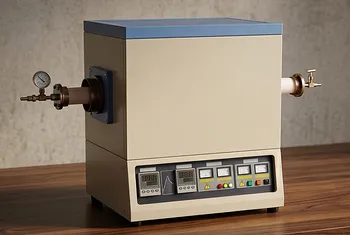
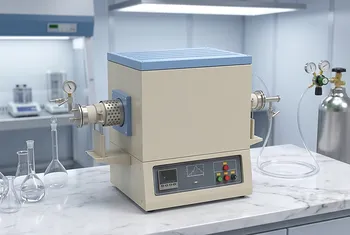
The tube furnace offers a different philosophy: The Architecture of Exclusion.
| Feature | Technical Benefit | Scientific Outcome |
|---|---|---|
| Hermetic Sealing | Isolates the sample from ambient O2/H2O | Prevents phase degradation |
| Laminar Flow | Precise nitrogen delivery (99.999% purity) | Maintains stoichiometric ratios |
| Uniform Thermal Zone | Eliminates cold spots in the reaction tube | Ensures consistent crystal growth |
| Programmable Cooling | Controlled ramp-down rates | Prevents thermal-induced delamination |
The Psychology of Precision
In research, we often blame our theories when our results fail. But frequently, the failure is systemic.
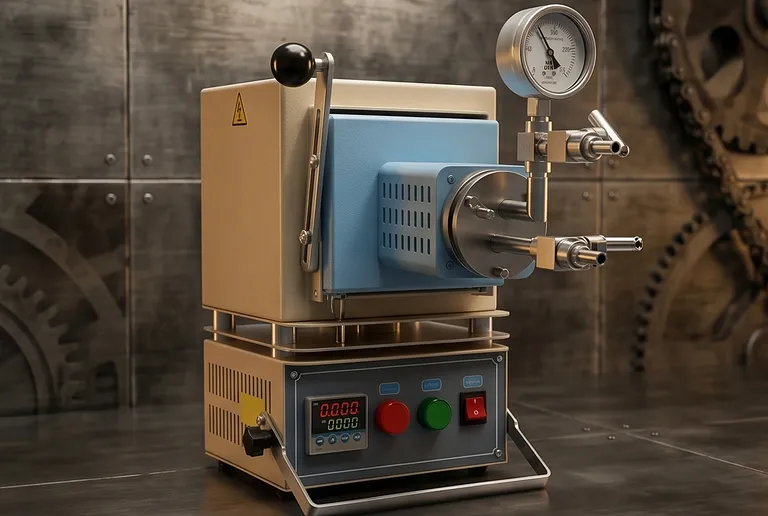
Using an inferior furnace for sulfide annealing is like trying to perform surgery in a dusty room. You might succeed, but the variables are stacked against you. The nitrogen-controlled tube furnace removes the "noise" of atmospheric interference, leaving only the "signal" of your material's true potential.
Engineering the Future with THERMUNITS
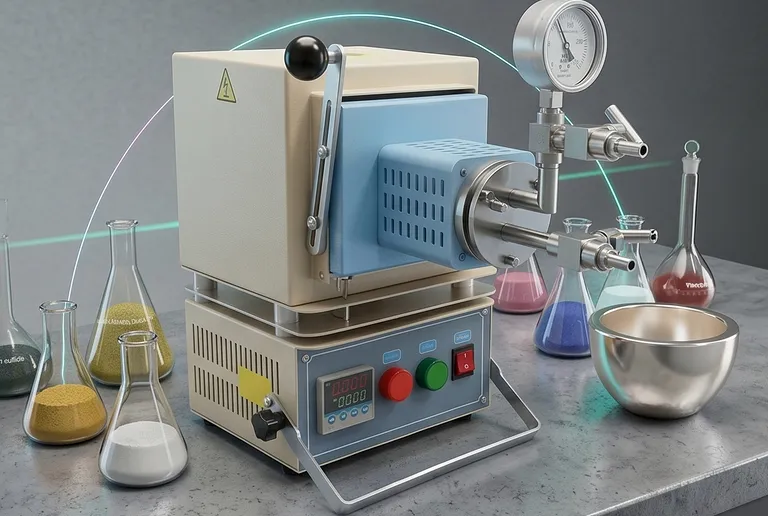
Achieving the perfect TiO2/In2S3 heterojunction requires equipment that understands the nuance of thermodynamics. At THERMUNITS, we design our thermal systems for those who cannot afford the luxury of "close enough."
From high-purity Atmosphere Tube Furnaces to advanced CVD/PECVD systems and Vacuum Induction Melting (VIM) units, our tools provide the stability required for the next generation of photovoltaics and sensors. We ensure that your thermal processing is a controlled synthesis, not a destructive event.
To find the precise thermal solution for your material R&D, Contact Our Experts.
Quick Links
Suggested Products
Double Temperature Zone Double Cover Tube Furnace for High Temperature CVD and Vacuum Annealing 1200C High Throughput Multi Channel Tube Furnace with 50mm Quartz Tubes for Annealing and Material Phase Diagram Research 1200C High Temperature 5 Inch Sliding Tube Furnace for Rapid Thermal Processing RTP and Wafer Annealing High Throughput 1200C Four Channel Tube Furnace with 3 Inch Quartz Tubes for Multi Zone Annealing and Material Research 900 ºC Max Sliding RTP Tube Furnace with Rapid IR Heating and 4 Inch OD Quartz TubeFurther Reading
The Geometry of Heat: Disciplining the Atom in Bilayer Graphene Synthesis The Architect of the Interface: Why Thermal Precision Governs Catalyst Evolution The Thermal Sanctity of Flatland: Why Vacuum Annealing Defines the Limit of 2D Electronics The Chemistry of Silence: Why Atmosphere Control Dictates the Fate of CNT Composites The Physics of Redemption: Surface Restoration of Violet Phosphorus in the Thermal Field
ThermUnits
Last updated on Apr 14, 2026
Related Products
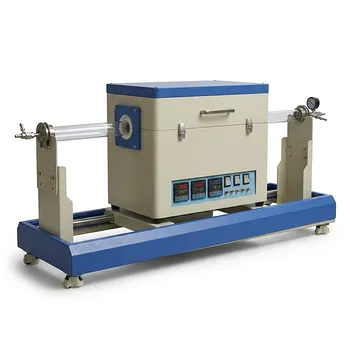
Double Temperature Zone Double Cover Tube Furnace for High Temperature CVD and Vacuum Annealing
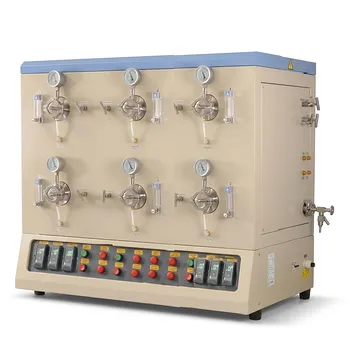
1200C High Throughput Multi Channel Tube Furnace with 50mm Quartz Tubes for Annealing and Material Phase Diagram Research
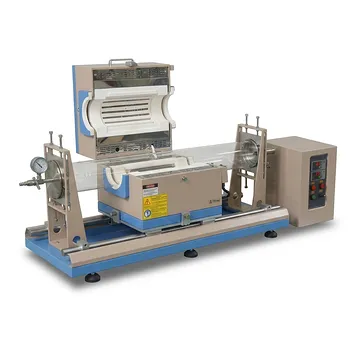
1200C High Temperature 5 Inch Sliding Tube Furnace for Rapid Thermal Processing RTP and Wafer Annealing
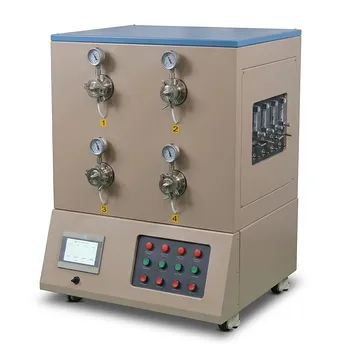
High Throughput 1200C Four Channel Tube Furnace with 3 Inch Quartz Tubes for Multi Zone Annealing and Material Research
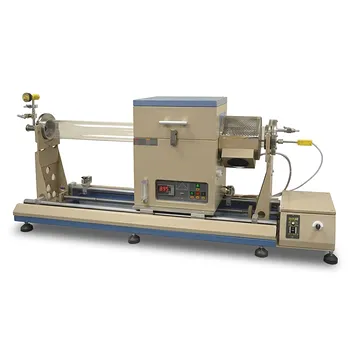
900 ºC Max Sliding RTP Tube Furnace with Rapid IR Heating and 4 Inch OD Quartz Tube
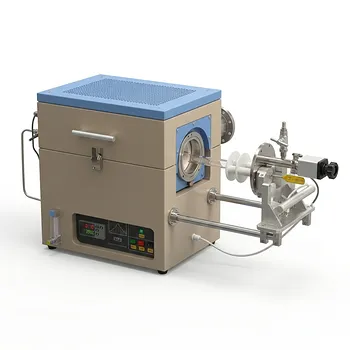
Compact Atmosphere Controlled Rapid Thermal Processing RTP Furnace with 4 Inch ID Quartz Tube 1100C
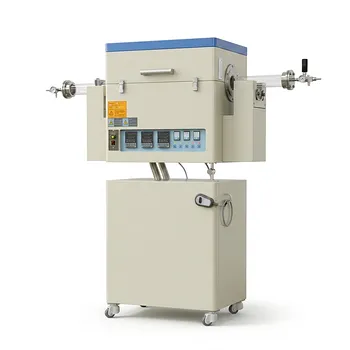
Three Temperature Zone Rotating Tube Furnace for Material Sintering and Controlled Atmospheric Heat Treatment
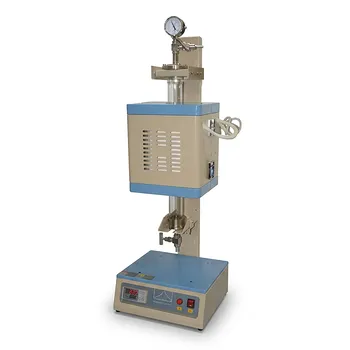
Compact Vertical Split Quartz Tube Furnace with Stainless Steel Vacuum Flanges for Rapid Thermal Quenching and Controlled Atmosphere Material Processing
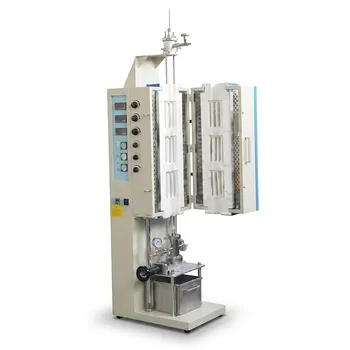
High Temperature Dual Zone Tube Furnace for Material Science Research and Professional Thermal Processing
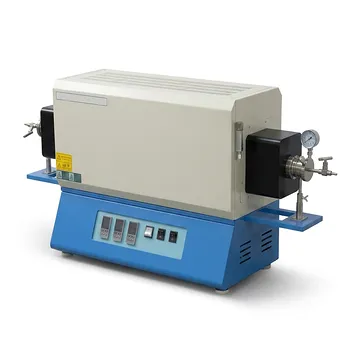
High Temperature Three Temperature Zone Tube Furnace for Advanced Material Science Sintering and Chemical Vapor Deposition Applications

High Temperature 1700C Vertical Tube Furnace for Powder Spherification and Material Sintering
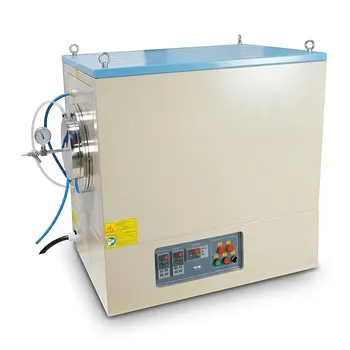
Dual Zone Tube Furnace 1100C with 11 Inch Quartz Tube and Vacuum Flanges for 8 Inch Wafer Processing

High Temperature Automated 5 Inch Tube Furnace for Autonomous Material Research and Advanced Laboratory R&D
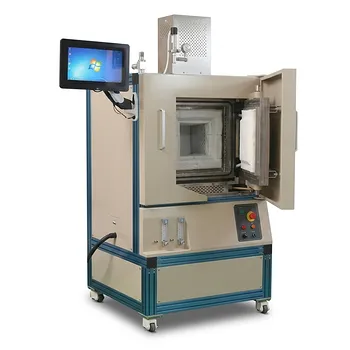
High Temperature Oxygen and Inert Atmosphere Controlled Furnace 8 Liter 1700C Sintering System for Advanced Materials RD
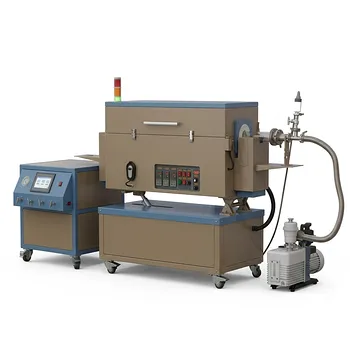
5 Inch Three Zone Rotary Tube Furnace with Integrated Gas Delivery System and 1200C Capability for Advanced Material CVD Processing
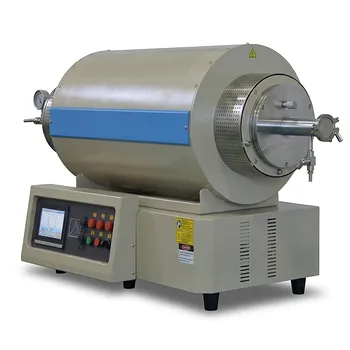
1200C Max Three Zone Tube Furnace 6 Inch OD Max with Tube and Flange
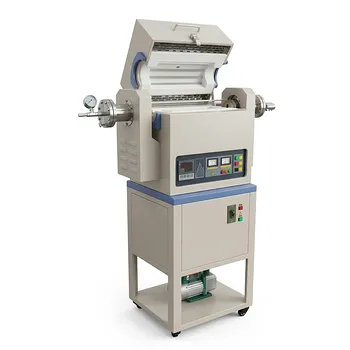
High Temperature Rotary Tilt Tubular Furnaces for Advanced Powder Sintering and Material Processing

Compact High Temperature 1600C Tube Furnace with 50mm Alumina Tube and Vacuum Flanges for Material Sintering
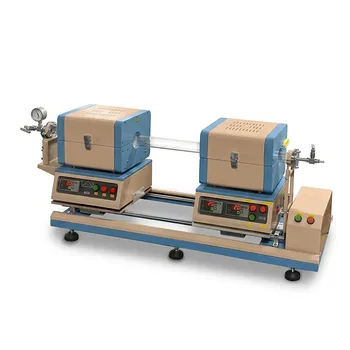
High Temperature 1200C Automatic Sliding Dual Zone Tube Furnace for 2D Transition Metal Dichalcogenides Growth and Material Sublimation Research