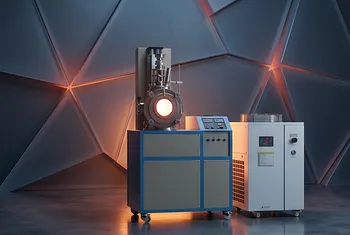
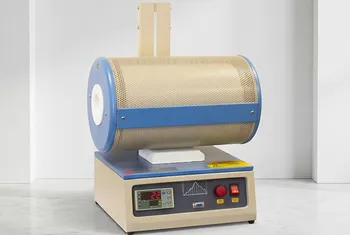
The Calculus of Heat: Why Precision Control is the Soul of Material Science
Jun 17, 2026
The Invisible Hand of the Laboratory
In material science, heat is rarely about the destination. It is almost entirely about the journey.
When a researcher sets a furnace to 1,200°C, they aren’t just asking for warmth. They are demanding a specific atomic choreography. If the temperature rises too fast, the material cracks under thermal shock. If it overshoots by a mere 5 degrees, a delicate phase transition might be lost forever.
The difference between a breakthrough and a failed experiment often comes down to three letters: PID.
The Ghost in the Machine
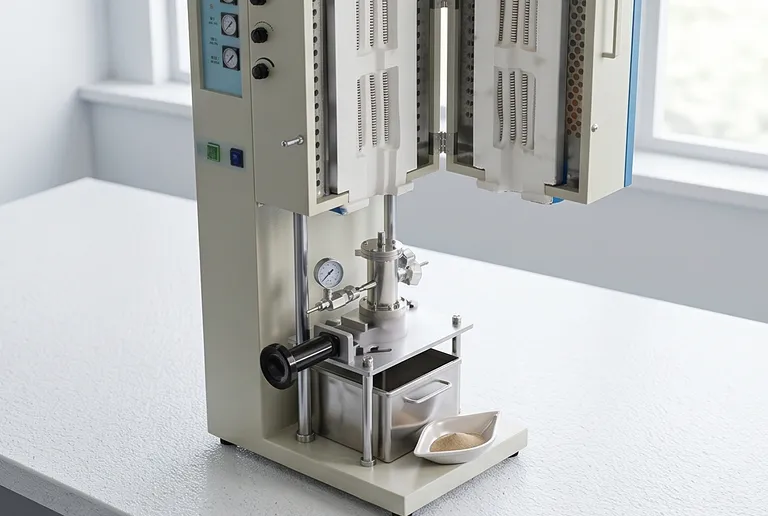
A muffle furnace is a blunt instrument by nature—a box of insulation and heating elements. The PID (Proportional, Integral, Derivative) controller is the "brain" that turns this blunt instrument into a surgeon’s scalpel.
The system relies on a continuous feedback loop. A thermocouple sits inside the chamber, acting as a silent witness to the internal environment. It reports the data; the PID controller makes the decision.
It is a constant, mathematical conversation between what is and what should be.
The Logic of Balance
The brilliance of PID control lies in its three-part personality:
- Proportional (The Present): It looks at the current gap between the actual temperature and the set-point. The wider the gap, the more power it applies.
- Integral (The Past): It remembers the history of the error. If the temperature has been lingering just below the target for too long, it adds a nudge of extra power to bridge the gap.
- Derivative (The Future): It calculates the speed of change. It acts as a brake, slowing down the heating as it approaches the goal to prevent the disaster of an "overshoot."
The Psychology of Thermal Mass
In the world of high-temperature R&D, we deal with the "psychology" of thermal mass. A furnace chamber doesn't stop heating the moment you cut the power. Like a heavy ship, it has momentum.
If the controller is too aggressive, the heating elements will continue to radiant heat long after the target is reached. This "thermal lag" is the primary enemy of material integrity.
A perfectly tuned PID system anticipates this momentum, easing the power off at exactly the right millisecond to land on the set-point with zero oscillation.
Mastering the Profile: From Ramping to Soaking
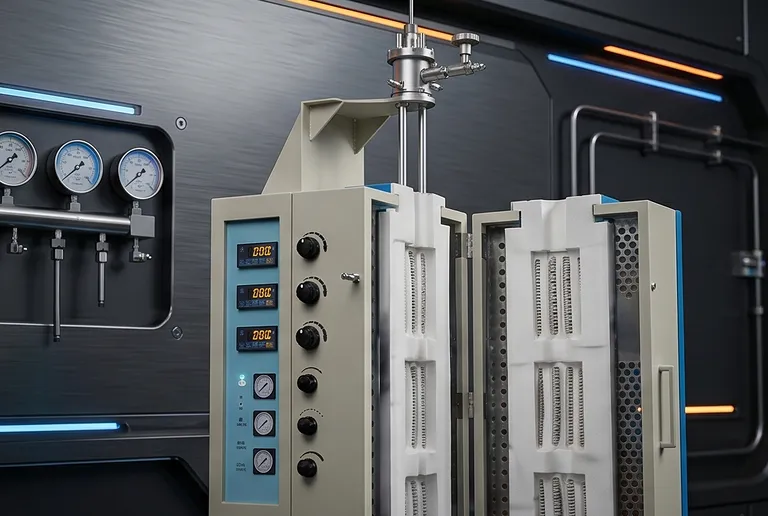
Advanced material synthesis, such as the transition of CoZn atoms into a beta-Mn structure, requires more than a steady hand. It requires a programmed profile.
The Ramping Phase
Controlled heating rates prevent the structural "panic" within a material. By increasing temperature at a fixed rate per minute, we allow the lattice structure to expand predictably, maintaining the integrity of thin films or ceramics.
The Soaking Phase
This is the moment of quiet. During a soak, the PID controller must hold the temperature in a state of absolute stasis. This stability allows atoms to migrate into their most efficient, lowest-energy crystalline patterns.
The Cooling Phase
Quality is often won or lost during the descent. Controlled cooling prevents the formation of amorphous impurities or unwanted grain growth, ensuring the final material possesses the exact magnetic or physical properties intended by the researcher.
The Impact of High-Precision Thermal Management
| Process Phase | PID Action | Material Impact |
|---|---|---|
| Real-Time Feedback | Constant thermocouple monitoring | Elimination of environmental variables |
| Ramping | Linear power scaling | Prevention of micro-cracks and thermal shock |
| Soaking | Error-correction logic | Maximized crystallinity and phase purity |
| Cooling | Managed power reduction | Prevention of amorphous "glassy" states |
| Tuning | Parameter optimization | System stability and repeatable results |
Engineering the Future of Research
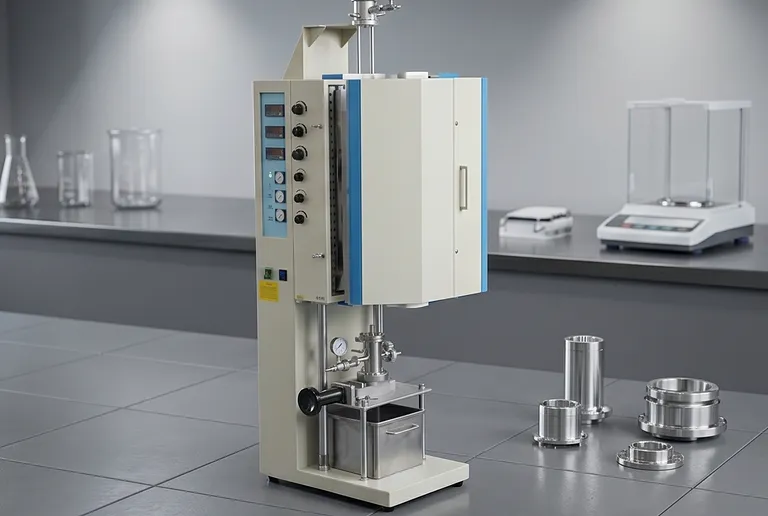
At THERMUNITS, we understand that a furnace is only as good as its ability to be controlled.
Our systems—from Muffle and Vacuum furnaces to advanced CVD and Vacuum Induction Melting (VIM) systems—are engineered to handle the complexities of modern material science. We provide the hardware that allows the PID logic to operate at its highest potential, ensuring your research is defined by precision rather than fluctuation.
When your work involves the atomic arrangement of the future, there is no room for "close enough."
Quick Links
Suggested Products
High Temperature Ultrafast Heating Pressing Furnace 2900C Max 100kgf Rapid Thermal Processing System Compact Atmosphere Controlled Rapid Thermal Processing RTP Furnace with 4 Inch ID Quartz Tube 1100C Triple Tube Compact Hybrid Muffle Furnace 1000C High Vacuum Thermal Processing System High Temperature 1500C Benchtop Muffle Furnace 3.6L Alumina Fiber Chamber Programmable Controller Sintering Annealing Carbonization Thermal Processing System High Temperature 800C Rapid Thermal Processing Furnace with Rotating Sample Holder for Close Spaced Sublimation and Thin Film Solar Cell ResearchFurther Reading
The Architecture of Density: Mastering the Mechanics of Vacuum Hot Pressing The Choreography of Density: Mastering the Vacuum Hot Press Sequence The Geometry of Force: Why Vacuum Hot Pressing Redefines Ceramic Integrity The Geometry of Heat: Why Precision Hot Pressing Defines Modern Composites The Architecture of Chaos: Why Flash Joule Heating Redefines Nanomaterial Synthesis
ThermUnits
Last updated on Apr 14, 2026
Related Products
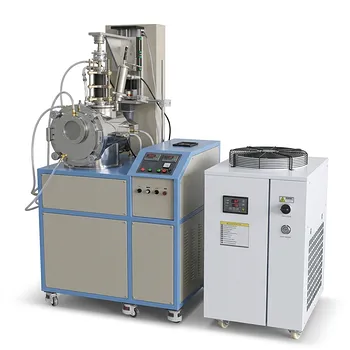
High Temperature Ultrafast Heating Pressing Furnace 2900C Max 100kgf Rapid Thermal Processing System
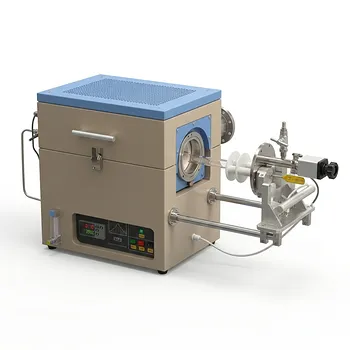
Compact Atmosphere Controlled Rapid Thermal Processing RTP Furnace with 4 Inch ID Quartz Tube 1100C
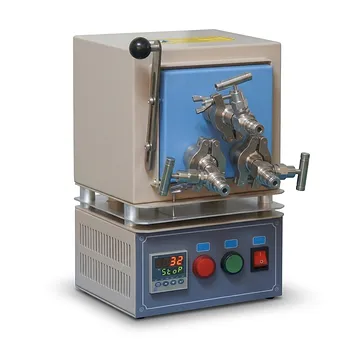
Triple Tube Compact Hybrid Muffle Furnace 1000C High Vacuum Thermal Processing System
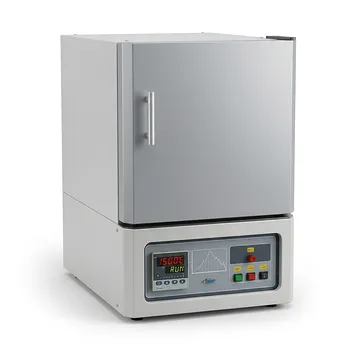
High Temperature 1500C Benchtop Muffle Furnace 3.6L Alumina Fiber Chamber Programmable Controller Sintering Annealing Carbonization Thermal Processing System
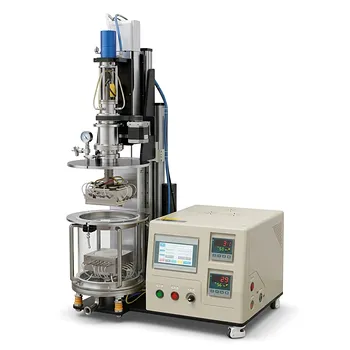
High Temperature 800C Rapid Thermal Processing Furnace with Rotating Sample Holder for Close Spaced Sublimation and Thin Film Solar Cell Research
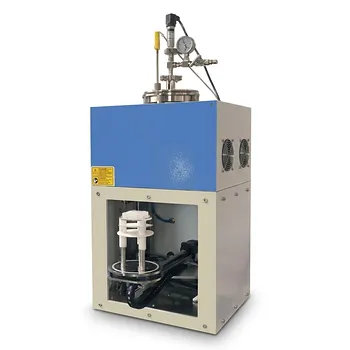
Rapid Thermal Processing Atmosphere Controlled Bottom Loading Furnace 1100C with 50C Per Second Heating Rate for Wafer Annealing
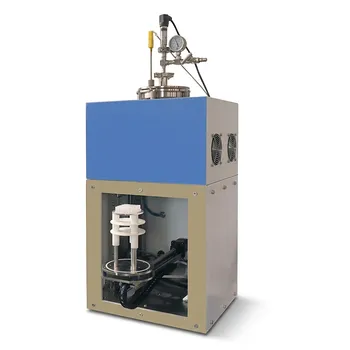
Rapid Thermal Processing RTP Atmosphere Controlled Bottom Loading Furnace 1100C High Throughput 50C per Second Heating Rate
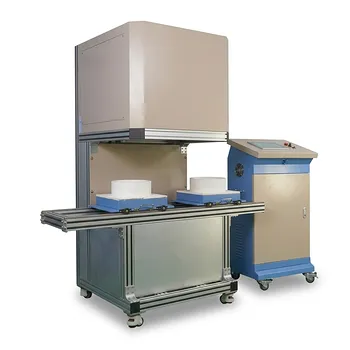
High Temperature Bottom Loading Vertical Furnace 1700C Dual Stage Sample Processing System 18L Large Capacity Thermal Treatment Equipment
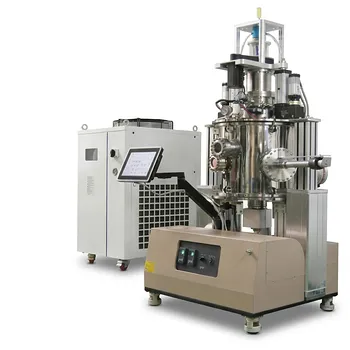
950C Rapid Thermal Processing Furnace for 12 Inch Wafer CSS Coating with Rotating Substrate Holder
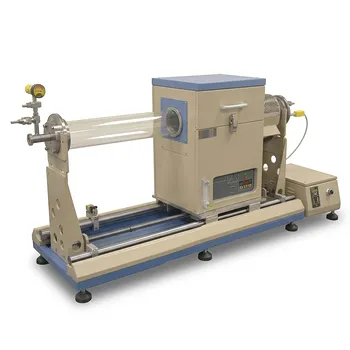
Rapid Thermal Processing Sliding Tube Furnace with 4 Inch OD Quartz Tube and 900C IR Heating
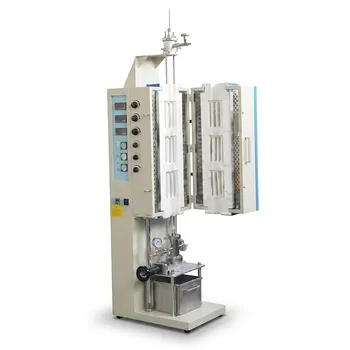
High Temperature Dual Zone Tube Furnace for Material Science Research and Professional Thermal Processing
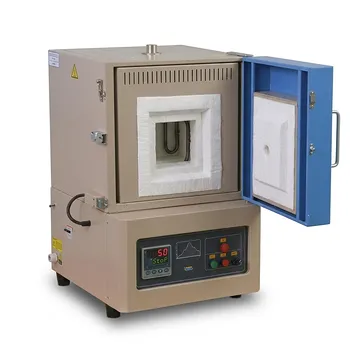
1800°C Bench Top Ultra High Temperature Muffle Furnace with Sapphire Observation Window and Top Feeding Port for Materials Research and Thermal Processing
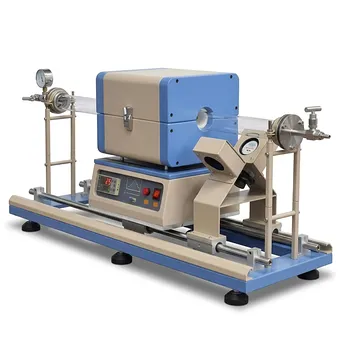
Automated Sliding Tube Furnace for Fast Heating and Cooling 2 Inch OD 1100C Max
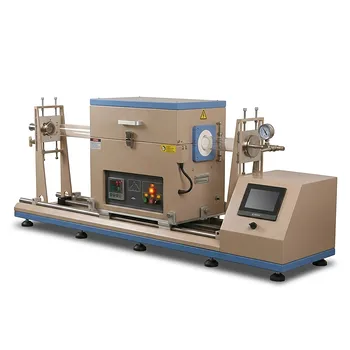
1200C Sliding Tube Furnace for Rapid Thermal Processing and CVD Graphene Growth with 100mm OD Capacity
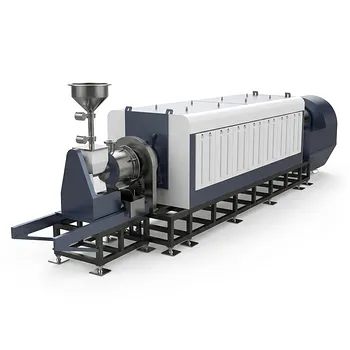
Electric Rotary Kiln Small Rotary Furnace Biomass Pyrolysis Plant

High Temperature Tube Furnace 1500C with Sliding Flanges and 50mm OD for Rapid Thermal Processing Fast Heating and Cooling
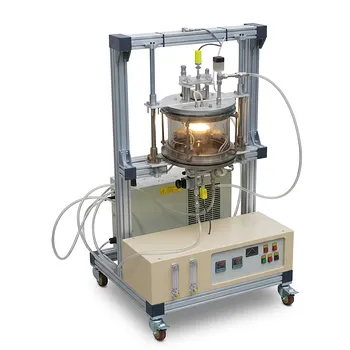
Two Zones CSS Furnace for Rapid Thermal Processing Thin Film Coating 3 Inch Diameter 650C

Compact Vertical Split Quartz Tube Furnace with Stainless Steel Vacuum Flanges for Rapid Thermal Quenching and Controlled Atmosphere Material Processing
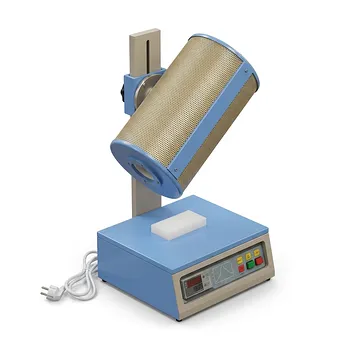
1100°C Vertical Laboratory Furnace for DIY Tubular Reactors with PID Temperature Controller