The Geometry of Heat: Why Electric Rotary Kilns are Winning the Efficiency War
Jun 20, 2026
The Invisible Tax of the Chimney
In industrial thermal processing, the chimney is more than a vent; it is a monument to wasted energy.
In a traditional fuel-fired kiln, you are essentially trying to heat a material by surrounding it with a storm of fire. To keep that fire burning, you need oxygen. To handle the byproduct, you need an exhaust stack.
The physics are unforgiving: as hot gases escape through that stack, they take 35% to 55% of your energy with them. This is the "stack loss" tax—a structural inefficiency that fuel-based systems cannot escape.
Electric rotary kilns represent a fundamental shift in the geometry of heat. By removing combustion from the equation, we move from a system of "controlled chaos" to one of "precise radiation."
The Mechanics of Thermal Superiority
The efficiency gap between electric and fuel-fired systems is not incremental; it is a leap. While combustion systems struggle to hit 60% efficiency, electric kilns routinely operate between 75% and 95%.
1. The Absence of Exhaust
Since an electric kiln does not burn fuel, it produces no internal combustion gases. There is no high-volume "wind" carrying heat out of the system. The energy you pay for stays inside the drum, focused entirely on the material bed.
2. Indirect Resistance Heating
Energy is transferred through the kiln shell via external resistance elements—often made of high-grade metallic alloys or silicon carbide. This transfer occurs through radiation and conduction.
It is the difference between trying to heat a room with a bonfire (fuel-fired) versus a precision heat lamp (electric). The latter is focused, contained, and incredibly predictable.
3. Zonal Intelligence
Modern material science requires more than just "hot." it requires "exactly this hot."
- Precision: Electric systems maintain temperatures within a margin of ±3 to 5 °C.
- Overshoot Prevention: Fuel-fired systems often "hunt" for the target temperature, overshooting and wasting energy in the process.
- Residence Time: With rotation speeds of 0.5 to 5 rpm, the material receives a perfectly uniform thermal dose over its 1-to-3-hour journey.
Purity: The Silent Competitive Edge
Efficiency is often measured in Joules, but in high-end R&D, it is measured in purity.
In a fuel-fired environment, your product is "breathing" the byproducts of combustion—smoke, ash, and fluctuating gas compositions. This is a nightmare for sensitive materials.
Electric kilns allow for an isolated, hermetic environment. Whether you need an inert, reducing, or oxidizing atmosphere, the chamber remains a clean slate. This is not just an engineering preference; it is a requirement for the next generation of semiconductors, advanced ceramics, and specialized alloys.
The Long-Term Calculus
Engineers often focus on the "sticker price" of electricity versus natural gas. This is a narrow view. The true cost of a system includes maintenance and downtime.
| Feature | Electric Rotary Kiln | Fuel-Fired Kiln |
|---|---|---|
| Thermal Efficiency | 75% - 95% | 45% - 65% |
| Heat Loss | Minimal (No exhaust) | High (Stack gases) |
| Temp. Control | Precise (±3 to 5 °C) | Lower (Flame fluctuation) |
| Material Purity | High (Isolated environment) | Risk of contamination |
| Maintenance | Low (No burners/fuel lines) | High (Moving gas parts) |
| Service Life | 25+ Years | Shorter (Thermal stress) |
A system with fewer moving parts and no corrosive combustion byproducts is inherently more robust. An electric kiln is a 25-year asset that doesn't require a dedicated team of burner technicians to keep it in balance.
Engineering the Future of Heat
At THERMUNITS, we view thermal processing as a system of precision, not just power. While fuel-fired kilns may still have a place in heavy, low-value bulk processing, the frontier of material science belongs to electricity.
Whether it is our Rotary Kilns for continuous processing or our Vacuum Induction Melting (VIM) systems for extreme alloy purity, we build for the engineer who values control over raw combustion.
Our comprehensive range includes:
- Muffle, Vacuum, and Atmosphere Furnaces
- CVD/PECVD Systems for advanced coating
- Hot Press and Tube Furnaces for specialized R&D
- Electric Rotary Kilns designed for 95% efficiency
The transition from fuel to electric is a transition from fighting the flame to mastering the electron. It is a shift toward a future where energy is used, not just consumed.
Ready to reclaim your thermal efficiency? Contact Our Experts
Quick Links
Suggested Products
Electric Rotary Kiln Continuous Working Small Rotary Furnace Heating Pyrolysis Plant Electric Rotary Kiln Small Rotary Furnace for Activated Carbon Regeneration Electric Rotary Kiln Small Rotary Furnace Biomass Pyrolysis Plant 900°C Max Rotary Tube Furnace with 8 Inch 310S Alloy Tube and Optional Multi Zone Heating for Industrial Material Calcination High Temperature Tilting Rotary Tube Furnace with Integrated Mass Flow Control and Multi Zone HeatingFurther Reading
The Architecture of Equilibrium: Why Rotation is the Antidote to Thermal Stagnation The Architecture of Movement: Managing Gravity and Heat in Rotary Furnaces The Architecture of Heat: Why the Kiln Shell is a Masterclass in Structural Compromise The Architecture of Absence: Why Inertia Defines the Quality of Pyrolysis
ThermUnits
Last updated on Apr 14, 2026
Related Products
Electric Rotary Kiln Continuous Working Small Rotary Furnace Heating Pyrolysis Plant
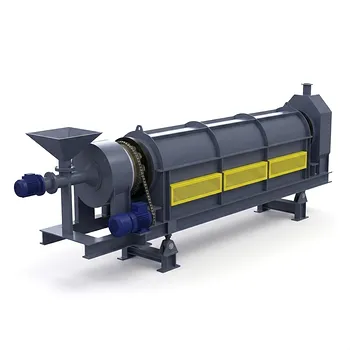
Electric Rotary Kiln Small Rotary Furnace for Activated Carbon Regeneration
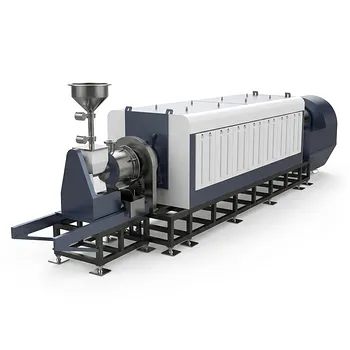
Electric Rotary Kiln Small Rotary Furnace Biomass Pyrolysis Plant
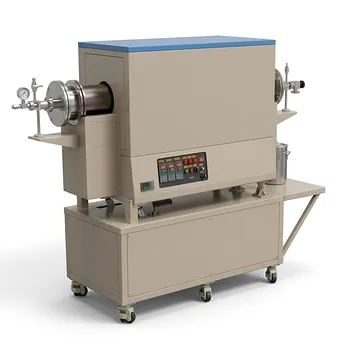
900°C Max Rotary Tube Furnace with 8 Inch 310S Alloy Tube and Optional Multi Zone Heating for Industrial Material Calcination
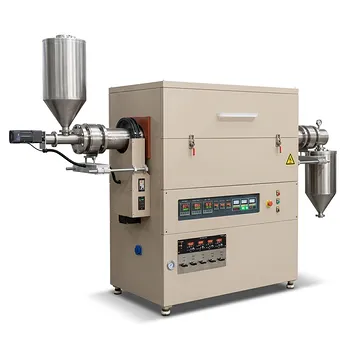
High Temperature Tilting Rotary Tube Furnace with Integrated Mass Flow Control and Multi Zone Heating
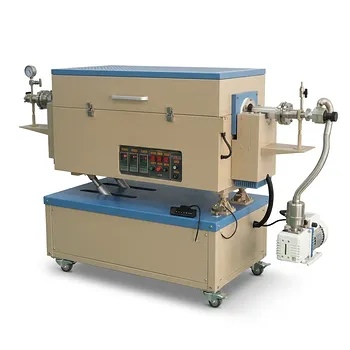
Three Zone Rotary Tube Furnace for High Temperature Powder Processing and Material Research
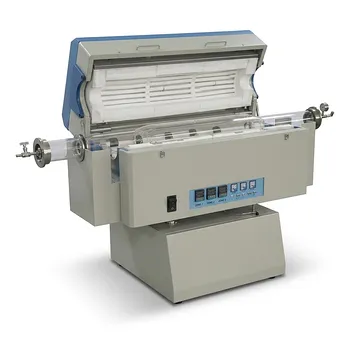
Large Three Temperature Zone Rotating Tube Furnace for High Uniformity Material Sintering
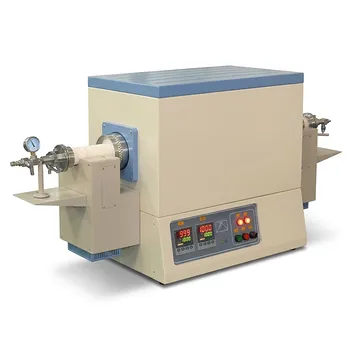
High Temperature 1700C Dual Zone Rotary Tube Furnace with 60mm Alumina Tube and Precision Rotation Control
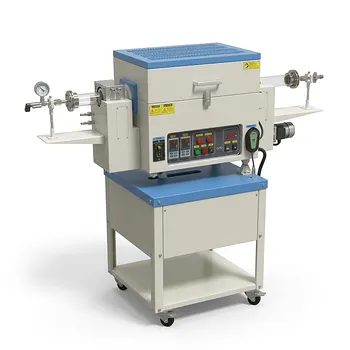
4 Inch Two Zone Rotary CVD Tube Furnace for High Temperature Battery Material Synthesis and Advanced Material Calcination
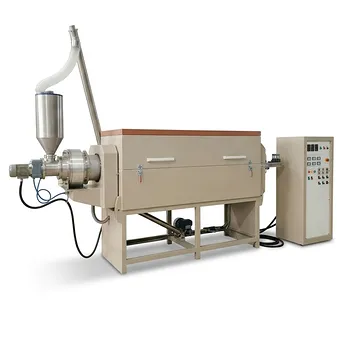
Continuous Feeding Rotary Tube Furnace for Industrial Powder Heat Treatment and Material Research
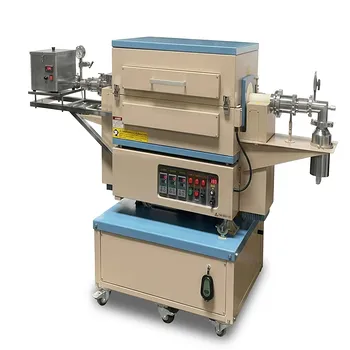
1500C 3-Zone Rotary Tube Furnace 60mm with Automatic Powder Feeding and Receiving System for Continuous Material Synthesis
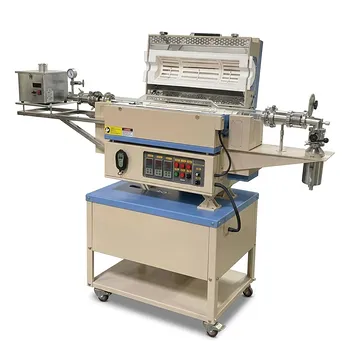
5 Inch Rotary Tube Furnace with Automatic Feeding and Receiving System 1200C Three Zone CVD Powder Processing
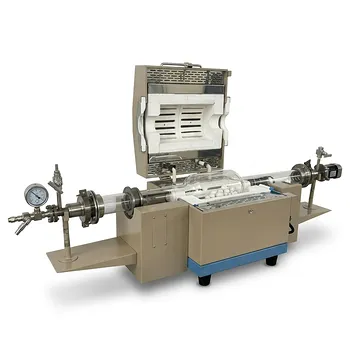
High Temperature Rotary Tube Furnace with Integrated Ball Milling and Gas Flow Function for Powder Nitriding

Vertical 1700C Vacuum and Atmosphere Tube Furnace with 80mm Alumina Tube
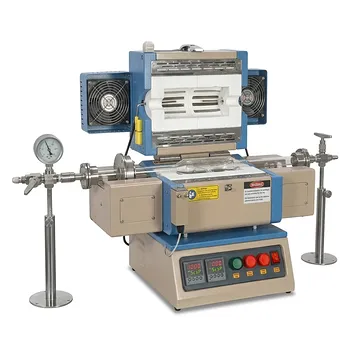
Dual Zone Rotary Tube Furnace for Uniform Powder Calcination 1000C 2 Inch Quartz Tube
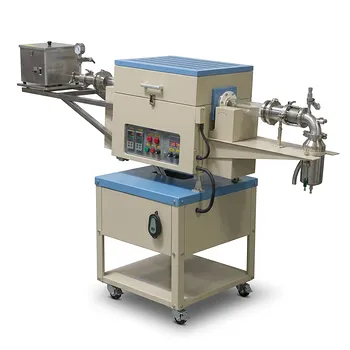
Two Zone Rotary CVD Furnace with Automatic Feeding and Receiving System for Powder Processing
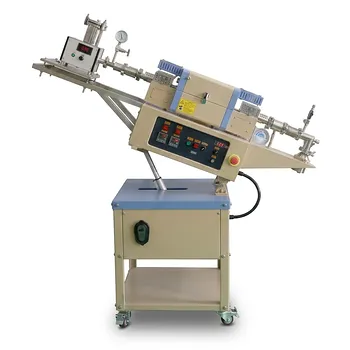
1100°C Dual Zone Rotary Tube Furnace with Automatic Feeding and Collection System for Continuous Powder Processing
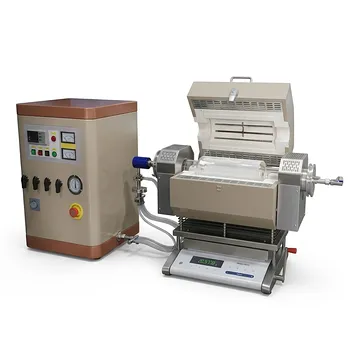
Mini Rotary Tubular Furnaces for Precision Powder Heat Treatment and Thermogravimetric Analysis
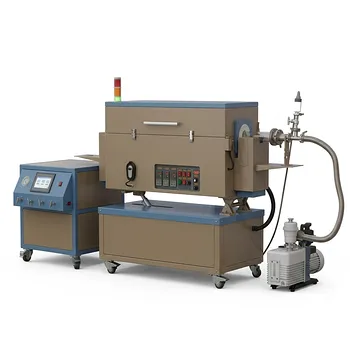
5 Inch Three Zone Rotary Tube Furnace with Integrated Gas Delivery System and 1200C Capability for Advanced Material CVD Processing