The Invisible Guardian: Why Precision Diamond Hydrogenation Demands Quantitative Scent
May 02, 2026
The Invisible Frontier of the Vacuum
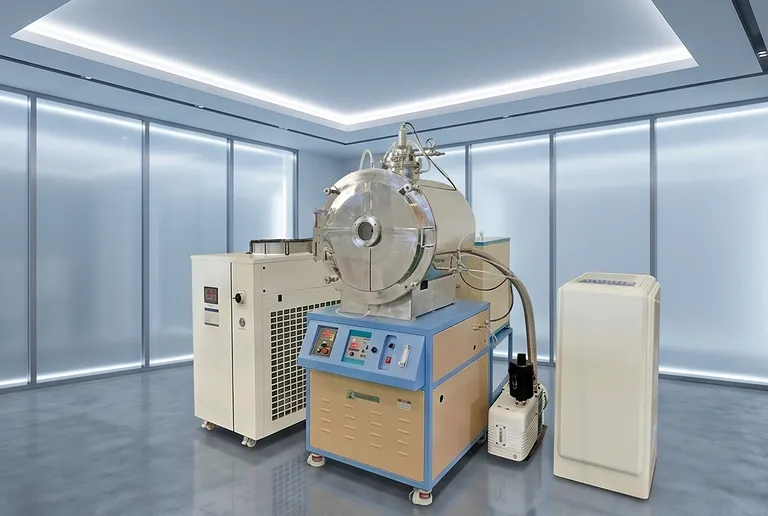
In the world of high-performance material science, we often mistake "empty" for "clean."
For engineers working on diamond hydrogenation, the vacuum chamber is never truly empty. It is a crowded harbor of molecules. Some belong there; others are silent saboteurs. A standard pressure gauge tells you how many molecules are in the room, but it doesn't tell you who they are.
This is the fundamental problem of "invisible variables." To achieve successful hydrogen termination on a diamond surface, you are managing a chemical transition so delicate that a handful of oxygen atoms can collapse the entire electronic potential of the material.
The 10 PPM Threshold: A Narrative of Failure
The goal of forming gas annealing is to replace oxygen atoms on the diamond surface with hydrogen. This transition grants the diamond high surface conductivity—a prerequisite for next-generation power electronics and quantum sensors.
Failure in this process is rarely loud. It is a "quiet" failure where:
- Trace Oxygen ($O_2$) and Water Vapor ($H_2O$): If levels exceed 10 parts per million (ppm), oxygen re-occupies the surface sites.
- Result: The diamond’s surface conductivity is neutralized. The run is a total loss, though the equipment appears to have operated perfectly.
The Residual Gas Analyzer (RGA) is the only tool that turns this "black box" into a transparent system. It provides the "quantitative scent" required to identify specific contaminants before they destroy the batch.
Why Speciation Beats Total Pressure
Total pressure is a blunt instrument. An RGA, however, provides a speciated breakdown of the environment. This distinction is critical for three systemic reasons:
1. Pre-Heating Purification
Before the furnace ramps to high temperatures, the RGA verifies that the purging phase was successful. If the RGA sees a spike in mass-28 (Nitrogen) or mass-32 (Oxygen), it indicates the "atmosphere" hasn't been fully evicted. Heating a diamond in the presence of residual air is a recipe for surface oxidation.
2. The Early Warning for Micro-Leaks
Quartz tubes and vacuum seals are prone to fatigue. A micro-leak might be too small to register on a standard vacuum gauge, but the RGA will immediately detect the characteristic "fingerprint" of atmospheric air leaking into the forming gas stream.
3. Monitoring the Outgassing Curve
As a furnace heats up, the internal components—and the sample itself—begin to "breathe" out trapped molecules. The RGA allows a technician to wait until the outgassing has stabilized. You don't move forward based on a clock; you move forward based on the chemistry.
Protecting the Sacred Geometry: NV Centers
In quantum research, preserving Nitrogen-Vacancy (NV) centers is the ultimate priority.
Many labs choose forming gas annealing over plasma treatment because it is a gentle, thermal process. Plasma treatment uses high-energy ion bombardment, which can physically damage the delicate near-surface lattice of the diamond.
However, thermal processes lack the "brute force" of plasma to overcome impurities. Therefore, the chemistry must be perfect. The RGA ensures that the hydrogen-nitrogen ratio is exact and that no secondary reactions interfere with the surface integrity.
The Strategy for Implementation
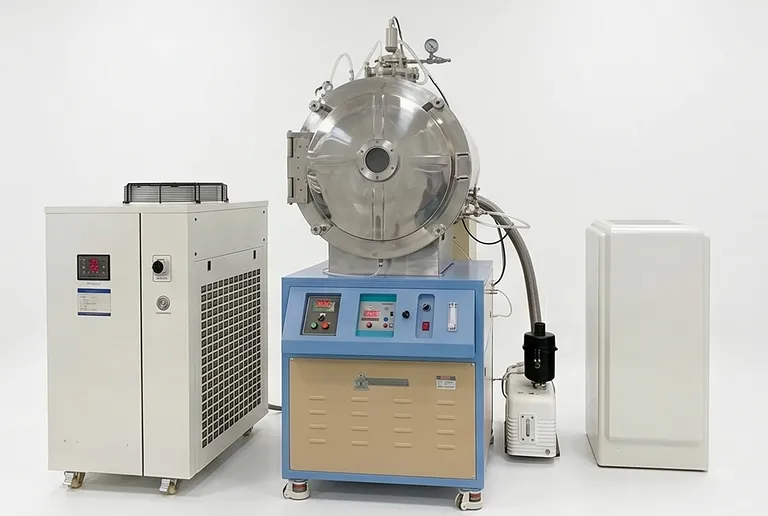
Integrating an RGA is an investment in reproducibility. In research, the most expensive data is the data you can't replicate.
| Feature | RGA Function | Impact on Diamond Quality |
|---|---|---|
| Purity Control | Real-time tracking of $O_2$ / $H_2O$ | Prevents oxidation by keeping levels <10ppm |
| Integrity Check | Identifies vacuum micro-leaks | Prevents "sudden death" of surface conductivity |
| Outgassing | Quantifies molecule release | Ensures chemical stability before heating |
| Surface Defense | Verifies thermal chemistry | Protects NV centers from ion damage |
The Engineer’s Conclusion
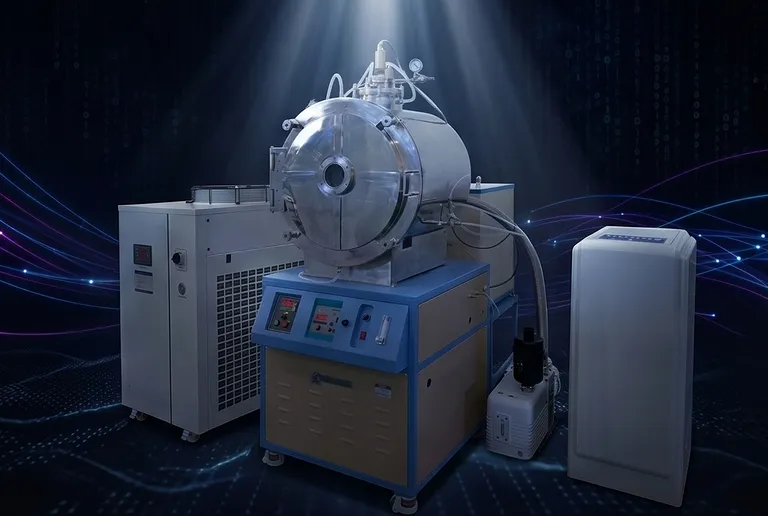
The RGA does not fix a vacuum, nor does it purify gas. It does something more important: it provides the truth. It allows the engineer to decide, with mathematical certainty, whether the environment inside the furnace is worthy of the high-value material placed within it.
At THERMUNITS, we understand that high-temperature R&D is a battle against invisible variables. Our range of Tube, Vacuum, and Atmosphere furnaces is designed to provide the stability and control required for the most demanding diamond hydrogenation protocols. Whether you are scaling a CVD process or protecting delicate NV centers, our thermal solutions provide the foundation for precision science.
Ensure your next run meets the 10ppm standard. Contact Our Experts
Quick Links
Suggested Products
Flammable Gas Control and Disposal Device with H2 Gas Leaking Detector and Safety Interlock System Automatic Flammable Gas Control and Disposal Device for Hydrogen Atmosphere Furnaces High Temperature Hydrogen Atmosphere Box Furnace 1650C Max Reducing Environment Material Synthesis System 8x8x8 Chamber Weighable Mini Rotary Tube Furnace for Dynamic Thermogravimetric Analysis and Powder Processing Three Zone Quartz Tube Furnace with 3 Channel Gas Mixer Vacuum Pump and Anti Corrosive Vacuum Gauge
ThermUnits
Last updated on Apr 15, 2026
Related Products
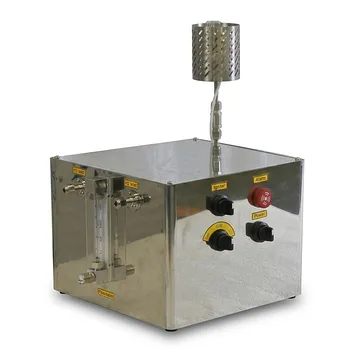
Flammable Gas Control and Disposal Device with H2 Gas Leaking Detector and Safety Interlock System
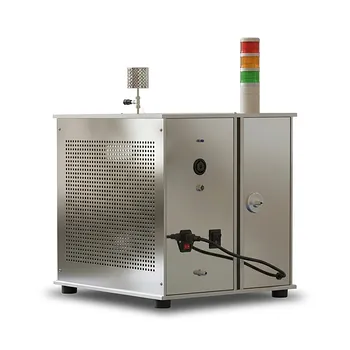
Automatic Flammable Gas Control and Disposal Device for Hydrogen Atmosphere Furnaces
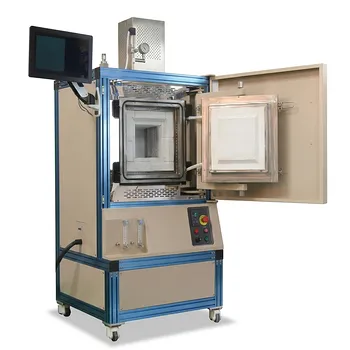
High Temperature Hydrogen Atmosphere Box Furnace 1650C Max Reducing Environment Material Synthesis System 8x8x8 Chamber
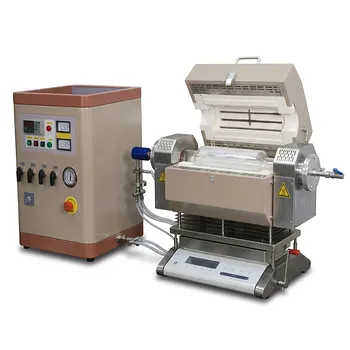
Weighable Mini Rotary Tube Furnace for Dynamic Thermogravimetric Analysis and Powder Processing
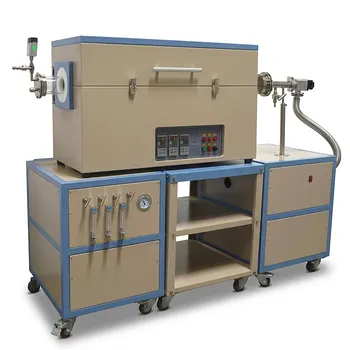
Three Zone Quartz Tube Furnace with 3 Channel Gas Mixer Vacuum Pump and Anti Corrosive Vacuum Gauge
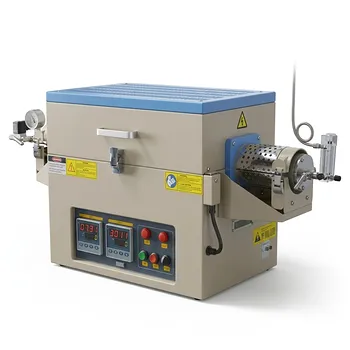
1100C Dual Zone Hydrogen Gas Tube Furnace with Quartz Tube and Integrated H2 Leak Detection System
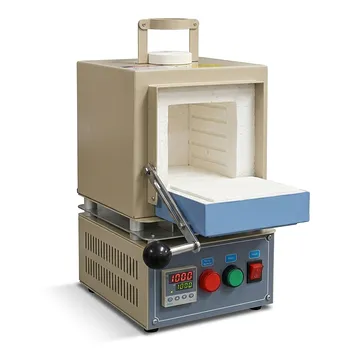
Compact 1000C Muffle Furnace with Programmable Controller and 2 Inch Top Port for Vacuum and Atmosphere Material Research
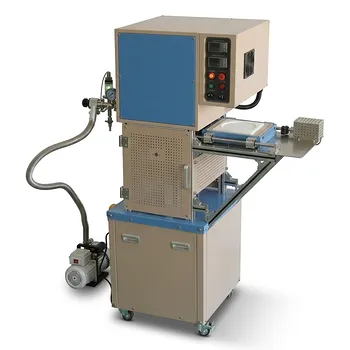
1200°C Bottom Loading Vacuum Furnace with Rapid Gas Cooling and 8.6 Inch Diameter Quartz Chamber
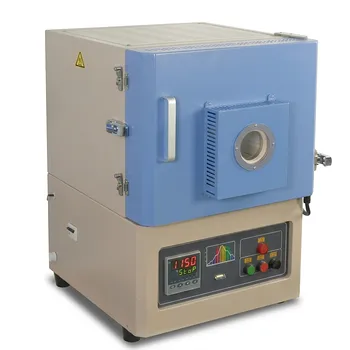
High Temperature Benchtop Muffle Furnace with Quartz Observation Window for Thermal Imaging and Material Analysis
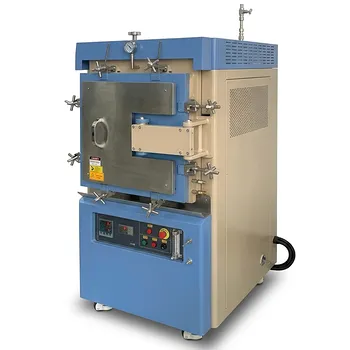
Atmosphere Controlled Muffle Furnace 1700C Maximum Temperature 80L High Capacity Vacuum Inert Gas Box Furnace
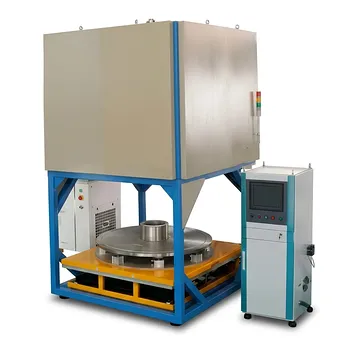
1400C Bottom Loaded Inert Gas Atmosphere Box Furnace with 125L Capacity and Precision Hydraulic Lift
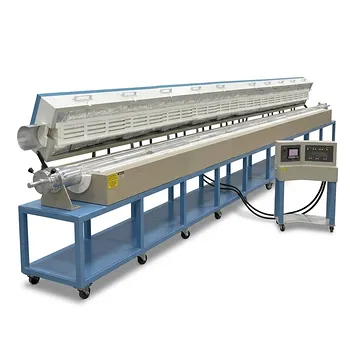
12 Zone Ultra Long Split Tube Furnace with 20 Foot Quartz Tube and 1100C Max Temperature
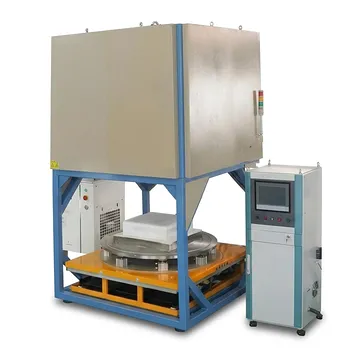
Bottom Loaded Inert Gas Atmosphere Box Furnace 1400C Maximum Temperature 125L High Capacity Laboratory Heat Treatment System
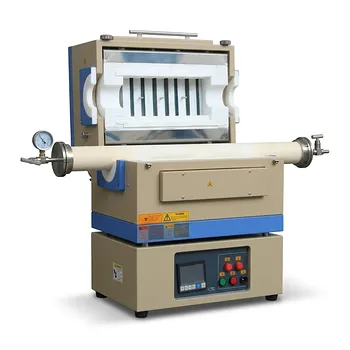
1500C Eight Zone Split Tube Furnace for Thermal Gradient Processing and Advanced Material Research
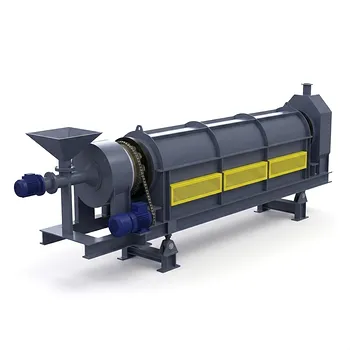
Electric Rotary Kiln Small Rotary Furnace for Activated Carbon Regeneration
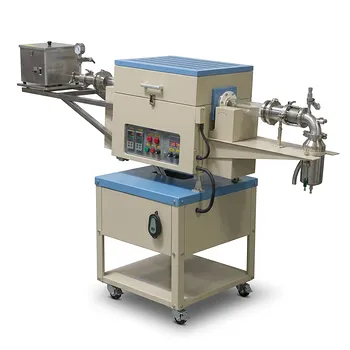
Two Zone Rotary CVD Furnace with Automatic Feeding and Receiving System for Powder Processing
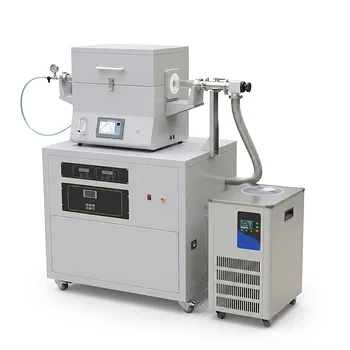
Split Chamber CVD Tube Furnace with Vacuum Station Chemical Vapor Deposition System Machine
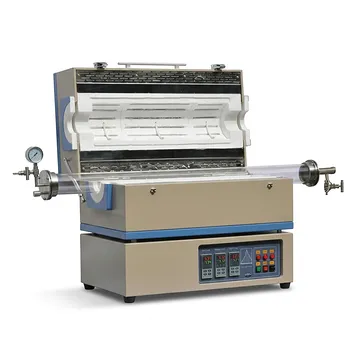
24 Inch Three Zone Split Tube Furnace with Optional Quartz Tube and Vacuum Flange System for High Temperature Material Synthesis
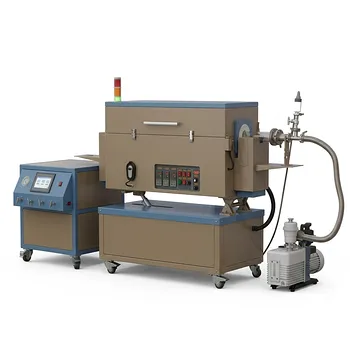
5 Inch Three Zone Rotary Tube Furnace with Integrated Gas Delivery System and 1200C Capability for Advanced Material CVD Processing