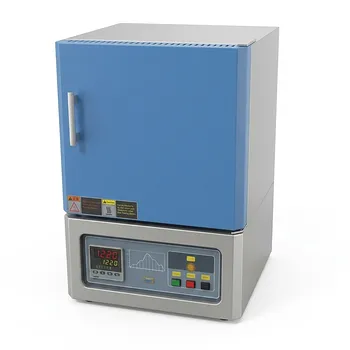
How do box-type and tube-type muffle furnaces differ in their application and design? Compare Features & Use Cases
Updated 5 months ago
The choice between a box-type and a tube-type muffle furnace is defined by your processing volume and your need for environmental control. Box-type furnaces utilize a rectangular, front-loading chamber optimized for batch processing of samples in crucibles. In contrast, tube-type furnaces use a cylindrical hollow tube designed for continuous processing, precise thermal gradients, and highly controlled atmospheres.
While both furnaces provide high-temperature heating, box-type units are the gold standard for batch uniformity and organic removal, whereas tube-type units are indispensable for specialized reactions and continuous material flows.
Structural and Loading Differences
The Box-Type Rectangular Chamber
Box-type furnaces feature a front-loading, rectangular cavity that serves as a static high-temperature reaction space. This design is specifically engineered to hold multiple crucibles or large parts simultaneously.
The Tube-Type Cylindrical Design
Tube-type furnaces consist of a hollow cylindrical tube that allows materials to pass through or remain sealed within. This configuration is often used for roll-to-roll applications or processes where the material moves through different temperature zones.
Primary Applications and Process Flow
Batch Processing and Organic Removal
Box furnaces are primarily used for dehydration, decomposition, and oxidation. They are the preferred choice for ashing and calcination because their stable thermal inertia ensures process repeatability across a batch of samples.
Continuous Flow and Thermal Gradients
Tube furnaces excel in continuous processing where materials are fed through the heating zone. Their design allows for the creation of precise thermal gradients, which is critical for specific chemical reactions or crystal growth.
Atmospheric Control and Gas Flow
While both can be modified, tube furnaces are naturally suited for sealed-tube reactions and maintaining specific gas environments. This makes them ideal for researchers who need to simulate very specific redox potentials or controlled atmospheres.
Understanding the Trade-offs
The Risk of Incomplete Decomposition
In certain applications, such as the calcination of nanoparticles, tube furnaces may leave black residues due to incomplete surfactant decomposition. Box-type furnaces typically offer superior internal atmosphere conditions, leading to pure white samples and higher crystalline quality.
Spatial Efficiency vs. Environmental Precision
Box furnaces offer more internal volume for treating various sample shapes at once. However, tube furnaces provide better environmental isolation, which is necessary for sensitive reactions that cannot be exposed to the general air atmosphere.
Selecting the Right Furnace for Your Laboratory
When deciding between these two configurations, consider the specific requirements of your material and your workflow volume.
- If your primary focus is high-volume batch testing or ashing: A box-type furnace is the best choice due to its front-loading convenience and superior ability to remove organic matter.
- If your primary focus is precise atmospheric control or continuous material feed: A tube-type furnace is required to manage gas flows and thermal gradients effectively.
- If your primary focus is achieving high-purity crystalline structures: The box-type furnace is often preferred to ensure complete decomposition and avoid residue.
By aligning your furnace selection with your specific thermal and atmospheric needs, you ensure the highest level of repeatability and purity in your results.
Summary Table:
| Feature | Box-Type Muffle Furnace | Tube-Type Muffle Furnace |
|---|---|---|
| Chamber Shape | Rectangular cavity | Cylindrical hollow tube |
| Loading Style | Front-loading (Batch) | Pass-through or sealed (Continuous) |
| Best Application | Ashing, calcination, organic removal | Crystal growth, CVD, redox reactions |
| Atmosphere | General or modified air | Highly controlled, sealed gas flow |
| Primary Benefit | High volume batch uniformity | Precise thermal gradients & isolation |
Elevate Your Research with Precision Thermal Solutions
Choosing the right furnace is critical for achieving high-purity results in material science and industrial R&D. THERMUNITS is a leading manufacturer of high-temperature laboratory equipment, offering a comprehensive range of thermal processing solutions tailored to your specific needs.
Whether you require a Box-type furnace for superior organic removal and batch consistency, or a Tube furnace for precise atmospheric control and continuous processing, our expert team is here to help. Our product line includes:
- Muffle, Vacuum, and Atmosphere Furnaces
- Tube and Rotary Furnaces
- CVD/PECVD Systems & Hot Press Furnaces
- Dental Furnaces & Electric Rotary Kilns
- Vacuum Induction Melting (VIM) & Thermal Elements
Don't settle for sub-optimal heat treatment. Contact THERMUNITS today to receive a professional consultation and discover how our advanced thermal systems can optimize your laboratory's efficiency and material quality.
Mentioned Products
- 1200C Muffle Furnace 12x8x5 7.2L Heating Chamber with Quartz Observation Window and Vent Port
- High Temperature 1200C Muffle Furnace 27L Volume 12x12x12 Chamber with Programmable PID Controller for Laboratory Material Science
- 1750C Compact Muffle Furnace 1.7L Ultra High Temperature Laboratory Sintering System for Advanced Ceramics and Material Science Research
- 1200C High Temperature 125L Muffle Furnace 5 Side Heating for Large Batch Sintering with Optional Alloy Debinding Chamber
- Ultra High Temperature Bench Top Muffle Furnace 1750C Sintering System with Kanthal Super Heating Elements and Precision Digital Control
People Also Ask
- What is the function of an experimental muffle furnace in the conversion of FeOOH to α-Fe2O3? Optimize Phase Transition
- Why is a muffle furnace required for MoO2@HCNF pre-oxidation? Crucial Steps for High-Performance Composites
- What is the function of a high-temperature Muffle furnace in removing residual solvents? Essential Bismuth Synthesis
- What is the function of Muffle furnace calcination? Essential steps for Pr-doped SrFeMoO6 Perovskite synthesis.
- What are the primary functions of a Muffle furnace in oxide calcination? Achieve high purity and phase control.

Tech Team · ThermUnits
Last updated on Apr 14, 2026
Related Products
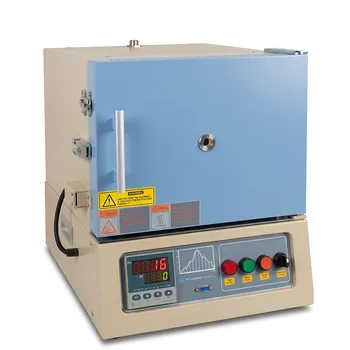
1200C Muffle Furnace 12x8x5 7.2L Heating Chamber with Quartz Observation Window and Vent Port
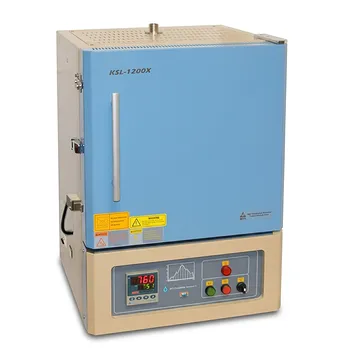
High Temperature 1200C Muffle Furnace 27L Volume 12x12x12 Chamber with Programmable PID Controller for Laboratory Material Science
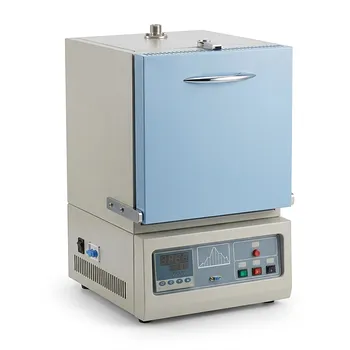
1750C Compact Muffle Furnace 1.7L Ultra High Temperature Laboratory Sintering System for Advanced Ceramics and Material Science Research
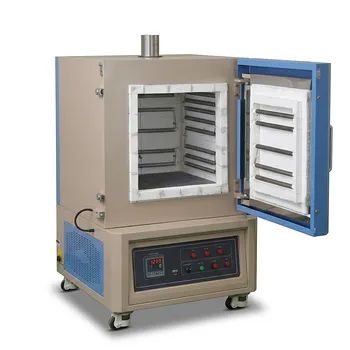
1200C High Temperature 125L Muffle Furnace 5 Side Heating for Large Batch Sintering with Optional Alloy Debinding Chamber
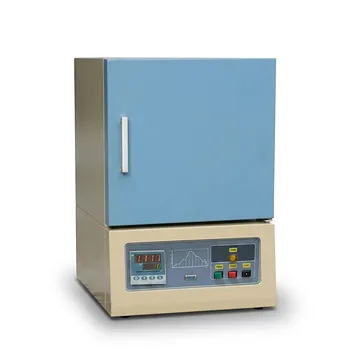
Ultra High Temperature Bench Top Muffle Furnace 1750C Sintering System with Kanthal Super Heating Elements and Precision Digital Control
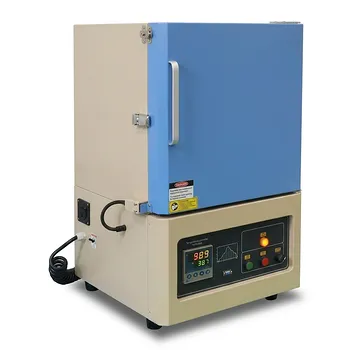
1200°C High Temperature Muffle Furnace 19L Chamber with 50 Segment Programmable Controller
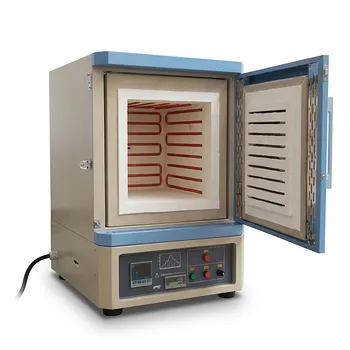
Five Side Heating Muffle Furnace 1200C High Uniformity 64L Chamber 16x16x16 Inch Industrial Heat Treatment
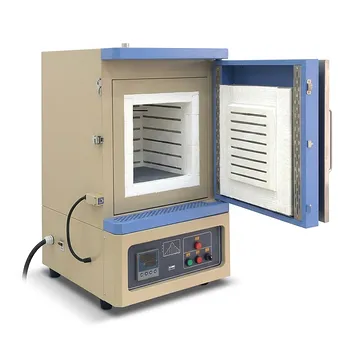
Five Side Heating Muffle Furnace High Purity Alumina Fiber 27L Chamber 1200C High Temperature Thermal Processing System for Sintering Annealing and Materials Research
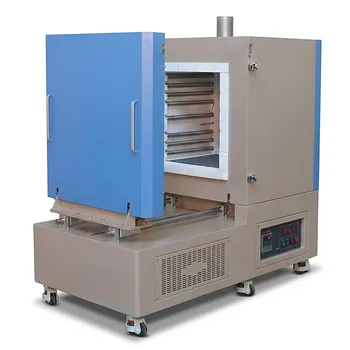
1200C Five Side Heating Muffle Furnace with Sliding Door 125L Volume High Temperature Heat Treatment System for Large Scale Sintering and Annealing
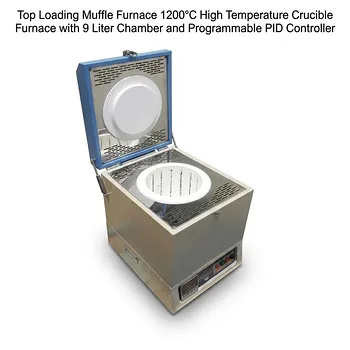
Top Loading Muffle Furnace 1200°C High Temperature Crucible Furnace with 9 Liter Chamber and Programmable PID Controller
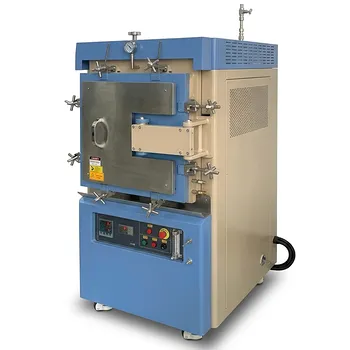
Atmosphere Controlled Muffle Furnace 1700C Maximum Temperature 80L High Capacity Vacuum Inert Gas Box Furnace
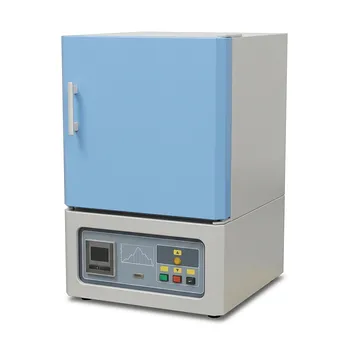
1800C Bench Top Muffle Furnace with Kanthal Super 1900 Heating Elements and 3.6L Alumina Fiber Chamber
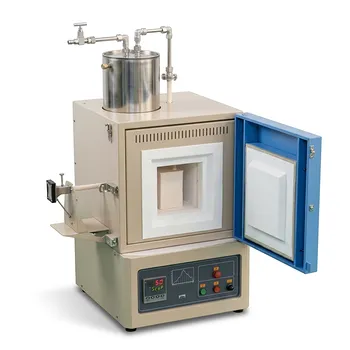
High Temperature Bench Top Muffle Furnace 1700C with Integrated Evaporating Particle Collection and 8x8x8 Alumina Fiber Chamber
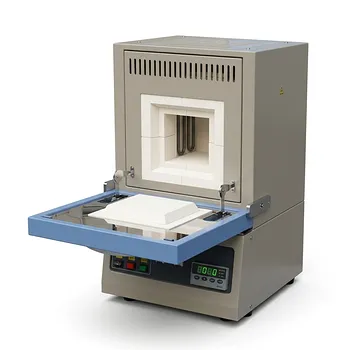
Five Sided Heating Muffle Furnace High Uniformity 1200C Lab Box Furnace 27L Alumina Fiber Chamber
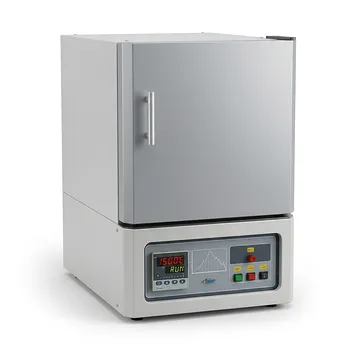
High Temperature 1500C Benchtop Muffle Furnace 3.6L Alumina Fiber Chamber Programmable Controller Sintering Annealing Carbonization Thermal Processing System
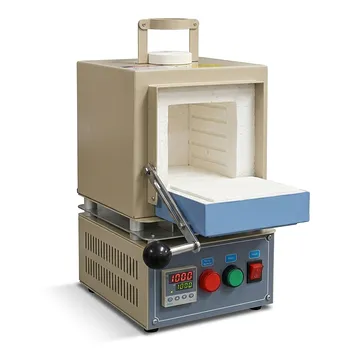
Compact 1000C Muffle Furnace with Programmable Controller and 2 Inch Top Port for Vacuum and Atmosphere Material Research
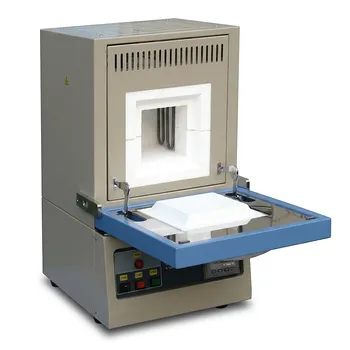
High Temperature 1800C Compact Muffle Furnace with Kanthal Super 1900 Heating Elements and 1.7L Alumina Chamber
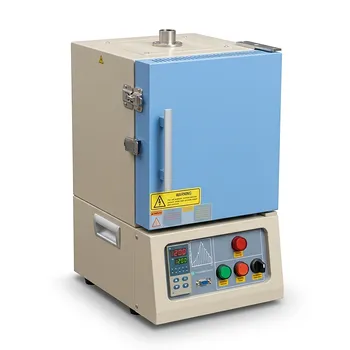
1200°C Small Box Furnace 4.2 Liter Programmable Muffle Furnace with High Purity Alumina Insulation and PID Control
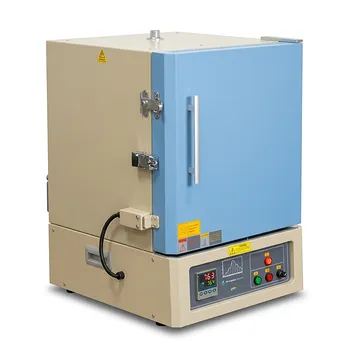
Large Capacity 1200C Muffle Furnace 64 Liter Chamber with Digital PID Controller and Built In Venting Port