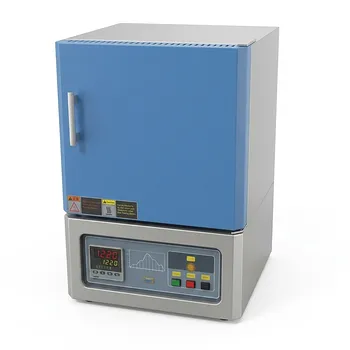
What is the primary function and design mechanism of a muffle furnace? Master Thermal Processing & Material Purity
Updated 5 months ago
A muffle furnace is a specialized high-temperature heating device designed to isolate a sample from fuel sources and combustion byproducts, such as gases, soot, and ash. This isolation is achieved through an internal chamber—the muffle—which ensures that the material being processed remains free from contamination while subjected to extreme heat. In modern electric designs, heat is transferred via conduction, convection, or radiation from resistance heating elements embedded in the chamber walls.
The core mechanism of a muffle furnace is the physical separation of the workpiece from the heating environment, providing a clean, stable, and uniform thermal field. This isolation is essential for processes requiring high purity and precise control over chemical stoichiometry and phase transformations.
The Engineering Behind the "Muffle" Design
The Physical Isolation Barrier
The defining feature of this equipment is the muffle, an inner chamber or enclosure that physically separates the sample from the heat source. By creating this barrier, the furnace prevents direct contact with flames or combustion impurities, which is critical for maintaining the integrity of sensitive materials.
Heat Transfer and Resistance Elements
In contemporary electric models, heating is generated by resistance elements typically embedded within or behind the refractory walls. Thermal energy is transferred to the sample through a combination of conduction, convection, and radiation, ensuring the environment is heated evenly without introducing turbulent gases.
Refractory Insulation and Thermal Stability
The chamber is surrounded by high-grade refractory materials that provide exceptional thermal insulation. This construction allows the furnace to maintain a stable, high-temperature static environment, which is necessary for managing the specific rates of material phase transformations.
Core Functions in Material Processing
Facilitating Phase Transitions and Atomic Diffusion
Muffle furnaces are primary tools for solid-state synthesis, where they provide the energy required for atomic diffusion between components. This stable heat facilitates the breaking and recombination of precursor molecular bonds, which is necessary to achieve the desired crystal structure in ceramic powders and inorganic materials.
Removal of Volatiles and Calcination
During the calcination process, the furnace drives off volatiles such as water and organic matter. This is essential for raw material pretreatment and debinding, ensuring that the final product reaches its intended chemical activity and density.
Controlling Atmospheric Reactions
By providing an oxidizing or neutral atmosphere, the muffle furnace supports specific chemical reactions like oxidation or wood carbonization. In biomass pyrolysis, for instance, the furnace excludes oxygen to convert organic material into high-fixed-carbon charcoal with high repeatability.
Understanding the Trade-offs
Thermal Inertia and Cooling Rates
The heavy refractory insulation that provides temperature stability also results in high thermal inertia. This means muffle furnaces typically heat up and cool down slowly, which may be a disadvantage for processes requiring rapid thermal cycling.
Atmospheric Control Limitations
While muffle furnaces provide a "clean" air atmosphere, they are generally less effective at maintaining high-vacuum or specialized gas-flow environments compared to tube furnaces. Achieving a strictly inert environment often requires additional specialized seals or gas purging systems.
Chamber Volume vs. Uniformity
While a larger "box" muffle furnace offers a spacious chamber for batch processing, maintaining temperature uniformity across a large volume can be challenging. Users must often account for slight thermal gradients between the center of the chamber and the areas near the door or heating elements.
Selecting the Right Approach for Your Goal
How to Apply This to Your Project
When determining if a muffle furnace is the correct tool for your thermal processing needs, consider the specific requirements of your material.
- If your primary focus is material purity: The muffle furnace is ideal because its isolation mechanism prevents sample contamination from heating elements or combustion byproducts.
- If your primary focus is crystal phase transition: Utilize the furnace’s precise temperature control programs to manage the specific rates of heating and soaking required for stable solid-state reactions.
- If your primary focus is large-scale batch pretreatment: A box-style muffle furnace with multi-sided heating technology is the best choice to provide a uniform thermal field for large volumes of powder.
- If your primary focus is removing organic binders: Ensure the furnace is rated for the specific temperature range (typically 500°C to 1000°C) required to thoroughly drive off volatiles and moisture.
The muffle furnace remains a definitive tool in laboratory and industrial settings for any process where the separation of the heat source and the workpiece is vital for chemical and structural integrity.
Summary Table:
| Feature | Mechanism/Design | Primary Benefit |
|---|---|---|
| The Muffle | Internal isolation chamber | Prevents sample contamination from heating elements/gases |
| Heating Elements | Resistance elements (embedded) | Provides uniform heat transfer via radiation and conduction |
| Insulation | High-grade refractory materials | Ensures high thermal stability and static heat environments |
| Atmosphere | Oxidizing or neutral air | Supports calcination, debinding, and solid-state synthesis |
| Control | Precise temperature programming | Enables accurate phase transitions and atomic diffusion |
Optimize Your Thermal Research with THERMUNITS
Precision in heat treatment is the foundation of breakthrough material science. THERMUNITS is a leading manufacturer dedicated to providing high-performance laboratory equipment for industrial R&D. From achieving complex crystal phase transitions to high-purity calcination, our equipment is engineered to meet the most rigorous standards.
Our comprehensive product line includes:
- Advanced Furnaces: Muffle, Vacuum, Atmosphere, Tube, Rotary, and Hot Press furnaces.
- Specialized Systems: CVD/PECVD systems, Vacuum Induction Melting (VIM) furnaces, and Electric Rotary Kilns.
- Laboratory Essentials: Dental Furnaces, high-quality Thermal Elements, and custom heat treatment solutions.
Ready to enhance your lab's efficiency and material integrity? Contact our technical experts today to discuss your specific requirements and discover how THERMUNITS can empower your next innovation.
Mentioned Products
- 1200C Muffle Furnace 12x8x5 7.2L Heating Chamber with Quartz Observation Window and Vent Port
- High Temperature 1200C Muffle Furnace 27L Volume 12x12x12 Chamber with Programmable PID Controller for Laboratory Material Science
- 1750C Compact Muffle Furnace 1.7L Ultra High Temperature Laboratory Sintering System for Advanced Ceramics and Material Science Research
- 1200C High Temperature 125L Muffle Furnace 5 Side Heating for Large Batch Sintering with Optional Alloy Debinding Chamber
- Ultra High Temperature Bench Top Muffle Furnace 1750C Sintering System with Kanthal Super Heating Elements and Precision Digital Control
People Also Ask
- What is the function of an experimental muffle furnace in the conversion of FeOOH to α-Fe2O3? Optimize Phase Transition
- Why is a muffle furnace required for MoO2@HCNF pre-oxidation? Crucial Steps for High-Performance Composites
- What is the function of a high-temperature Muffle furnace in removing residual solvents? Essential Bismuth Synthesis
- What is the function of Muffle furnace calcination? Essential steps for Pr-doped SrFeMoO6 Perovskite synthesis.
- What are the primary functions of a Muffle furnace in oxide calcination? Achieve high purity and phase control.

Tech Team · ThermUnits
Last updated on Apr 14, 2026
Related Products
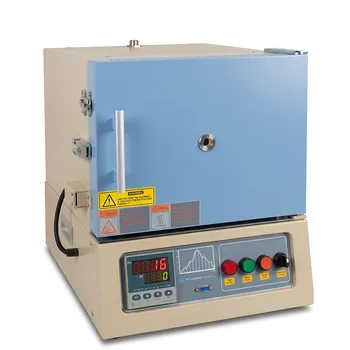
1200C Muffle Furnace 12x8x5 7.2L Heating Chamber with Quartz Observation Window and Vent Port
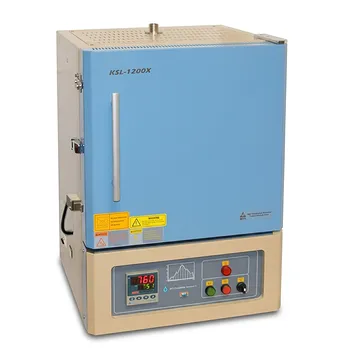
High Temperature 1200C Muffle Furnace 27L Volume 12x12x12 Chamber with Programmable PID Controller for Laboratory Material Science
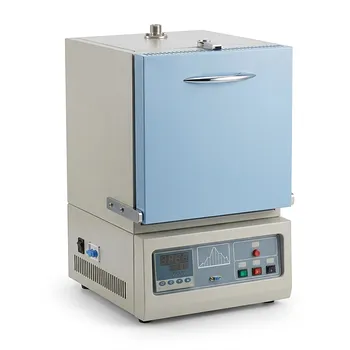
1750C Compact Muffle Furnace 1.7L Ultra High Temperature Laboratory Sintering System for Advanced Ceramics and Material Science Research
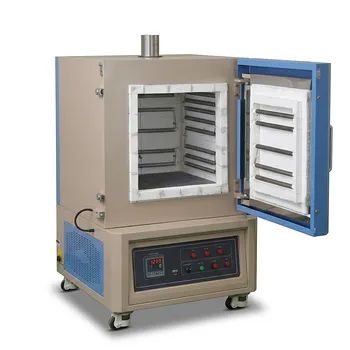
1200C High Temperature 125L Muffle Furnace 5 Side Heating for Large Batch Sintering with Optional Alloy Debinding Chamber
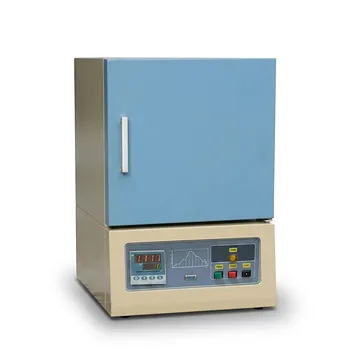
Ultra High Temperature Bench Top Muffle Furnace 1750C Sintering System with Kanthal Super Heating Elements and Precision Digital Control
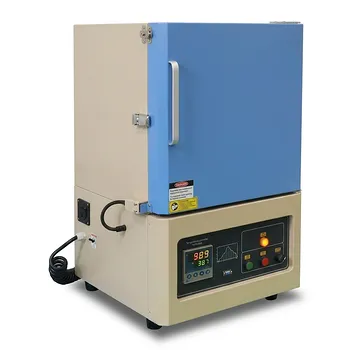
1200°C High Temperature Muffle Furnace 19L Chamber with 50 Segment Programmable Controller
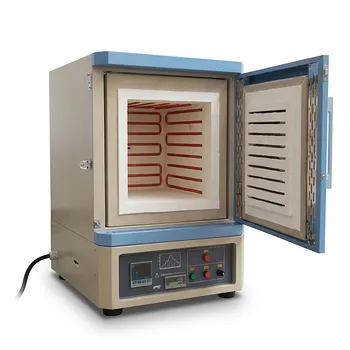
Five Side Heating Muffle Furnace 1200C High Uniformity 64L Chamber 16x16x16 Inch Industrial Heat Treatment
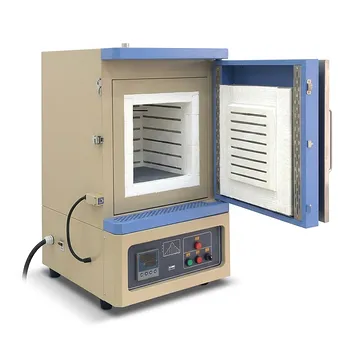
Five Side Heating Muffle Furnace High Purity Alumina Fiber 27L Chamber 1200C High Temperature Thermal Processing System for Sintering Annealing and Materials Research
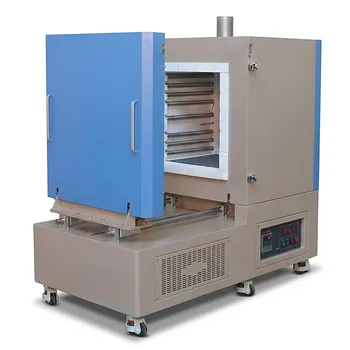
1200C Five Side Heating Muffle Furnace with Sliding Door 125L Volume High Temperature Heat Treatment System for Large Scale Sintering and Annealing
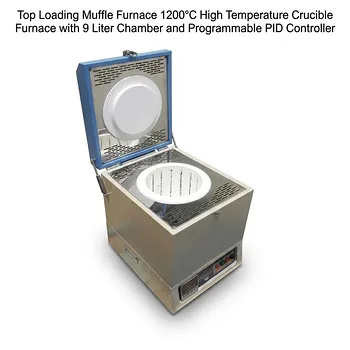
Top Loading Muffle Furnace 1200°C High Temperature Crucible Furnace with 9 Liter Chamber and Programmable PID Controller
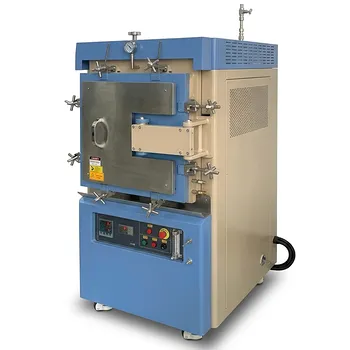
Atmosphere Controlled Muffle Furnace 1700C Maximum Temperature 80L High Capacity Vacuum Inert Gas Box Furnace
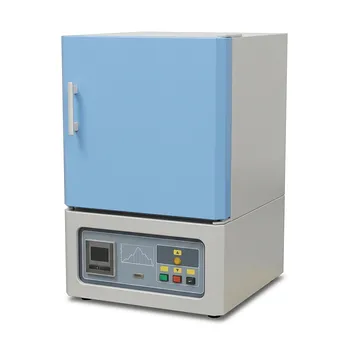
1800C Bench Top Muffle Furnace with Kanthal Super 1900 Heating Elements and 3.6L Alumina Fiber Chamber
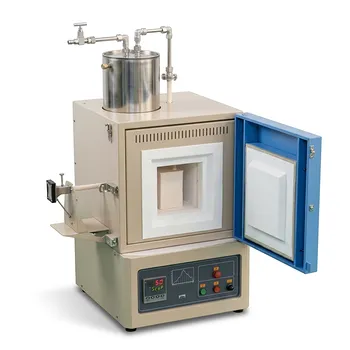
High Temperature Bench Top Muffle Furnace 1700C with Integrated Evaporating Particle Collection and 8x8x8 Alumina Fiber Chamber
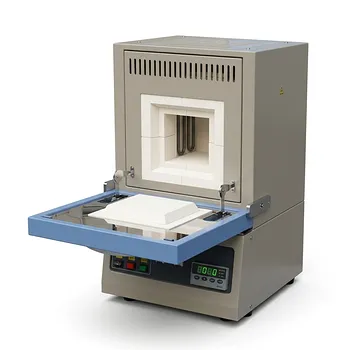
Five Sided Heating Muffle Furnace High Uniformity 1200C Lab Box Furnace 27L Alumina Fiber Chamber
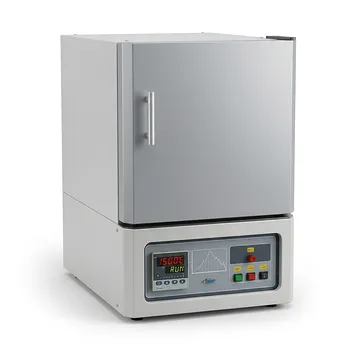
High Temperature 1500C Benchtop Muffle Furnace 3.6L Alumina Fiber Chamber Programmable Controller Sintering Annealing Carbonization Thermal Processing System
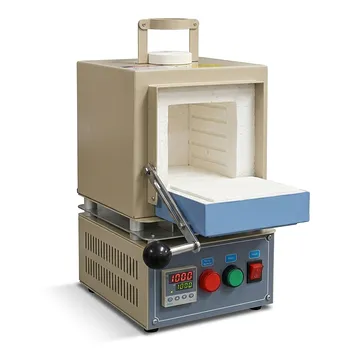
Compact 1000C Muffle Furnace with Programmable Controller and 2 Inch Top Port for Vacuum and Atmosphere Material Research
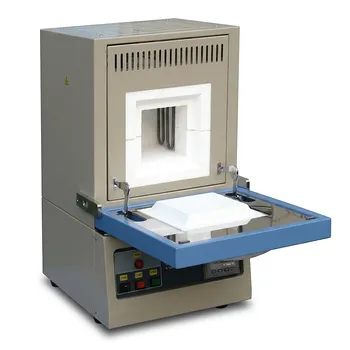
High Temperature 1800C Compact Muffle Furnace with Kanthal Super 1900 Heating Elements and 1.7L Alumina Chamber
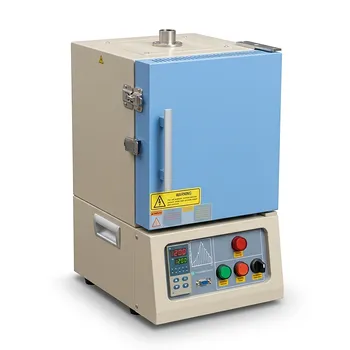
1200°C Small Box Furnace 4.2 Liter Programmable Muffle Furnace with High Purity Alumina Insulation and PID Control
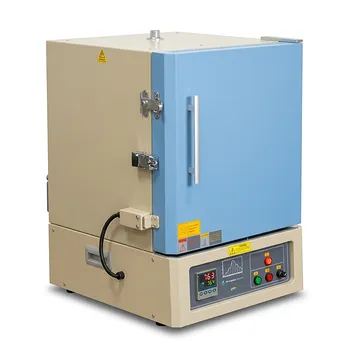
Large Capacity 1200C Muffle Furnace 64 Liter Chamber with Digital PID Controller and Built In Venting Port