How do a copper cooling core and a water-cooling system function together? Master Directional Solidification Precision
Updated 3 months ago
In directional solidification equipment, the copper cooling core and water-cooling system function as an integrated thermal terminal designed to maximize heat extraction rates. The copper core utilizes its exceptional thermal conductivity to pull heat directly from the bottom of the alloy sample. This heat is then transferred to a continuous water-cooling circulation system that carries the energy away, maintaining a constant and aggressive cooling environment.
The combination of a high-conductivity copper interface and active liquid cooling creates the stable, steep temperature gradient necessary for unidirectional solidification. This synergy ensures that the solidification front moves predictably through the material, resulting in an ordered crystalline structure.
The Mechanics of Rapid Heat Extraction
The Role of the Copper Cooling Core
Copper serves as the primary interface between the sample and the cooling system due to its ability to transfer energy almost instantly. It acts as a thermal bridge, pulling heat from the molten alloy sample at the point of contact to initiate the solidification process.
Continuous Heat Removal via Water Circulation
If the copper core were used alone, it would eventually saturate with heat and lose its effectiveness. The water-cooling circulation system prevents this by constantly flushing the core with cool liquid, maintaining its capacity to absorb energy from the sample.
Achieving Precision Directional Solidification
Establishing the Temperature Gradient
For directional solidification to occur, the equipment must maintain a high temperature gradient between the molten zone and the solidified zone. The cooling terminal ensures the bottom of the sample remains cold, while the furnace keeps the top hot, forcing the grain structure to grow in a single, upward direction.
Integration with Stepper Motor Dynamics
The cooling system does not work in isolation; it operates in tandem with a stepper motor that moves the sample through the thermal field. As the motor pulls the sample away from the heat source, the copper core ensures the solidification front remains stable and ordered.
Understanding the Trade-offs and Constraints
Thermal Interface Resistance
The efficiency of this system is heavily dependent on the quality of the contact between the sample and the copper core. Any air gaps or surface irregularities can introduce thermal resistance, which disrupts the temperature gradient and leads to structural defects in the alloy.
Sensitivity to Flow Rates
The water-cooling system must maintain a consistent and precise flow rate to ensure steady-state cooling. Fluctuations in water pressure or temperature can cause the solidification rate to vary, potentially leading to misoriented grains or "freckles" in the final aluminum-silicon alloy.
Optimizing the Cooling Interface for Material Quality
To achieve the best results with this cooling configuration, you must align the system parameters with your specific metallurgical requirements.
- If your primary focus is maximizing the temperature gradient: Ensure the copper core surface is polished and the water flow rate is set to its highest stable capacity to maximize heat flux.
- If your primary focus is achieving uniform microstructure in Al-Si alloys: Coordinate the stepper motor speed precisely with the cooling rate to maintain a flat and consistent solidification front throughout the process.
This integrated cooling approach provides the thermal precision required to transform raw alloys into high-performance materials with tailored microstructural properties.
Summary Table:
| Component | Primary Role | Core Benefit |
|---|---|---|
| Copper Cooling Core | Thermal Interface | Rapidly pulls heat from samples via high thermal conductivity |
| Water-Cooling System | Heat Removal | Prevents thermal saturation by continuously flushing energy away |
| Integrated System | Gradient Management | Creates the steep temperature gradient needed for unidirectional growth |
| Stepper Motor | Kinetic Control | Ensures stable solidification front movement through the thermal field |
Optimize Your Thermal Research with THERMUNITS
Achieve unprecedented precision in your material science and industrial R&D projects with THERMUNITS. As a leading manufacturer of high-temperature laboratory equipment, we provide the cutting-edge thermal processing solutions required for complex processes like directional solidification.
From high-performance Vacuum, Atmosphere, and Hot Press furnaces to specialized CVD/PECVD systems, Rotary Kilns, and Vacuum Induction Melting (VIM) furnaces, our equipment is engineered for reliability and precision.
Ready to enhance your lab's capabilities? Contact our expert team today to discuss how our heat treatment solutions can transform your research outcomes.
References
- Éva Kócsák, Zsolt Veres. Effect of the solidification front velocity on the microstructure of the eutectic in a hypereutectic Al-Si alloy. DOI: 10.35925/j.multi.2024.3.8
Mentioned Products
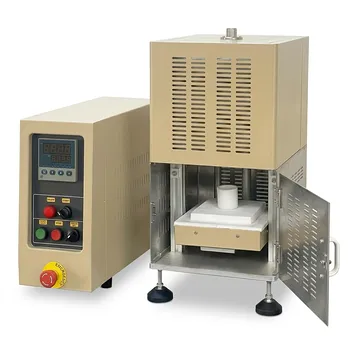
- 1200C Compact Automatic Bottom Loading Furnace with Precision Controller and Rapid Cooling Capability
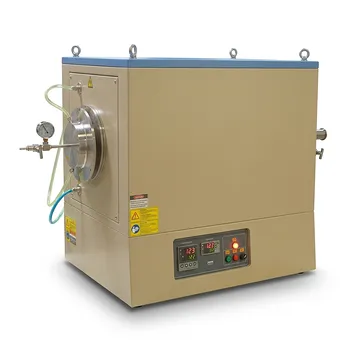
- 1100°C Large Diameter Quartz Tube Furnace with 24 Inch Heating Zone and Water Cooled Flanges
People Also Ask
- What are the advantages of using a Bottom-Loading High-Temperature Furnace in Barium Titanate Fast Firing? Superior Microstructure
- What are the functional advantages of a motorized bottom-loading lift table in dental furnace design? Superior Precision
- Why is a porcelain boat used for N-C@Bi annealing? Ensure Purity & Thermal Stability for Your Nanocomposites
- How does the cooling and quenching system function in a vacuum furnace? Achieve Precision Heat Treatment Results
- What is the significance of rapid cooling of the quartz tube following the selective epitaxial growth of Sb2Te3? | 2QL

Tech Team · ThermUnits
Last updated on Jun 02, 2026