How does the cooling and quenching system function in a vacuum furnace? Achieve Precision Heat Treatment Results
Updated 5 months ago
The cooling and quenching system in a vacuum furnace functions by circulating high-pressure inert gases or quenching oils to rapidly remove heat from a workpiece within an oxygen-free environment. This process relies on high-speed fans, integrated heat exchangers, and precise pressure regulation to control the cooling rate, ensuring the material reaches its desired metallurgical state without oxidation or significant distortion.
The core purpose of the vacuum cooling system is to manage the transition of a material's microstructure—typically moving quickly through the austenite phase to reach the martensite zone—by using controlled gas velocity and pressure to achieve uniform and repeatable results.
The Mechanics of High-Pressure Gas Quenching (HPGQ)
The Role of Inert Gases
The system primary utilizes inert gases such as nitrogen, argon, or helium as the cooling medium. These gases travel through the furnace's hot zone, absorbing thermal energy from the surface of the workpieces without reacting with the metal.
High-Velocity Circulation
High-powered fans, often operating at speeds between 1.5 to 30 s⁻¹, circulate the gas through the chamber. This rapid movement is essential for maintaining a high heat transfer coefficient at the steel-gas interface, allowing for faster cooling than static gas could provide.
Thermal Extraction via Heat Exchangers
An integrated heat exchanger is positioned within the gas circulation path to strip heat from the quenching gas. By rapidly cooling the gas before it is recirculated, the system maintains a high temperature differential between the gas and the workpiece, which is critical for consistent quenching.
Managing Material Microstructure and Stress
Controlling the Martensitic Transformation
In tool steels, the system must navigate the transition from undercooled austenite to the martensitic transformation zone. By regulating gas pressure—reaching levels as high as 9.5 bar—and flow rate, operators can ensure the cooling rate is fast enough to achieve high hardness while minimizing thermal stress.
Pressure as a Cooling Variable
Increasing the pressure of the nitrogen or helium directly increases the density of the cooling medium. This allows for more efficient heat extraction, which is necessary for thicker sections of steel that would otherwise cool too slowly to harden properly.
Prevention of Surface Defects
Because the cooling occurs in a vacuum or high-purity gas environment, the steel is protected from oxidation and decarburization. This ensures that the final product maintains a uniform hardness layer and stable alloy composition on the surface.
Protecting Furnace Integrity
Double-Walled Water Cooling
Most vacuum furnaces utilize a water-cooled shell to protect the external structure and vacuum seals. This prevents the high temperatures of the internal hot zone from damaging precision components or causing the furnace exterior to become a safety hazard.
Thermal Radiation Mitigation
The water cooling system is also vital during the cooling cycle of processes like vacuum brazing. It helps manage the cooling rate to mitigate thermal stresses caused by different coefficients of thermal expansion between substrates and coatings.
Understanding the Trade-offs
Gas Quenching vs. Oil Quenching
While High-Pressure Gas Quenching (HPGQ) provides the cleanest results and the least amount of distortion, it may not be fast enough for certain low-alloy steels. In these cases, integrated oil quenching is used, which offers a much higher cooling rate but requires more intensive cleaning and maintenance to prevent vacuum contamination.
Power Consumption and Mechanical Stress
Operating fans at maximum velocity and maintaining internal pressures near 10 bar significantly increases energy consumption and mechanical wear on the furnace. Over-quenching can also lead to "quench cracking" in sensitive geometries if the cooling rate is not precisely programmed.
How to Apply This to Your Project
Recommendations for Quenching Strategy
- If your primary focus is minimizing part distortion: Utilize High-Pressure Gas Quenching (HPGQ) with nitrogen at moderate pressures to ensure gradual, uniform heat removal.
- If your primary focus is achieving maximum hardness in thick sections: Select a system capable of high-pressure quenching (above 6 bar) or consider a vacuum-to-oil quench furnace.
- If your primary focus is surface finish and brightness: Use argon or helium as your quenching gas to ensure zero chemical interaction with the material surface during cooling.
Optimizing your vacuum cooling system allows you to bridge the gap between achieving peak material hardness and maintaining the dimensional integrity of your components.
Summary Table:
| Component/Method | Primary Function | Key Advantage |
|---|---|---|
| Inert Gas (N2, Ar, He) | Circulates to absorb thermal energy | Prevents oxidation and surface defects |
| High-Pressure Quenching | Increases gas density for heat extraction | Hardens thick sections effectively |
| Heat Exchanger | Rapidly strips heat from quenching gas | Maintains high temperature differential |
| High-Speed Fans | Forced convection through hot zone | Ensures uniform cooling rates |
| Double-Walled Shell | Water-cooled external protection | Protects vacuum seals and structural integrity |
Elevate your material science R&D with THERMUNITS' advanced thermal solutions. As a leading manufacturer of high-temperature laboratory equipment, we provide the precision cooling and quenching technologies needed to achieve peak material hardness without distortion. Whether your application requires Vacuum, Atmosphere, Muffle, Tube, or Hot Press furnaces, or advanced CVD/PECVD systems, our expertise ensures repeatable, high-quality results for industrial and research workflows. Contact our specialists at THERMUNITS today to optimize your heat treatment process!
Mentioned Products
- Bottom Loading Vacuum Furnace 1200C Rapid Cooling Atmosphere Control Quartz Chamber
- 1200°C Bottom Loading Vacuum Furnace with Rapid Gas Cooling and 8.6 Inch Diameter Quartz Chamber
- Dual Zone Split Tube Quenching Furnace with High Vacuum Atmosphere Control and Rapid Cooling
- High Temperature Vertical Atmosphere Controlled Furnace 1700C Automatic Bottom Loading 13 Liter Vacuum Thermal System
- Compact Split Tube Furnace with Integrated Vacuum System and Precision Temperature Calibrator
People Also Ask
- How does the choice of hot-zone materials, such as graphite or refractory metals, affect vacuum furnace performance? Guide
- What role does vacuum furnace technology play in the aerospace and aviation industry? | Advanced Heat Treatment
- What are the technical advantages of using a vacuum furnace over a traditional atmosphere furnace? Maximize Purity
- How do vacuum furnaces facilitate high purity in the electronics and semiconductor industry? Elevate Material Standards
- Why is vacuum-assisted firing important for the production of dental veneers? Enhance Strength and Aesthetic Realism

Tech Team · ThermUnits
Last updated on Apr 14, 2026
Related Products
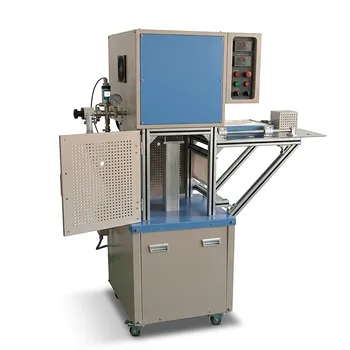
Bottom Loading Vacuum Furnace 1200C Rapid Cooling Atmosphere Control Quartz Chamber
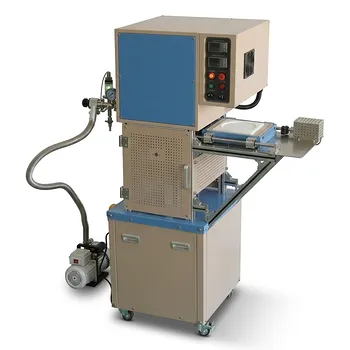
1200°C Bottom Loading Vacuum Furnace with Rapid Gas Cooling and 8.6 Inch Diameter Quartz Chamber
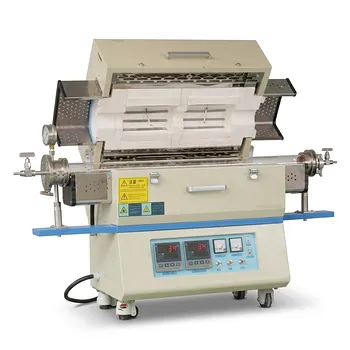
Dual Zone Split Tube Quenching Furnace with High Vacuum Atmosphere Control and Rapid Cooling
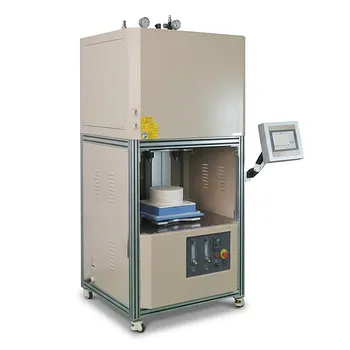
High Temperature Vertical Atmosphere Controlled Furnace 1700C Automatic Bottom Loading 13 Liter Vacuum Thermal System
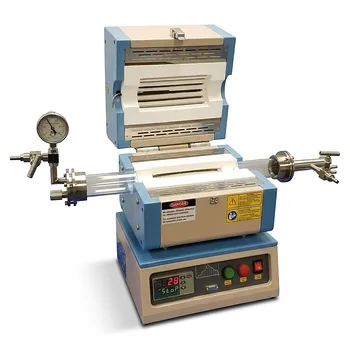
Compact Split Tube Furnace with Integrated Vacuum System and Precision Temperature Calibrator
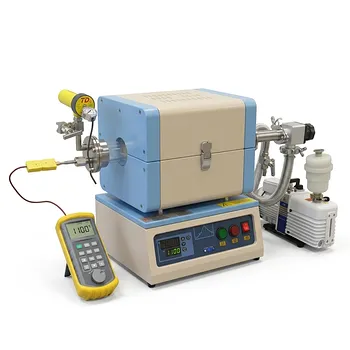
Compact Split Tube Furnace with Insertable Temperature Calibrator and Integrated Vacuum System

High Temperature 1700C Six Zone Split Tube Furnace with Alumina Tube and Water Cooled Flanges
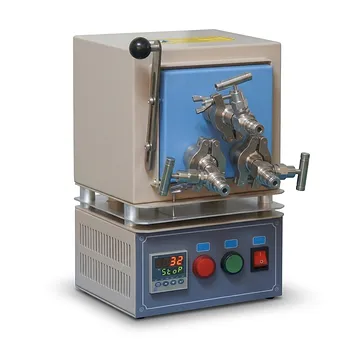
Triple Tube Compact Hybrid Muffle Furnace 1000C High Vacuum Thermal Processing System
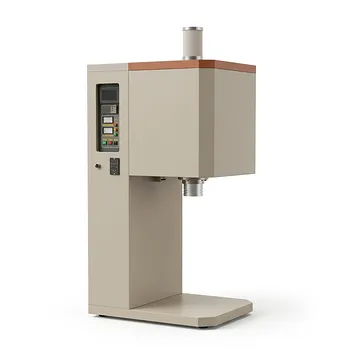
Vertical Openable Tube Furnace 0-1700c High Temperature Laboratory System for CVD and Vacuum Heat Treatment
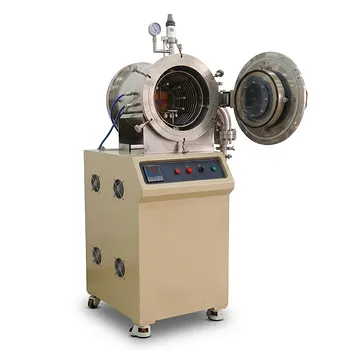
High Temperature Cold Wall High Vacuum Chamber Furnace 1400C for Advanced Material Processing
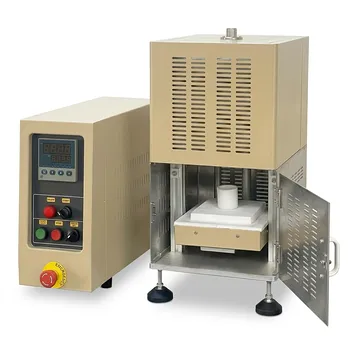
1200C Compact Automatic Bottom Loading Furnace with Precision Controller and Rapid Cooling Capability
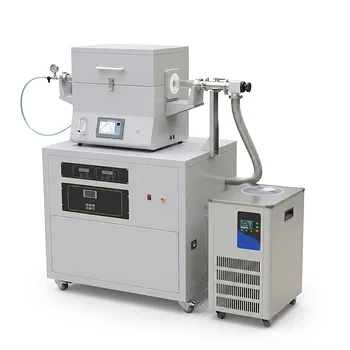
Split Chamber CVD Tube Furnace with Vacuum Station Chemical Vapor Deposition System Machine
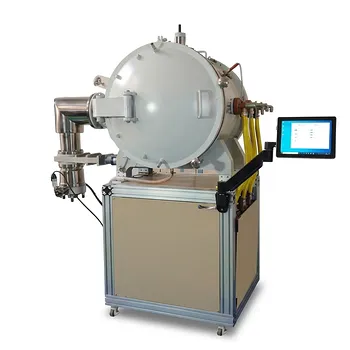
High Temperature Cold Wall Vacuum Furnace for Advanced Material Sintering and Annealing 1600C Heating Area 200x200x300mm
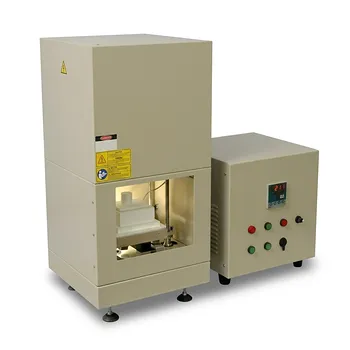
High Temperature Compact Automatic Bottom Loading Furnace with Rapid Cooling for Autonomous Material Research
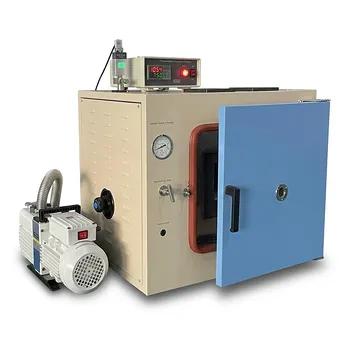
Compact High Vacuum Box Furnace 1050C Max 6.2L Ceramic Chamber Stainless Steel Shell Programmable Temperature Controller for Material Science Research
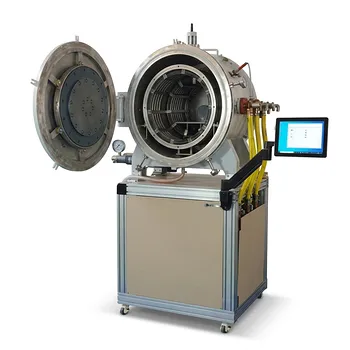
1600°C Cold Wall High Vacuum Chamber Furnace with Molybdenum Heating and 400mm Cube Work Zone
Three Temperature Zone High Temperature Vacuum Tube Furnace for CVD and Material Sintering

Compact Vertical Split Quartz Tube Furnace with Stainless Steel Vacuum Flanges for Rapid Thermal Quenching and Controlled Atmosphere Material Processing
High Temperature Dual Zone Vacuum Tube Furnace for Material Research and CVD Processing