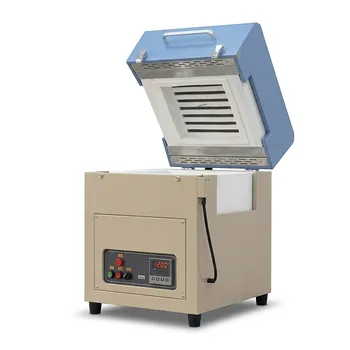
What are the advantages of using a Bottom-Loading High-Temperature Furnace in Barium Titanate Fast Firing? Superior Microstructure
Updated 3 months ago
Bottom-loading high-temperature furnaces facilitate superior Fast Firing (FF) of Barium Titanate by providing instantaneous thermal shock and rapid quenching. This specific equipment allows for nearly immediate exposure to target temperatures, enabling precise control over phase transitions while strictly inhibiting the excessive grain growth that typically degrades material performance.
The core advantage of a bottom-loading furnace lies in its ability to decouple the heating rate of the chamber from the heating rate of the sample. By introducing material directly into a preheated environment, manufacturers can achieve the rapid thermal processing necessary to maintain high specific surface area in Barium Titanate.
Achieving Extreme Heating Rates via Thermal Shock
The Mechanics of Rapid Lift Introduction
A bottom-loading furnace utilizes a motorized lift to transition Barium Titanate components from room temperature into a preheated high-temperature chamber. This eliminates the "ramp-up" time associated with traditional furnaces, where the sample and the heating elements must heat up together slowly.
Inducing Intense Thermal Shock
By placing samples on a tray and lifting them into the hot zone, the material undergoes intense thermal shock. This mechanism is the foundation of the Fast Firing process, ensuring that the kinetic energy required for sintering is delivered almost instantaneously to the ceramic body.
Comparison to Conventional Tube Furnaces
While high-atmosphere tube furnaces can achieve heating rates of up to 60 °C per minute, the bottom-loading design effectively surpasses this by providing an environment that is already at the target temperature. This allows for even tighter control over the Rapid Heating-Short Exposure (RHSE) cycle.
Precision Control of Phase and Microstructure
Managing Phase Stability
Fast sintering in an air atmosphere is critical for controlling the phase stability of Barium Titanate. The ability to reach temperatures between 700 °C and 1000 °C quickly ensures the material transitions correctly from an amorphous state to the desired cubic or tetragonal phases.
Inhibiting Excessive Grain Growth
The primary challenge in Barium Titanate processing is preventing grains from growing too large, which reduces the effective surface area. Because the bottom-loading furnace allows for exposure times as short as five minutes, the material densifies before the grains have the opportunity to coalesce and expand.
Rapid Quenching and Cooling
Just as the furnace allows for rapid heating, the bottom-loading mechanism enables rapid quenching by lowering the tray out of the chamber immediately after the sintering dwell. This "freezes" the microstructure in its optimal state, preventing secondary grain growth during a slow cooling phase.
Understanding the Trade-offs
Risk of Structural Macro-Cracking
The same intense thermal shock that enables fast firing can also be a liability. If the Barium Titanate components are too large or have complex geometries, the rapid expansion caused by the temperature spike can lead to mechanical failure or macro-cracking.
Equipment Wear and Energy Loss
Opening the bottom of a hot furnace leads to significant heat loss and thermal stress on the furnace refractory materials. This requires a robust heating system capable of recovering the setpoint temperature quickly after the tray is inserted, which can increase operational costs.
Sensitivity to Loading Density
The consistency of the Fast Firing process depends heavily on the loading density of the tray. If samples are stacked too closely, the "shadowing" effect can prevent uniform thermal shock, leading to inconsistent phase transitions across the batch.
How to Apply This to Your Project
Recommendations for Material Optimization
The choice to use a bottom-loading furnace should be driven by your specific requirements for grain size and dielectric properties.
- If your primary focus is maximizing specific surface area: Use the bottom-loading furnace to minimize dwell time at peak temperature, as this is the most effective way to "lock in" a fine-grained microstructure.
- If your primary focus is achieving specific phase transitions: Ensure the furnace is preheated at least 50 °C above the transition point to account for the brief temperature drop that occurs during sample loading.
- If your primary focus is preventing component failure: Implement a stepped-loading procedure where the lift pauses briefly near the chamber opening to allow for a minor, controlled pre-heat before full immersion.
By leveraging the unique thermal dynamics of bottom-loading systems, you can achieve a level of microstructural precision that conventional sintering methods simply cannot match.
Summary Table:
| Key Advantage | Technical Mechanism | Material Impact |
|---|---|---|
| Rapid Thermal Shock | Lift introduction into a preheated chamber | Decouples sample heating from chamber ramp-up |
| Grain Growth Inhibition | Short dwell times (approx. 5 minutes) | Maintains high specific surface area |
| Phase Control | Fast 700°C–1000°C transitions | Precise cubic to tetragonal phase stability |
| Microstructure Locking | Rapid quenching via tray lowering | Prevents secondary grain growth during cooling |
Elevate Your Material Research with THERMUNITS Precision
At THERMUNITS, we understand that achieving the perfect microstructure in Barium Titanate requires extreme thermal precision. As a leading manufacturer of high-temperature laboratory equipment for material science and industrial R&D, we provide the specialized tools necessary for advanced Fast Firing and RHSE cycles.
Our comprehensive thermal processing solutions include:
- High-Temperature Furnaces: Bottom-Loading, Muffle, Vacuum, Atmosphere, Tube, and Dental Furnaces.
- Advanced Systems: CVD/PECVD systems, Hot Press furnaces, and Vacuum Induction Melting (VIM) furnaces.
- Industrial Equipment: Electric rotary kilns and high-performance Thermal Elements.
Whether you are optimizing phase transitions or scaling up industrial production, our engineering team is ready to support your goals. Contact us today to find the ideal furnace for your project and experience superior heat treatment performance.
References
- Subhadip Bhandari, Giorgia Franchin. From rapid prototyping to rapid firing: on the feasibility of high‐speed production for complex BaTiO <sub>3</sub> components. DOI: 10.1111/jace.19950
Mentioned Products
- Automated 1700C High Temperature Bottom Loading Box Furnace with PC Software Control and Robotic Integration Capability
- 1600C High Temperature Automatic Bottom Loading Furnace for Thermal Shock Cycling and Material Fatigue Testing
- High Temperature Bottom Loading Box Furnace for Rapid Thermal Processing 1700C 40L Capacity
- High Temperature Bottom Loading Vertical Furnace 1700C Dual Stage Sample Processing System 18L Large Capacity Thermal Treatment Equipment
- High Temperature 1600°C Three Zone Heated Bottom Loading Box Furnace with Rapid Thermal Processing Chamber 72L Volume
People Also Ask
- What is the role of a high-temperature box furnace in the solid-state synthesis of Europium-doped M3MgSi2O8 phosphors?
- What is the role of a high-temperature box furnace in Na3MnZr(PO4)3 synthesis? Engineering High-Performance NASICON.
- Why is a high-temperature box furnace required for 1250°C ferrite calcination? Ensure Precise Phase Transformation.
- How does a high-temp box furnace aid rare-earth oxysulfide phosphor synthesis? Enhance Purity & Luminescence
- What role does an industrial-grade high-temperature furnace play in C2F sintering? Achieve Pure Phase and High Strength

Tech Team · ThermUnits
Last updated on Jun 03, 2026
Related Products
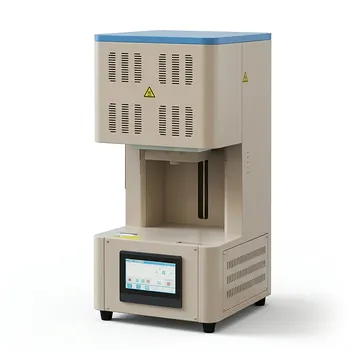
Automated 1700C High Temperature Bottom Loading Box Furnace with PC Software Control and Robotic Integration Capability
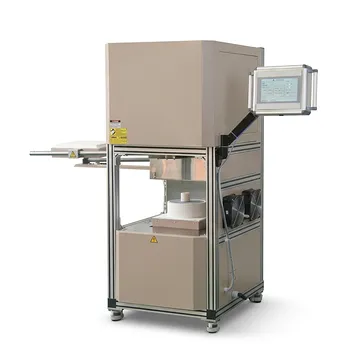
1600C High Temperature Automatic Bottom Loading Furnace for Thermal Shock Cycling and Material Fatigue Testing
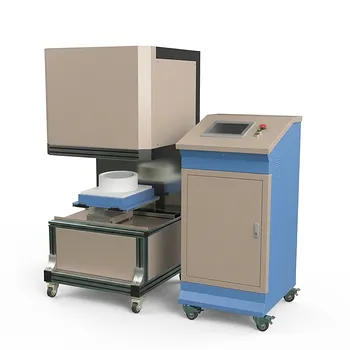
High Temperature Bottom Loading Box Furnace for Rapid Thermal Processing 1700C 40L Capacity
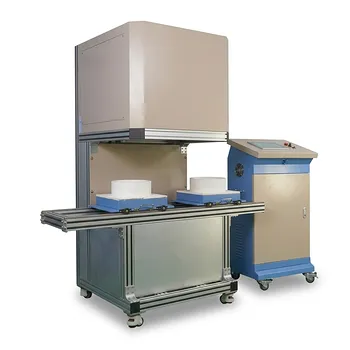
High Temperature Bottom Loading Vertical Furnace 1700C Dual Stage Sample Processing System 18L Large Capacity Thermal Treatment Equipment
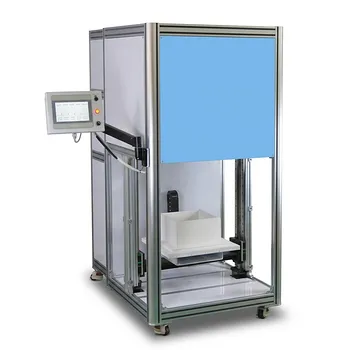
High Temperature 1600°C Three Zone Heated Bottom Loading Box Furnace with Rapid Thermal Processing Chamber 72L Volume
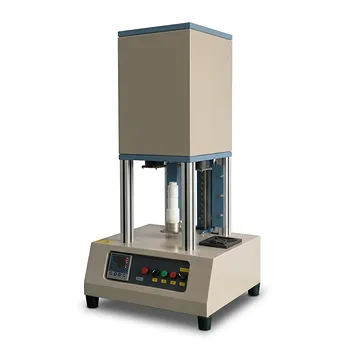
Compact High Temperature Bottom Loading Furnace 1700C Rapid Heating Cooling System Small Sample Thermal Cycling Equipment
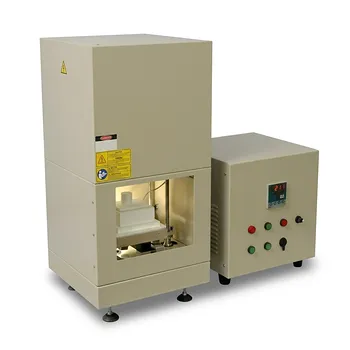
High Temperature Compact Automatic Bottom Loading Furnace with Rapid Cooling for Autonomous Material Research
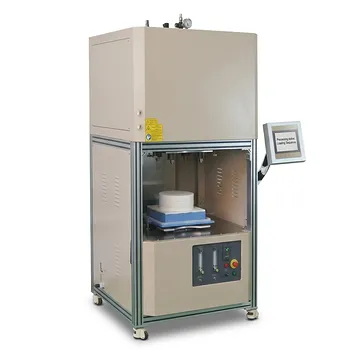
High Temperature Vertical Atmosphere Controlled Furnace with Automatic Bottom Loading and 1700°C Capacity for Advanced Material Research
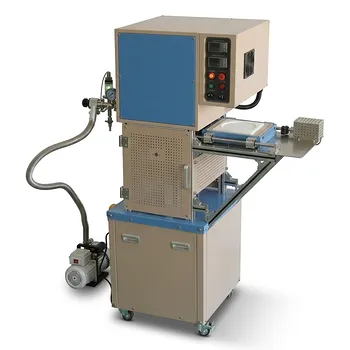
1200°C Bottom Loading Vacuum Furnace with Rapid Gas Cooling and 8.6 Inch Diameter Quartz Chamber
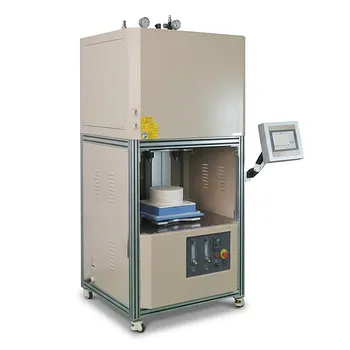
High Temperature Vertical Atmosphere Controlled Furnace 1700C Automatic Bottom Loading 13 Liter Vacuum Thermal System
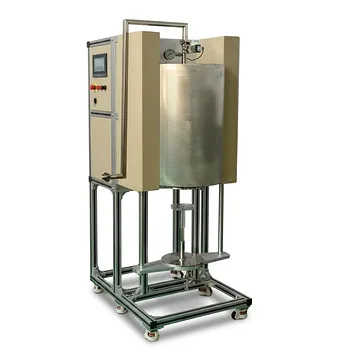
1200°C Atmosphere Controlled Automatic Bottom Loading Furnace with 6 Inch Quartz Tube
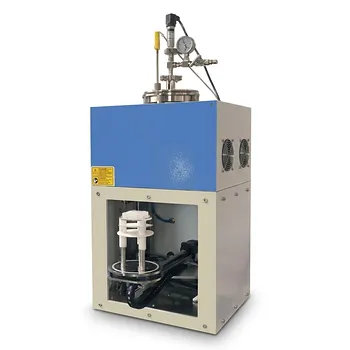
Rapid Thermal Processing Atmosphere Controlled Bottom Loading Furnace 1100C with 50C Per Second Heating Rate for Wafer Annealing
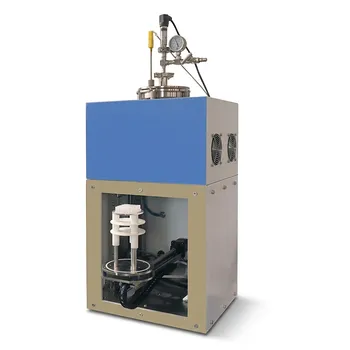
Rapid Thermal Processing RTP Atmosphere Controlled Bottom Loading Furnace 1100C High Throughput 50C per Second Heating Rate
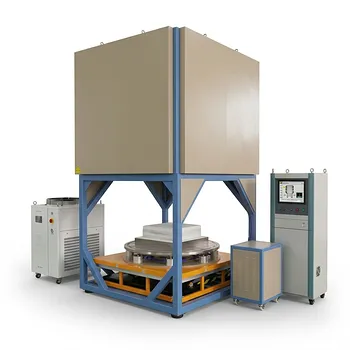
Bottom Loaded Inert Gas Atmosphere Box Furnace 1700C 1300C 216L Large Capacity Industrial Thermal Processing System
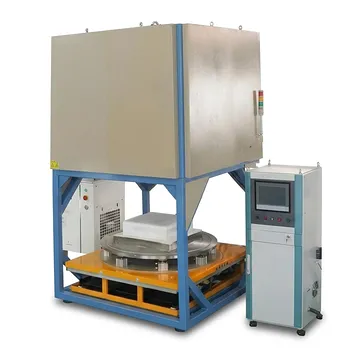
Bottom Loaded Inert Gas Atmosphere Box Furnace 1400C Maximum Temperature 125L High Capacity Laboratory Heat Treatment System
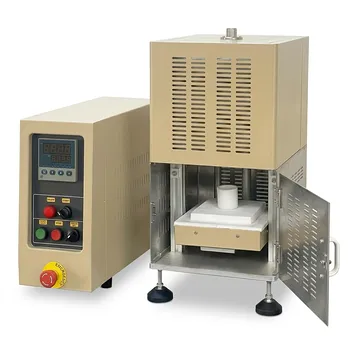
1200C Compact Automatic Bottom Loading Furnace with Precision Controller and Rapid Cooling Capability
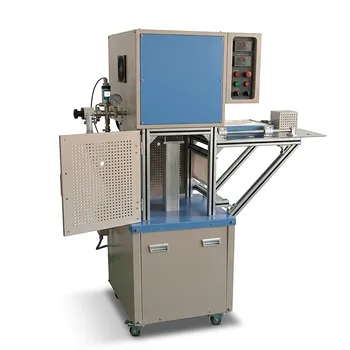
Bottom Loading Vacuum Furnace 1200C Rapid Cooling Atmosphere Control Quartz Chamber
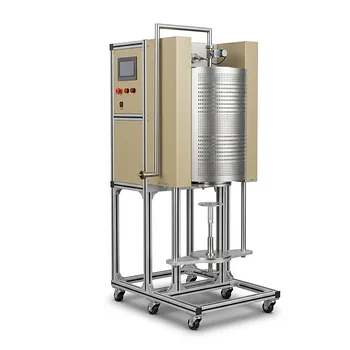
1200C Atmosphere Controlled Automatic Bottom Loading Furnace with 6 Inch Quartz Tube Dual Zone System
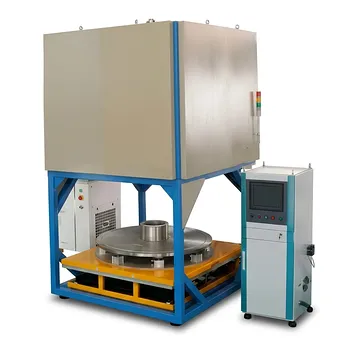
1400C Bottom Loaded Inert Gas Atmosphere Box Furnace with 125L Capacity and Precision Hydraulic Lift