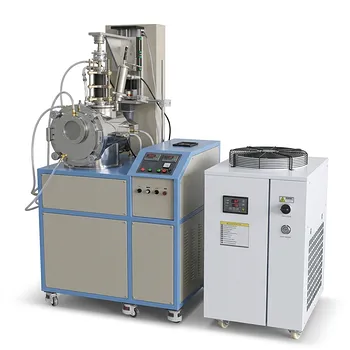
How does microwave pyrolysis compare to traditional tube furnace pyrolysis? Boost Heating Efficiency & Kinetics
Updated 3 months ago
Microwave pyrolysis represents a fundamental shift in thermal processing, offering significantly higher heating efficiency and faster reaction kinetics than traditional tube furnace pyrolysis. By employing electromagnetic induction for direct volumetric heating, microwave systems bypass the slow, layer-by-layer heat conduction of tube furnaces, effectively lowering the activation energy of reactions and drastically reducing process times.
Core Takeaway: While traditional tube furnaces rely on external heat conduction, microwave pyrolysis utilizes volumetric heating to accelerate reaction kinetics and improve energy utilization, making it superior for high-yield thermochemical conversion but less precise for specific nanoparticle synthesis.
The Mechanics of Heating Efficiency
Volumetric vs. Surface Heating
Traditional tube furnaces rely on external heat conduction, where thermal energy must migrate from the surface to the core of the material. This "layer-by-layer" process is inherently slow and often results in significant thermal gradients.
In contrast, microwave pyrolysis utilizes direct volumetric heating. The electromagnetic waves penetrate the material, causing simultaneous internal and external heating, which ensures a more uniform temperature distribution and higher heat transfer efficiency.
Energy Utilization and Process Speed
Because microwave systems heat the material directly rather than the surrounding atmosphere or furnace walls, energy utilization efficiency is significantly higher. This targeted energy delivery results in much shorter reaction times compared to the prolonged heating cycles required by tube furnaces.
Impact on Reaction Kinetics
Reduction in Activation Energy
One of the most profound advantages of microwave pyrolysis is its ability to lower the activation energy required for thermochemical breakdown. In studies of waste printed circuit boards, the activation energy dropped from 147.75 kJ/mol in traditional systems to just 81.05 kJ/mol under microwave induction.
Enhanced Internal Reaction Activity
Microwave heating enables higher internal reaction activity even when the overall ambient temperature remains relatively low. This unique environment encourages more thorough thermochemical conversion and can lead to higher yields of bio-oil and higher-quality syngas with reduced tar content.
Selective Heating and Yield Optimization
Microwaves offer a level of selectivity that traditional furnaces cannot match, particularly in the co-pyrolysis of complex materials like biomass and polymers. This selectivity induces a more efficient breakdown of specific chemical bonds, optimizing the output of desired products like bio-char.
Understanding the Trade-offs
Precision and Particle Control
While microwave systems excel in speed, traditional tube furnaces offer superior heat distribution uniformity and precise control over the heating rate. This stability is critical for sensitive applications, such as the synthesis of magnetite (Fe3O4) nanoparticles.
Risk of Sintering and Agglomeration
In nanoparticle production, the stable thermal environment of a tube furnace prevents excessive sintering and particle agglomeration. This ensures that the resulting particles maintain a high specific surface area and the specific band gap (typically 2-3 eV) required for advanced material applications.
Material Compatibility
Microwave pyrolysis efficiency is highly dependent on the dielectric properties of the material. If a substance does not absorb electromagnetic radiation effectively, it may require the addition of microwave absorbers, whereas a tube furnace can heat virtually any material through simple conduction and radiation.
Making the Right Choice for Your Goal
When deciding between these two pyrolysis methods, your choice should be driven by the specific requirements of your end product and your energy budget.
- If your primary focus is energy efficiency and throughput: Microwave pyrolysis is the definitive choice due to its lower activation energy requirements and rapid volumetric heating.
- If your primary focus is high-quality bio-oil or syngas production: Utilize microwave systems to take advantage of higher reaction activity and lower tar production.
- If your primary focus is precision material synthesis (e.g., nanoparticles): A traditional tube furnace is recommended to maintain the stable thermal environment necessary to prevent particle agglomeration.
- If your primary focus is processing non-polar or low-absorbent materials: The traditional tube furnace remains more reliable as it does not depend on the material's dielectric properties for heat transfer.
By matching the heating mechanism to your material's specific chemical and physical requirements, you can maximize both the quality of your output and the efficiency of your operation.
Summary Table:
| Feature | Microwave Pyrolysis | Traditional Tube Furnace |
|---|---|---|
| Heating Mechanism | Volumetric (Electromagnetic) | Surface Conduction |
| Energy Efficiency | High (Direct material heating) | Lower (Heat must penetrate layers) |
| Activation Energy | Significantly Reduced | Standard Requirements |
| Process Speed | Rapid / High Throughput | Slower / Prolonged Cycles |
| Best Applications | Bio-oil, Syngas, Waste Recovery | Nanoparticles, Precise Synthesis |
Optimize Your Thermal Processing with THERMUNITS
Selecting the right equipment is the first step toward superior material science outcomes. THERMUNITS is a leading manufacturer of high-temperature laboratory equipment, providing the precision and reliability required for advanced industrial R&D.
Whether you require the stable thermal environment of our advanced Tube Furnaces for nanoparticle synthesis or high-efficiency Rotary Kilns and Vacuum Systems, we offer the expertise to enhance your lab's performance. Our comprehensive range includes:
- Furnaces: Muffle, Vacuum, Atmosphere, Tube, Rotary, and Hot Press models.
- Advanced Systems: CVD/PECVD systems, Dental Furnaces, and Vacuum Induction Melting (VIM) furnaces.
- Components: High-quality Thermal Elements and specialized heat treatment tools.
Ready to elevate your research efficiency? Contact THERMUNITS Today to discuss your specific requirements with our technical experts!
References
- Diyi Jin, Wenzhi He. Intrinsic Metal Component-Assisted Microwave Pyrolysis and Kinetic Study of Waste Printed Circuit Boards. DOI: 10.3390/electronicmat5040015
Mentioned Products
- 915MHz MPCVD Diamond Machine Microwave Plasma Chemical Vapor Deposition System Reactor
- Cylindrical Resonator MPCVD Machine System for Microwave Plasma Chemical Vapor Deposition and Lab Diamond Growth
- 1500C Three Zone Vertical Pyrolysis Furnace for Nanoparticle Synthesis and Advanced Oxide Coating
- Electric Rotary Kiln Continuous Working Small Rotary Furnace Heating Pyrolysis Plant
- Electric Rotary Kiln Small Rotary Furnace Biomass Pyrolysis Plant
People Also Ask
- What is the fundamental working principle of a Microwave Plasma Chemical Vapor Deposition (MPCVD) machine? Expert Guide
- What are the typical operating pressure ranges and vacuum requirements for MPCVD systems? Optimize Your Material Growth
- What are the technical advantages of the electrodeless plasma design in MPCVD systems? Purity & Precision in Synthesis
- What technical parameters are critical for optimizing the growth of single-crystal diamonds in MPCVD systems? Expert Guide
- How does the versatility of gas compatibility in MPCVD systems compare to filament-based CVD methods? Purity & Doping.

Tech Team · ThermUnits
Last updated on Jun 03, 2026
Related Products
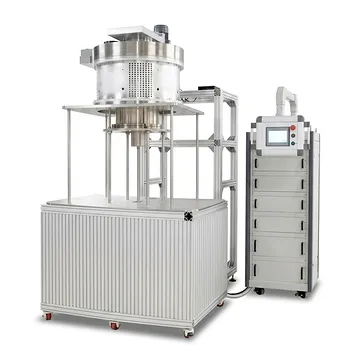
915MHz MPCVD Diamond Machine Microwave Plasma Chemical Vapor Deposition System Reactor
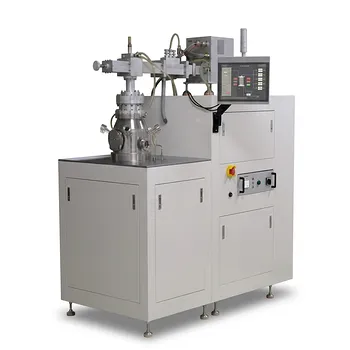
Cylindrical Resonator MPCVD Machine System for Microwave Plasma Chemical Vapor Deposition and Lab Diamond Growth
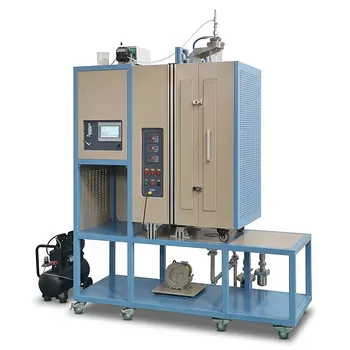
1500C Three Zone Vertical Pyrolysis Furnace for Nanoparticle Synthesis and Advanced Oxide Coating
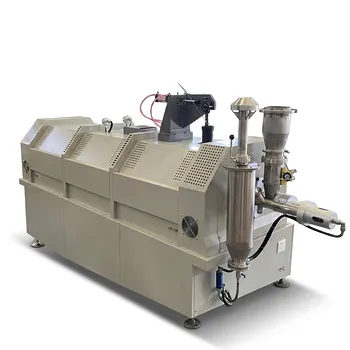
Electric Rotary Kiln Continuous Working Small Rotary Furnace Heating Pyrolysis Plant
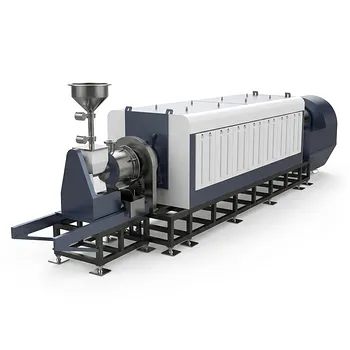
Electric Rotary Kiln Small Rotary Furnace Biomass Pyrolysis Plant
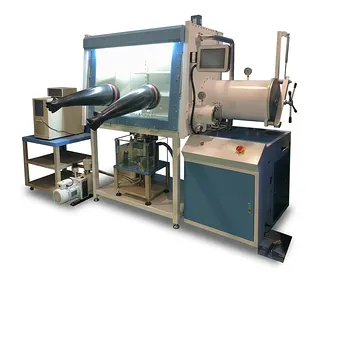
High Temperature Induction Melting System with Integrated Ultra High Purity Glove Box for Metallic Alloy Processing
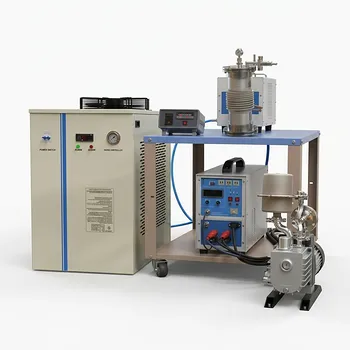
Induction Heating System with Temperature Control for High Temperature Vacuum Sintering and Melting
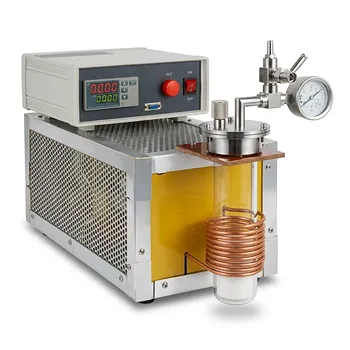
High Temperature Mini Induction Heating Furnace 1600C Laboratory Material Melting System