How does the versatility of gas compatibility in MPCVD systems compare to filament-based CVD methods? Purity & Doping.
Updated 5 months ago
MPCVD systems offer superior gas versatility compared to filament-based CVD because they operate without consumable electrodes. This electrodeless design allows for the introduction of highly reactive gases—such as oxygen or corrosive additives—that would otherwise destroy the metallic filaments used in alternative methods.
While filament-based CVD is constrained by the chemical vulnerability of its heating elements, MPCVD utilizes microwave energy to generate plasma, enabling the use of diverse gas chemistries for advanced material tailoring and doping without hardware degradation.
The Core Mechanism of Gas Compatibility
The Vulnerability of Metallic Filaments
In filament-based systems (HFCVD), the heating element—typically made of tungsten or tantalum—is directly exposed to the process environment. Reactive gases like oxygen or certain halogens cause rapid oxidation or corrosion of these filaments, leading to premature failure and system downtime.
The Electrodeless Advantage of MPCVD
MPCVD generates plasma using microwave radiation rather than a physical electrode or filament. Because the energy source is decoupled from the chemical environment, the system remains stable even when using highly reactive atmospheres that would be "poisonous" to traditional hardware.
Chemical Stability and Process Longevity
Because there are no filaments to degrade, MPCVD systems can maintain consistent growth conditions over long durations. This stability is essential for growing high-quality crystals or films that require precise, uninterrupted chemical environments.
Impact on Material Engineering
Advanced Doping Capabilities
The ability to introduce various additives without hardware interference allows researchers to fine-tune the electrical and structural properties of materials. This is particularly critical for p-type and n-type doping in synthetic diamond production, where specific gas ratios must be strictly maintained.
Diverse Material Tailoring
MPCVD supports a wider "recipe" range, including oxygen-rich environments that help etch away non-diamond carbon phases. This flexibility enables the growth of high-purity films and specialized coatings that are technically impossible to achieve in filament-limited systems.
Reduction of Contamination
In filament systems, the evaporating metal from the hot wire can inadvertently incorporate into the growing film. MPCVD eliminates this metallic contamination, ensuring that the resulting material is defined solely by the gas chemistry provided.
Understanding the Trade-offs
Complexity and System Cost
While MPCVD is more chemically versatile, it typically requires more complex microwave generators and precise vacuum chamber geometries. Filament-based systems are often simpler to design and can be more cost-effective for basic applications where reactive gases are not needed.
Scalability and Uniformity
Maintaining a stable, uniform plasma ball in MPCVD can become technically challenging as gas chemistry or pressure changes. In contrast, filament systems can be easier to scale for large-area growth, provided the process uses non-reactive gases like hydrogen and methane.
Power Management
MPCVD requires careful tuning of microwave power to maintain the plasma without damaging the chamber walls or windows. Filament systems offer a more direct thermal control mechanism, though they lack the chemical flexibility of the plasma-based approach.
Choosing the Right System for Your Application
Selecting between these methods depends entirely on the chemical complexity of your desired material and your requirements for purity.
- If your primary focus is synthesizing high-purity materials with reactive precursors: MPCVD is the definitive choice because it eliminates filament-related contamination and survives exposure to oxygen and other additives.
- If your primary focus is large-area growth of standard carbon films using inert or non-corrosive gases: Filament-based CVD may provide a more cost-effective and simpler entry point for your project.
Ultimately, the electrodeless nature of MPCVD unlocks a broader spectrum of chemical possibilities, making it the superior tool for advanced material science and complex doping.
Summary Table:
| Feature | MPCVD Systems | Filament-based CVD (HFCVD) |
|---|---|---|
| Gas Compatibility | High (supports reactive/corrosive gases) | Low (reactive gases corrode filaments) |
| Heating Method | Microwave energy (electrodeless) | Metallic filaments (Tungsten/Tantalum) |
| Contamination | Minimal (no metallic evaporation) | Possible metallic film incorporation |
| Doping Flexibility | High (p-type and n-type additives) | Limited by chemical vulnerability |
| Typical Use Case | High-purity diamonds & advanced R&D | Large-area standard carbon films |
Advance Your Material Research with THERMUNITS
Are you seeking to push the boundaries of material synthesis? As a leading manufacturer of high-temperature laboratory equipment, THERMUNITS specializes in providing state-of-the-art thermal processing solutions tailored for industrial R&D and material science.
From high-purity MPCVD and CVD/PECVD systems to specialized Atmosphere, Vacuum, and Hot Press furnaces, our equipment is engineered to handle your most complex gas chemistries and heat treatment requirements.
Why partner with THERMUNITS?
- Superior Versatility: Systems designed for diverse gas compatibility and precise doping.
- Expert Engineering: High-performance hardware including Rotary Kilns, VIM, and Dental Furnaces.
- Unmatched Support: Technical guidance to help you select the right equipment for your specific material goals.
Contact our expert team today to find your perfect heat treatment solution!
Mentioned Products
- Cylindrical Resonator MPCVD Machine System for Microwave Plasma Chemical Vapor Deposition and Lab Diamond Growth
- 915MHz MPCVD Diamond Machine Microwave Plasma Chemical Vapor Deposition System Reactor
- Multi Heating Zones CVD Tube Furnace System for Precision Chemical Vapor Deposition and Advanced Material Synthesis
- Radio Frequency Plasma Enhanced Chemical Vapor Deposition RF PECVD System for Laboratory and Industrial Thin Film Growth
- Chemical Vapor Deposition CVD System Slide PECVD Tube Furnace with Liquid Gasifier PECVD Machine
People Also Ask
- How does the high concentration of atomic hydrogen in MPCVD benefit diamond growth? The Key to Gem-Grade Quality.
- What are the typical operating pressure ranges and vacuum requirements for MPCVD systems? Optimize Your Material Growth
- What technical parameters are critical for optimizing the growth of single-crystal diamonds in MPCVD systems? Expert Guide
- What are the technical advantages of the electrodeless plasma design in MPCVD systems? Purity & Precision in Synthesis
- What are the physical characteristics of the plasma generated in an MPCVD reactor? Expert Guide to CVD Plasma States

Tech Team · ThermUnits
Last updated on Apr 14, 2026
Related Products
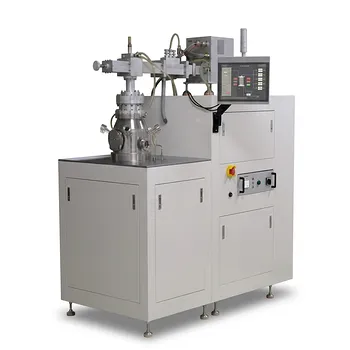
Cylindrical Resonator MPCVD Machine System for Microwave Plasma Chemical Vapor Deposition and Lab Diamond Growth
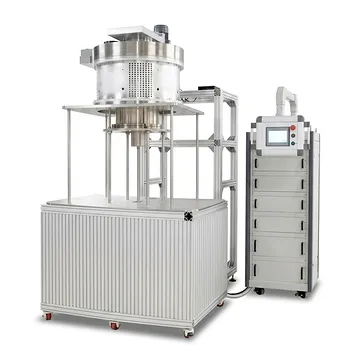
915MHz MPCVD Diamond Machine Microwave Plasma Chemical Vapor Deposition System Reactor
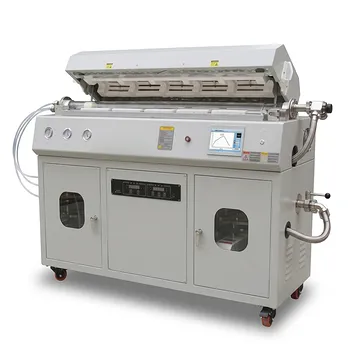
Multi Heating Zones CVD Tube Furnace System for Precision Chemical Vapor Deposition and Advanced Material Synthesis
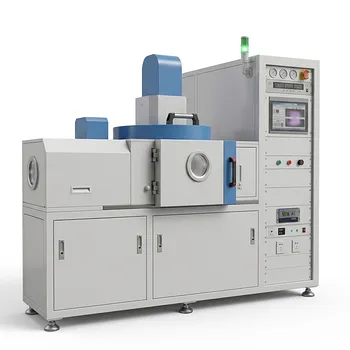
Radio Frequency Plasma Enhanced Chemical Vapor Deposition RF PECVD System for Laboratory and Industrial Thin Film Growth
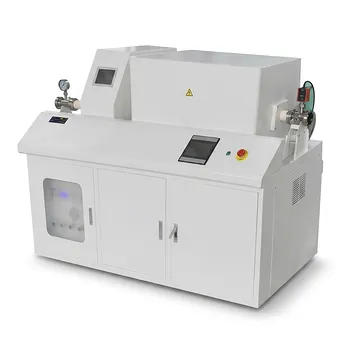
Chemical Vapor Deposition CVD System Slide PECVD Tube Furnace with Liquid Gasifier PECVD Machine
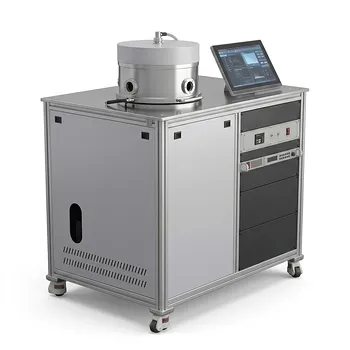
Inclined Rotary Plasma Enhanced Chemical Vapor Deposition PECVD System for Thin Film Deposition and Nanomaterial Synthesis
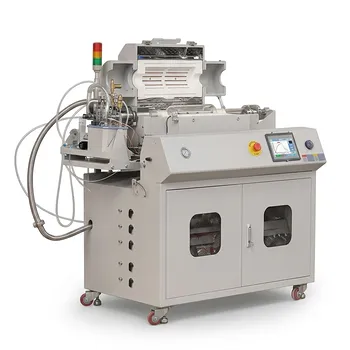
Versatile Chemical Vapor Deposition Tube Furnace System for Advanced Material Research and Industrial Coating Processes
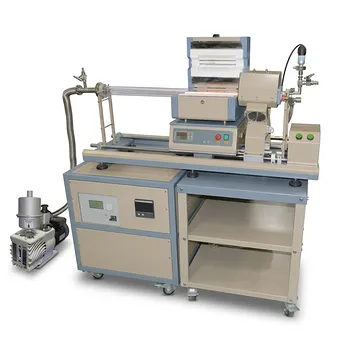
1200C Max Compact Auto-Sliding PECVD Furnace with 2 Inch Tube and Vacuum Pump
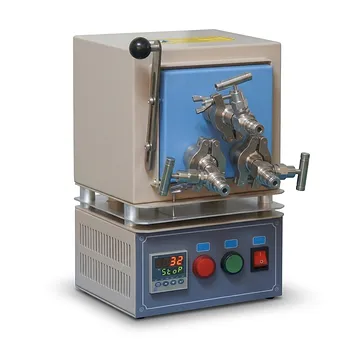
Triple Tube Compact Hybrid Muffle Furnace 1000C High Vacuum Thermal Processing System
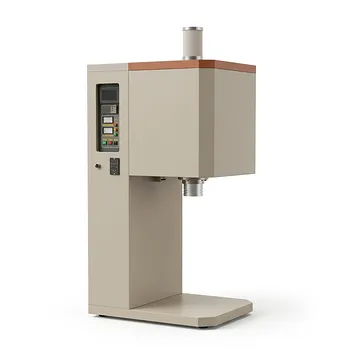
Vertical Openable Tube Furnace 0-1700c High Temperature Laboratory System for CVD and Vacuum Heat Treatment
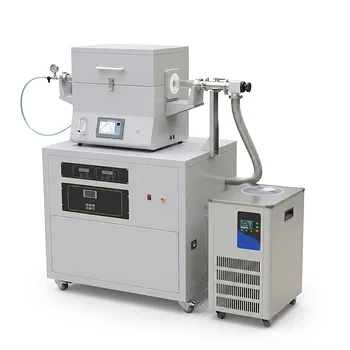
Split Chamber CVD Tube Furnace with Vacuum Station Chemical Vapor Deposition System Machine

High Temperature 1700C Tube Furnace with High Vacuum Turbomolecular Pump System and Multi Channel Mass Flow Controller Gas Mixer
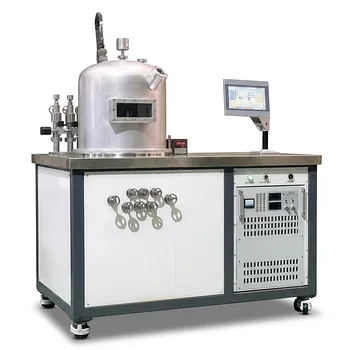
HFCVD Machine System for Nano Diamond Coating on Drawing Dies and Industrial Tools
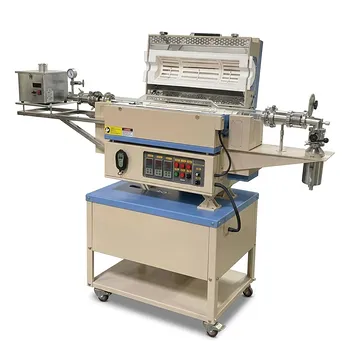
5 Inch Rotary Tube Furnace with Automatic Feeding and Receiving System 1200C Three Zone CVD Powder Processing
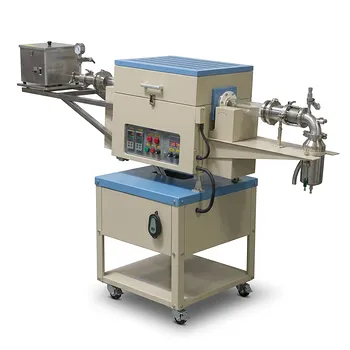
Two Zone Rotary CVD Furnace with Automatic Feeding and Receiving System for Powder Processing
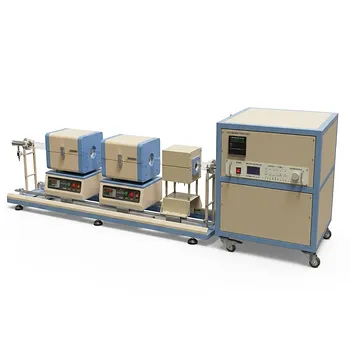
1200C Dual Sliding Tube Furnace with Dual Tubes and Flanges for PECVD Processes
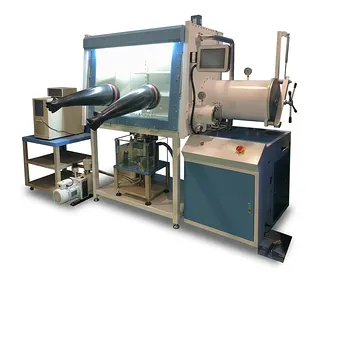
High Temperature Induction Melting System with Integrated Ultra High Purity Glove Box for Metallic Alloy Processing
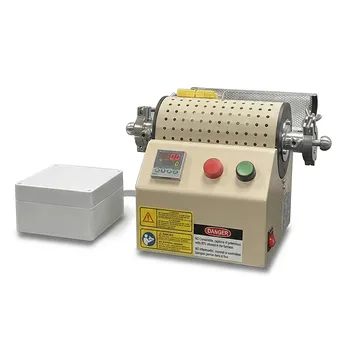
1000C Mini Tube Furnace with 20mm Quartz Tube and Vacuum Flanges for Material Science Research and Controlled Atmosphere Small Sample Processing
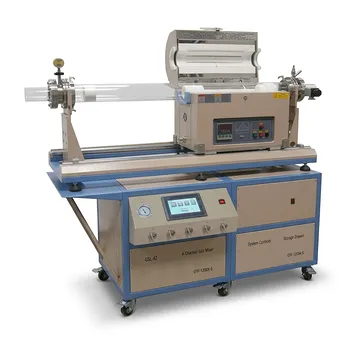
Dual Tube 100mm 80mm CVD Sliding Furnace with 4 Channel Gas Mixing and Vacuum System
