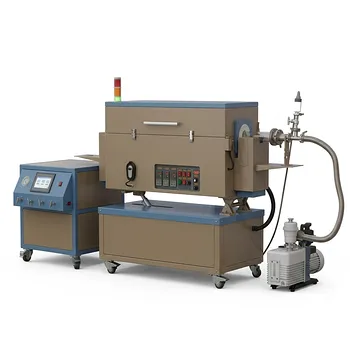
What are the technical advantages of the electrodeless plasma design in MPCVD systems? Purity & Precision in Synthesis
Updated 5 months ago
The electrodeless plasma design is the primary driver of high-purity material synthesis in MPCVD systems. By eliminating physical electrodes and hot filaments from the reaction chamber, the system removes the most common sources of metallic contamination. This architectural choice enables the production of ultra-high purity Type IIa diamonds with nitrogen concentrations below 1 ppm and minimal structural defects.
The core advantage of an electrodeless design is the creation of a "clean-room" environment within the plasma itself. This prevents foreign atoms from leaching into the growing crystal lattice, ensuring the material retains its intrinsic mechanical, thermal, and electronic properties.
Eliminating Sources of Contamination
The Removal of Metallic Impurities
In traditional CVD methods, electrodes or filaments often erode over time due to high temperatures and plasma bombardment. This erosion introduces trace metals into the gas phase, which then settle into the growing film. Because MPCVD uses microwave energy to excite the plasma remotely, there is no physical contact between the energy source and the reaction zone, ensuring a pristine growth environment.
Achieving Ultra-High Purity Standards
The lack of internal components allows for the synthesis of Type IIa diamonds, which are the purest form of diamond found in nature. By maintaining a nitrogen-free environment, the system can produce stones with exceptional optical transparency and thermal conductivity. This level of purity is critical for industrial applications in power electronics and high-power laser windows.
Process Stability and Precision Control
Long-Duration Growth Capability
Electrodeless systems are not subject to the wear and tear that limits the lifespan of physical filaments. This allows for stable, continuous deposition runs that can last for hundreds of hours. Such stability is essential for growing thick single-crystal diamonds or high-quality polycrystalline films that require uniform thickness.
High-Density Reactive Environments
Microwave excitation creates a high-density plasma that is more chemically reactive than other methods. This environment facilitates the deep embedding and uniform distribution of dopant atoms, such as boron or nitrogen. This precision is vital when engineering catalysts like molybdenum carbide, where the electron density of active sites must be strictly regulated.
Advanced Surface Engineering and Quantum Preservation
Cold Plasma Hydrogenation
The electrodeless design allows the system to operate "cold plasma" cycles where the substrate heater is deactivated. By utilizing highly active hydrogen radicals generated by microwave excitation, the system can drive surface reactions at temperatures below 120 °C. This prevents the deep diffusion of hydrogen atoms that would otherwise occur at higher temperatures.
Preserving NV Center Integrity
For quantum applications, preserving Nitrogen-Vacancy (NV) color centers is paramount. The low-temperature capability of MPCVD prevents the passivation of these centers. This allows researchers to remove surface oxygen impurities and maintain fluorescence performance without damaging the diamond’s near-surface quantum properties.
Understanding the Technical Trade-offs
System Complexity and Initial Cost
While the electrodeless design offers superior purity, the hardware required to generate and tune microwave resonance is significantly more complex than simple filament setups. This leads to higher initial capital expenditures and requires specialized technical knowledge to maintain optimal plasma stability.
Scaling and Power Limitations
Maintaining a stable, uniform plasma ball over large areas can be challenging as the substrate size increases. While MPCVD is excellent for high-quality small-to-medium batches, scaling the process to cover very large areas requires sophisticated microwave cavity designs to prevent "dead zones" in the plasma density.
Making the Right Choice for Your Project
The decision to use an electrodeless MPCVD system depends entirely on the sensitivity of your application to impurities and thermal stress.
- If your primary focus is Quantum Computing or Optics: The electrodeless design is mandatory to preserve NV centers and ensure maximum optical transparency through low nitrogen levels.
- If your primary focus is High-Power Electronics: This system is the best choice for producing Type IIa diamond heat sinks that require the highest possible thermal conductivity.
- If your primary focus is Industrial Tool Coating: You may find that traditional filament-based CVD is more cost-effective if trace metallic contamination does not interfere with the tool's mechanical performance.
The electrodeless MPCVD design stands as the definitive solution for any application where the presence of a single foreign atom could compromise the integrity of the material.
Summary Table:
| Technical Advantage | Key Benefit | Target Application |
|---|---|---|
| No Metallic Electrodes | Zero contamination; produces ultra-pure Type IIa diamonds | Quantum Computing & Optics |
| Microwave Excitation | High-density reactive environment & precise doping control | Power Electronics & Catalysts |
| Process Stability | Supports continuous deposition for hundreds of hours | Thick Single-Crystal Growth |
| Cold Plasma Cycle | Surface reactions below 120 °C; preserves NV centers | Quantum Sensing & Diamond NV |
| Thermal Management | Maximum thermal conductivity due to lattice integrity | High-Power Heat Sinks |
Unlock High-Purity Material Innovation with THERMUNITS
Precision matters in material science. THERMUNITS is a leading manufacturer of high-temperature laboratory equipment, specializing in solutions that demand extreme purity and control. From advanced MPCVD and CVD/PECVD systems for diamond synthesis to high-performance Muffle, Vacuum, Tube, and Rotary furnaces, we provide the tools necessary for cutting-edge industrial R&D.
Whether you are engineering quantum sensors or high-power electronics, our comprehensive range of thermal processing equipment—including vacuum induction melting (VIM), electric rotary kilns, and dental furnaces—is designed to meet your specific technical requirements.
Enhance your lab's capabilities today. Contact our experts now to discuss your project and discover how our thermal expertise can drive your research success!
Mentioned Products
- Cylindrical Resonator MPCVD Machine System for Microwave Plasma Chemical Vapor Deposition and Lab Diamond Growth
- 915MHz MPCVD Diamond Machine Microwave Plasma Chemical Vapor Deposition System Reactor
- Multi Heating Zones CVD Tube Furnace System for Precision Chemical Vapor Deposition and Advanced Material Synthesis
- Radio Frequency Plasma Enhanced Chemical Vapor Deposition RF PECVD System for Laboratory and Industrial Thin Film Growth
- Chemical Vapor Deposition CVD System Slide PECVD Tube Furnace with Liquid Gasifier PECVD Machine
People Also Ask
- How does the high concentration of atomic hydrogen in MPCVD benefit diamond growth? The Key to Gem-Grade Quality.
- What are the typical operating pressure ranges and vacuum requirements for MPCVD systems? Optimize Your Material Growth
- What technical parameters are critical for optimizing the growth of single-crystal diamonds in MPCVD systems? Expert Guide
- How does the versatility of gas compatibility in MPCVD systems compare to filament-based CVD methods? Purity & Doping.
- What are the physical characteristics of the plasma generated in an MPCVD reactor? Expert Guide to CVD Plasma States

Tech Team · ThermUnits
Last updated on Apr 14, 2026
Related Products
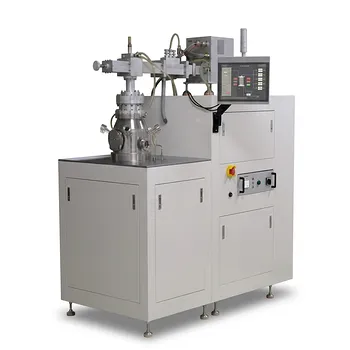
Cylindrical Resonator MPCVD Machine System for Microwave Plasma Chemical Vapor Deposition and Lab Diamond Growth
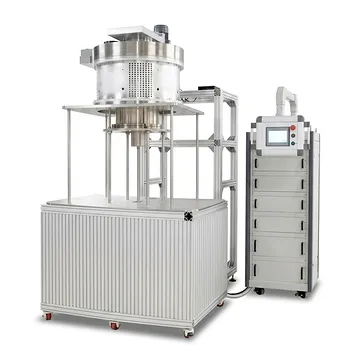
915MHz MPCVD Diamond Machine Microwave Plasma Chemical Vapor Deposition System Reactor
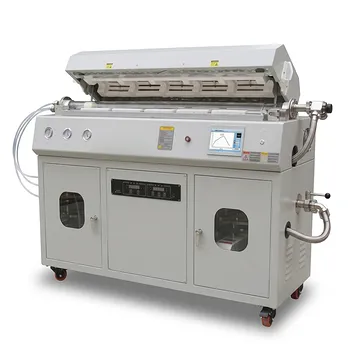
Multi Heating Zones CVD Tube Furnace System for Precision Chemical Vapor Deposition and Advanced Material Synthesis
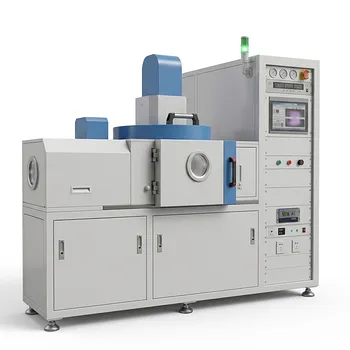
Radio Frequency Plasma Enhanced Chemical Vapor Deposition RF PECVD System for Laboratory and Industrial Thin Film Growth
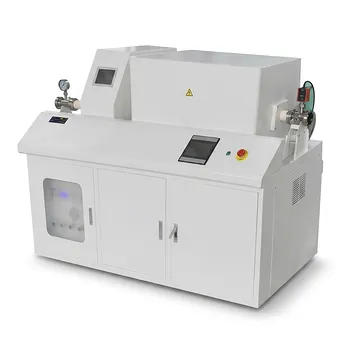
Chemical Vapor Deposition CVD System Slide PECVD Tube Furnace with Liquid Gasifier PECVD Machine
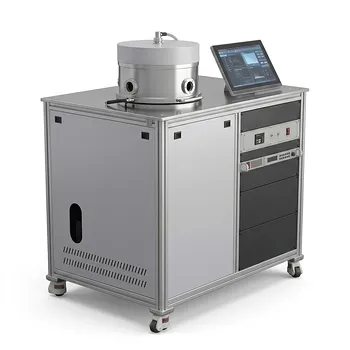
Inclined Rotary Plasma Enhanced Chemical Vapor Deposition PECVD System for Thin Film Deposition and Nanomaterial Synthesis
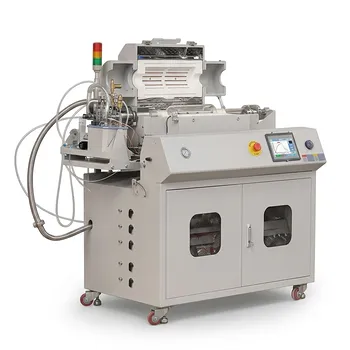
Versatile Chemical Vapor Deposition Tube Furnace System for Advanced Material Research and Industrial Coating Processes
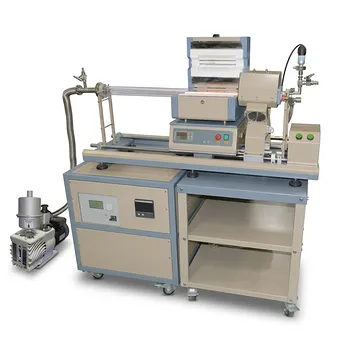
1200C Max Compact Auto-Sliding PECVD Furnace with 2 Inch Tube and Vacuum Pump
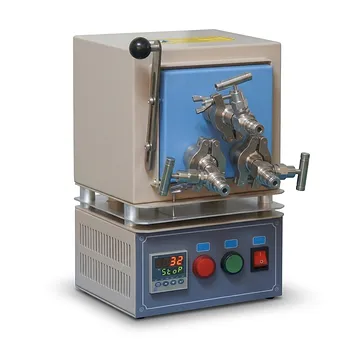
Triple Tube Compact Hybrid Muffle Furnace 1000C High Vacuum Thermal Processing System
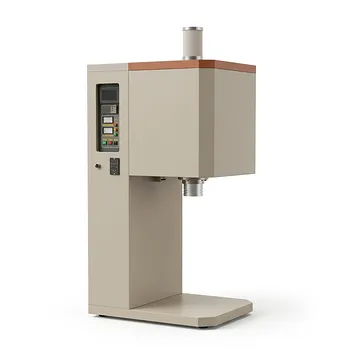
Vertical Openable Tube Furnace 0-1700c High Temperature Laboratory System for CVD and Vacuum Heat Treatment
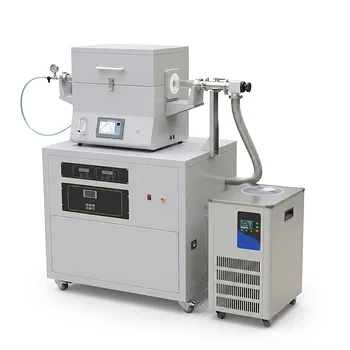
Split Chamber CVD Tube Furnace with Vacuum Station Chemical Vapor Deposition System Machine
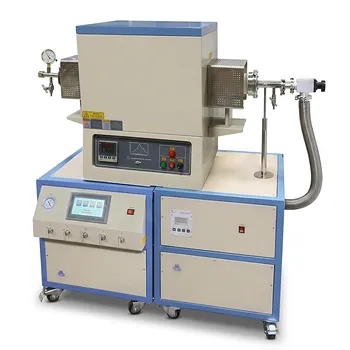
High Temperature 1700C Tube Furnace with High Vacuum Turbomolecular Pump System and Multi Channel Mass Flow Controller Gas Mixer
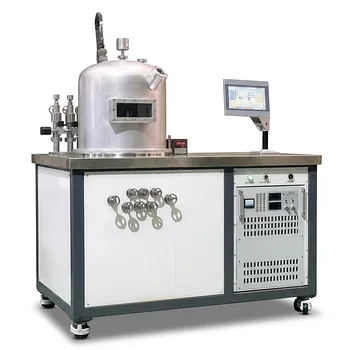
HFCVD Machine System for Nano Diamond Coating on Drawing Dies and Industrial Tools
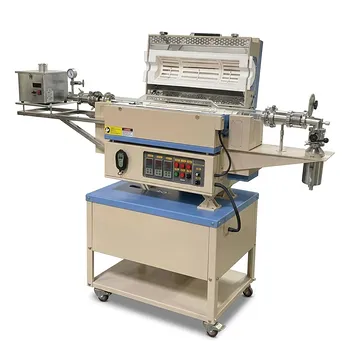
5 Inch Rotary Tube Furnace with Automatic Feeding and Receiving System 1200C Three Zone CVD Powder Processing
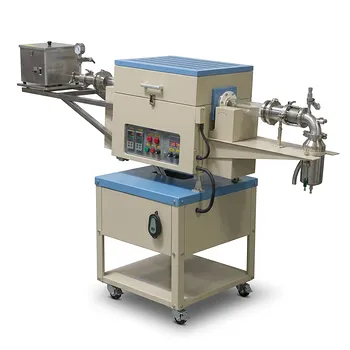
Two Zone Rotary CVD Furnace with Automatic Feeding and Receiving System for Powder Processing
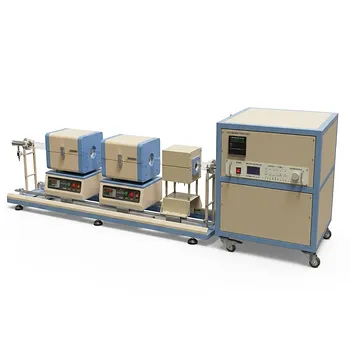
1200C Dual Sliding Tube Furnace with Dual Tubes and Flanges for PECVD Processes
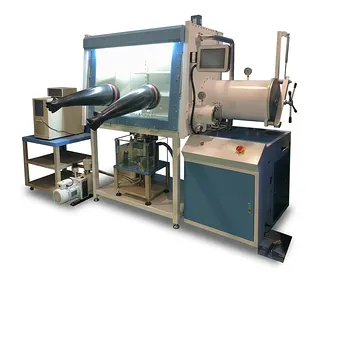
High Temperature Induction Melting System with Integrated Ultra High Purity Glove Box for Metallic Alloy Processing
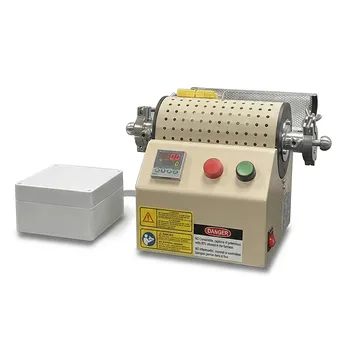
1000C Mini Tube Furnace with 20mm Quartz Tube and Vacuum Flanges for Material Science Research and Controlled Atmosphere Small Sample Processing
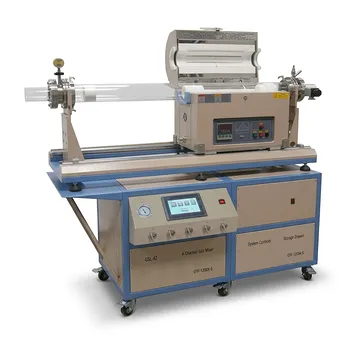
Dual Tube 100mm 80mm CVD Sliding Furnace with 4 Channel Gas Mixing and Vacuum System