What technical parameters are critical for optimizing the growth of single-crystal diamonds in MPCVD systems? Expert Guide
Updated 5 months ago
Optimizing single-crystal diamond growth requires the precise synchronization of four primary variables: microwave power density, chamber pressure, gas chemistry, and substrate temperature. By balancing these parameters within a stable plasma environment, technicians can achieve high-purity synthesis and scalable production across large surface areas.
The secret to high-quality MPCVD diamond growth lies in maintaining a stable, high-density plasma discharge while keeping the substrate temperature within a strict 950–1300°C window. Mastery of these physical conditions, coupled with advanced mode engineering, is what enables the transition from small lab samples to industrial 4-6 inch diamond wafers.
The Fundamental Drivers of Plasma Dynamics
Microwave Power Density and Energy Coupling
The microwave power density is the primary driver of the chemical reactions within the chamber. It dictates the degree of ionization and the concentration of reactive species like atomic hydrogen, which are essential for etching away non-diamond carbon.
Chamber Pressure and Plasma Confinement
Chamber pressure works in tandem with power to define the plasma's volume and stability. Higher pressures generally constrict the plasma, increasing the density of reactive radicals but requiring more sophisticated thermal management to prevent overheating.
Chemical and Thermal Control Mechanisms
The Critical Hydrogen-to-Methane Ratio
The ratio of hydrogen to methane (H2:CH4) is the fundamental chemical lever for growth. Hydrogen acts as a catalyst that stabilizes the diamond surface, while the methane provides the carbon source; finding the "sweet spot" ensures high growth rates without compromising crystal purity.
Managing the 950–1300°C Substrate Window
Maintaining a precise substrate temperature window of approximately 950 to 1300 °C is non-negotiable for single-crystal synthesis. Deviating from this range often leads to the formation of polycrystalline structures or graphite inclusions, ruining the single-crystal integrity.
Scaling for Industrial Application
Mode Engineering for Uniformity
To move beyond small seeds, advanced systems utilize mode engineering to manipulate the electromagnetic fields within the reactor. This ensures a uniform plasma distribution, which is critical for growing large-area diamonds consistently.
Achieving Large-Area Synthesis
Successful mode engineering allows for the synthesis of diamonds reaching 4 to 6 inch diameters. Without this spatial uniformity, the growth rate and crystal quality would vary significantly across the wafer surface, making industrial-scale production impossible.
Understanding the Trade-offs
The Growth Rate vs. Quality Dilemma
Increasing the methane concentration or power density can accelerate the growth rate, but it often introduces defects. High-speed growth frequently leads to a higher density of nitrogen or silicon vacancies, which may be undesirable for optical or electronic applications.
Thermal Stress and System Longevity
Operating at the higher end of the pressure and power spectrum puts immense thermal stress on the vacuum chamber and microwave windows. While this can maximize yield, it increases the risk of system failure and necessitates more frequent maintenance cycles.
Implementing Optimization Strategies
To achieve the best results in your diamond synthesis project, your focus should shift based on your specific output requirements.
- If your primary focus is Maximum Purity: Prioritize a lower methane-to-hydrogen ratio and maintain the substrate temperature toward the lower end of the 950–1300°C window to minimize defects.
- If your primary focus is High Growth Throughput: Increase the microwave power density and chamber pressure simultaneously to densify the plasma, though this requires more robust active cooling.
- If your primary focus is Scalability and Large Wafers: Invest heavily in mode engineering and cavity design to ensure the plasma remains stable and uniform across 4-6 inch diameters.
Success in MPCVD diamond growth is ultimately a balancing act where stable plasma geometry meets precise chemical control.
Summary Table:
| Parameter | Role in Growth | Critical Range / Objective |
|---|---|---|
| Microwave Power | Drives ionization and energy coupling | High density for etching non-diamond carbon |
| Chamber Pressure | Defines plasma volume and stability | Balances radical density with thermal management |
| H2:CH4 Ratio | Primary chemical lever for growth | Maintains the "sweet spot" between speed and purity |
| Substrate Temp | Prevents polycrystalline formation | Strict window of 950°C – 1300°C |
| Mode Engineering | Ensures spatial uniformity | Enables scaling to 4–6 inch diamond wafers |
Elevate Your Material Synthesis with THERMUNITS Precision Solutions
Are you looking to scale your single-crystal diamond production or refine your advanced laboratory heat treatment processes? THERMUNITS is a leading manufacturer of high-temperature laboratory equipment specifically designed for material science and industrial R&D.
We provide the thermal precision and reliability required for complex synthesis and material testing. Our comprehensive range of solutions includes:
- Advanced Systems: CVD/PECVD systems, Dental Furnaces, and Vacuum Induction Melting (VIM) furnaces.
- Specialized Furnaces: Muffle, Vacuum, Atmosphere, Tube, Rotary, and Hot Press furnaces.
- Industrial Equipment: Electric rotary kilns and high-quality Thermal Elements.
Whether you are optimizing plasma dynamics for diamond growth or conducting high-purity annealing, our engineering expertise ensures your research achieves industrial-grade results.
Ready to upgrade your lab's capabilities? Contact our technical team today to discuss your specific thermal processing requirements!
Mentioned Products
- Cylindrical Resonator MPCVD Machine System for Microwave Plasma Chemical Vapor Deposition and Lab Diamond Growth
- 915MHz MPCVD Diamond Machine Microwave Plasma Chemical Vapor Deposition System Reactor
- Multi Heating Zones CVD Tube Furnace System for Precision Chemical Vapor Deposition and Advanced Material Synthesis
- Radio Frequency Plasma Enhanced Chemical Vapor Deposition RF PECVD System for Laboratory and Industrial Thin Film Growth
- Chemical Vapor Deposition CVD System Slide PECVD Tube Furnace with Liquid Gasifier PECVD Machine
People Also Ask
- How does the high concentration of atomic hydrogen in MPCVD benefit diamond growth? The Key to Gem-Grade Quality.
- What are the typical operating pressure ranges and vacuum requirements for MPCVD systems? Optimize Your Material Growth
- What are the technical advantages of the electrodeless plasma design in MPCVD systems? Purity & Precision in Synthesis
- How does the versatility of gas compatibility in MPCVD systems compare to filament-based CVD methods? Purity & Doping.
- What are the physical characteristics of the plasma generated in an MPCVD reactor? Expert Guide to CVD Plasma States

Tech Team · ThermUnits
Last updated on Apr 14, 2026
Related Products
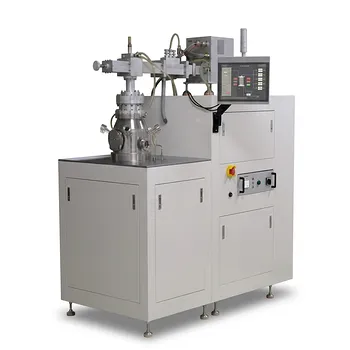
Cylindrical Resonator MPCVD Machine System for Microwave Plasma Chemical Vapor Deposition and Lab Diamond Growth
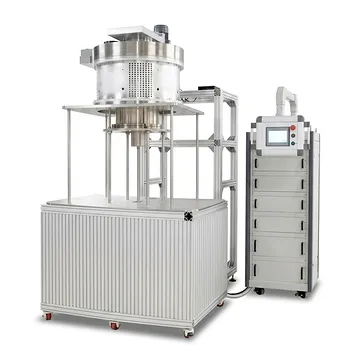
915MHz MPCVD Diamond Machine Microwave Plasma Chemical Vapor Deposition System Reactor
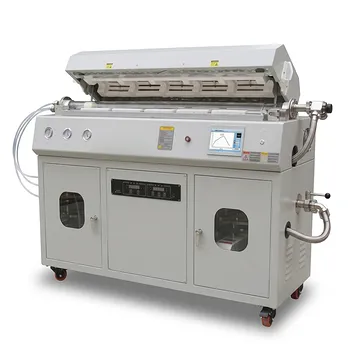
Multi Heating Zones CVD Tube Furnace System for Precision Chemical Vapor Deposition and Advanced Material Synthesis
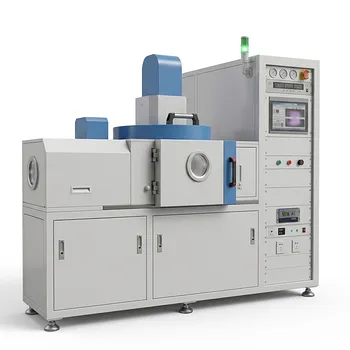
Radio Frequency Plasma Enhanced Chemical Vapor Deposition RF PECVD System for Laboratory and Industrial Thin Film Growth
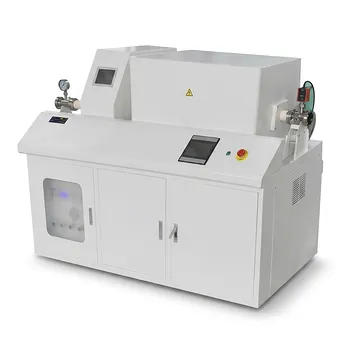
Chemical Vapor Deposition CVD System Slide PECVD Tube Furnace with Liquid Gasifier PECVD Machine
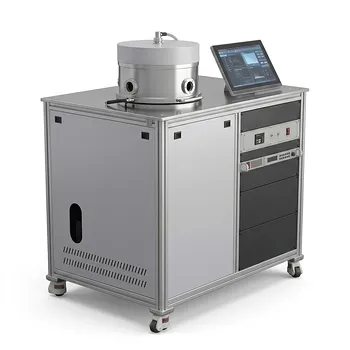
Inclined Rotary Plasma Enhanced Chemical Vapor Deposition PECVD System for Thin Film Deposition and Nanomaterial Synthesis
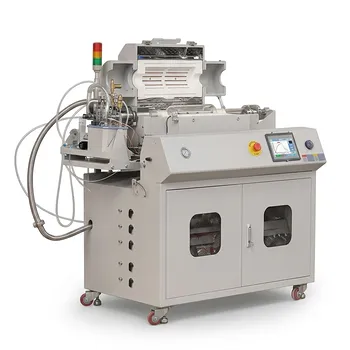
Versatile Chemical Vapor Deposition Tube Furnace System for Advanced Material Research and Industrial Coating Processes
1200C Max Compact Auto-Sliding PECVD Furnace with 2 Inch Tube and Vacuum Pump
Triple Tube Compact Hybrid Muffle Furnace 1000C High Vacuum Thermal Processing System
Vertical Openable Tube Furnace 0-1700c High Temperature Laboratory System for CVD and Vacuum Heat Treatment
Split Chamber CVD Tube Furnace with Vacuum Station Chemical Vapor Deposition System Machine

High Temperature 1700C Tube Furnace with High Vacuum Turbomolecular Pump System and Multi Channel Mass Flow Controller Gas Mixer
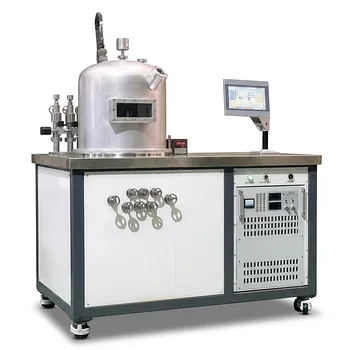
HFCVD Machine System for Nano Diamond Coating on Drawing Dies and Industrial Tools
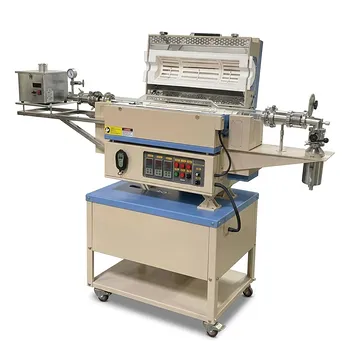
5 Inch Rotary Tube Furnace with Automatic Feeding and Receiving System 1200C Three Zone CVD Powder Processing
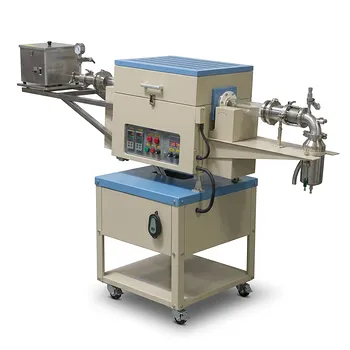
Two Zone Rotary CVD Furnace with Automatic Feeding and Receiving System for Powder Processing
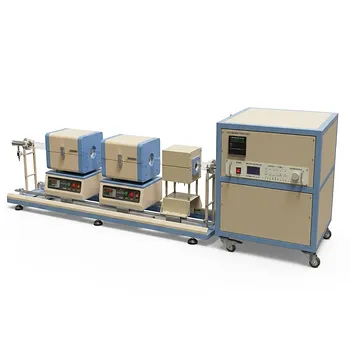
1200C Dual Sliding Tube Furnace with Dual Tubes and Flanges for PECVD Processes
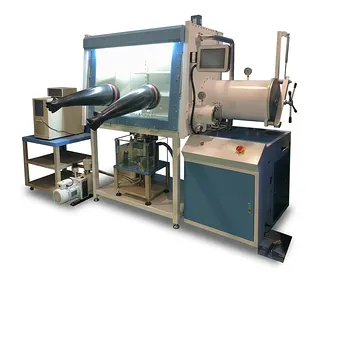
High Temperature Induction Melting System with Integrated Ultra High Purity Glove Box for Metallic Alloy Processing
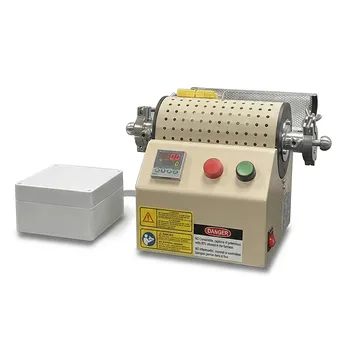
1000C Mini Tube Furnace with 20mm Quartz Tube and Vacuum Flanges for Material Science Research and Controlled Atmosphere Small Sample Processing
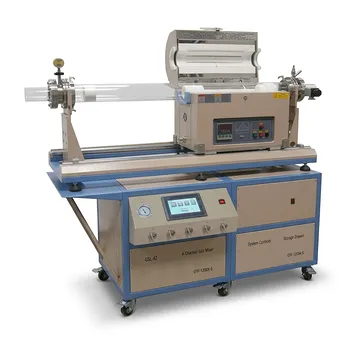
Dual Tube 100mm 80mm CVD Sliding Furnace with 4 Channel Gas Mixing and Vacuum System