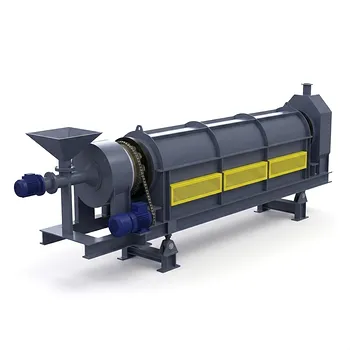
How does rotational angular velocity impact rotary furnace performance? Optimize Throughput and Thermal Accuracy
Updated 3 months ago
Rotational angular velocity is the primary lever for controlling a rotary calcination furnace's performance. By modulating the motor frequency, operators directly influence the Mean Residence Time (MRT) and the material flow rate within the heating chamber. This mechanical control allows a single furnace to adapt to the specific thermal requirements of diverse raw materials, facilitating rapid transitions between unique production cycles.
Core Takeaway: Rotational speed acts as the master throttle for industrial calcination, balancing throughput against heat exposure. Precise control over angular velocity transforms the furnace from a rigid tool into a dynamic system capable of processing various materials with surgical accuracy.
The Relationship Between Velocity and Residence Time
Defining Mean Residence Time (MRT)
Rotational angular velocity is the most significant operational parameter affecting how long a material stays within the furnace. As the motor frequency increases, particles move across the internal heating plates at a higher velocity.
Direct Control of Throughput
In a standard rotary furnace, speeds typically range from 0.5 to 5 revolutions per minute. Adjusting this speed allows operators to fine-tune the material flow rate to match the heating capacity of the system.
Reducing Total Residence Time
Simple increases in rotation speed significantly reduce the total time a particle spends under heat. This is a critical adjustment for materials that require high-intensity/short-duration thermal treatment to prevent over-processing.
Enhancing Heat Transfer Performance
Overcoming Static Limitations
Unlike static furnace systems, a rotary furnace uses mechanical agitation to overcome heat transfer limitations. Constant rotation ensures that the material bed is not stagnant, which prevents hotspots and uneven calcination.
Continuous Surface Exposure
As the furnace rotates, fresh material surfaces are continuously exposed to the heating elements. This constant turnover ensures that every particle receives a more uniform thermal profile, leading to a higher-quality end product.
Interplay with Internal Geometry
The effectiveness of the rotation is also influenced by the baffle angle within the furnace. Research indicates that increasing the baffle angle (e.g., from 40 to 50 degrees) helps align particle trajectories with the design flow, allowing for even more precise control over the calcination effect.
Operational Flexibility and Process Switching
Adapting to Raw Material Variation
Industrial processes often require switching between different raw materials with varying calcination requirements. By simply adjusting the angular velocity, a furnace can be recalibrated for a new material without significant mechanical downtime.
Rapid Production Transitions
The ability to change MRT via motor frequency allows for "on-the-fly" adjustments. This flexibility is essential for facilities that run multiple product lines through a single furnace, as it minimizes the time needed to transition between different process specifications.
Aligning Flow with Design Goals
Adjusting the velocity works in tandem with internal baffles to reduce the tendency of particles to migrate toward plate edges. By keeping particles on their intended path, the facility maintains a consistent output even when switching between high and low-density materials.
Understanding the Trade-offs
The Risk of Thermal Under-exposure
Increasing angular velocity to boost throughput carries the risk of reducing MRT below the threshold required for complete calcination. If the material moves too quickly, the core of the particles may not reach the required transformation temperature.
Mechanical Stability and Wear
Higher rotational speeds can lead to increased mechanical stress on the furnace drive system and internal plates. Operating at the upper limit of the RPM range (e.g., 5 RPM) may accelerate the maintenance cycle compared to slower, more conservative speeds.
Particle Trajectory Drift
While rotation ensures agitation, excessive speed can sometimes cause particles to skip or migrate toward the edges of the heating plates. This "drift" can be mitigated by adjusting the baffle angle, but it requires a careful balance between angular and radial velocities.
How to Optimize Your Rotational Parameters
To achieve the best results with your rotary calcination furnace, you must align your rotational speed with your specific production goals and material properties.
- If your primary focus is Maximum Throughput: Increase the motor frequency to the highest stable RPM while monitoring the output quality to ensure the reduced Mean Residence Time (MRT) still allows for complete calcination.
- If your primary focus is Product Uniformity: Utilize a moderate rotational speed (2-3 RPM) combined with an optimized baffle angle (approx. 50 degrees) to maximize surface exposure and prevent particle drift.
- If your primary focus is Processing Sensitive Materials: Lower the angular velocity to increase the MRT, ensuring that materials requiring long, steady heat soak times are fully transformed without being subjected to extreme temperature spikes.
By mastering the balance between rotation speed and thermal exposure, you can unlock the full potential and versatility of your calcination infrastructure.
Summary Table:
| Factor | Effect on Performance | Key Outcome |
|---|---|---|
| High Velocity | Lower Mean Residence Time (MRT) | Increases throughput; risks thermal under-exposure |
| Low Velocity | Higher Mean Residence Time (MRT) | Enhances uniformity; ideal for sensitive materials |
| Agitation | Continuous surface exposure | Prevents hotspots and ensures even heat distribution |
| Flexibility | Dynamic motor frequency adjustment | Enables rapid transitions between different raw materials |
Master Your Thermal Processing with THERMUNITS
Achieve surgical accuracy in your material research with THERMUNITS, a premier manufacturer of high-temperature laboratory equipment. We specialize in providing the industrial-grade precision required for cutting-edge material science and industrial R&D.
Our Comprehensive Thermal Solutions Include:
- Rotary Kilns & Tube Furnaces: Optimized for precise rotational control and Mean Residence Time (MRT) management.
- Advanced Systems: CVD/PECVD, Vacuum Induction Melting (VIM), and Hot Press furnaces.
- Specialized Equipment: Muffle, Atmosphere, and Dental furnaces designed for uniform heat distribution.
Whether you are scaling production or refining a laboratory process, our equipment ensures consistent results and maximum operational flexibility. Contact our experts today to find the perfect heat treatment solution for your needs!
References
- Tiezhuang Zhou, Wenchun Jiang. Impact of Structure Parameters on the Critical Performance of a Novel Calciner—A DEM-Based Study. DOI: 10.2478/pjct-2024-0036
Mentioned Products
- 900°C Max Rotary Tube Furnace with 8 Inch 310S Alloy Tube and Optional Multi Zone Heating for Industrial Material Calcination
- Dual Zone Rotary Tube Furnace for Uniform Powder Calcination 1000C 2 Inch Quartz Tube
- 4 Inch Two Zone Rotary CVD Tube Furnace for High Temperature Battery Material Synthesis and Advanced Material Calcination
- Electric Rotary Kiln Continuous Working Small Rotary Furnace Heating Pyrolysis Plant
- 1500C 3-Zone Rotary Tube Furnace 60mm with Automatic Powder Feeding and Receiving System for Continuous Material Synthesis
People Also Ask
- How does a rotary tube furnace improve the processing of granular materials? Enhance Uniformity and Reaction Kinetics
- Why use a rotary tube furnace for FACS carbonization? Ensure uniform morphology and prevent sphere agglomeration.
- Why is the precise optimization of residence time essential in the catalyst calcination process? Maximize Your Yields.
- In what ways do rotary tube furnaces enhance chemical and specialty mineral processing? Drive Precision and Uniformity.
- What parameters must operators control to maintain product quality in a rotary furnace? Master Your Heat Treatment.

Tech Team · ThermUnits
Last updated on Jun 03, 2026
Related Products
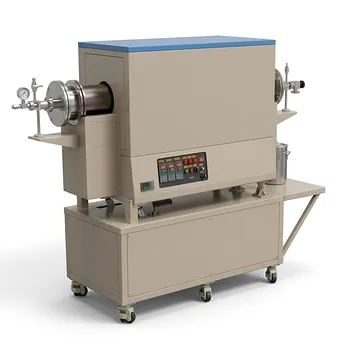
900°C Max Rotary Tube Furnace with 8 Inch 310S Alloy Tube and Optional Multi Zone Heating for Industrial Material Calcination
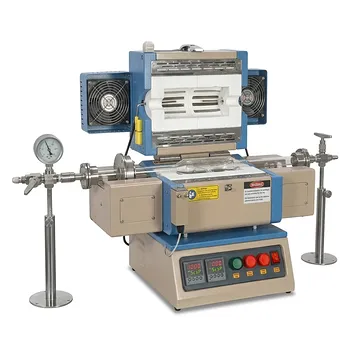
Dual Zone Rotary Tube Furnace for Uniform Powder Calcination 1000C 2 Inch Quartz Tube
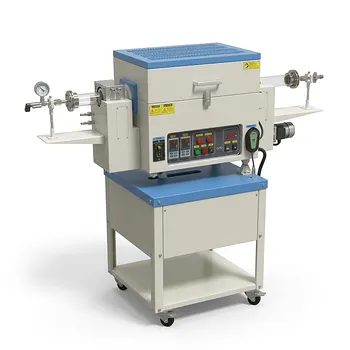
4 Inch Two Zone Rotary CVD Tube Furnace for High Temperature Battery Material Synthesis and Advanced Material Calcination
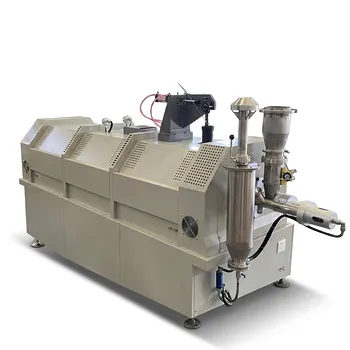
Electric Rotary Kiln Continuous Working Small Rotary Furnace Heating Pyrolysis Plant
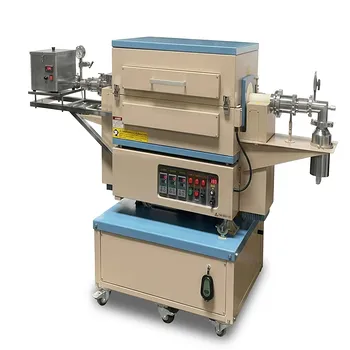
1500C 3-Zone Rotary Tube Furnace 60mm with Automatic Powder Feeding and Receiving System for Continuous Material Synthesis
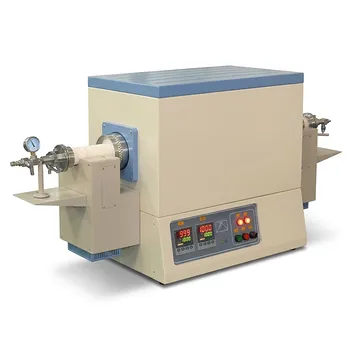
High Temperature 1700C Dual Zone Rotary Tube Furnace with 60mm Alumina Tube and Precision Rotation Control
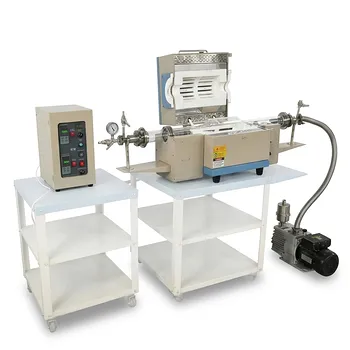
Two Zone Rotary Tube Furnace for Powder CVD Coating and Core Shell Material Synthesis 1100C
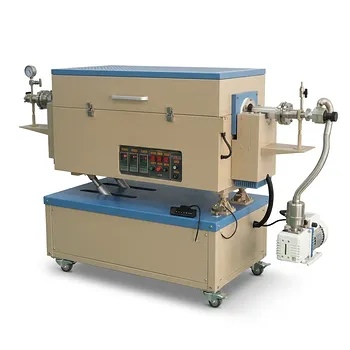
Three Zone Rotary Tube Furnace for High Temperature Powder Processing and Material Research
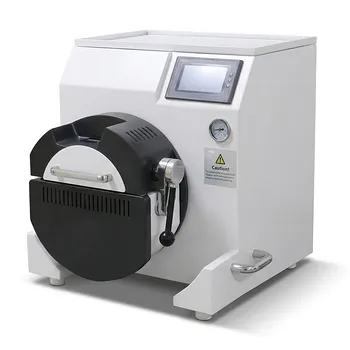
Desktop Induction Melting Furnace with Automatic Rotary Casting Function up to 1700C for Advanced Metal Alloy Research
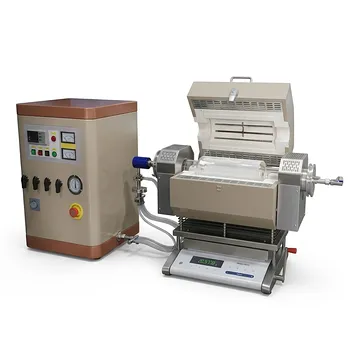
Mini Rotary Tubular Furnaces for Precision Powder Heat Treatment and Thermogravimetric Analysis
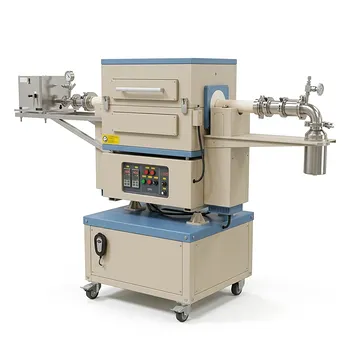
1500C Max Dual Zone Rotary Tube Furnace with 60 mm OD Alumina Tube for High Temperature Material Synthesis
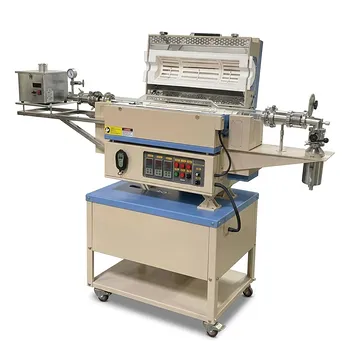
5 Inch Rotary Tube Furnace with Automatic Feeding and Receiving System 1200C Three Zone CVD Powder Processing

5 Inch Three Zone Rotary Tube Furnace with Integrated Gas Delivery System and 1200C Capability for Advanced Material CVD Processing
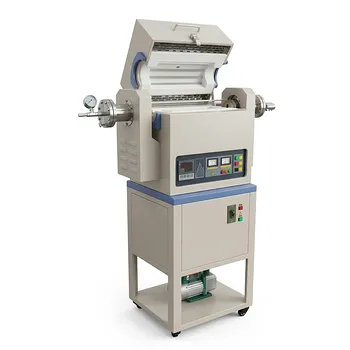
High Temperature Rotary Tilt Tubular Furnaces for Advanced Powder Sintering and Material Processing
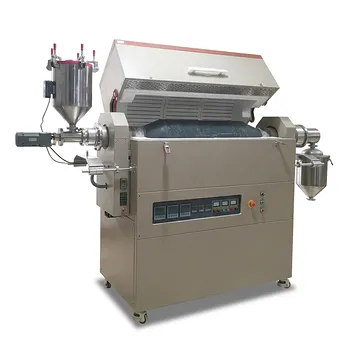
High Temperature Tilting Rotary Tubular Furnace for Continuous Powder Thermal Processing and Controlled Atmosphere Sintering
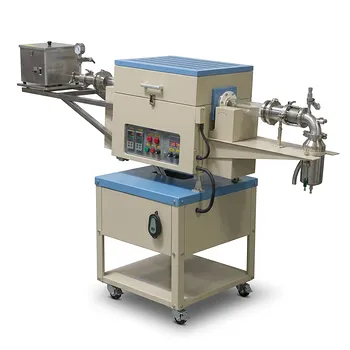
Two Zone Rotary CVD Furnace with Automatic Feeding and Receiving System for Powder Processing
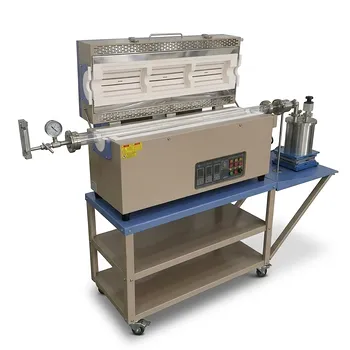
5 Inch Two Zone Rotary Tube Furnace 1100C for Powder CVD and Material Synthesis
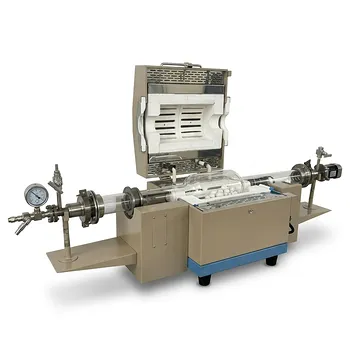
High Temperature Rotary Tube Furnace with Integrated Ball Milling and Gas Flow Function for Powder Nitriding
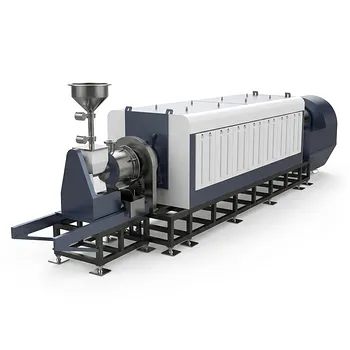
Electric Rotary Kiln Small Rotary Furnace Biomass Pyrolysis Plant