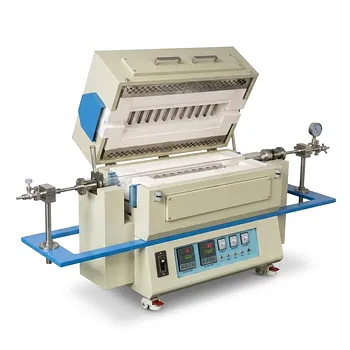
Why use a rotary tube furnace for FACS carbonization? Ensure uniform morphology and prevent sphere agglomeration.
Updated 3 months ago
The primary reason for utilizing a rotary tube furnace is to achieve extreme heating uniformity. By maintaining continuous rotation, the furnace prevents Furfural Resin Carbon Spheres (FACS) from agglomerating or deforming, ensuring each sphere retains its complete morphology and consistent internal structure during the high-temperature transition to carbon.
Core Takeaway: A rotary tube furnace provides a dynamic heating environment that prevents the fusion of individual resin spheres. This process, conducted under a strictly controlled inert atmosphere, is essential for producing high-quality carbon materials with uniform physical and chemical properties.
The Critical Role of Dynamic Heating
Preventing Particle Agglomeration
During the carbonization phase, resin spheres can become "sticky" as they undergo chemical transformation. In a static furnace, these spheres often fuse together into large, unusable clumps. Continuous rotation keeps the material in constant motion, effectively preventing individual spheres from adhering to one another.
Ensuring Uniform Thermal Distribution
Static heating often results in localized "hot spots" or temperature gradients across the material bed. A rotary furnace ensures that every sphere is exposed to the same thermal conditions as it moves through the tube. This uniform exposure is vital for the consistent development of the carbon skeleton across the entire batch.
Preserving Spherical Morphology
Uneven heating can cause structural stress, leading to cracked or lopsided spheres. By distributing heat evenly around the entire surface of each particle, the rotary action maintains the spherical integrity of the FACS. This shape is critical for subsequent applications, such as gas separation or catalyst support.
Atmospheric Control and Chemical Transformation
Establishing a Pyrolytic Environment
Carbonization must occur in the absence of oxygen to prevent the resin from burning away. The furnace facilitates the continuous introduction of high-purity inert gases, such as nitrogen, to create a stable protective environment. This ensures the material undergoes pyrolysis—a controlled thermal decomposition—rather than oxidative combustion.
Facilitating Pre-Activation Conditions
The rotary environment prepares the carbon spheres for future physical activation processes, such as those involving CO2. By creating a uniform base material at temperatures often reaching 600°C to 1100°C, the furnace sets the stage for the reverse Boudouard reaction. This reaction later allows for precise pore creation and high specific surface areas, often exceeding 1300 m²/g.
Consistency in Internal Pore Structure
A stable heat treatment environment is essential for determining the final adsorption capacity of the carbon. Because the rotary action eliminates temperature fluctuations, the internal pore architecture develops symmetrically. This consistency is the foundation for creating high-performance composite materials with predictable gas separation properties.
Understanding the Trade-offs
Mechanical Abrasion Risks
While rotation prevents agglomeration, the physical tumbling of the spheres can lead to mechanical wear. If the rotation speed is too high, the friction between spheres or against the tube wall may cause surface erosion or dust generation, potentially compromising the smoothness of the spheres.
Equipment Complexity and Maintenance
Rotary furnaces are more mechanically complex than stationary atmosphere furnaces. The moving seals required to maintain an inert atmosphere while the tube rotates are susceptible to wear and require regular maintenance to prevent oxygen leaks, which could ruin a production batch.
Thermal Lag in Bulk Processing
Although the heat is uniform, there can be a slight delay in the core temperature of a large volume of spheres compared to the tube wall. Operators must carefully calibrate the rotation speed and residence time to ensure the center of the material mass reaches the target carbonization temperature.
How to Apply This to Your Project
When deciding on a thermal processing strategy for FACS or similar resin-based precursors, consider your primary objective:
- If your primary focus is structural integrity: Use a rotary tube furnace to ensure spheres do not fuse and maintain their individual spherical shapes.
- If your primary focus is maximizing surface area: Ensure the furnace supports high-precision gas flow (like CO2 or N2) to facilitate the local gasification needed for pore development.
- If your primary focus is phase purity (e.g., for Fe3C carbides): Prioritize a furnace with high-quality atmospheric seals to maintain a strictly oxygen-free environment throughout the heating cycle.
By prioritizing uniform motion and atmospheric purity, you ensure that the resulting carbon spheres are optimized for high-performance industrial applications.
Summary Table:
| Feature | Benefit for FACS Carbonization |
|---|---|
| Continuous Rotation | Prevents spheres from sticking/fusing during the sticky resin phase. |
| Dynamic Heating | Eliminates hot spots, ensuring a consistent internal carbon skeleton. |
| Inert Atmosphere | Facilitates controlled pyrolysis and prevents oxidative combustion. |
| Morphology Control | Maintains perfect spherical integrity for gas separation applications. |
| Activation Prep | Creates a uniform base for high surface area (up to 1300 m²/g) via CO2. |
Elevate Your Material Research with THERMUNITS Precision
Are you looking to achieve superior consistency in your FACS carbonization or advanced material synthesis? THERMUNITS is a leading manufacturer of high-temperature laboratory equipment dedicated to supporting material science and industrial R&D.
We provide a comprehensive range of high-performance thermal solutions, including:
- Rotary and Tube Furnaces for dynamic heat treatment.
- Muffle, Vacuum, and Atmosphere Furnaces for controlled environments.
- CVD/PECVD Systems and Hot Press Furnaces for advanced thin-film and structural work.
- Dental Furnaces, VIM Systems, and Thermal Elements.
Our expert team is ready to help you select the ideal equipment to prevent material agglomeration and maximize surface area in your projects.
Contact THERMUNITS Today to Request a Quote and discover how our thermal processing expertise can drive your innovation forward.
References
- Yaqi Yao, Yanqiang Huang. Tunable internal structure carbon sphere synthesis driven by water-solubility and its application in gas separation. DOI: 10.1039/d3ra08430b
Mentioned Products
- 900°C Max Rotary Tube Furnace with 8 Inch 310S Alloy Tube and Optional Multi Zone Heating for Industrial Material Calcination
- 1500C 3-Zone Rotary Tube Furnace 60mm with Automatic Powder Feeding and Receiving System for Continuous Material Synthesis
- High Temperature 1700C Dual Zone Rotary Tube Furnace with 60mm Alumina Tube and Precision Rotation Control
- High Temperature Rotary Tube Furnace with Integrated Ball Milling and Gas Flow Function for Powder Nitriding
- 1500C Max Dual Zone Rotary Tube Furnace with 60 mm OD Alumina Tube for High Temperature Material Synthesis
People Also Ask
- How does a rotary tube furnace improve the processing of granular materials? Enhance Uniformity and Reaction Kinetics
- Why is the precise optimization of residence time essential in the catalyst calcination process? Maximize Your Yields.
- In what ways do rotary tube furnaces enhance chemical and specialty mineral processing? Drive Precision and Uniformity.
- What parameters must operators control to maintain product quality in a rotary furnace? Master Your Heat Treatment.
- What are the typical operating temperature ranges and mechanical specifications for rotary furnaces? A Complete Guide

Tech Team · ThermUnits
Last updated on Jun 03, 2026
Related Products
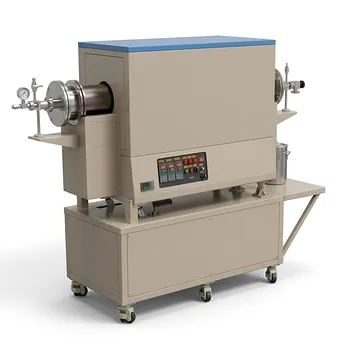
900°C Max Rotary Tube Furnace with 8 Inch 310S Alloy Tube and Optional Multi Zone Heating for Industrial Material Calcination
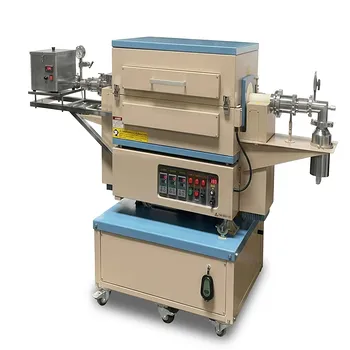
1500C 3-Zone Rotary Tube Furnace 60mm with Automatic Powder Feeding and Receiving System for Continuous Material Synthesis
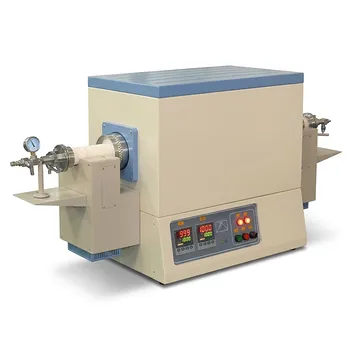
High Temperature 1700C Dual Zone Rotary Tube Furnace with 60mm Alumina Tube and Precision Rotation Control
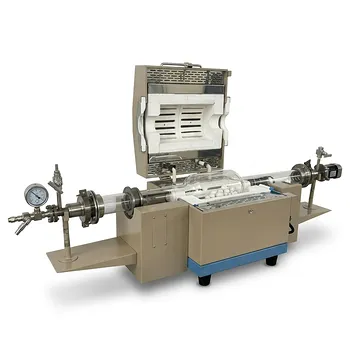
High Temperature Rotary Tube Furnace with Integrated Ball Milling and Gas Flow Function for Powder Nitriding
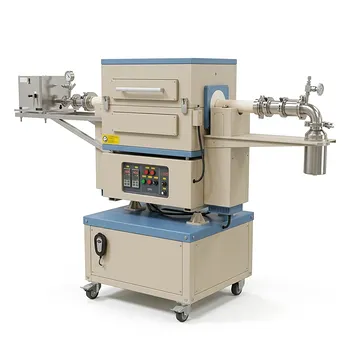
1500C Max Dual Zone Rotary Tube Furnace with 60 mm OD Alumina Tube for High Temperature Material Synthesis
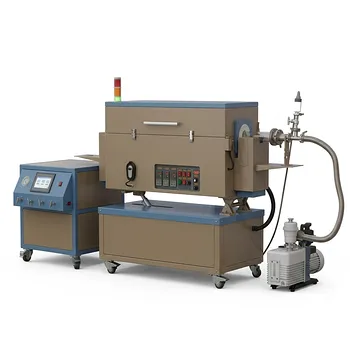
5 Inch Three Zone Rotary Tube Furnace with Integrated Gas Delivery System and 1200C Capability for Advanced Material CVD Processing
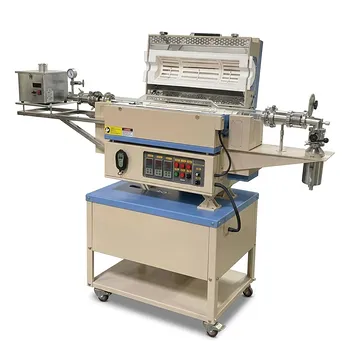
5 Inch Rotary Tube Furnace with Automatic Feeding and Receiving System 1200C Three Zone CVD Powder Processing
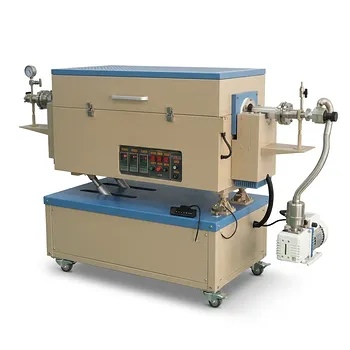
Three Zone Rotary Tube Furnace for High Temperature Powder Processing and Material Research
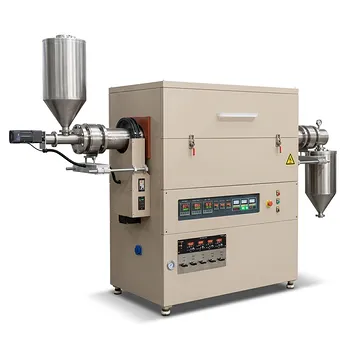
High Temperature Tilting Rotary Tube Furnace with Integrated Mass Flow Control and Multi Zone Heating
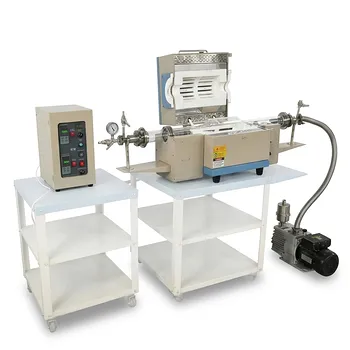
Two Zone Rotary Tube Furnace for Powder CVD Coating and Core Shell Material Synthesis 1100C
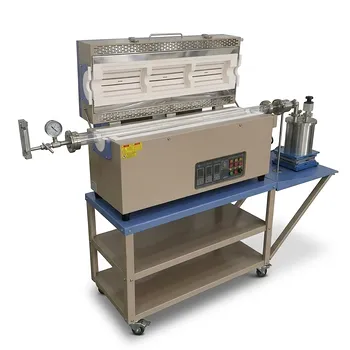
5 Inch Two Zone Rotary Tube Furnace 1100C for Powder CVD and Material Synthesis
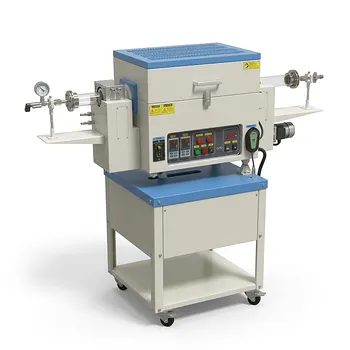
4 Inch Two Zone Rotary CVD Tube Furnace for High Temperature Battery Material Synthesis and Advanced Material Calcination
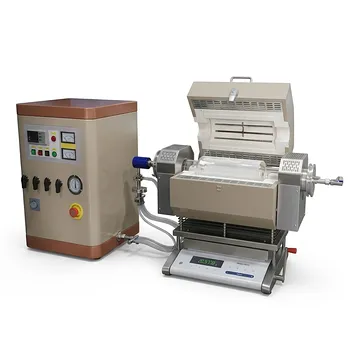
Mini Rotary Tubular Furnaces for Precision Powder Heat Treatment and Thermogravimetric Analysis
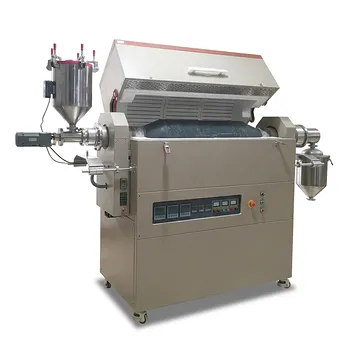
High Temperature Tilting Rotary Tubular Furnace for Continuous Powder Thermal Processing and Controlled Atmosphere Sintering
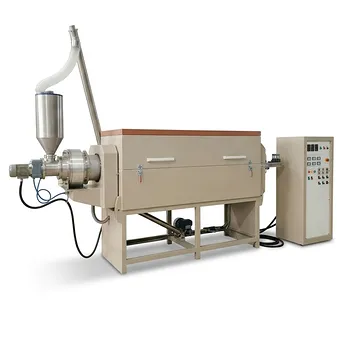
Continuous Feeding Rotary Tube Furnace for Industrial Powder Heat Treatment and Material Research
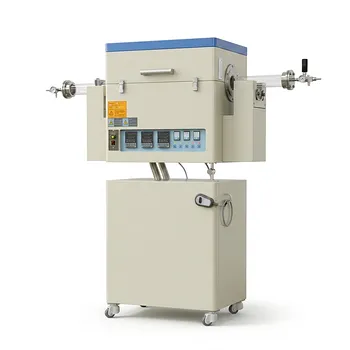
Three Temperature Zone Rotating Tube Furnace for Material Sintering and Controlled Atmospheric Heat Treatment
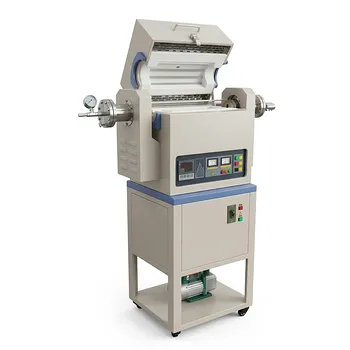
High Temperature Rotary Tilt Tubular Furnaces for Advanced Powder Sintering and Material Processing
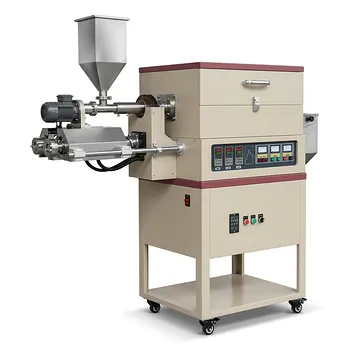
Laboratory Tilting Rotary Tubular Furnaces for Material Science and Industrial Heat Treatment
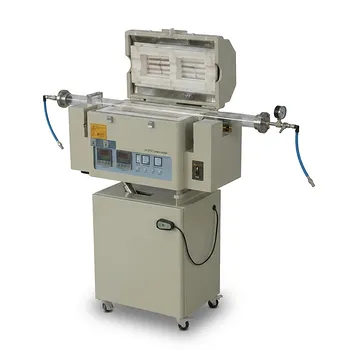
Double Temperature Revolving Tube Furnace with Precision Rotation and Adjustable Inclination for Advanced Material Research