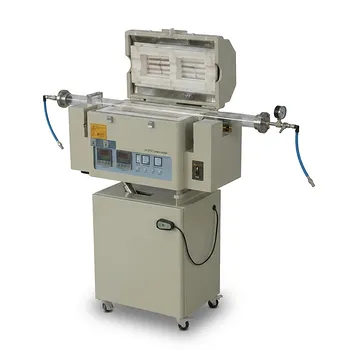
Why is the precise optimization of residence time essential in the catalyst calcination process? Maximize Your Yields.
Updated 3 months ago
Residence time in a rotary tube furnace is the "invisible dial" that dictates the success of catalyst calcination. It ensures the catalyst achieves its peak active structure and long-term stability without suffering from thermal degradation or structural collapse. Precise timing balances the energy required for chemical transformation against the risks of overheating, directly impacting both the performance of the catalyst and the energy efficiency of the production process.
Core Takeaway: Optimizing residence time is the fundamental bridge between a raw precursor and a high-performance catalyst. It ensures sufficient thermal exposure for structural evolution while preventing the defects and energy waste associated with over-processing.
The Structural Evolution of Active Species
Achieving Ideal Crystallinity and Phase
Precise residence time allows the precursor material to undergo sufficient calcination to form the ideal crystal structure. Without enough time, the chemical transformation remains incomplete, leading to a catalyst with poor activity.
Controlling Particle Size Distribution
The duration of thermal exposure directly influences particle size distribution, such as that of Platinum (Pt) or iron atoms. Precise timing ensures that active species remain in the desired state—often as uniformly anchored single atoms—rather than aggregating into larger, less effective particles.
Managing Surface Chemistry
Residence time affects the chemical form of additives like Calcium Oxide (CaO) and the resulting surface acidity or alkalinity. Tuning this parameter is essential for optimizing the interactions between the active species and the support material.
Maximizing Catalyst Performance and Stability
Optimizing Species-Support Interactions
The "soak time" within the furnace facilitates the critical interactions between active species and the support. Proper optimization of these interactions is often the deciding factor in achieving maximum product yields, such as in cyclohexene production.
Protecting Pore Structure and Morphology
For catalysts using carbon substrates or nanotubes, precise timing prevents the collapse of delicate pore structures. This is especially critical when dealing with microbial-derived substrates that are sensitive to prolonged high-temperature exposure.
Inducing Specific Morphologies
In advanced materials like nitrogen-doped carbon nanotubes, the residence time at specific temperatures (often up to 800°C) dictates the formation of Fe-N coordination structures. Correct timing ensures the desired morphological evolution occurs without destroying the carbon framework.
Understanding the Trade-offs
The Risk of Under-Processing
If the residence time is too short, the catalyst may suffer from insufficient calcination, leaving behind unreacted precursors. This results in a "weak" catalyst that lacks the necessary stability and chemical activity for industrial applications.
The Consequences of Over-Heating
Excessive residence time leads to structural defects and the sintering of active particles, which significantly reduces the surface area. Beyond damaging the product, it causes unnecessary energy waste, increasing the total cost of ownership for the furnace operation.
The Complexity of Atmosphere Interaction
The impact of residence time is inextricably linked to the furnace atmosphere. For instance, maintaining a stable reducing environment for too long or too short a time can alter the oxidation state of trace elements, potentially turning a beneficial catalyst into an inert material.
Applying Optimization to Your Process
To achieve the best results in your rotary tube furnace calcination, consider your primary objective:
- If your primary focus is Maximum Activity: Optimize residence time to ensure the smallest possible particle size and highest surface acidity by avoiding even slight over-exposure.
- If your primary focus is Long-Term Stability: Prioritize a residence time that allows for full phase transformation and robust species-support anchoring, even if it requires a slightly longer heating profile.
- If your primary focus is Operational Efficiency: Use precise residence time control to eliminate "heat soak" periods that do not contribute to chemical evolution, thereby reducing energy consumption per kilogram of catalyst.
Mastering residence time transforms calcination from a simple heating step into a precise tool for engineering superior catalytic performance.
Summary Table:
| Optimization Factor | Impact on Catalyst Quality | Risk of Poor Control |
|---|---|---|
| Crystallinity & Phase | Ensures ideal active structures | Incomplete chemical transformation |
| Particle Size Distribution | Prevents sintering/aggregation | Reduced active surface area |
| Pore Structure | Protects delicate morphology | Structural collapse or defects |
| Surface Chemistry | Tunes species-support interaction | Inert or unstable catalyst product |
| Energy Efficiency | Minimizes wasted heat soak | Higher operational costs & energy waste |
Elevate Your Material R&D with THERMUNITS Precision
As a global leader in high-temperature laboratory equipment, THERMUNITS specializes in providing the thermal processing solutions necessary for cutting-edge material science. Our high-precision Rotary Tube Furnaces are specifically engineered to give you absolute control over residence time, ensuring your catalysts achieve peak performance and long-term stability.
From Muffle, Vacuum, and Atmosphere Furnaces to advanced CVD/PECVD systems and Vacuum Induction Melting (VIM) units, we offer a comprehensive range of equipment designed for industrial R&D and precision manufacturing.
Ready to optimize your calcination process? Contact our technical experts today to find the perfect thermal solution.
References
- Tiezhuang Zhou, Wenchun Jiang. Impact of Structure Parameters on the Critical Performance of a Novel Calciner—A DEM-Based Study. DOI: 10.2478/pjct-2024-0036
Mentioned Products
- 900°C Max Rotary Tube Furnace with 8 Inch 310S Alloy Tube and Optional Multi Zone Heating for Industrial Material Calcination
- 1500C 3-Zone Rotary Tube Furnace 60mm with Automatic Powder Feeding and Receiving System for Continuous Material Synthesis
- High Temperature 1700C Dual Zone Rotary Tube Furnace with 60mm Alumina Tube and Precision Rotation Control
- High Temperature Rotary Tube Furnace with Integrated Ball Milling and Gas Flow Function for Powder Nitriding
- 1500C Max Dual Zone Rotary Tube Furnace with 60 mm OD Alumina Tube for High Temperature Material Synthesis
People Also Ask
- How does a rotary tube furnace improve the processing of granular materials? Enhance Uniformity and Reaction Kinetics
- Why use a rotary tube furnace for FACS carbonization? Ensure uniform morphology and prevent sphere agglomeration.
- In what ways do rotary tube furnaces enhance chemical and specialty mineral processing? Drive Precision and Uniformity.
- What parameters must operators control to maintain product quality in a rotary furnace? Master Your Heat Treatment.
- What are the typical operating temperature ranges and mechanical specifications for rotary furnaces? A Complete Guide

Tech Team · ThermUnits
Last updated on Jun 03, 2026
Related Products
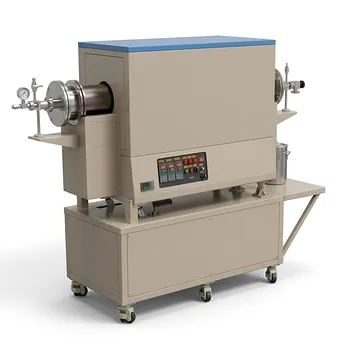
900°C Max Rotary Tube Furnace with 8 Inch 310S Alloy Tube and Optional Multi Zone Heating for Industrial Material Calcination
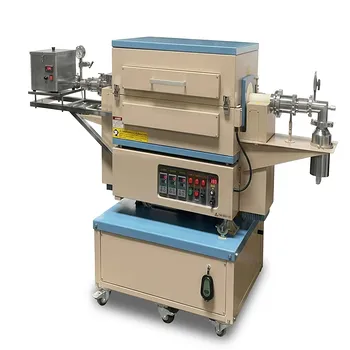
1500C 3-Zone Rotary Tube Furnace 60mm with Automatic Powder Feeding and Receiving System for Continuous Material Synthesis
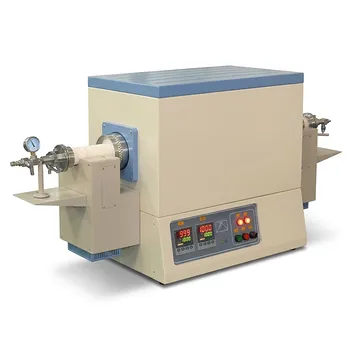
High Temperature 1700C Dual Zone Rotary Tube Furnace with 60mm Alumina Tube and Precision Rotation Control
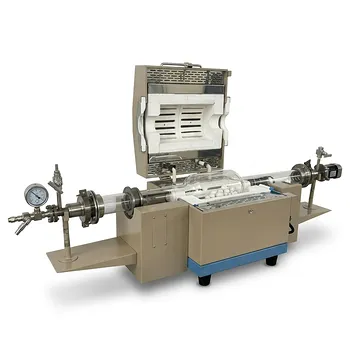
High Temperature Rotary Tube Furnace with Integrated Ball Milling and Gas Flow Function for Powder Nitriding
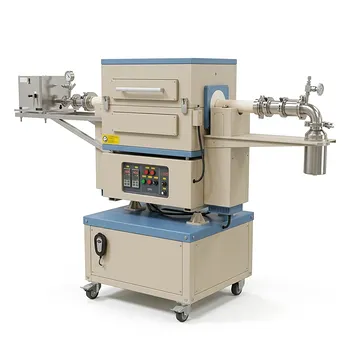
1500C Max Dual Zone Rotary Tube Furnace with 60 mm OD Alumina Tube for High Temperature Material Synthesis
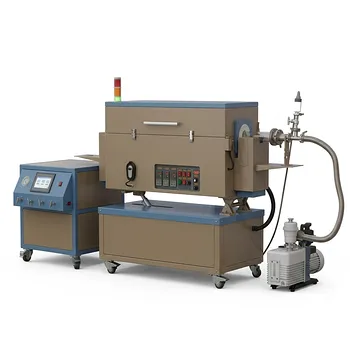
5 Inch Three Zone Rotary Tube Furnace with Integrated Gas Delivery System and 1200C Capability for Advanced Material CVD Processing
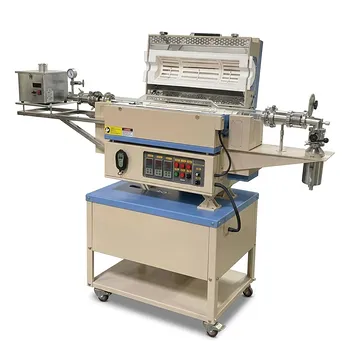
5 Inch Rotary Tube Furnace with Automatic Feeding and Receiving System 1200C Three Zone CVD Powder Processing
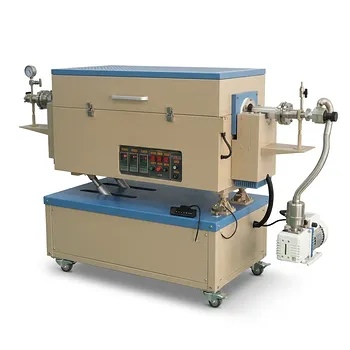
Three Zone Rotary Tube Furnace for High Temperature Powder Processing and Material Research
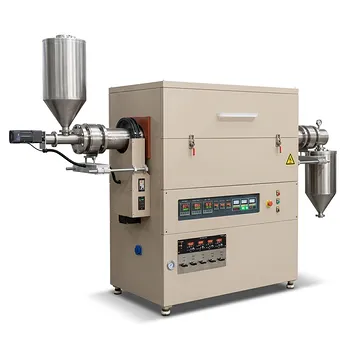
High Temperature Tilting Rotary Tube Furnace with Integrated Mass Flow Control and Multi Zone Heating
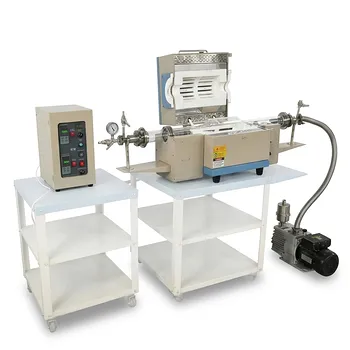
Two Zone Rotary Tube Furnace for Powder CVD Coating and Core Shell Material Synthesis 1100C
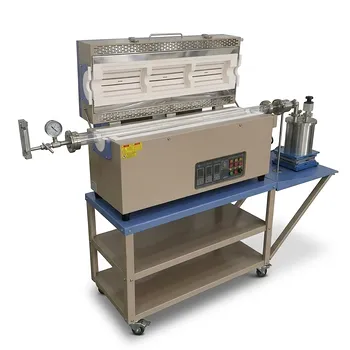
5 Inch Two Zone Rotary Tube Furnace 1100C for Powder CVD and Material Synthesis
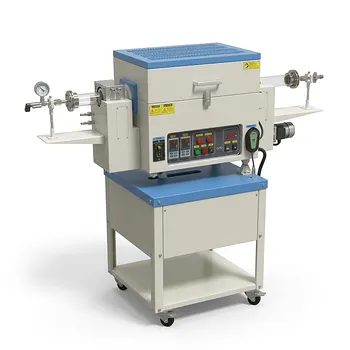
4 Inch Two Zone Rotary CVD Tube Furnace for High Temperature Battery Material Synthesis and Advanced Material Calcination
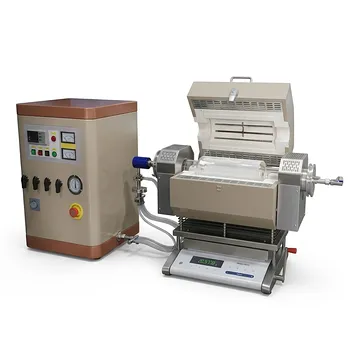
Mini Rotary Tubular Furnaces for Precision Powder Heat Treatment and Thermogravimetric Analysis
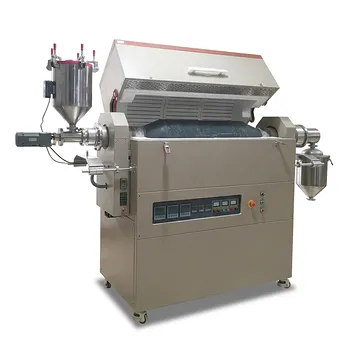
High Temperature Tilting Rotary Tubular Furnace for Continuous Powder Thermal Processing and Controlled Atmosphere Sintering
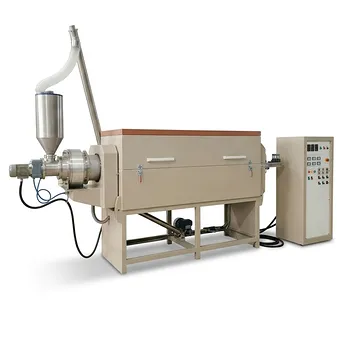
Continuous Feeding Rotary Tube Furnace for Industrial Powder Heat Treatment and Material Research
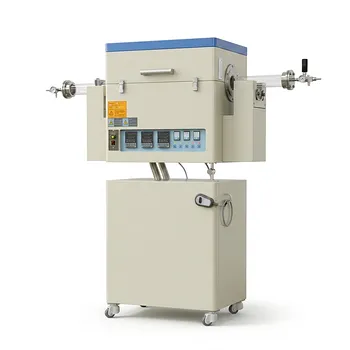
Three Temperature Zone Rotating Tube Furnace for Material Sintering and Controlled Atmospheric Heat Treatment
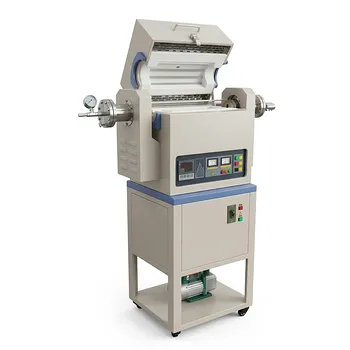
High Temperature Rotary Tilt Tubular Furnaces for Advanced Powder Sintering and Material Processing
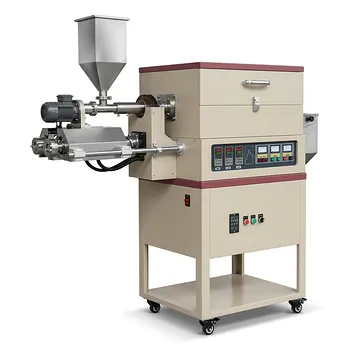
Laboratory Tilting Rotary Tubular Furnaces for Material Science and Industrial Heat Treatment
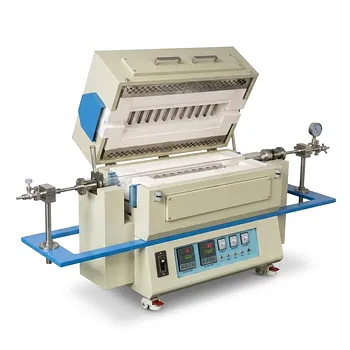
High Temperature Dual Zone Rotating Tube Furnace 1500C Silicon Carbide Heating for Advanced Material Synthesis