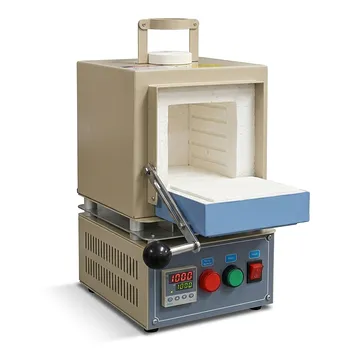
How is a laboratory muffle furnace used in the pre-treatment or calcination of chemical samples? Enhancing Lab Precision
Updated 3 months ago
A laboratory muffle furnace is a high-temperature heating device used to transform chemical samples through thermal decomposition, phase transitions, and the removal of volatile or organic components. By providing a stable, uniform thermal field in a static air environment, it allows researchers to convert raw precursors into reactive oxides, remove organic templates, or initiate solid-phase reactions necessary for advanced material synthesis.
The muffle furnace serves as a critical bridge between raw chemical precursors and stable, reactive starting materials. It ensures chemical stoichiometry and structural integrity by applying precise, repeatable thermal energy to induce specific chemical changes.
Thermal Decomposition and Phase Transformation
Conversion of Precursors to Active States
A primary use of the muffle furnace is the thermal decomposition of salts, such as nitrates or carbonates, into their corresponding metal oxides. For example, cobalt nitrate salts impregnated on a carrier are typically calcined at 450°C to transform them into catalytically active metal oxides.
Facilitating Phase Transitions
High-temperature roasting allows powder particles to undergo necessary phase transformations. This process ensures the resulting materials possess the desired crystal structure and high reactivity required for subsequent experimental stages.
Achieving Chemical Stability
Long-term calcination at moderate temperatures (around 450°C) helps decompose precursors and initiates initial chemical reactions between components. This thermal processing creates a stable chemical state, which prevents severe volume changes or cracking during final high-temperature sintering.
Material Purification and Organic Removal
Ashing and Debinding
The muffle furnace is essential for the "ashing" of samples, where organic matter is burnt off to leave only the inorganic residue. This is also used in "debinding," where organic template agents used in powder synthesis are thermally removed to clear the pore structures or consolidate the material.
Dehydration and Moisture Control
Beyond high-heat calcination, these furnaces are used for drying treatments to remove both physically absorbed water and chemically combined water. Maintaining a constant temperature (e.g., 60°C) ensures accurate initial mass measurements for thermogravimetric analysis by preventing moisture interference.
Oxidation and Volatilization
The radiant heat generated by the furnace's elements creates a static reaction space ideal for oxidation. This environment ensures that impurities are thoroughly oxidized or volatilized, resulting in a purified inorganic sample.
Pre-treatment for Complex Synthesis
Solid-Phase Reaction Platforms
The furnace provides the stable environment needed for solid-phase reactions, such as the dry alkalization of minerals. For instance, heating acidified loess with sodium hydroxide at 400°C converts silicon-aluminum minerals into soluble sodium silicate and aluminate, forming the precursor for zeolite synthesis.
Ensuring Stoichiometric Accuracy
Precise temperature control programs allow for the uniform treatment of large batches of powder. This uniformity is vital for maintaining accurate chemical stoichiometry across the entire sample, ensuring that the final synthesized oxide is homogeneous.
Thermal Field Distribution
Because of the closed heating structure and high-quality insulation, the furnace maintains a superior thermal field distribution. This "thermal inertia" ensures that even as reactions occur within the chamber, the temperature remains consistent, leading to high process repeatability.
Understanding the Trade-offs
Static Atmosphere Limitations
A standard muffle furnace typically operates in a static air atmosphere, which may not be suitable for samples that require a vacuum or specific inert gas flow to prevent unwanted oxidation. If the sample releases a high volume of toxic or corrosive gases during decomposition, a standard muffle furnace without specialized ventilation may be damaged.
Thermal Inertia and Cooling Rates
The excellent insulation that makes these furnaces efficient also means they have high thermal inertia. They take a significant amount of time to cool down, which can slow down experimental workflows if rapid cycling between different temperatures is required.
Temperature Gradients in Large Batches
While the thermal field is generally uniform, very large batches of powder in a box-type furnace may still experience slight temperature gradients between the surface and the core. This can lead to incomplete calcination or variations in crystal size if the heating duration is not sufficiently long.
Applying This to Your Project
Recommendations for Sample Treatment
- If your primary focus is catalyst preparation: Use a constant-temperature calcination (e.g., 400-450°C for 4 hours) to ensure the complete conversion of nitrate or carbonate salts into active oxides.
- If your primary focus is organic impurity removal: Utilize the ashing function with a slow temperature ramp to prevent rapid combustion, which can cause sample splashing or loss of fine powders.
- If your primary focus is solid-state synthesis: Ensure the powders are thoroughly mixed and use the furnace's programmable features to maintain long-term thermal stability for complete phase transformation.
- If your primary focus is analytical precision: Use the furnace at lower, stable temperatures to remove absorbed water and ensure the reliability of raw material mass before beginning sensitive thermogravimetric tests.
By precisely controlling the thermal environment, the laboratory muffle furnace ensures that chemical samples reach the exact state of purity and reactivity required for successful scientific outcomes.
Summary Table:
| Application | Process | Key Outcome |
|---|---|---|
| Calcination | Thermal Decomposition | Converts salts to stable metal oxides; ensures stoichiometry. |
| Purification | Ashing & Debinding | Removes organic templates/impurities to isolate inorganic residue. |
| Synthesis | Solid-Phase Reaction | Facilitates phase transitions and mineral conversion in a stable field. |
| Analysis Prep | Dehydration | Removes absorbed water for accurate mass and thermogravimetric testing. |
Elevate Your Material Research with THERMUNITS
Maximize the precision of your chemical pre-treatment with THERMUNITS, a leading manufacturer of high-temperature laboratory equipment. From standard Muffle and Tube furnaces to specialized Vacuum, Atmosphere, and Hot Press systems, our thermal processing solutions are engineered for the rigorous demands of material science and industrial R&D.
Our comprehensive range—including CVD/PECVD systems, Rotary kilns, and Vacuum Induction Melting (VIM) furnaces—provides the uniform thermal fields and precise control necessary for successful calcination and synthesis.
Ready to optimize your heat treatment workflow? Contact our engineering team today to discuss the perfect solution for your laboratory.
References
- Yulian He, Zhiyong Han. Preparation of the Amorphous NiCoP Nanosheet Array on Carbon Cloth for High‐Performance Solid‐State Hybrid Supercapacitor. DOI: 10.1002/slct.202304554
Mentioned Products
- 1750C Compact Muffle Furnace 1.7L Ultra High Temperature Laboratory Sintering System for Advanced Ceramics and Material Science Research
- 1200C Muffle Furnace 12x8x5 7.2L Heating Chamber with Quartz Observation Window and Vent Port
- High Temperature 1200C Muffle Furnace 27L Volume 12x12x12 Chamber with Programmable PID Controller for Laboratory Material Science
- 1750C Bench Top Muffle Furnace 3.6L High Grade Molybdenum Disilicide Heating Elements Laboratory Heat Treatment Equipment
- 1200°C High Temperature Muffle Furnace 19L Chamber with 50 Segment Programmable Controller
People Also Ask
- What role does a laboratory high-temperature muffle furnace play in the ash analysis phase of biomass co-firing research? [Guide]
- What is the function of a high-temp muffle furnace in Ni-V oxide synthesis? Optimize your material's performance.
- What role does a high-temperature muffle furnace play in the synthesis of Melem precursors? Precision Polymerization.
- What is the function of a high-temperature muffle furnace in phosphorus-modified zeolite catalyst preparation?
- What is the function of a muffle furnace in aluminoborosilicate glass prep? Stabilize Raw Materials for Superior Purity

Tech Team · ThermUnits
Last updated on Jun 02, 2026
Related Products
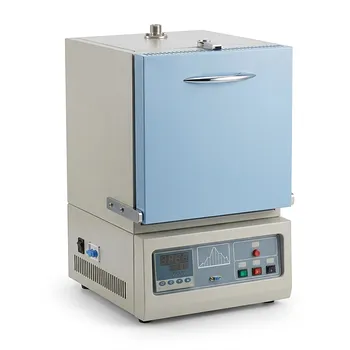
1750C Compact Muffle Furnace 1.7L Ultra High Temperature Laboratory Sintering System for Advanced Ceramics and Material Science Research
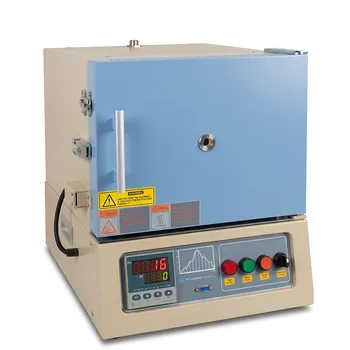
1200C Muffle Furnace 12x8x5 7.2L Heating Chamber with Quartz Observation Window and Vent Port
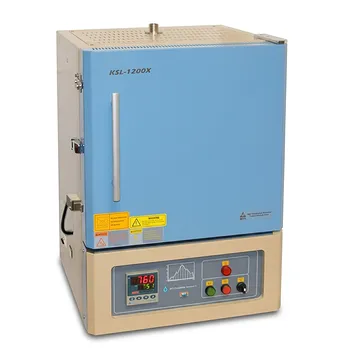
High Temperature 1200C Muffle Furnace 27L Volume 12x12x12 Chamber with Programmable PID Controller for Laboratory Material Science
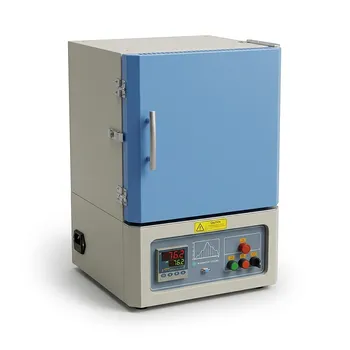
1750C Bench Top Muffle Furnace 3.6L High Grade Molybdenum Disilicide Heating Elements Laboratory Heat Treatment Equipment
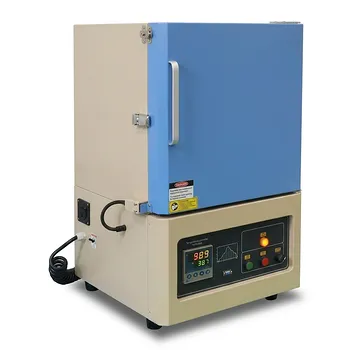
1200°C High Temperature Muffle Furnace 19L Chamber with 50 Segment Programmable Controller
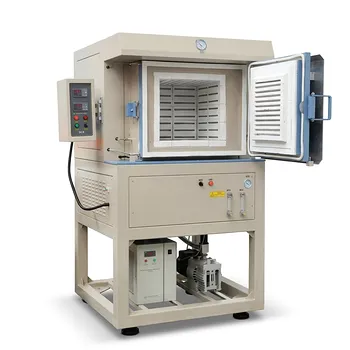
1200°C Five Side Heating Atmosphere Controlled Muffle Furnace 64 Liter High Uniformity Box Furnace for Material Synthesis
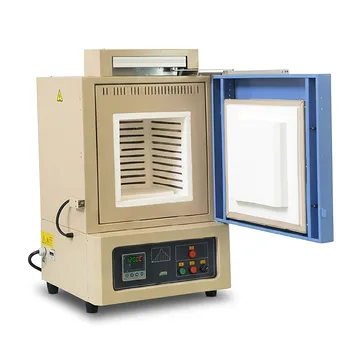
1200C High Temperature Muffle Furnace with Motorized Door and Automated PC Control for Industrial Sintering and Material Processing 27 Liter
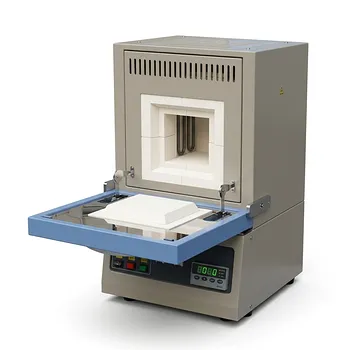
Five Sided Heating Muffle Furnace High Uniformity 1200C Lab Box Furnace 27L Alumina Fiber Chamber
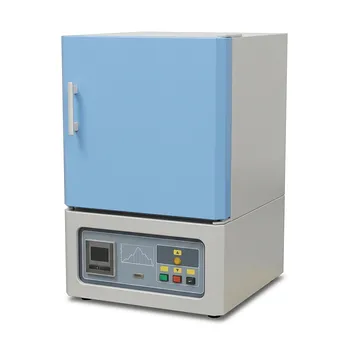
1800C Bench Top Muffle Furnace with Kanthal Super 1900 Heating Elements and 3.6L Alumina Fiber Chamber
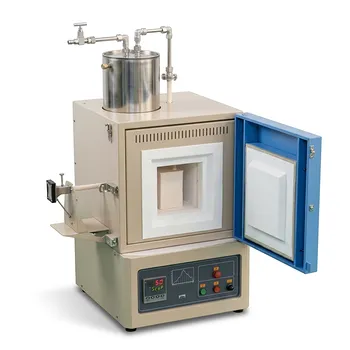
High Temperature Bench Top Muffle Furnace 1700C with Integrated Evaporating Particle Collection and 8x8x8 Alumina Fiber Chamber
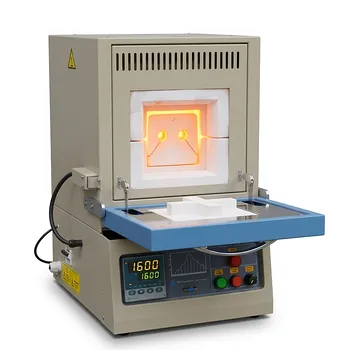
High Temperature Compact Muffle Furnace 1700 C with 30 Segment Programmable Controller and 1.7L Cubic Chamber
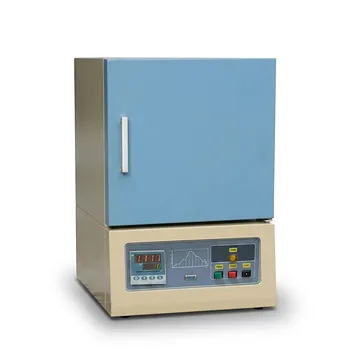
Ultra High Temperature Bench Top Muffle Furnace 1750C Sintering System with Kanthal Super Heating Elements and Precision Digital Control
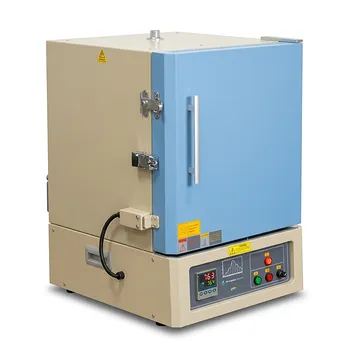
Large Capacity 1200C Muffle Furnace 64 Liter Chamber with Digital PID Controller and Built In Venting Port
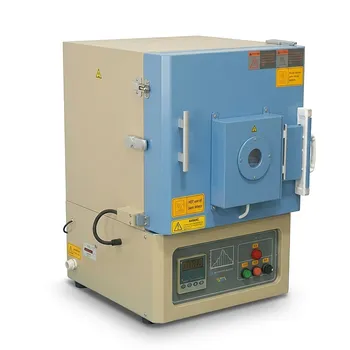
High Temperature Benchtop Muffle Furnace 1500C with 3.6L Chamber and Quartz Observation Window
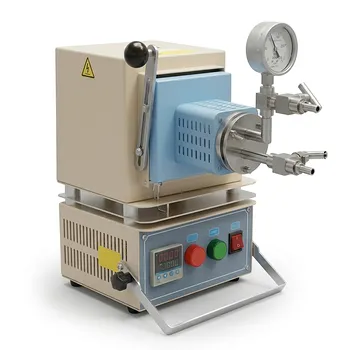
Compact Hybrid Muffle and Tube Furnace for 1000C Controlled Atmosphere Laboratory Material Sintering
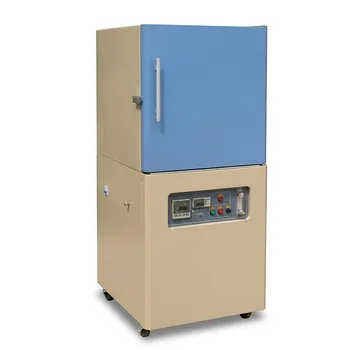
High Temperature Muffle Furnace with Dual Controllers and 36L Large Chamber 1700C Max
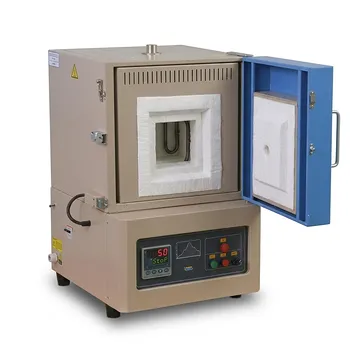
1800°C Bench Top Ultra High Temperature Muffle Furnace with Sapphire Observation Window and Top Feeding Port for Materials Research and Thermal Processing
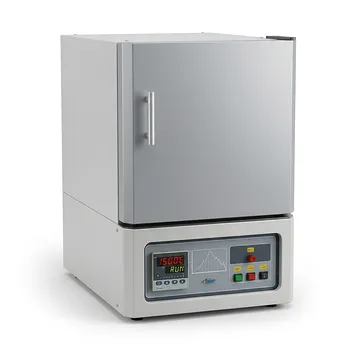
High Temperature 1500C Benchtop Muffle Furnace 3.6L Alumina Fiber Chamber Programmable Controller Sintering Annealing Carbonization Thermal Processing System
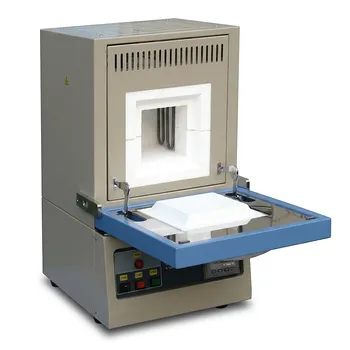
High Temperature 1800C Compact Muffle Furnace with Kanthal Super 1900 Heating Elements and 1.7L Alumina Chamber