How to use a muffle furnace for EIS? Optimize Pt Sintering & Data Accuracy for LaNbO4 Ceramics
Updated 3 months ago
The use of a high-temperature muffle furnace to sinter platinum paste creates a robust, electrically conductive interface essential for accurate data collection. By heating the assembly to 900 °C, the furnace transforms the paste into a stable electronic conductor with superior ohmic contact and mechanical adhesion to the LaNbO4 surface. This physical bond is the prerequisite for distinguishing the material's internal electrical properties from surface-level artifacts during testing.
The muffle furnace acts as the enabling tool for Electrochemical Impedance Spectroscopy (EIS) by ensuring efficient charge transfer at the platinum-ceramic interface. Without this precise thermal treatment, the resulting data would be clouded by contact resistance, making it impossible to isolate the ceramic's bulk and grain boundary characteristics.
Optimizing the Platinum-Ceramic Interface
Achieving Superior Ohmic Contact
The primary role of the 900 °C sintering process is to facilitate ohmic contact between the platinum (Pt) and the LaNbO4 ceramic. At these temperatures, the platinum paste particles bond to the ceramic substrate, ensuring that the electrical resistance at the junction is negligible.
This low-resistance connection is vital because it prevents the interface from becoming a bottleneck for charge carriers. When the contact is truly ohmic, the EIS equipment can "see" through the electrode into the actual material properties of the LaNbO4.
Ensuring Mechanical Adhesion and Stability
The muffle furnace provides the thermal energy necessary for the platinum to adhere mechanically to the dense ceramic pellet. This adhesion prevents delamination or "peeling" of the electrode during the temperature cycles often required in EIS testing.
A stable mechanical bond ensures that the surface area of the electrode remains constant throughout the experiment. Consistency in the contact area is a fundamental requirement for calculating specific conductivity and other material constants.
Enhancing EIS Resolution and Data Accuracy
Decoupling Complex Impedance Signals
EIS is used to separate different physical processes based on their unique relaxation times. By creating a high-quality platinum electrode, the muffle furnace allows the tester to clearly distinguish between bulk resistance, grain boundary resistance, and electrode polarization.
When the electrode-ceramic interface is poorly formed, the "electrode polarization" signal can overlap with or drown out the grain boundary signal. Proper sintering ensures these high-frequency and low-frequency events are distinct and measurable.
Thermal Purification of the Surface
The high-temperature environment of the muffle furnace also serves to decontaminate the ceramic surface. Similar to the treatment of other oxide ceramics, heating LaNbO4 to 900 °C can help decompose residual carbonates or organic impurities.
A clean surface is critical for ensuring that the charge transfer reflects the intrinsic properties of the material rather than surface-level contaminants. This process provides a "fresh" interface that minimizes the ion exchange barrier between the ceramic and the electrode.
Understanding the Trade-offs
Balancing Temperature and Phase Stability
While 900 °C is standard for platinum sintering, one must be cautious of the thermal stability of the LaNbO4 substrate itself. Excessive temperatures can inadvertently trigger phase transformations or unwanted grain growth in the ceramic.
The muffle furnace must provide precise temperature control to avoid altering the very microstructure the EIS test is intended to measure. A stable heating rate, such as 20 °C/min, is often employed to prevent thermal shock and maintain structural integrity.
Risks of Porosity and Thickness
If the platinum paste is sintered at too low a temperature, it may remain porous, leading to an increase in polarization resistance. Conversely, a layer that is too thick may introduce its own resistive components into the circuit.
Achieving the "Goldilocks" zone of temperature and duration is necessary to ensure the platinum behaves as a transparent window into the ceramic's electrical behavior, rather than an active participant in the resistance.
How to Apply This to Your Project
Strategies for Effective EIS Sample Preparation
To ensure the highest quality EIS results, the sintering process must be treated with the same precision as the electrochemical measurements themselves.
- If your primary focus is material characterization: Prioritize a precise 900 °C hold time to ensure the platinum-ceramic interface is fully matured and the signals for bulk and grain boundaries are distinct.
- If your primary focus is surface kinetics: Ensure the muffle furnace environment is free of contaminants, as even trace impurities can alter the electrode polarization data during EIS.
- If your primary focus is high-temperature stability: Use a controlled cooling ramp (e.g., 5-10 °C/min) to prevent the platinum from delaminating due to differences in the coefficient of thermal expansion (CTE) between the metal and the ceramic.
Proper thermal processing of the electrode is the definitive bridge between a raw ceramic pellet and high-fidelity electrochemical data.
Summary Table:
| Process Aspect | Role in EIS Preparation | Key Benefit |
|---|---|---|
| 900°C Sintering | Facilitates Pt-ceramic bonding | Achieves superior Ohmic contact |
| Adhesion Stability | Prevents electrode delamination | Constant contact area for conductivity |
| Thermal Purification | Removes surface organic impurities | Minimizes ion exchange barriers |
| Precise Control | Maintains substrate phase stability | Prevents unwanted microstructure changes |
Unlock High-Precision Thermal Processing with THERMUNITS
At THERMUNITS, we understand that accurate Electrochemical Impedance Spectroscopy (EIS) starts with perfect sample preparation. As a leading manufacturer of high-temperature laboratory equipment for material science and industrial R&D, we offer high-performance Muffle, Vacuum, Atmosphere, Tube, and Rotary furnaces designed to meet the rigorous demands of ceramic sintering and electrode application.
Our thermal processing solutions, including CVD/PECVD systems and vacuum induction melting furnaces (VIM), ensure the precise temperature control essential for your research success. Contact our experts today to discover how THERMUNITS can enhance your lab’s efficiency and data reliability!
References
- Kehan Huang, Stephen J. Skinner. Exploring the stability and protonic conductivity in W- and Mo-substituted LaNbO<sub>4</sub> under a reducing atmosphere. DOI: 10.1039/d4ta05501b
Mentioned Products
- 1200C High Temperature Muffle Furnace with Motorized Door and Automated PC Control for Industrial Sintering and Material Processing 27 Liter
- High Temperature 1700C Bench Top Muffle Furnace with Alumina Fiber Insulation and 3.6L Chamber Capacity for Precision Sintering and Heat Treatment
- High Temperature 1500C Benchtop Muffle Furnace 3.6L Alumina Fiber Chamber Programmable Controller Sintering Annealing Carbonization Thermal Processing System
- 1200°C High Temperature Muffle Furnace 19L Chamber with 50 Segment Programmable Controller
- Large Bench Top 1700C High Temperature Muffle Furnace with 19L Chamber for Advanced Material Sintering and Annealing
People Also Ask
- What is the role of a High-Temperature Muffle Furnace in the synthesis of bulk graphitic carbon nitride (CN)? Expert Guide
- What safety features are standard in high-temperature muffle furnaces? Essential Guide to Laboratory Equipment Safety
- What is the purpose of preheating charcoal in a high-temperature muffle furnace? Ensure Accuracy in Zinc Reduction.
- What is the role of a high-temperature muffle furnace or tube furnace in the preparation of Na2WO4/SiO2 catalysts?
- What role does a high-temperature muffle furnace play in ash content analysis? Ensure Purity & Adsorption Efficiency

Tech Team · ThermUnits
Last updated on Jun 03, 2026
Related Products
1200C High Temperature Muffle Furnace with Motorized Door and Automated PC Control for Industrial Sintering and Material Processing 27 Liter
High Temperature 1700C Bench Top Muffle Furnace with Alumina Fiber Insulation and 3.6L Chamber Capacity for Precision Sintering and Heat Treatment
High Temperature 1500C Benchtop Muffle Furnace 3.6L Alumina Fiber Chamber Programmable Controller Sintering Annealing Carbonization Thermal Processing System
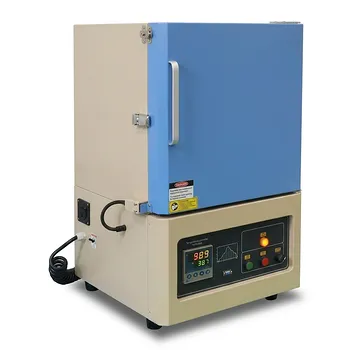
1200°C High Temperature Muffle Furnace 19L Chamber with 50 Segment Programmable Controller
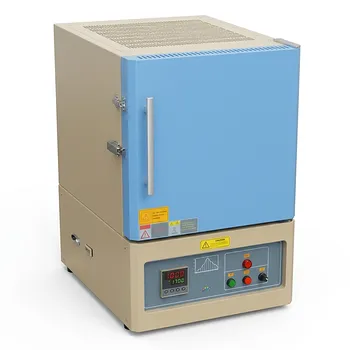
Large Bench Top 1700C High Temperature Muffle Furnace with 19L Chamber for Advanced Material Sintering and Annealing
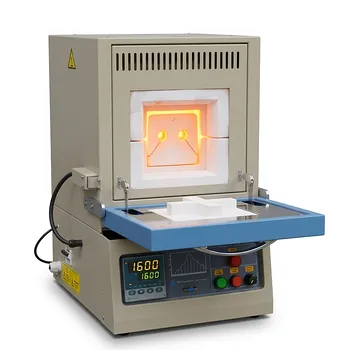
High Temperature Compact Muffle Furnace 1700 C with 30 Segment Programmable Controller and 1.7L Cubic Chamber
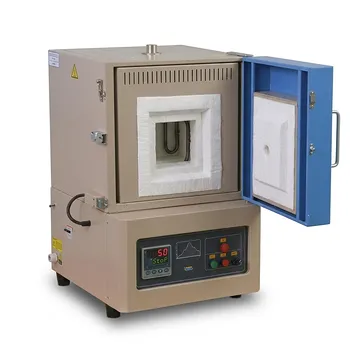
1800°C Bench Top Ultra High Temperature Muffle Furnace with Sapphire Observation Window and Top Feeding Port for Materials Research and Thermal Processing
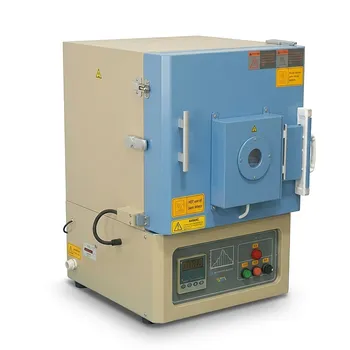
High Temperature Benchtop Muffle Furnace 1500C with 3.6L Chamber and Quartz Observation Window
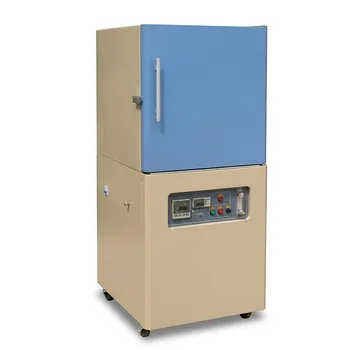
High Temperature Muffle Furnace with Dual Controllers and 36L Large Chamber 1700C Max
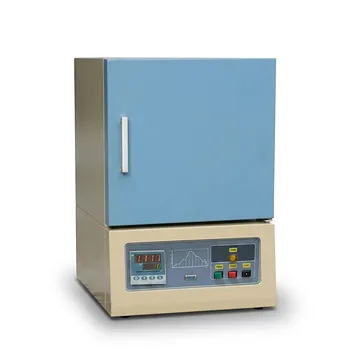
Ultra High Temperature Bench Top Muffle Furnace 1750C Sintering System with Kanthal Super Heating Elements and Precision Digital Control
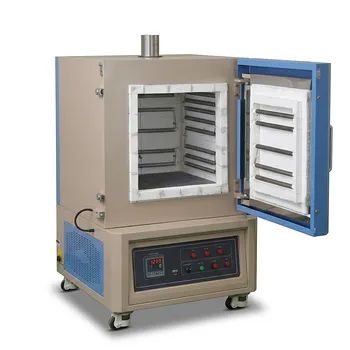
1200C High Temperature 125L Muffle Furnace 5 Side Heating for Large Batch Sintering with Optional Alloy Debinding Chamber
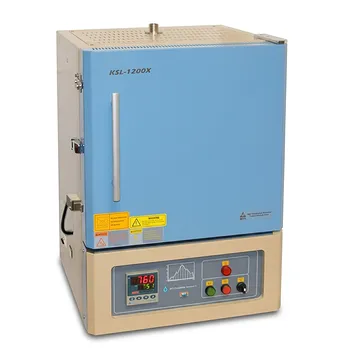
High Temperature 1200C Muffle Furnace 27L Volume 12x12x12 Chamber with Programmable PID Controller for Laboratory Material Science
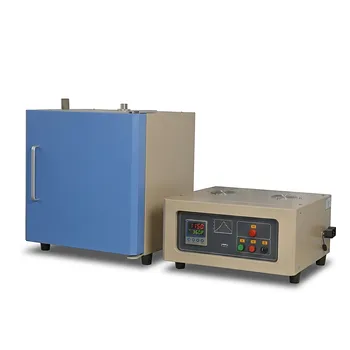
High Temperature Muffle Furnace with Alloy Chamber for Debinding and Sintering Applications
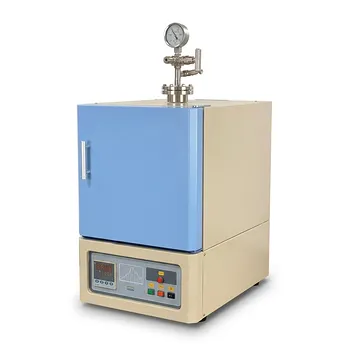
Hybrid High Temperature Muffle and Tube Furnace with 1500C Capability and Vacuum Flange Assembly
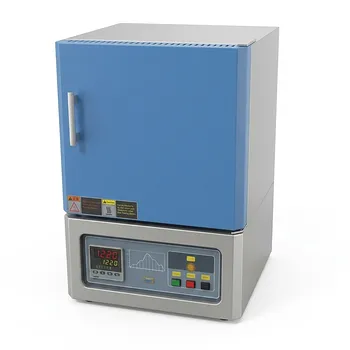
High Temperature Benchtop Muffle Furnace 1700C 10L Chamber Alumina Fiber Insulation MoSi2 Heating Elements
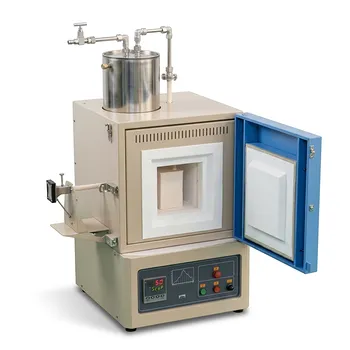
High Temperature Bench Top Muffle Furnace 1700C with Integrated Evaporating Particle Collection and 8x8x8 Alumina Fiber Chamber
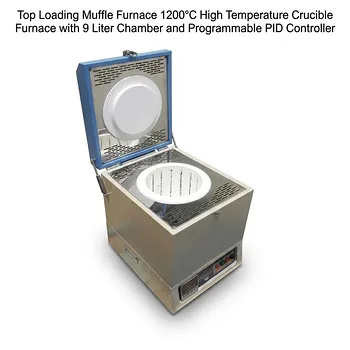
Top Loading Muffle Furnace 1200°C High Temperature Crucible Furnace with 9 Liter Chamber and Programmable PID Controller
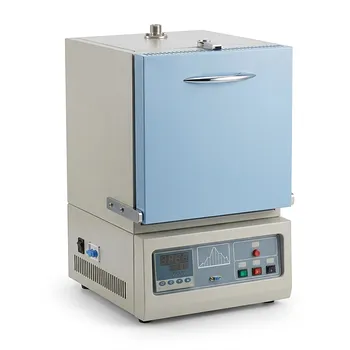
1750C Compact Muffle Furnace 1.7L Ultra High Temperature Laboratory Sintering System for Advanced Ceramics and Material Science Research
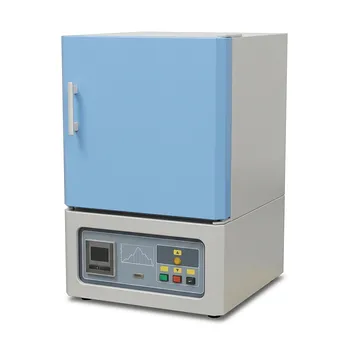
1800C Bench Top Muffle Furnace with Kanthal Super 1900 Heating Elements and 3.6L Alumina Fiber Chamber