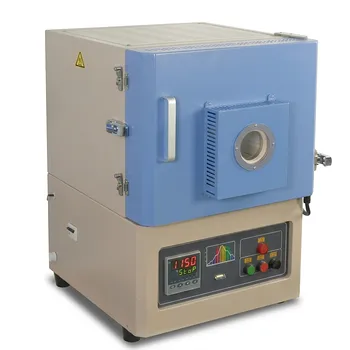
What safety features are standard in high-temperature muffle furnaces? Essential Guide to Laboratory Equipment Safety
Updated 5 months ago
Standard safety features in high-temperature muffle furnaces are designed to protect both the operator and the internal electronic components from extreme thermal energy. These units typically include automatic door safety switches, over-temperature protection alarms, and integrated circuit breakers to manage electrical loads. Additionally, internal ventilation ports are standard to manage exhaust and prevent heat damage to sensitive control systems.
High-temperature muffle furnaces utilize a multi-layered safety architecture—combining physical interlocks, electronic monitoring, and thermal management—to mitigate the inherent risks of operating at temperatures reaching up to 1,800°C.
Primary Physical and Electrical Interlocks
Door Safety Switches
Door safety switches act as a critical mechanical-to-electrical interlock.
When the furnace door is opened, the switch automatically cuts power to the heating elements. This prevents the operator from being exposed to live electrical circuits and the intense radiant heat of the chamber.
Integrated Circuit Breakers
Every professional-grade muffle furnace includes dedicated circuit breakers or fuses.
These components protect the unit from electrical surges or internal shorts that could lead to equipment failure. By isolating electrical faults, they significantly reduce the risk of electrical fires in the laboratory.
Advanced Thermal Monitoring and Management
Over-Temperature Protection Alarms
Over-temperature protection systems provide a digital fail-safe against thermal runaway.
If the internal temperature exceeds a pre-defined safety limit, an audible or visual alarm is triggered, and the system shuts down heating. This protects the furnace’s refractory lining and the samples being processed from catastrophic damage.
Internal Ventilation and Exhaust Ports
High-temperature processing often releases gases or vapors from the materials being heated.
Standard ventilation ports allow for the safe expulsion of these exhausts, preventing pressure buildup within the "muffle" or chamber. This airflow also ensures that the electronic controllers remain cool, extending the lifespan of the furnace's brain.
Understanding the Trade-offs and Limitations
Component Wear at Extreme Temperatures
While standard models operate up to 1,200°C, advanced units using molybdenum disilicide elements can reach 1,800°C.
Operating at these extreme upper limits increases the thermal stress on safety sensors and thermocouples. Users must recognize that higher operating temperatures necessitate more frequent calibration and inspection of safety interlocks.
Safety vs. Processing Speed
Highly sensitive over-temperature alarms can occasionally cause "nuisance tripping" during rapid heating cycles.
While it may be tempting to widen safety margins to increase throughput, this can compromise the protective integrity of the system. Finding the correct balance between aggressive ramp rates and safety thresholds is vital for long-term equipment health.
Selecting the Right Safety Profile for Your Goal
How to Apply This to Your Project
Choosing a furnace requires matching its safety features to your specific material requirements and operational environment.
- If your primary focus is processing volatile materials: Prioritize models with enhanced ventilation ports and integrated exhaust manifolds to safely remove hazardous fumes.
- If your primary focus is long-duration heat treatment: Look for units with redundant over-temperature controllers to ensure the furnace shuts down safely if the primary controller fails during an unattended run.
- If your primary focus is high-temperature research (up to 1,800°C): Ensure the furnace utilizes specialized heating elements and high-grade refractory insulation that can withstand extreme cycling without compromising the door seals.
A well-implemented safety system transforms a high-energy thermal tool into a predictable and secure asset for precision material processing.
Summary Table:
| Safety Feature | Functionality | Key Benefit to Operator & Lab |
|---|---|---|
| Door Safety Switch | Automatic power cut-off when door opens | Prevents exposure to radiant heat and live circuits |
| Over-Temp Alarm | Digital fail-safe shuts down heating elements | Protects refractory lining and samples from thermal runaway |
| Circuit Breakers | Isolates electrical faults and surges | Reduces the risk of electrical fires and component failure |
| Ventilation Ports | Manages gas expulsion and controller cooling | Prevents pressure buildup and extends electronic lifespan |
Secure Your Research with High-Performance Thermal Solutions from THERMUNITS
Operating at temperatures up to 1,800°C demands precision and uncompromised safety. THERMUNITS is a leading manufacturer of high-temperature laboratory equipment specifically engineered for material science and industrial R&D.
We provide a comprehensive range of advanced thermal processing solutions, including:
- Versatile Furnaces: Muffle, Vacuum, Atmosphere, Tube, Rotary, and Hot Press furnaces.
- Advanced Systems: CVD/PECVD systems, Dental Furnaces, and Vacuum Induction Melting (VIM) furnaces.
- Industrial Heat Treatment: Electric rotary kilns, Thermal Elements, and specialized laboratory equipment.
Our equipment integrates multi-layered safety architectures to protect your researchers and your investment. Enhance your lab’s efficiency and safety standards today—Contact our technical team for a consultation!
Mentioned Products
- 1200C High Temperature Muffle Furnace with Motorized Door and Automated PC Control for Industrial Sintering and Material Processing 27 Liter
- High Temperature 1700C Bench Top Muffle Furnace with Alumina Fiber Insulation and 3.6L Chamber Capacity for Precision Sintering and Heat Treatment
- High Temperature 1500C Benchtop Muffle Furnace 3.6L Alumina Fiber Chamber Programmable Controller Sintering Annealing Carbonization Thermal Processing System
- 1200°C High Temperature Muffle Furnace 19L Chamber with 50 Segment Programmable Controller
- Large Bench Top 1700C High Temperature Muffle Furnace with 19L Chamber for Advanced Material Sintering and Annealing
People Also Ask
- What is the role of a High-Temperature Muffle Furnace in the synthesis of bulk graphitic carbon nitride (CN)? Expert Guide
- What is the purpose of preheating charcoal in a high-temperature muffle furnace? Ensure Accuracy in Zinc Reduction.
- What is the role of a high-temperature muffle furnace or tube furnace in the preparation of Na2WO4/SiO2 catalysts?
- What role does a high-temperature muffle furnace play in ash content analysis? Ensure Purity & Adsorption Efficiency
- What role does a High-Temperature Muffle Furnace play in NiMoO4 synthesis? Achieve Precise Thermal Precursor Conversion

Tech Team · ThermUnits
Last updated on Apr 14, 2026
Related Products
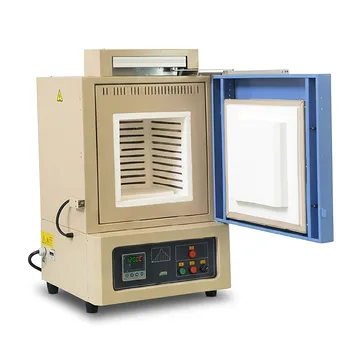
1200C High Temperature Muffle Furnace with Motorized Door and Automated PC Control for Industrial Sintering and Material Processing 27 Liter
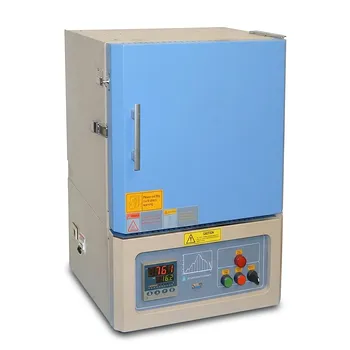
High Temperature 1700C Bench Top Muffle Furnace with Alumina Fiber Insulation and 3.6L Chamber Capacity for Precision Sintering and Heat Treatment
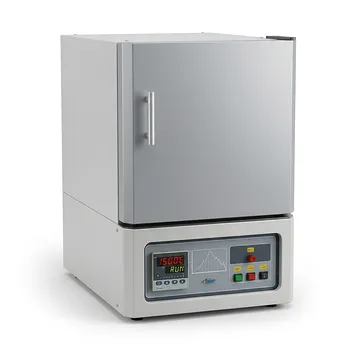
High Temperature 1500C Benchtop Muffle Furnace 3.6L Alumina Fiber Chamber Programmable Controller Sintering Annealing Carbonization Thermal Processing System
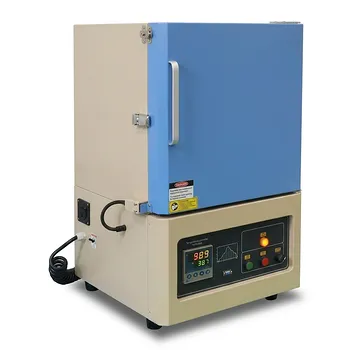
1200°C High Temperature Muffle Furnace 19L Chamber with 50 Segment Programmable Controller
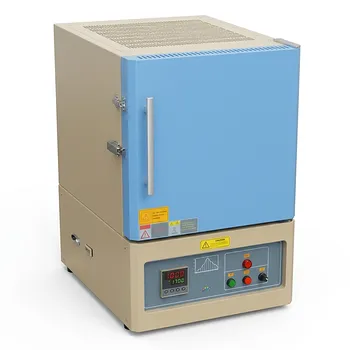
Large Bench Top 1700C High Temperature Muffle Furnace with 19L Chamber for Advanced Material Sintering and Annealing
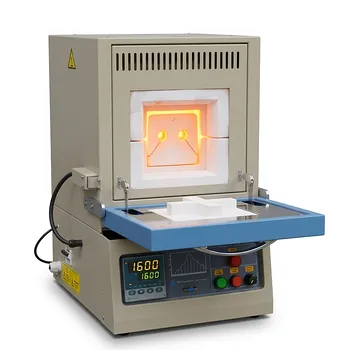
High Temperature Compact Muffle Furnace 1700 C with 30 Segment Programmable Controller and 1.7L Cubic Chamber
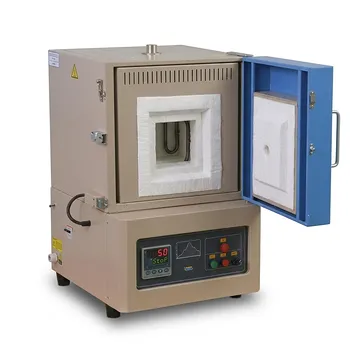
1800°C Bench Top Ultra High Temperature Muffle Furnace with Sapphire Observation Window and Top Feeding Port for Materials Research and Thermal Processing
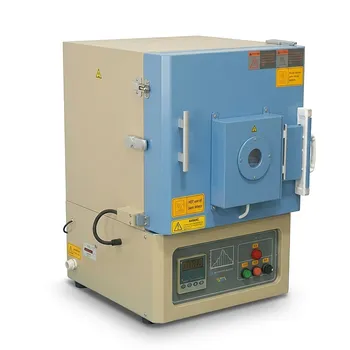
High Temperature Benchtop Muffle Furnace 1500C with 3.6L Chamber and Quartz Observation Window
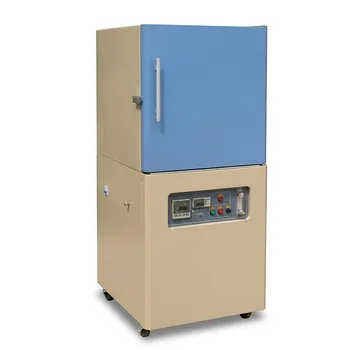
High Temperature Muffle Furnace with Dual Controllers and 36L Large Chamber 1700C Max
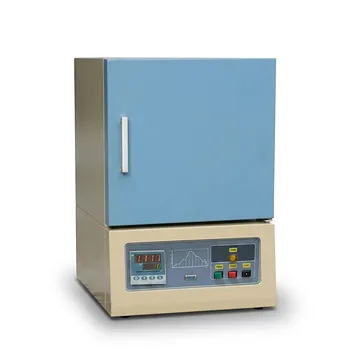
Ultra High Temperature Bench Top Muffle Furnace 1750C Sintering System with Kanthal Super Heating Elements and Precision Digital Control
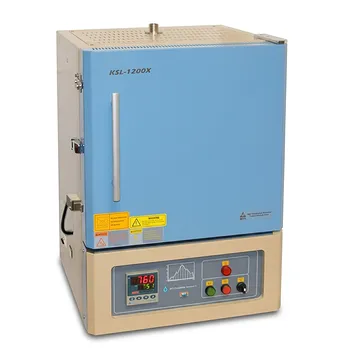
High Temperature 1200C Muffle Furnace 27L Volume 12x12x12 Chamber with Programmable PID Controller for Laboratory Material Science
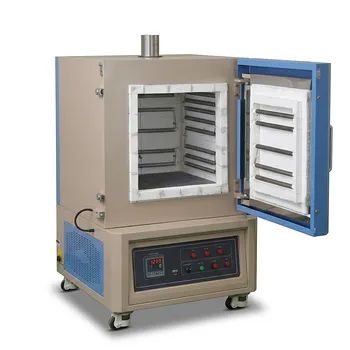
1200C High Temperature 125L Muffle Furnace 5 Side Heating for Large Batch Sintering with Optional Alloy Debinding Chamber
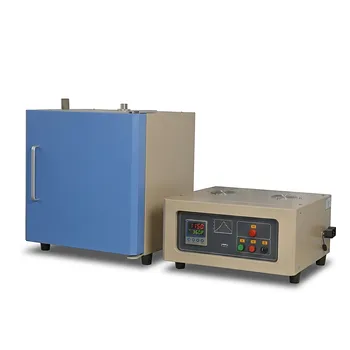
High Temperature Muffle Furnace with Alloy Chamber for Debinding and Sintering Applications
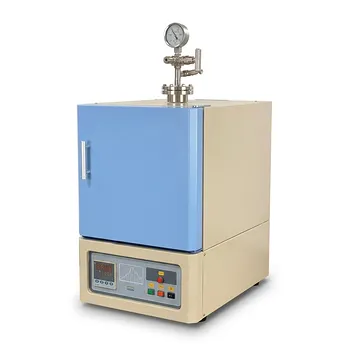
Hybrid High Temperature Muffle and Tube Furnace with 1500C Capability and Vacuum Flange Assembly
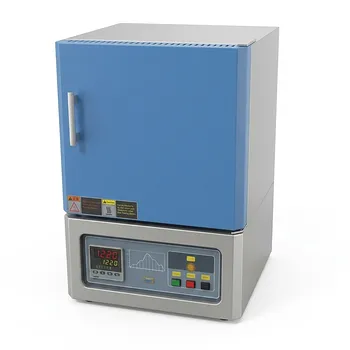
High Temperature Benchtop Muffle Furnace 1700C 10L Chamber Alumina Fiber Insulation MoSi2 Heating Elements
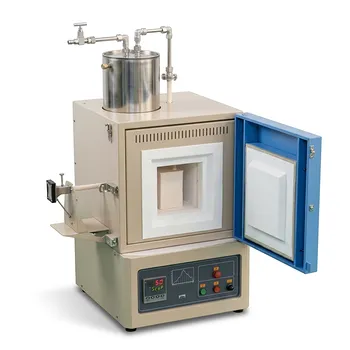
High Temperature Bench Top Muffle Furnace 1700C with Integrated Evaporating Particle Collection and 8x8x8 Alumina Fiber Chamber
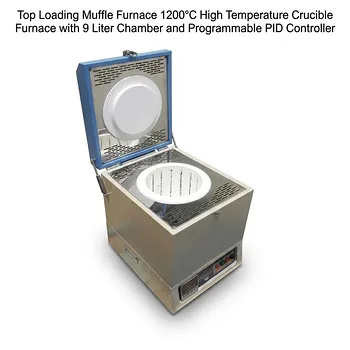
Top Loading Muffle Furnace 1200°C High Temperature Crucible Furnace with 9 Liter Chamber and Programmable PID Controller
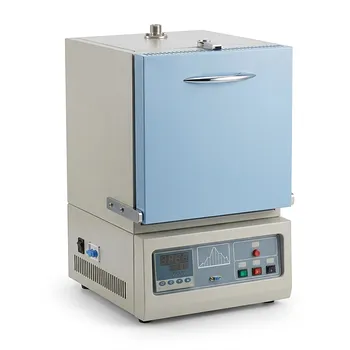
1750C Compact Muffle Furnace 1.7L Ultra High Temperature Laboratory Sintering System for Advanced Ceramics and Material Science Research
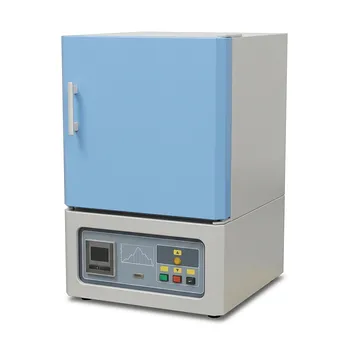
1800C Bench Top Muffle Furnace with Kanthal Super 1900 Heating Elements and 3.6L Alumina Fiber Chamber