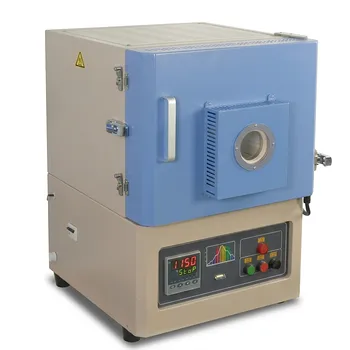
What role does a high-temperature muffle furnace play in ash content analysis? Ensure Purity & Adsorption Efficiency
Updated 3 months ago
The high-temperature muffle furnace is the primary tool for isolating inorganic impurities from carbonaceous material. It provides a stable, high-heat oxidative environment—typically ranging from 600°C to 900°C—that completely combusts the organic carbon matrix. By removing the carbon, the furnace leaves behind only the non-combustible inorganic minerals, allowing for a precise calculation of ash content and overall material purity.
Core Takeaway: A muffle furnace enables quantitative ash analysis by facilitating the complete aerobic combustion of the carbon sample. This measurement is critical for validating the effectiveness of purification treatments and ensuring that inorganic residues do not obstruct the activated carbon's porous structure.
The Mechanism of Oxidative Combustion
Complete Removal of Organic Matter
The muffle furnace acts as a controlled thermal environment where activated carbon undergoes forced thermal decomposition. At temperatures exceeding 600°C, the carbon components react with oxygen in the air to form gaseous carbon dioxide, which is then vented away.
Isolation of Inorganic Residuals
Once the organic carbon is entirely oxidized, only the inorganic minerals—such as calcium, iron, or silica oxides—remain in the crucible. These residuals, known as ash, represent the non-functional portion of the material that does not contribute to adsorption.
Stability and Uniformity
Precise temperature control is the furnace's most vital feature. Consistent heat distribution ensures that the mineralization reaction is complete across the entire sample, preventing "cold spots" that could lead to underestimating the ash content.
Evaluating Process Efficiency and Purity
Validating Chemical Activators
The furnace is used to measure the efficiency of activators like H2SO4 or alkaline infusions in removing impurities. By comparing ash content before and after treatment, technicians can determine if the acid etching or washing processes successfully lowered the inorganic load.
Assessing Raw Material Quality
Different biomass sources (e.g., durian peel, broad bean skin) contain varying levels of natural minerals. High-temperature analysis allows researchers to understand how the growth environment of the raw material impacts the final purity of the produced carbon.
Impact on Pore Structure and Adsorption
High ash content is often synonymous with lower adsorption effectiveness because minerals can block pores and reduce the available surface area. The muffle furnace provides the data necessary to optimize carbonization parameters, ensuring the final product has a clear, functional pore network.
Understanding the Trade-offs
Temperature Sensitivity
Selecting the correct temperature is a delicate balance. If the temperature is too low (e.g., below 500°C), combustion may be incomplete, leading to an artificially high ash reading. Conversely, temperatures exceeding 900°C may cause certain inorganic salts to volatilize or melt, leading to inaccurate results or damage to laboratory equipment.
Atmospheric Control
While most ash analysis is performed in an aerobic (oxygen-rich) environment, the furnace must be properly vented. Failure to provide adequate airflow can lead to partial combustion (charring) rather than full oxidation, which results in residual carbon being weighed as ash.
Time vs. Accuracy
Complete combustion often requires prolonged heating, sometimes for several hours. Attempting to rush the process by using higher temperatures for shorter durations can lead to "sintering," where the ash fuses into a hard mass that may trap unburnt carbon inside.
How to Apply This to Your Project
Making the Right Choice for Your Goal
Achieving an accurate ash profile depends entirely on your specific analytical objectives and the nature of your raw material.
- If your primary focus is evaluating purification effectiveness: Use the furnace to compare pre-treated and post-treated samples at a consistent 800°C to quantify exactly how much inorganic matter was removed by your acid or alkaline agents.
- If your primary focus is maximizing adsorption capacity: Target an ash content percentage below 6.5% by adjusting your carbonization and washing steps, using the muffle furnace as your final physical detection method to verify pore clarity.
- If your primary focus is characterizing new biomass sources: Perform a full thermal sweep between 600°C and 900°C to identify the point of complete mineralization and determine the inherent mineral load of the raw material.
The precision of the muffle furnace ensures that your carbon purity is a known variable rather than a performance bottleneck.
Summary Table:
| Feature | Description | Impact on Analysis |
|---|---|---|
| Temperature Range | 600°C to 900°C | Ensures complete combustion of the organic carbon matrix |
| Oxidative Environment | Aerobic combustion | Converts carbon to CO2, leaving behind inorganic ash |
| Thermal Stability | Uniform heat distribution | Prevents "cold spots" for precise quantitative results |
| Purity Validation | Ash content measurement | Verifies effectiveness of chemical purification and washing |
Optimize Your Material Research with THERMUNITS
Achieving precise ash content analysis requires reliable and stable thermal equipment. THERMUNITS is a leading manufacturer of high-temperature laboratory equipment, providing advanced solutions for material science and industrial R&D. We empower your laboratory with a comprehensive range of thermal processing systems, including:
- Muffle, Vacuum, and Atmosphere Furnaces
- Tube, Rotary, and Hot Press Furnaces
- CVD/PECVD Systems and Dental Furnaces
- Electric Rotary Kilns and Vacuum Induction Melting (VIM) Furnaces
- Thermal Elements and specialized heat treatment accessories
Whether you are validating purification treatments or characterizing new biomass sources, our equipment delivers the temperature precision and atmospheric control your project demands.
Ready to elevate your lab's performance? Contact THERMUNITS today to discuss your customized furnace requirements!
References
- Sarunpron Khruengsai, Siwatt Pongpiachan. Chemical characterization of activated carbon derived from Napier grass, rubber wood, bamboo, and hemp. DOI: 10.61435/ijred.2024.60502
Mentioned Products
- 1200C High Temperature Muffle Furnace with Motorized Door and Automated PC Control for Industrial Sintering and Material Processing 27 Liter
- High Temperature 1700C Bench Top Muffle Furnace with Alumina Fiber Insulation and 3.6L Chamber Capacity for Precision Sintering and Heat Treatment
- High Temperature 1500C Benchtop Muffle Furnace 3.6L Alumina Fiber Chamber Programmable Controller Sintering Annealing Carbonization Thermal Processing System
- 1200°C High Temperature Muffle Furnace 19L Chamber with 50 Segment Programmable Controller
- Large Bench Top 1700C High Temperature Muffle Furnace with 19L Chamber for Advanced Material Sintering and Annealing
People Also Ask
- What is the role of a High-Temperature Muffle Furnace in the synthesis of bulk graphitic carbon nitride (CN)? Expert Guide
- What safety features are standard in high-temperature muffle furnaces? Essential Guide to Laboratory Equipment Safety
- What is the purpose of preheating charcoal in a high-temperature muffle furnace? Ensure Accuracy in Zinc Reduction.
- What is the role of a high-temperature muffle furnace or tube furnace in the preparation of Na2WO4/SiO2 catalysts?
- What role does a High-Temperature Muffle Furnace play in NiMoO4 synthesis? Achieve Precise Thermal Precursor Conversion

Tech Team · ThermUnits
Last updated on Jun 03, 2026
Related Products
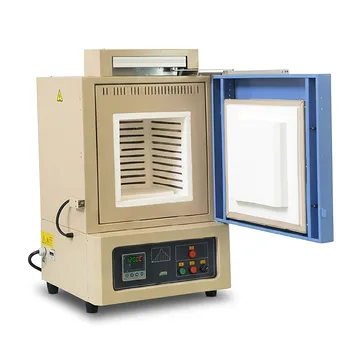
1200C High Temperature Muffle Furnace with Motorized Door and Automated PC Control for Industrial Sintering and Material Processing 27 Liter
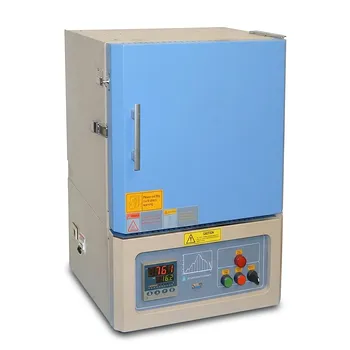
High Temperature 1700C Bench Top Muffle Furnace with Alumina Fiber Insulation and 3.6L Chamber Capacity for Precision Sintering and Heat Treatment
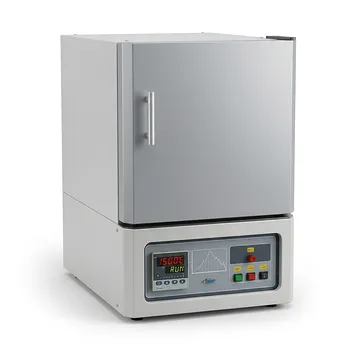
High Temperature 1500C Benchtop Muffle Furnace 3.6L Alumina Fiber Chamber Programmable Controller Sintering Annealing Carbonization Thermal Processing System
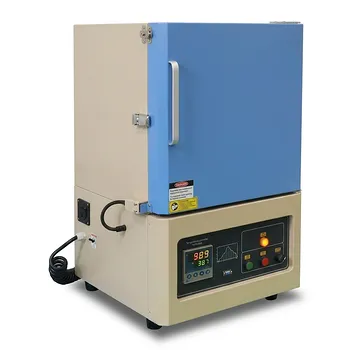
1200°C High Temperature Muffle Furnace 19L Chamber with 50 Segment Programmable Controller
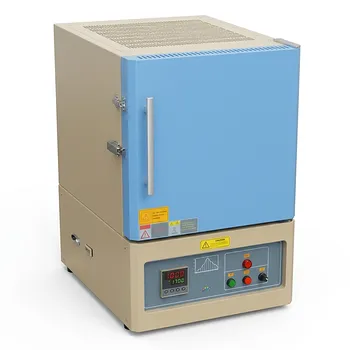
Large Bench Top 1700C High Temperature Muffle Furnace with 19L Chamber for Advanced Material Sintering and Annealing
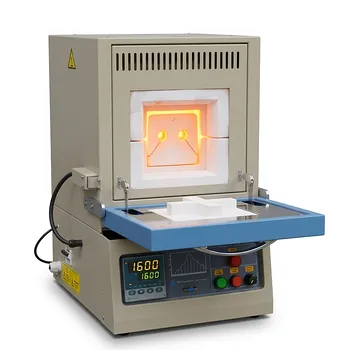
High Temperature Compact Muffle Furnace 1700 C with 30 Segment Programmable Controller and 1.7L Cubic Chamber
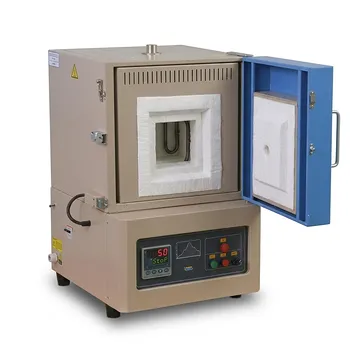
1800°C Bench Top Ultra High Temperature Muffle Furnace with Sapphire Observation Window and Top Feeding Port for Materials Research and Thermal Processing
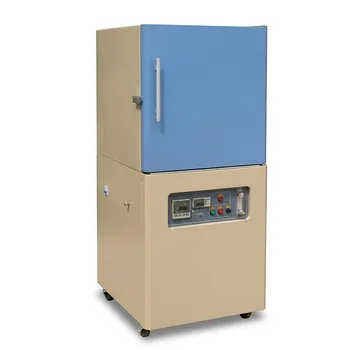
High Temperature Muffle Furnace with Dual Controllers and 36L Large Chamber 1700C Max
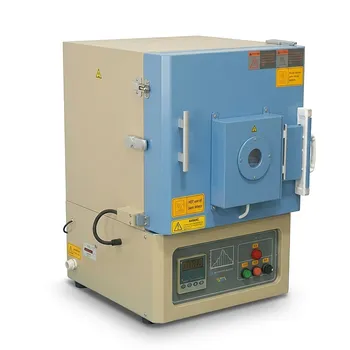
High Temperature Benchtop Muffle Furnace 1500C with 3.6L Chamber and Quartz Observation Window
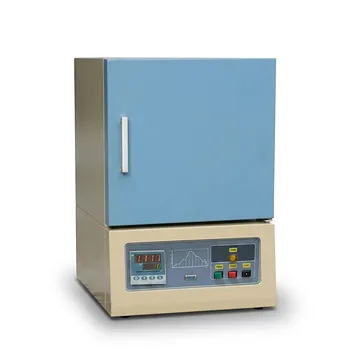
Ultra High Temperature Bench Top Muffle Furnace 1750C Sintering System with Kanthal Super Heating Elements and Precision Digital Control
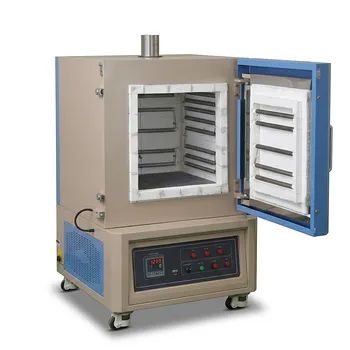
1200C High Temperature 125L Muffle Furnace 5 Side Heating for Large Batch Sintering with Optional Alloy Debinding Chamber
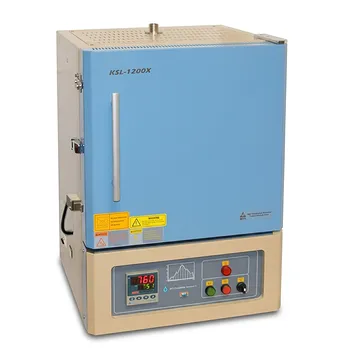
High Temperature 1200C Muffle Furnace 27L Volume 12x12x12 Chamber with Programmable PID Controller for Laboratory Material Science
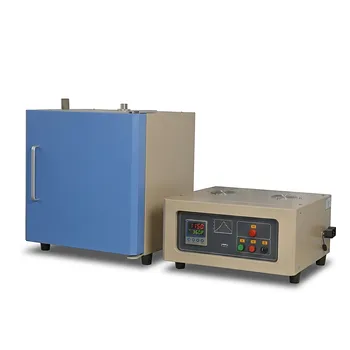
High Temperature Muffle Furnace with Alloy Chamber for Debinding and Sintering Applications
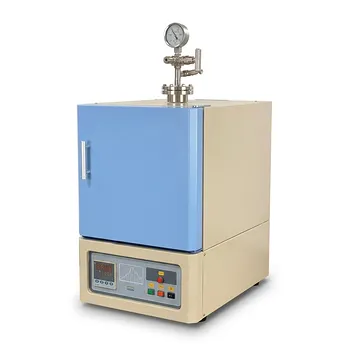
Hybrid High Temperature Muffle and Tube Furnace with 1500C Capability and Vacuum Flange Assembly
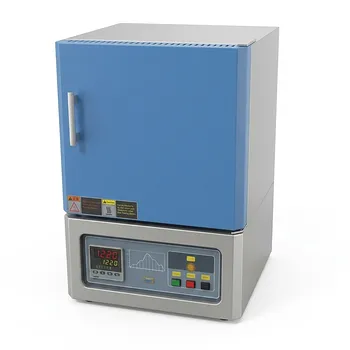
High Temperature Benchtop Muffle Furnace 1700C 10L Chamber Alumina Fiber Insulation MoSi2 Heating Elements
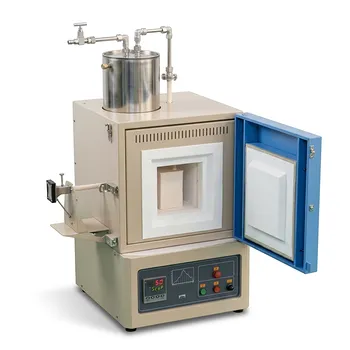
High Temperature Bench Top Muffle Furnace 1700C with Integrated Evaporating Particle Collection and 8x8x8 Alumina Fiber Chamber
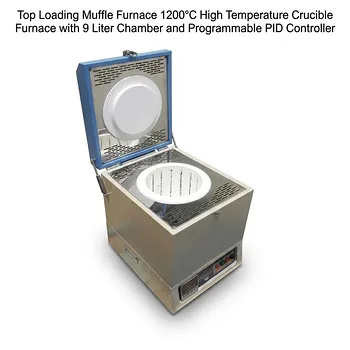
Top Loading Muffle Furnace 1200°C High Temperature Crucible Furnace with 9 Liter Chamber and Programmable PID Controller
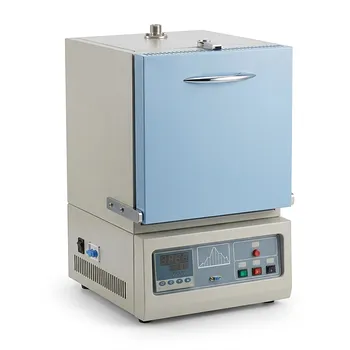
1750C Compact Muffle Furnace 1.7L Ultra High Temperature Laboratory Sintering System for Advanced Ceramics and Material Science Research
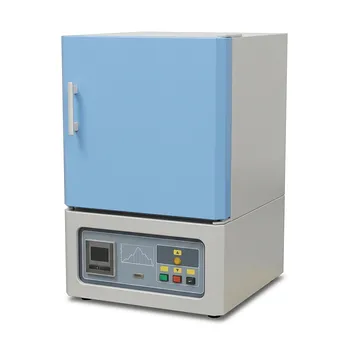
1800C Bench Top Muffle Furnace with Kanthal Super 1900 Heating Elements and 3.6L Alumina Fiber Chamber