How is endothermic gas (RX gas) generated for use in atmosphere furnaces? Master Precise Heat Treatment Atmospheres
Updated 5 months ago
Endothermic gas (RX gas) is generated by passing a precise mixture of hydrocarbon fuel and air through a heated retort filled with a catalyst. This process occurs at high temperatures, typically between 1065°C and 1120°C, where a chemical reforming reaction transforms the raw mixture into a protective furnace atmosphere.
The generation of endothermic gas is a heat-absorbing (endothermic) chemical process that requires a controlled environment and a catalyst to reform hydrocarbons into a stable, carbon-rich atmosphere. This gas is primary used to prevent oxidation and decarburization during metal heat treatment.
The Essential Components of RX Gas Production
The Hydrocarbon and Air Mixture
The process begins with a "lean" mixture of fuel, usually natural gas (methane) or propane, and a small, controlled amount of air. This specific ratio is critical because it provides the necessary carbon and hydrogen atoms while limiting oxygen to prevent full combustion.
The Nickel Catalyst
The mixture enters a retort (a heat-resistant chamber) containing nickel-impregnated ceramic catalyst beads. The nickel acts as the primary agent that lowers the activation energy required for the reforming reaction to occur efficiently.
Sustained High Temperatures
Because the reaction is endothermic, it requires a continuous external heat source to maintain temperatures between 1065°C and 1120°C. Without this intense heat, the chemical bonds in the hydrocarbon fuel will not break and rearrange into the desired gas species.
Understanding the Chemical Reforming Process
The Resulting Gas Composition
Once the reaction is complete, the gas exits the catalyst bed with a specific chemical profile. The standard composition of RX gas is approximately 45% Nitrogen (N2), 20% Carbon Monoxide (CO), and 35% Hydrogen (H2).
The Role of Carbon Monoxide and Hydrogen
The Carbon Monoxide and Hydrogen are the active "reducing" components of the gas. They protect parts inside the furnace by reacting with any stray oxygen, thereby preventing the metal from rusting or losing surface carbon.
Rapid Cooling and "Freezing"
As the gas leaves the retort, it must pass through a heat exchanger for rapid cooling. This "freezes" the chemical composition, stopping further reactions that could lead to the formation of unwanted soot or water vapor before the gas enters the furnace.
Common Pitfalls and Technical Trade-offs
The Risk of Catalyst Sooting
If the air-to-gas ratio is too rich (too much fuel), excess carbon can deposit on the catalyst, a process known as sooting. This reduces the catalyst's surface area and eventually chokes the flow of gas, requiring a "burn-out" procedure to clear.
Temperature Sensitivity
Operating below the recommended 1065°C can result in "wet" gas with high CO2 and water vapor content. Conversely, exceedingly high temperatures can cause premature degradation of the retort alloy and the catalyst material.
Maintenance of the Heat Exchanger
If the cooling phase is too slow, the gas can undergo a re-forming reaction that creates carbon deposits in the pipes. Regular maintenance of the heat exchanger is vital to ensure the gas remains stable and the delivery lines stay clear.
How to Apply Knowledge of RX Gas Generation
Practical Steps for System Management
- If your primary focus is Atmosphere Consistency: Monitor the air-fuel ratio meticulously to ensure the 20% CO and 35% H2 levels remain stable for predictable heat treating results.
- If your primary focus is Catalyst Longevity: Regularly perform "air burn-outs" to remove carbon deposits and maintain the effectiveness of the nickel-impregnated ceramic.
- If your primary focus is Equipment Safety: Ensure the rapid cooling system is functioning correctly to prevent soot buildup in the downstream furnace piping.
Mastering the balance of temperature, catalyst health, and gas ratios will ensure a reliable, high-quality atmosphere for your furnace operations.
Summary Table:
| Parameter | Specification/Component | Role in RX Gas Generation |
|---|---|---|
| Operating Temp | 1065°C - 1120°C | Provides energy for the endothermic reforming reaction. |
| Catalyst Material | Nickel-impregnated ceramic | Lowers activation energy for efficient gas cracking. |
| Primary Fuel | Natural Gas (Methane) or Propane | Source of carbon and hydrogen for the reducing atmosphere. |
| Typical Composition | 45% N2, 20% CO, 35% H2 | Prevents oxidation and decarburization during treatment. |
| Critical Step | Rapid Cooling (Heat Exchanger) | "Freezes" gas composition to prevent soot and water vapor. |
Elevate Your Material Research with THERMUNITS
Precision in atmosphere control is the backbone of successful metal heat treatment. As a leading manufacturer of high-temperature laboratory equipment, THERMUNITS provides the advanced thermal solutions required for rigorous material science and industrial R&D.
Our extensive product lineup includes:
- Atmosphere & Vacuum Furnaces for controlled environment processing.
- Muffle, Tube, and Rotary Furnaces for versatile heat treatment.
- CVD/PECVD Systems and Vacuum Induction Melting (VIM) units.
- Dental Furnaces, Hot Press Furnaces, and high-quality Thermal Elements.
Whether you are refining RX gas generation or developing new alloys, our equipment ensures stability, uniformity, and durability.
Ready to optimize your thermal processing? Contact THERMUNITS today to speak with our experts and find the perfect furnace for your specific application.
Mentioned Products
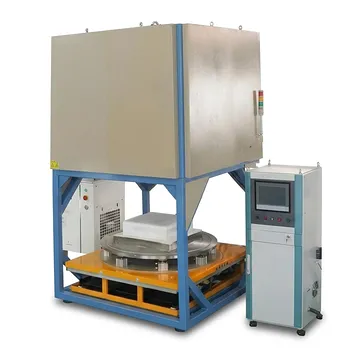
- Bottom Loaded Inert Gas Atmosphere Box Furnace 1700C 1300C 216L Large Capacity Industrial Thermal Processing System
- Flammable Gas Control and Disposal Device with H2 Gas Leaking Detector and Safety Interlock System
- Bottom Loaded Inert Gas Atmosphere Box Furnace 1400C Maximum Temperature 125L High Capacity Laboratory Heat Treatment System
People Also Ask
- How does a box atmosphere furnace contribute to the pre-oxidation of MS-SOECs? Enhance Durability & Efficiency.
- What is the role of a high-temperature box furnace in the solid-state synthesis of Europium-doped M3MgSi2O8 phosphors?
- How does a programmable Box Furnace facilitate the curing of silver inks? Expert Thermal Control for Silicon Substrates
- How does a box furnace facilitate the conversion of precursors in catalyst impregnation processes? Master Calcination
- What are the advantages of using a Bottom-Loading High-Temperature Furnace in Barium Titanate Fast Firing? Superior Microstructure

Tech Team · ThermUnits
Last updated on Apr 14, 2026
Related Products
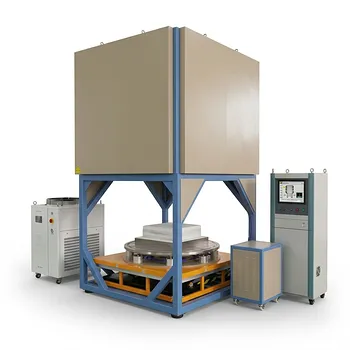
Bottom Loaded Inert Gas Atmosphere Box Furnace 1700C 1300C 216L Large Capacity Industrial Thermal Processing System
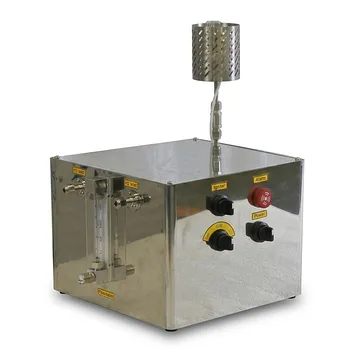
Flammable Gas Control and Disposal Device with H2 Gas Leaking Detector and Safety Interlock System