Advantages of Atmosphere Furnaces for Heat Treatment: Elevating Aerospace and Automotive Precision
Updated 5 months ago
Atmosphere furnaces are the backbone of modern metallurgical processing, providing a controlled environment that protects metal surfaces from reactive air. In the automotive and aerospace industries, these systems are used to prevent oxidation, maintain precise carbon levels, and enable thermochemical treatments that significantly enhance the durability of critical components.
Atmosphere furnaces provide a dual benefit of surface protection and chemical modification, ensuring that high-performance parts like gears and bearings meet strict mechanical specifications without the need for expensive post-process cleaning.
Preserving Surface Integrity and Material Composition
Prevention of Oxidation and Scaling
During high-temperature heat treatment, exposure to oxygen causes metal surfaces to form scale, which can lead to dimensional inaccuracies. Atmosphere furnaces eliminate this issue by replacing air with inert or reducing gases, producing "clean" or "bright" surfaces. This is critical for aerospace components where maintaining tight tolerances is a safety requirement.
Eliminating Decarburization
Decarburization occurs when carbon atoms migrate out of the steel surface, resulting in a soft "skin" that compromises the part's strength. Atmosphere control allows for a balanced carbon potential, ensuring the surface carbon content remains consistent with the core. This consistency is vital for automotive parts that must withstand high stress without premature failure.
Reducing Post-Processing Requirements
Because these furnaces prevent the formation of heavy oxides and surface defects, the need for machining or chemical cleaning after heat treatment is often eliminated. This reduction in steps lowers the overall cost per part and speeds up production timelines. It allows manufacturers to move components directly from heat treatment to final assembly.
Enhancing Mechanical Performance Through Diffusion
Precision Surface Hardening
By introducing active gases like carbon or nitrogen, atmosphere furnaces perform carburizing and nitriding to harden the outer layer of a component. This process creates a "case-hardened" part with a hard, wear-resistant exterior and a tough, ductile core. This specific combination is essential for high-wear items such as gears, shafts, and bearings.
Improving Fatigue and Wear Resistance
The chemical modification of the material surface significantly increases a part's ability to resist crack initiation. In the aerospace sector, this fatigue strength is a non-negotiable requirement for engine and structural components. Controlled atmospheres ensure these properties are applied uniformly across every batch of parts.
Flexibility in Material Synthesis
Modern atmosphere furnaces allow for the adjustment of atmospheric pressure and gas composition to influence solid-phase reaction kinetics. This flexibility enables the development of advanced functional materials used in high-tech automotive sensors and electronics. Researchers can tailor conditions using gases like argon or hydrogen mixtures to achieve specific metallurgical results.
Operational Advantages and Economic Efficiency
High Throughput for Mass Production
Unlike vacuum systems, atmosphere furnaces are highly effective for continuous or high-volume batch processing. This makes them the preferred choice for the automotive industry, where producing thousands of identical parts daily is the norm. The ability to maintain a steady flow of material without breaking the environment significantly boosts efficiency.
Lower Operating and Capital Costs
While providing high-level protection, atmosphere furnaces generally offer lower operating costs compared to vacuum technology. They do not require the complex pumping systems associated with high-vacuum environments, making them more accessible for standard industrial applications. This cost-effectiveness allows manufacturers to maintain competitive pricing while meeting high-quality standards.
Understanding the Trade-offs
Management of Hazardous Gases
Operating atmosphere furnaces involves the use of combustible or toxic gases, such as hydrogen or carbon monoxide. This requires sophisticated safety systems, including flame curtains and gas detectors, to protect the facility and personnel. Neglecting these safety protocols can lead to significant operational risks.
Monitoring and Maintenance Complexity
To achieve reproducible results, the furnace must be equipped with advanced monitoring tools like oxygen sensors and gas analyzers. Maintaining these sensors at sub-ppm (parts per million) impurity levels is essential but adds a layer of technical complexity. If the atmosphere is not perfectly balanced, it can lead to inconsistent hardening or unintended surface reactions.
How to Apply This to Your Project
When deciding on the implementation of atmosphere furnaces for your specific industrial needs, consider the following strategic alignments:
- If your primary focus is high-volume component durability: Prioritize continuous atmosphere furnaces equipped for carburizing to maximize throughput for parts like automotive gears.
- If your primary focus is aerospace surface precision: Utilize atmosphere furnaces with high-purity inert gas protection to eliminate scaling and minimize post-process machining on thin-walled components.
- If your primary focus is research and development: Select a flexible vacuum tube furnace that allows for varied gas backfilling to experiment with different metallurgical reaction kinetics.
By mastering the chemical environment within the furnace, manufacturers can achieve a level of metallurgical precision that is both repeatable and economically viable.
Summary Table:
| Key Feature | Benefit | Industrial Impact |
|---|---|---|
| Oxidation Prevention | Produces "bright," scale-free surfaces | Reduces post-process machining in Aerospace |
| Carbon Potential Control | Eliminates decarburization (soft skin) | Ensures core-to-surface strength in Automotive |
| Surface Hardening | Enables precise Carburizing/Nitriding | Increases wear resistance for gears and bearings |
| High Throughput | Supports continuous mass production | Maximizes economic efficiency for high-volume parts |
| Gas Flexibility | Tailors reaction kinetics (Argon/Hydrogen) | Ideal for advanced R&D and functional materials |
Elevate Your Metallurgical R&D with THERMUNITS
Precision in heat treatment is the difference between component success and failure. As a leading manufacturer of high-temperature laboratory and industrial equipment, THERMUNITS provides the thermal processing solutions required to meet the rigorous standards of the aerospace and automotive sectors.
Whether you need to prevent oxidation, achieve precise case hardening, or scale up production, our comprehensive range of equipment—including Atmosphere, Vacuum, Tube, and Rotary furnaces, as well as CVD/PECVD systems and Vacuum Induction Melting (VIM) furnaces—is engineered for reliability and accuracy.
Ready to optimize your material science workflow? Contact our thermal experts today to find the perfect furnace solution for your specific application.
Mentioned Products
- Roller Table Atmosphere Furnace 1500C High Temperature Battery Material Sintering System 112L Capacity
- High Temperature Vertical Atmosphere Controlled Furnace 1700C Automatic Bottom Loading 13 Liter Vacuum Thermal System
- 1650C High Temperature Atmosphere Controlled Box Furnace with 65L Chamber for Advanced Material Sintering and Industrial Heat Treatment
- 1200C Hydrogen Atmosphere Box Furnace with 5 Heated Sides and 64L Chamber
- 1200°C Atmosphere Controlled Automatic Bottom Loading Furnace with 6 Inch Quartz Tube
People Also Ask
- How does a high-temperature sintering furnace environment enhance NdFeB magnets? Achieve 98%+ density with precision.
- How does the temperature control precision of a high-temperature sintering furnace affect Na1+xLa1-xZr2O6-δ ceramics?
- How are electric heating elements designed to operate within carburizing atmospheres? Top Design Strategies Revealed
- How does a high-temperature sintering furnace contribute to the interfacial strengthening of SS316L and zirconia?
- Why is a high-temperature sintering furnace required for the preparation of Li(Nb,Ta)O3 precursors? Essential Insights

Tech Team · ThermUnits
Last updated on Apr 14, 2026
Related Products
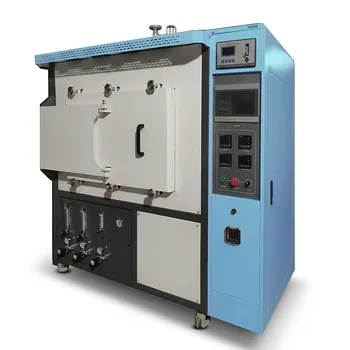
Roller Table Atmosphere Furnace 1500C High Temperature Battery Material Sintering System 112L Capacity
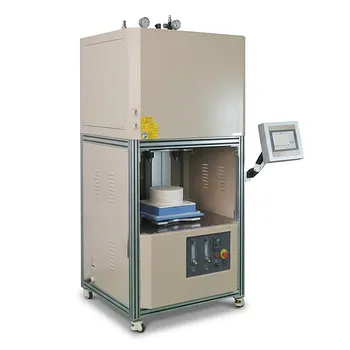
High Temperature Vertical Atmosphere Controlled Furnace 1700C Automatic Bottom Loading 13 Liter Vacuum Thermal System
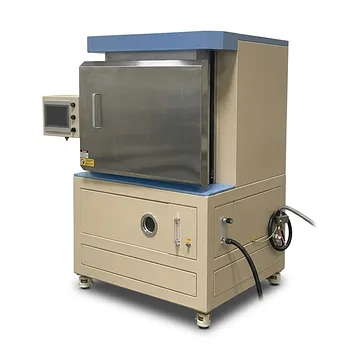
1650C High Temperature Atmosphere Controlled Box Furnace with 65L Chamber for Advanced Material Sintering and Industrial Heat Treatment
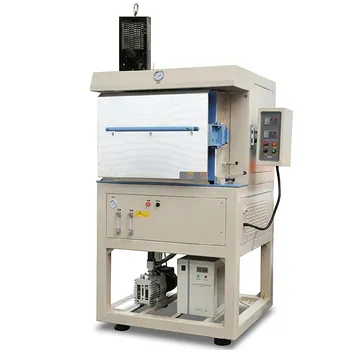
1200C Hydrogen Atmosphere Box Furnace with 5 Heated Sides and 64L Chamber
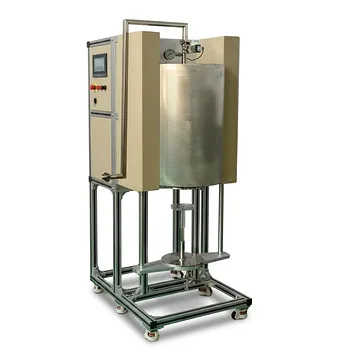
1200°C Atmosphere Controlled Automatic Bottom Loading Furnace with 6 Inch Quartz Tube
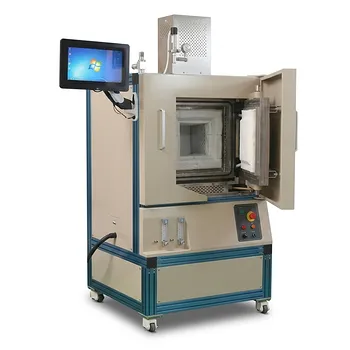
High Temperature Oxygen and Inert Atmosphere Controlled Furnace 8 Liter 1700C Sintering System for Advanced Materials RD
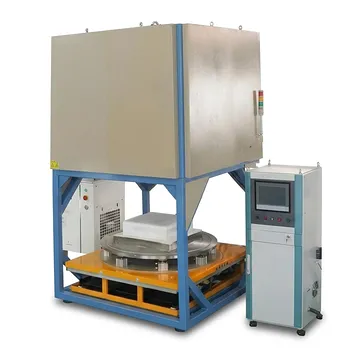
Bottom Loaded Inert Gas Atmosphere Box Furnace 1400C Maximum Temperature 125L High Capacity Laboratory Heat Treatment System
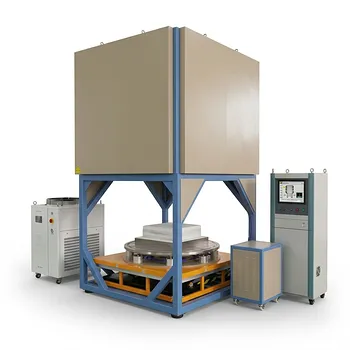
Bottom Loaded Inert Gas Atmosphere Box Furnace 1700C 1300C 216L Large Capacity Industrial Thermal Processing System
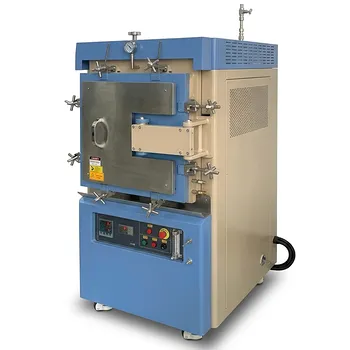
Atmosphere Controlled Muffle Furnace 1700C Maximum Temperature 80L High Capacity Vacuum Inert Gas Box Furnace
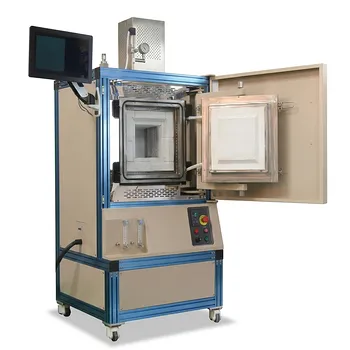
High Temperature Hydrogen Atmosphere Box Furnace 1650C Max Reducing Environment Material Synthesis System 8x8x8 Chamber
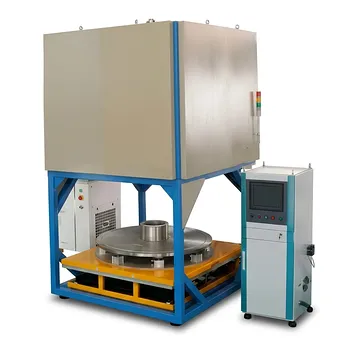
1400C Bottom Loaded Inert Gas Atmosphere Box Furnace with 125L Capacity and Precision Hydraulic Lift
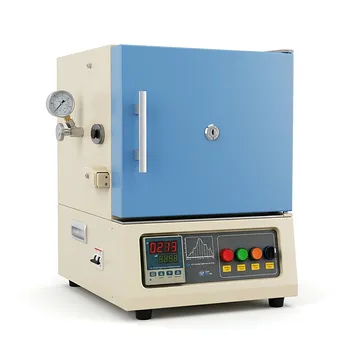
1200C Hybrid Muffle and Tube Furnace for Material Research with Dual Atmosphere Control Quartz Tubes
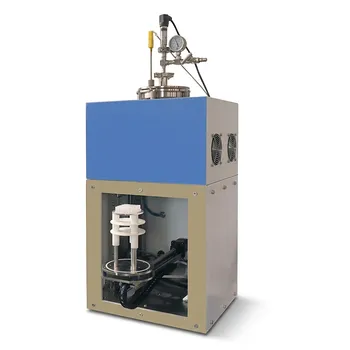
Rapid Thermal Processing RTP Atmosphere Controlled Bottom Loading Furnace 1100C High Throughput 50C per Second Heating Rate
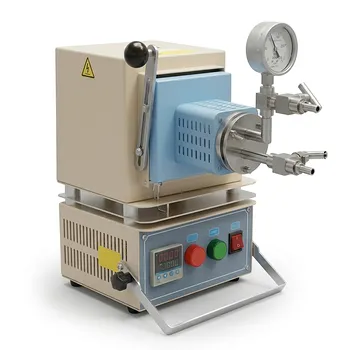
Compact Hybrid Muffle and Tube Furnace for 1000C Controlled Atmosphere Laboratory Material Sintering
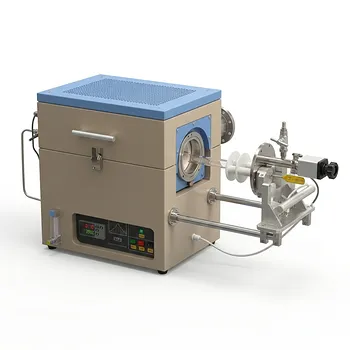
Compact Atmosphere Controlled Rapid Thermal Processing RTP Furnace with 4 Inch ID Quartz Tube 1100C
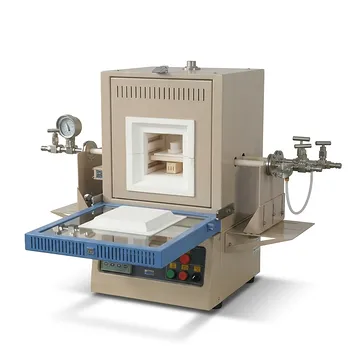
1700C Compact Hybrid Furnace with Dual Layer Box Sintering and Controlled Atmosphere Alumina Tubes

Vertical 1700C Vacuum and Atmosphere Tube Furnace with 80mm Alumina Tube
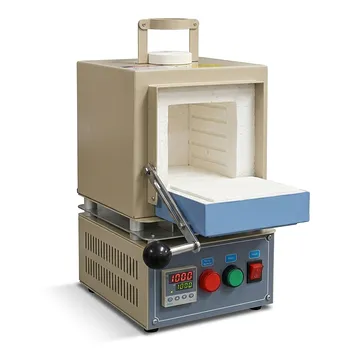
Compact 1000C Muffle Furnace with Programmable Controller and 2 Inch Top Port for Vacuum and Atmosphere Material Research
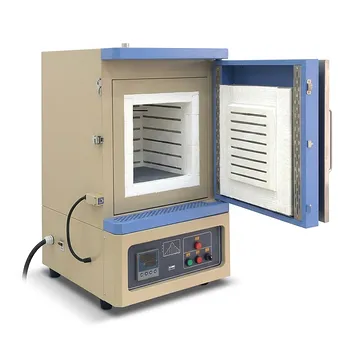
Five Side Heating Muffle Furnace High Purity Alumina Fiber 27L Chamber 1200C High Temperature Thermal Processing System for Sintering Annealing and Materials Research