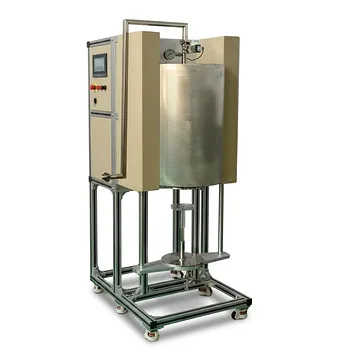
How does a box atmosphere furnace contribute to the pre-oxidation of MS-SOECs? Enhance Durability & Efficiency.
Updated 3 months ago
The box atmosphere furnace serves as a critical bridge between the structural sintering of Metal-Supported Solid Oxide Electrolysis Cells (MS-SOECs) and their subsequent functionalization. By providing a controlled oxygen environment, the furnace facilitates the growth of a thin, conductive chromium oxide ($Cr_2O_3$) layer on the stainless steel support. This treatment is essential for ensuring that catalyst precursors can effectively penetrate the metal framework and that the cell can withstand the harsh thermal conditions of long-term operation.
Core Takeaway: Pre-oxidation in a box atmosphere furnace transforms the raw metal support into a durable, chemically receptive substrate. This process optimizes the surface for catalyst infiltration while creating a protective barrier that extends the operational lifespan of the electrolysis cell.
Optimizing the Surface for Catalyst Infiltration
Creating the Chromium Oxide Interface
The primary role of the box atmosphere furnace is to generate a thin, conductive chromium oxide protective layer on the surface of the stainless steel support. This layer is not merely a byproduct but a functional interface that bridges the metallic support and the ceramic catalysts.
Enhancing Surface Wettability
Sintered metal supports often possess surface chemistries that resist the even spread of liquid catalyst precursors. The pre-oxidation process significantly improves the wettability of these precursor solutions within the microscopic metal pores, ensuring a deep and uniform distribution of the catalyst.
Preparing for Medium-Temperature Calcination
By establishing a stable oxide layer early, the furnace prepares the cell for subsequent medium-temperature heat treatments, such as calcination at 400°C. This ensures that when nitrate precursors are later decomposed into active oxide phases, they adhere to a stable, pre-conditioned surface.
Ensuring Long-Term Structural and Chemical Stability
Guarding Against High-Temperature Corrosion
MS-SOECs operate in demanding environments where metal supports are prone to rapid degradation. The pre-oxidation treatment acts as a passivation step, creating a "sacrificial" or stabilizing layer that prevents uncontrolled oxidation during high-temperature electrolysis.
Extending Service Life
A cell that has undergone proper pre-oxidation resists the structural thinning and electrical resistance increases associated with metal corrosion. This stability is vital for maintaining the "three-phase boundary" where electrochemical reactions occur, directly leading to a longer service life for the cell.
Maintaining Framework Integrity
Precise temperature control within the furnace is critical to ensure that the pre-oxidation layer forms without causing premature grain coarsening. This balance preserves the high specific surface area and the "sintering necks" established during the initial high-temperature sintering of the metal particles.
Understanding the Trade-offs
The Risk of Excessive Layer Thickness
While a chromium oxide layer is necessary for protection and wettability, an excessively thick layer can become a liability. Because oxides are generally more resistive than pure metals, a layer that is too thick will increase the ohmic resistance of the cell, reducing overall electrolysis efficiency.
Balancing Porosity and Protection
If the pre-oxidation temperature is too high or the duration too long, the metal pores may begin to close or the morphology may collapse. This reduces the available volume for catalyst infiltration, effectively capping the maximum performance the cell can achieve despite having a "protected" support.
Applying Pre-Oxidation to Your Fabrication Workflow
To achieve the best results with a box atmosphere furnace, the treatment must be tailored to the specific metal chemistry and the intended catalyst loading.
- If your primary focus is Maximum Catalyst Loading: Prioritize a pre-oxidation cycle that maximizes surface wettability and preserves the largest possible pore volume for infiltration.
- If your primary focus is Long-Term Durability: Focus on the uniformity and density of the chromium oxide layer to provide a robust shield against high-temperature oxidation.
- If your primary focus is Electrical Efficiency: Carefully calibrate the furnace temperature and atmosphere to grow the thinnest possible protective layer that still provides adequate coverage.
Properly executed pre-oxidation turns a simple metal framework into a high-performance, durable electrolysis platform capable of meeting rigorous industrial demands.
Summary Table:
| Process Function | Benefit to MS-SOEC | Impact on Performance |
|---|---|---|
| Oxide Layer Growth | Formation of conductive $Cr_2O_3$ | Protects metal support from high-temp corrosion. |
| Surface Conditioning | Improved pore wettability | Ensures deep and uniform catalyst infiltration. |
| Passivation | Chemical stabilization | Prevents degradation during medium-temp calcination. |
| Atmosphere Control | Precise layer thickness | Balances protective qualities with low ohmic resistance. |
Optimize Your MS-SOEC Research with THERMUNITS
Precision in pre-oxidation is critical for the performance of Metal-Supported Solid Oxide Electrolysis Cells. THERMUNITS, a leader in high-temperature laboratory equipment, provides the advanced thermal solutions required for rigorous material science and industrial R&D.
Our comprehensive range of furnaces—including Box Atmosphere, Vacuum, Tube, and Rotary Furnaces—is engineered to deliver the precise atmosphere control and temperature uniformity needed to grow perfect chromium oxide layers without compromising porosity.
Why partner with THERMUNITS?
- Advanced Atmosphere Control: Perfect for MS-SOEC pre-oxidation and catalyst preparation.
- Comprehensive Solutions: From Muffle and Tube furnaces to CVD/PECVD systems and Vacuum Induction Melting (VIM) furnaces.
- Proven Expertise: Supporting industrial R&D with durable, high-precision thermal elements and heat treatment equipment.
Ready to elevate your thermal processing? Contact our technical team today to find the ideal furnace solution for your specific application.
References
- Zhikuan Zhu, Michael C. Tucker. Dynamic operation of metal-supported solid oxide electrolysis cells. DOI: 10.1016/j.ijhydene.2024.01.345
Mentioned Products
- 1200C Hydrogen Atmosphere Box Furnace with 5 Heated Sides and 64L Chamber
- 1650C High Temperature Atmosphere Controlled Box Furnace with 65L Chamber for Advanced Material Sintering and Industrial Heat Treatment
- Bottom Loaded Inert Gas Atmosphere Box Furnace 1400C Maximum Temperature 125L High Capacity Laboratory Heat Treatment System
- 1400C Bottom Loaded Inert Gas Atmosphere Box Furnace with 125L Capacity and Precision Hydraulic Lift
- Bottom Loaded Inert Gas Atmosphere Box Furnace 1700C 1300C 216L Large Capacity Industrial Thermal Processing System
People Also Ask
- How does a programmable Box Furnace facilitate the curing of silver inks? Expert Thermal Control for Silicon Substrates
- How does a box furnace facilitate the conversion of precursors in catalyst impregnation processes? Master Calcination
- What is the role of a high-temperature box furnace in the solid-state synthesis of Europium-doped M3MgSi2O8 phosphors?
- How are electric heating elements designed to operate within carburizing atmospheres? Top Design Strategies Revealed
- What is the role of a high-temperature box furnace in Na3MnZr(PO4)3 synthesis? Engineering High-Performance NASICON.

Tech Team · ThermUnits
Last updated on Jun 02, 2026
Related Products
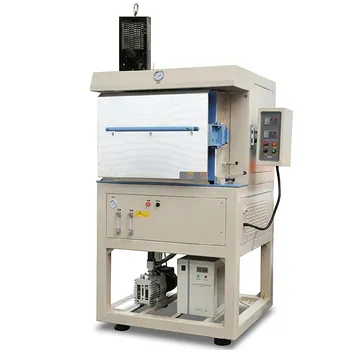
1200C Hydrogen Atmosphere Box Furnace with 5 Heated Sides and 64L Chamber
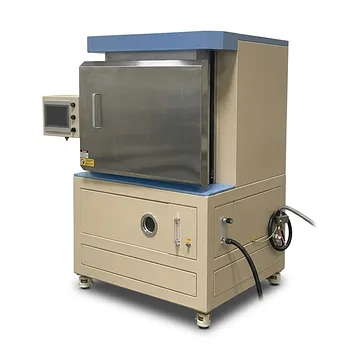
1650C High Temperature Atmosphere Controlled Box Furnace with 65L Chamber for Advanced Material Sintering and Industrial Heat Treatment
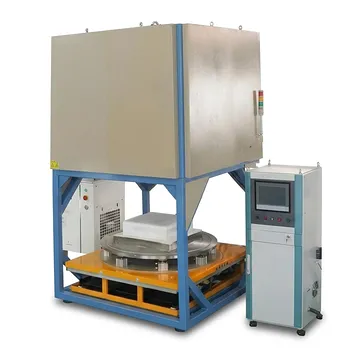
Bottom Loaded Inert Gas Atmosphere Box Furnace 1400C Maximum Temperature 125L High Capacity Laboratory Heat Treatment System
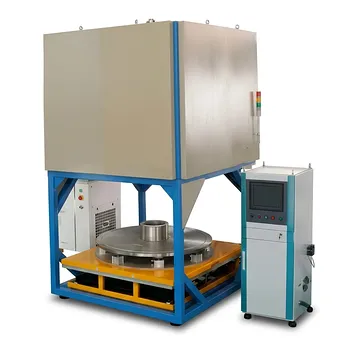
1400C Bottom Loaded Inert Gas Atmosphere Box Furnace with 125L Capacity and Precision Hydraulic Lift
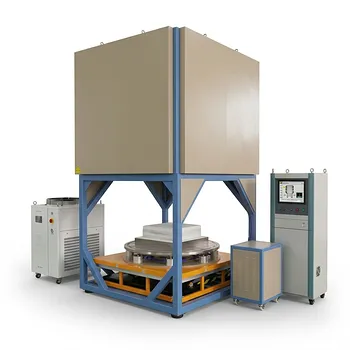
Bottom Loaded Inert Gas Atmosphere Box Furnace 1700C 1300C 216L Large Capacity Industrial Thermal Processing System
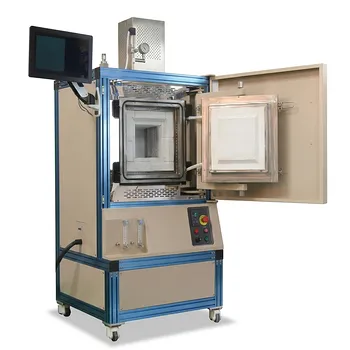
High Temperature Hydrogen Atmosphere Box Furnace 1650C Max Reducing Environment Material Synthesis System 8x8x8 Chamber
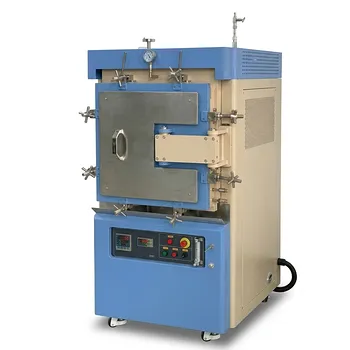
High Temperature Economic Hydrogen Gas Box Furnace 1600C Atmosphere Controlled Thermal Processing System 65L Capacity
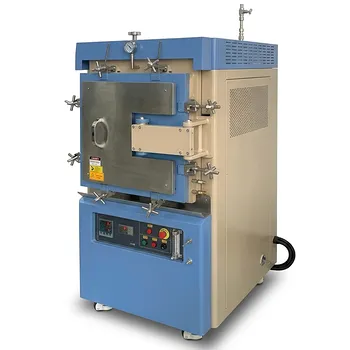
Atmosphere Controlled Muffle Furnace 1700C Maximum Temperature 80L High Capacity Vacuum Inert Gas Box Furnace
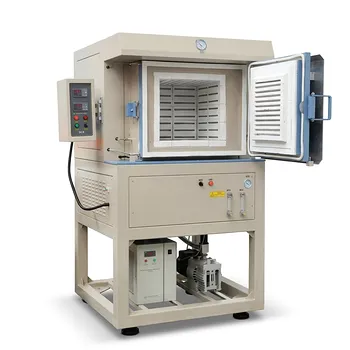
1200°C Five Side Heating Atmosphere Controlled Muffle Furnace 64 Liter High Uniformity Box Furnace for Material Synthesis
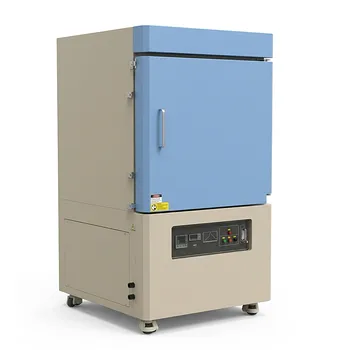
Industrial Large Box Furnace 1700C 216L High Temp Muffle Sintering System
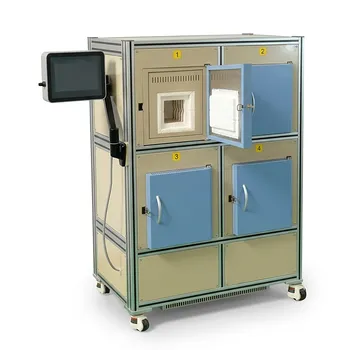
High Temperature Four Chamber Box Furnace for High Throughput Materials Research and Space Saving Thermal Processing
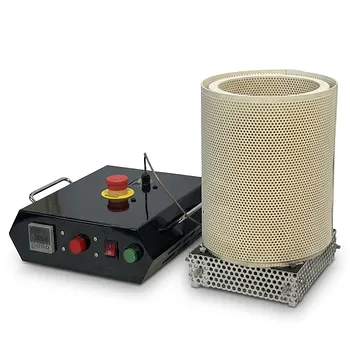
1250 C Compact Vertical Box Furnace for Glovebox Material Research Air Sensitive Samples
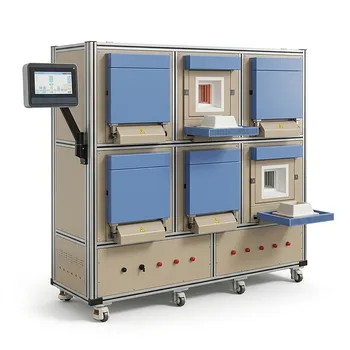
High Temperature 1700℃ Eight Chamber Box Furnace with Automatic Doors for Autonomous Material Research and High Throughput Heat Treatment
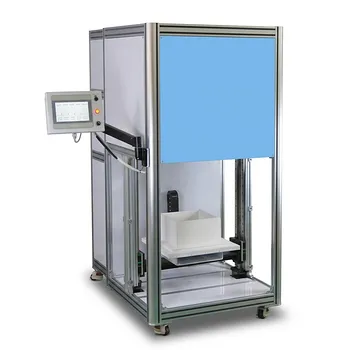
High Temperature 1600°C Three Zone Heated Bottom Loading Box Furnace with Rapid Thermal Processing Chamber 72L Volume
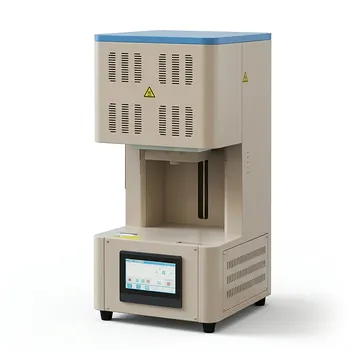
Automated 1700C High Temperature Bottom Loading Box Furnace with PC Software Control and Robotic Integration Capability
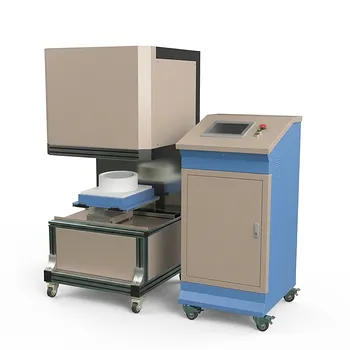
High Temperature Bottom Loading Box Furnace for Rapid Thermal Processing 1700C 40L Capacity
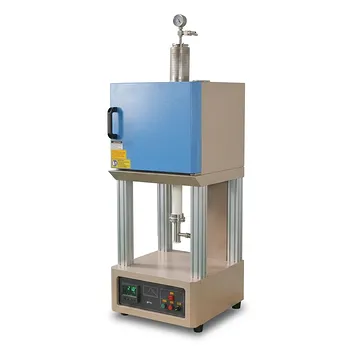
Hybrid High Temperature Tube and Box Furnace 1700C with 2 Inch Alumina Tube for Material Research
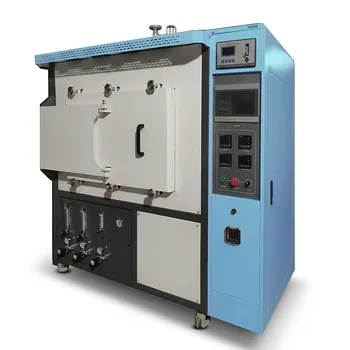
Roller Table Atmosphere Furnace 1500C High Temperature Battery Material Sintering System 112L Capacity
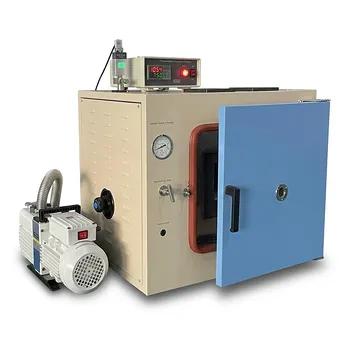
Compact High Vacuum Box Furnace 1050C Max 6.2L Ceramic Chamber Stainless Steel Shell Programmable Temperature Controller for Material Science Research