Why is it necessary to isolate the workpiece from ambient air during high-temperature heat treatment? Ensure Quality.
Updated 5 months ago
Protecting material integrity starts with atmosphere control. At high temperatures, the oxygen and moisture in ambient air become highly reactive, leading to rapid surface degradation such as scaling and decarburization. By isolating the workpiece within a controlled atmosphere, you preserve the metal's chemical composition and ensure the physical properties meet exact engineering specifications.
Core Takeaway: Atmosphere isolation is essential to prevent chemical reactions between the heated metal and ambient gases. This process maintains surface finish and structural integrity, ultimately ensuring metallurgical reproducibility and reducing the cost of post-process rework.
The Destructive Effects of Atmospheric Oxygen
The Mechanism of Scaling and Material Loss
When metals are heated in the presence of oxygen, they undergo a process called oxidation, which forms a thick layer of metal oxide known as scale. This scale consumes the base material, physically thinning the workpiece and potentially altering its final dimensions beyond acceptable tolerances.
Surface Pitting and Degradation
Beyond general thinning, oxidation can occur unevenly, leading to surface pitting and a loss of aesthetic quality. Isolated furnace environments prevent this degradation, ensuring the "as-quenched" surface remains as close to the initial state as possible.
Preserving Chemical and Structural Integrity
Preventing Decarburization in Steels
Exposing carbon steels to ambient air at high temperatures causes carbon to migrate out of the surface of the metal. This decarburization creates a soft, weak outer layer that lacks the hardness and wear resistance required for industrial applications.
Managing Moisture and Hydrogen Contamination
Ambient air contains varying levels of moisture, which can introduce hydrogen into certain metals during the heating process. This risk of contamination can lead to hydrogen embrittlement, a condition where the material become unexpectedly brittle and prone to sudden failure.
Operational Efficiency and Quality Control
Eliminating Post-Process Cleaning
If a workpiece is allowed to oxidize, it must undergo secondary operations like sandblasting, pickling, or machining to remove the scale. By isolating the parts during heat treatment, you eliminate these labor-intensive steps and lower the overall cost per part.
Achieving Reproducible Metallurgical Results
Atmosphere furnaces allow for high levels of process repeatability by removing environmental variables like humidity and oxygen concentration. This precision is critical for manufacturing components that must meet strict regulatory or safety standards.
Understanding Process Constraints and Risks
The Complexity of Seal Maintenance
Isolating a furnace requires sophisticated sealing mechanisms and regular maintenance to prevent leaks. Even a small breach can introduce enough oxygen to cause "spotting" or inconsistent hardness across a batch of parts.
Safety Concerns with Controlled Gases
The gases used to replace ambient air, such as nitrogen, argon, or hydrogen, introduce safety risks. Inert gases can pose an asphyxiation hazard if they leak into the workspace, while combustible atmospheres require advanced ignition and monitoring systems to prevent explosions.
Choosing the Right Strategy for Your Components
When determining how to manage your heat treatment environment, consider your primary objective to select the most efficient isolation method.
- If your primary focus is surface aesthetics: Utilize an inert gas like Argon to ensure zero chemical reaction and a bright, clean finish.
- If your primary focus is surface hardness: Ensure your atmosphere is carbon-neutral or slightly carburizing to prevent any loss of surface carbon during the cycle.
- If your primary focus is minimizing production costs: Use Nitrogen as a cost-effective purge to exclude the majority of oxygen while accepting minor surface tinting.
True metallurgical excellence is only possible when you master the environment surrounding the metal.
Summary Table:
| Factor | Effect of Ambient Air (Oxygen/Moisture) | Benefit of Controlled Atmosphere |
|---|---|---|
| Surface Quality | Oxidation, scaling, and pitting | Bright, clean surface finish |
| Material Mass | Scaling leads to material loss/thinning | Maintains precise dimensions |
| Chemistry | Decarburization (surface softening) | Preserves carbon content and hardness |
| Structural Integrity | Hydrogen embrittlement/brittleness | Prevents contamination and failure |
| Post-Processing | Requires cleaning (sandblasting/pickling) | Eliminates secondary cleaning costs |
Elevate Your Thermal Processing with THERMUNITS
Precise atmosphere control is the difference between material failure and engineering excellence. THERMUNITS is a leading manufacturer of high-temperature laboratory equipment for material science and industrial R&D. We provide specialized thermal solutions designed to protect your workpieces from damaging atmospheric reactions.
Our comprehensive range includes:
- Furnaces: Atmosphere, Vacuum, Muffle, Tube, Rotary, and Hot Press Furnaces.
- Advanced Systems: CVD/PECVD systems, Vacuum Induction Melting (VIM) furnaces, and Electric Rotary Kilns.
- Specialized Equipment: Dental Furnaces and high-quality Thermal Elements.
Ready to achieve flawless metallurgical results and improve operational efficiency? Let our experts help you select the perfect furnace for your specific atmospheric requirements.
Contact THERMUNITS Today for a Professional Consultation
Mentioned Products
- Roller Table Atmosphere Furnace 1500C High Temperature Battery Material Sintering System 112L Capacity
- High Temperature Vertical Atmosphere Controlled Furnace 1700C Automatic Bottom Loading 13 Liter Vacuum Thermal System
- 1650C High Temperature Atmosphere Controlled Box Furnace with 65L Chamber for Advanced Material Sintering and Industrial Heat Treatment
- 1200C Hydrogen Atmosphere Box Furnace with 5 Heated Sides and 64L Chamber
- 1200°C Atmosphere Controlled Automatic Bottom Loading Furnace with 6 Inch Quartz Tube
People Also Ask
- How does a high-temperature sintering furnace environment enhance NdFeB magnets? Achieve 98%+ density with precision.
- How does the temperature control precision of a high-temperature sintering furnace affect Na1+xLa1-xZr2O6-δ ceramics?
- How are electric heating elements designed to operate within carburizing atmospheres? Top Design Strategies Revealed
- How does a high-temperature sintering furnace contribute to the interfacial strengthening of SS316L and zirconia?
- Why is a high-temperature sintering furnace required for the preparation of Li(Nb,Ta)O3 precursors? Essential Insights

Tech Team · ThermUnits
Last updated on Apr 14, 2026
Related Products
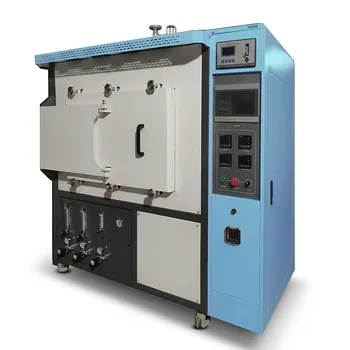
Roller Table Atmosphere Furnace 1500C High Temperature Battery Material Sintering System 112L Capacity
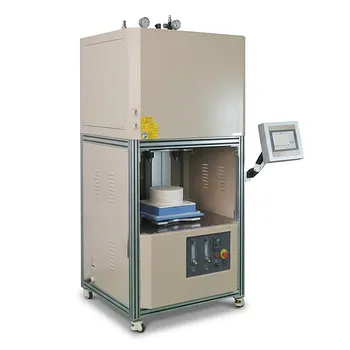
High Temperature Vertical Atmosphere Controlled Furnace 1700C Automatic Bottom Loading 13 Liter Vacuum Thermal System
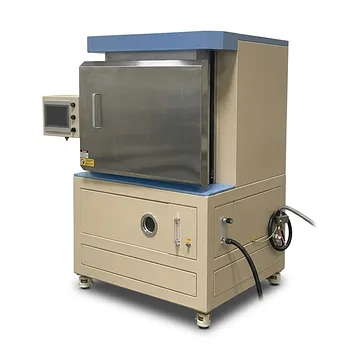
1650C High Temperature Atmosphere Controlled Box Furnace with 65L Chamber for Advanced Material Sintering and Industrial Heat Treatment
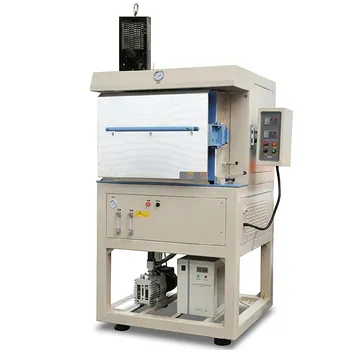
1200C Hydrogen Atmosphere Box Furnace with 5 Heated Sides and 64L Chamber
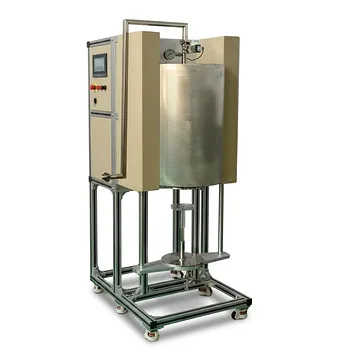
1200°C Atmosphere Controlled Automatic Bottom Loading Furnace with 6 Inch Quartz Tube
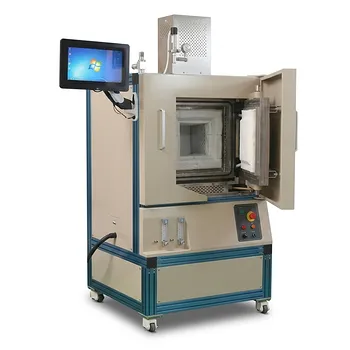
High Temperature Oxygen and Inert Atmosphere Controlled Furnace 8 Liter 1700C Sintering System for Advanced Materials RD
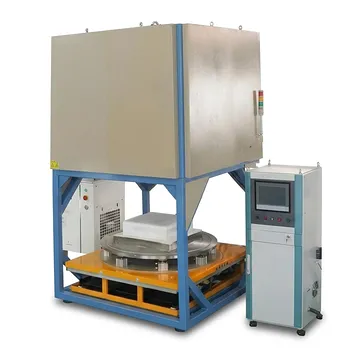
Bottom Loaded Inert Gas Atmosphere Box Furnace 1400C Maximum Temperature 125L High Capacity Laboratory Heat Treatment System
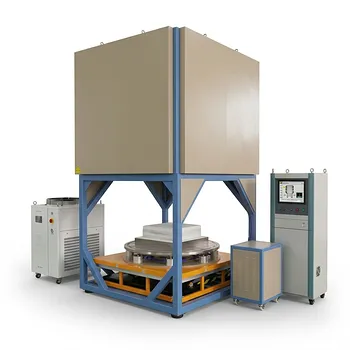
Bottom Loaded Inert Gas Atmosphere Box Furnace 1700C 1300C 216L Large Capacity Industrial Thermal Processing System
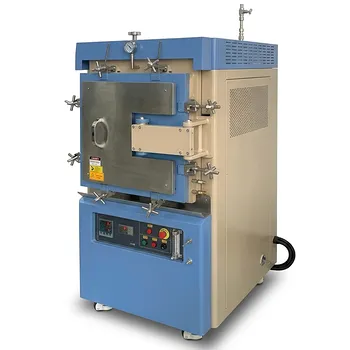
Atmosphere Controlled Muffle Furnace 1700C Maximum Temperature 80L High Capacity Vacuum Inert Gas Box Furnace
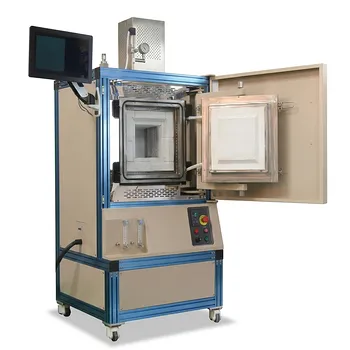
High Temperature Hydrogen Atmosphere Box Furnace 1650C Max Reducing Environment Material Synthesis System 8x8x8 Chamber
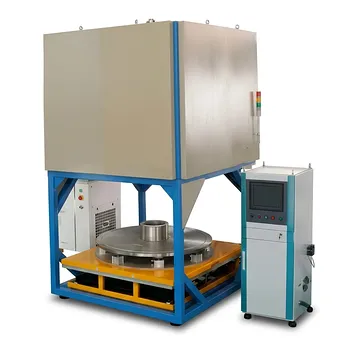
1400C Bottom Loaded Inert Gas Atmosphere Box Furnace with 125L Capacity and Precision Hydraulic Lift
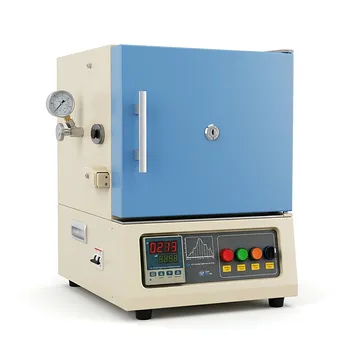
1200C Hybrid Muffle and Tube Furnace for Material Research with Dual Atmosphere Control Quartz Tubes
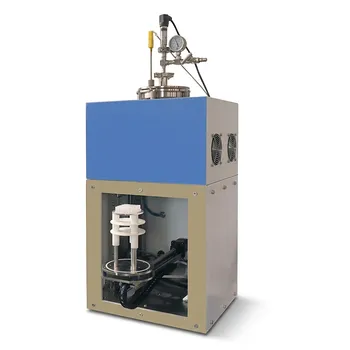
Rapid Thermal Processing RTP Atmosphere Controlled Bottom Loading Furnace 1100C High Throughput 50C per Second Heating Rate
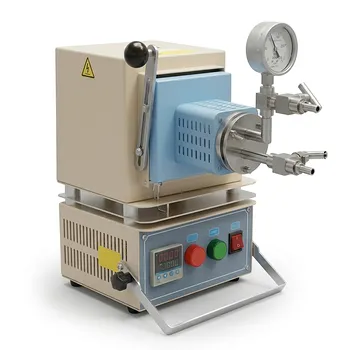
Compact Hybrid Muffle and Tube Furnace for 1000C Controlled Atmosphere Laboratory Material Sintering
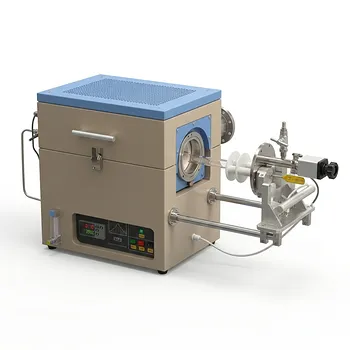
Compact Atmosphere Controlled Rapid Thermal Processing RTP Furnace with 4 Inch ID Quartz Tube 1100C
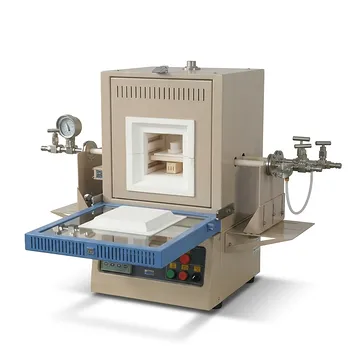
1700C Compact Hybrid Furnace with Dual Layer Box Sintering and Controlled Atmosphere Alumina Tubes
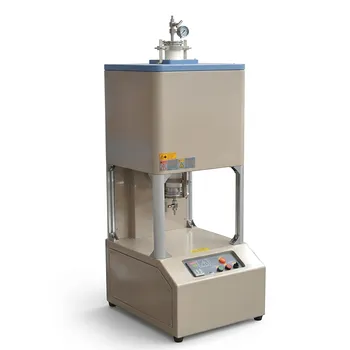
Vertical 1700C Vacuum and Atmosphere Tube Furnace with 80mm Alumina Tube
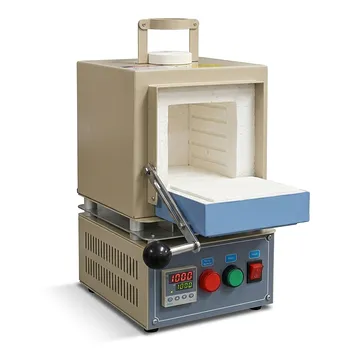
Compact 1000C Muffle Furnace with Programmable Controller and 2 Inch Top Port for Vacuum and Atmosphere Material Research
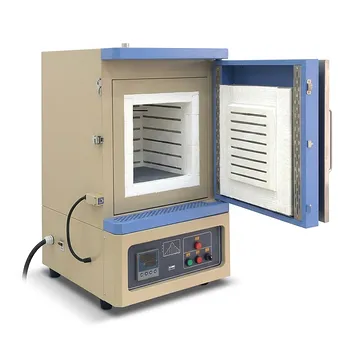
Five Side Heating Muffle Furnace High Purity Alumina Fiber 27L Chamber 1200C High Temperature Thermal Processing System for Sintering Annealing and Materials Research