Why do Atmosphere Furnaces require precise multi-channel gas mixing? Optimize Your Advanced Material Synthesis
Updated 3 months ago
Atmosphere furnaces rely on precise multi-channel gas mixing to manipulate the fundamental chemical and physical properties of advanced materials. By using Mass Flow Controllers (MFCs) to blend gases like hydrogen and argon at exact ratios, these systems allow researchers to precisely control non-stoichiometric ratios, induce element doping, and manage surface defect states. This level of control is the decisive factor in determining the final semiconductor characteristics, magnetic stability, or catalytic activity of the treated material.
Core Takeaway: Multi-channel gas mixing transforms an atmosphere furnace from a simple heating chamber into a precision chemical reactor. This capability allows for the "fine-tuning" of a material's atomic structure and surface chemistry, which is essential for the production of semiconductors, catalysts, and advanced nanomaterials.
The Role of Precision Gas Blending in Material Synthesis
Manipulating Non-Stoichiometric Ratios
Precise multi-channel mixing allows for the creation of specific reducing atmospheres, such as H2/Ar mixtures. These mixtures are used to adjust the non-stoichiometric ratios of materials, which directly alters their chemical and physical performance.
By controlling the exact concentration of a reducing gas, researchers can induce oxygen vacancies or other structural changes. This level of precision is critical for materials where even a slight deviation in element ratios can render the sample useless.
Surface Defect Engineering and Catalytic Activity
High-temperature treatment in a controlled atmosphere is often used to modify surface defect states. These defects are not "flaws" in the traditional sense; rather, they are the active sites required for catalytic activity.
Multi-channel MFCs ensure that the gas environment remains consistent throughout the heating cycle. This consistency ensures that the resulting catalysts have the correct surface activity and chemical stoichiometry for their intended application.
Precision Doping and Semiconductor Properties
For semiconductor precursors, the introduction of specific gases at controlled flow rates enables element doping. This process alters the material's electrical properties by introducing specific impurities into the crystal lattice.
Without precise multi-channel control, the doping levels would be inconsistent. This would lead to unpredictable semiconductor characteristics and poor performance in electronic components.
Ensuring Material Purity Through Isolation
Preventing Unintended Oxidation and Nitration
Chemically sensitive materials, such as carbon nanomaterials or active metals, react violently or degrade when exposed to oxygen or moisture at high temperatures. Atmosphere furnaces use a sealed furnace tube to isolate the sample from the ambient environment.
By first creating a high vacuum and then backfilling with high-purity inert gases like argon or nitrogen, the system excludes interference. This prevents unintended oxidation or nitration, preserving the material's chemical purity.
In-Situ Chemical Repair
In some cases, the gas atmosphere is used to perform in-situ chemical repair of a material during the heat treatment process. A precisely controlled reducing atmosphere can "fix" oxidation that occurred prior to the material being placed in the furnace.
This capability is vital for maintaining the stability of magnetic characteristics and electrical properties in advanced alloys. It ensures that the final product meets rigorous performance requirements.
Understanding the Trade-offs
Complexity vs. Precision
The inclusion of multi-channel MFCs increases the complexity and cost of the furnace system. While single-channel systems are simpler to operate, they cannot achieve the complex gas ratios required for advanced "tuning" of material properties.
Gas Flow Stability vs. Reaction Speed
High gas flow rates can help reach a desired atmosphere quickly but may cause temperature fluctuations within the furnace tube. Achieving a balance between rapid atmosphere turnover and maintaining a uniform thermal environment is a constant challenge in high-temperature processing.
Safety Risks of Reducing Gases
Using hydrogen (H2) as part of a multi-channel mix introduces significant safety risks, including the potential for explosion if oxygen leaks into the system. This requires the use of sophisticated sealing technologies and safety interlocks, which further adds to the operational overhead.
How to Apply This to Your Project
Making the Right Choice for Your Goal
To achieve the best results with an atmosphere furnace, your gas mixing strategy must align with your material's specific requirements.
- If your primary focus is Catalytic Activity: Prioritize a multi-channel system with high-precision MFCs to strictly control the H2/Ar ratio for defect engineering.
- If your primary focus is Semiconductor Purity: Ensure the furnace supports high-vacuum evacuation followed by backfilling with ultra-high-purity inert gases to eliminate oxygen traces.
- If your primary focus is Structural Stability: Focus on a system that offers both precise gas mixing and programmed temperature control to manage phase transitions and crystal growth.
By mastering the balance of temperature and gas chemistry, you can unlock the full potential of chemically sensitive advanced materials.
Summary Table:
| Application | Key Gas Mixing Function | Primary Material Benefit |
|---|---|---|
| Semiconductor Doping | Precise impurity gas flow control | Tailored electrical & semiconductor properties |
| Catalyst Synthesis | Surface defect engineering (H2/Ar) | Enhanced catalytic activity & active sites |
| Stoichiometry Control | Adjusting reducing atmosphere ratios | Fine-tuned chemical and physical performance |
| Purity Preservation | Vacuum evacuation & inert backfilling | Prevention of unintended oxidation or nitration |
| Magnetic Alloys | In-situ chemical repair of oxidation | Stability of magnetic & electrical characteristics |
Elevate Your Material Research with THERMUNITS
At THERMUNITS, we understand that precision is the difference between a breakthrough and a failure. As a leading manufacturer of high-temperature laboratory equipment, we provide the advanced thermal processing solutions required for today’s rigorous material science and industrial R&D.
Whether you are engineering next-generation semiconductors or high-performance catalysts, our systems offer the stability and control you need:
- Comprehensive Range: Muffle, Vacuum, Atmosphere, Tube, Rotary, and Hot Press furnaces.
- Specialized Systems: CVD/PECVD systems, Dental Furnaces, Electric Rotary Kilns, and Vacuum Induction Melting (VIM) furnaces.
- Precision Components: High-quality Thermal Elements and custom gas-handling integration.
Ready to achieve superior heat treatment results? Contact our technical experts today to discuss how our atmosphere furnaces and multi-channel gas mixing solutions can transform your lab's capabilities.
References
- Yejin Song, Jeong Young Park. Reversibility in Structural Dynamics on Pt−Ni Bimetallic Nanocrystals under Redox Conditions. DOI: 10.1002/cctc.202401082
Mentioned Products
- Roller Table Atmosphere Furnace 1500C High Temperature Battery Material Sintering System 112L Capacity
- High Temperature Vertical Atmosphere Controlled Furnace 1700C Automatic Bottom Loading 13 Liter Vacuum Thermal System
- 1650C High Temperature Atmosphere Controlled Box Furnace with 65L Chamber for Advanced Material Sintering and Industrial Heat Treatment
- 1200C Hydrogen Atmosphere Box Furnace with 5 Heated Sides and 64L Chamber
- 1200°C Atmosphere Controlled Automatic Bottom Loading Furnace with 6 Inch Quartz Tube
People Also Ask
- How does a high-temperature sintering furnace environment enhance NdFeB magnets? Achieve 98%+ density with precision.
- How does the temperature control precision of a high-temperature sintering furnace affect Na1+xLa1-xZr2O6-δ ceramics?
- How are electric heating elements designed to operate within carburizing atmospheres? Top Design Strategies Revealed
- How does a high-temperature sintering furnace contribute to the interfacial strengthening of SS316L and zirconia?
- Why is a high-temperature sintering furnace required for the preparation of Li(Nb,Ta)O3 precursors? Essential Insights

Tech Team · ThermUnits
Last updated on Jun 02, 2026
Related Products
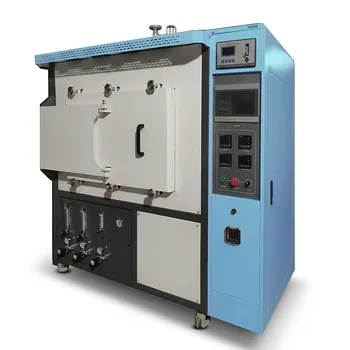
Roller Table Atmosphere Furnace 1500C High Temperature Battery Material Sintering System 112L Capacity
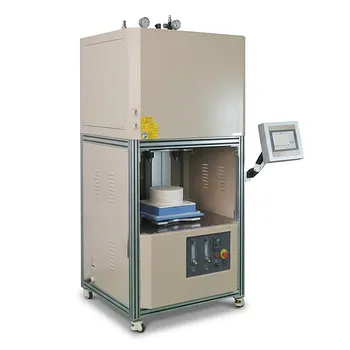
High Temperature Vertical Atmosphere Controlled Furnace 1700C Automatic Bottom Loading 13 Liter Vacuum Thermal System
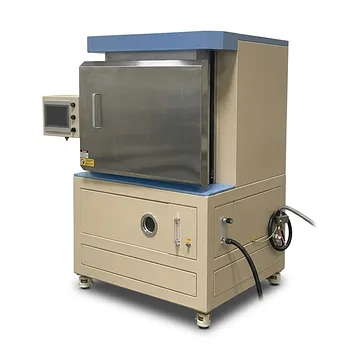
1650C High Temperature Atmosphere Controlled Box Furnace with 65L Chamber for Advanced Material Sintering and Industrial Heat Treatment
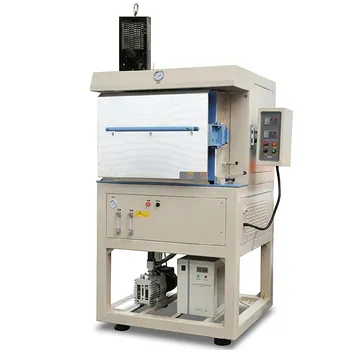
1200C Hydrogen Atmosphere Box Furnace with 5 Heated Sides and 64L Chamber
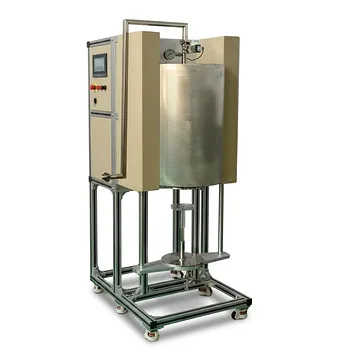
1200°C Atmosphere Controlled Automatic Bottom Loading Furnace with 6 Inch Quartz Tube
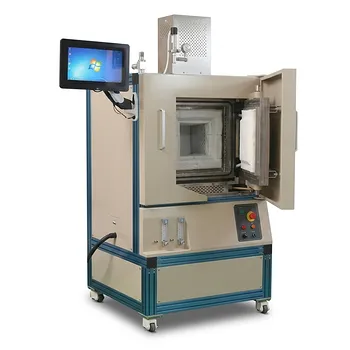
High Temperature Oxygen and Inert Atmosphere Controlled Furnace 8 Liter 1700C Sintering System for Advanced Materials RD
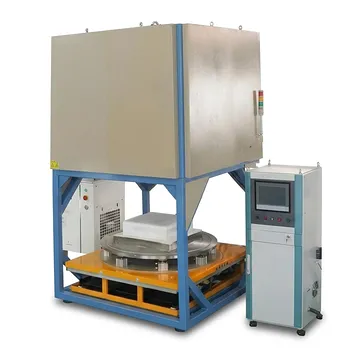
Bottom Loaded Inert Gas Atmosphere Box Furnace 1400C Maximum Temperature 125L High Capacity Laboratory Heat Treatment System
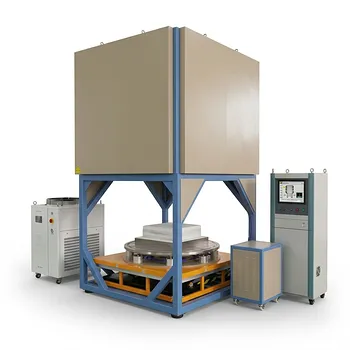
Bottom Loaded Inert Gas Atmosphere Box Furnace 1700C 1300C 216L Large Capacity Industrial Thermal Processing System
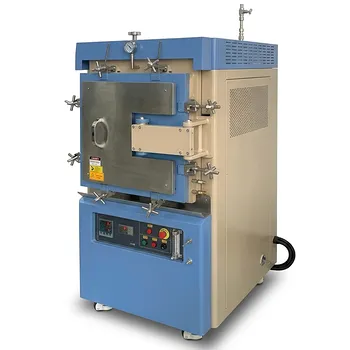
Atmosphere Controlled Muffle Furnace 1700C Maximum Temperature 80L High Capacity Vacuum Inert Gas Box Furnace
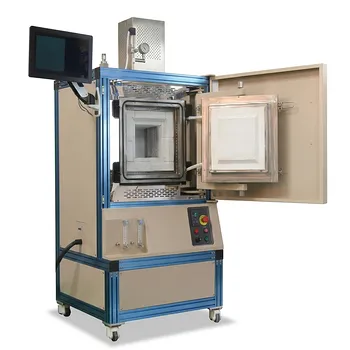
High Temperature Hydrogen Atmosphere Box Furnace 1650C Max Reducing Environment Material Synthesis System 8x8x8 Chamber
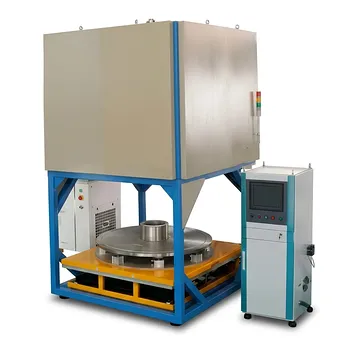
1400C Bottom Loaded Inert Gas Atmosphere Box Furnace with 125L Capacity and Precision Hydraulic Lift
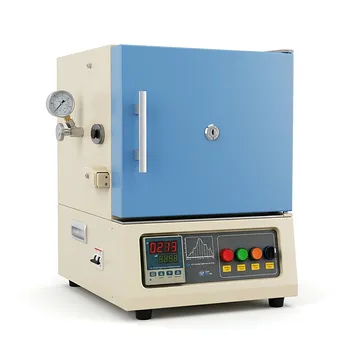
1200C Hybrid Muffle and Tube Furnace for Material Research with Dual Atmosphere Control Quartz Tubes
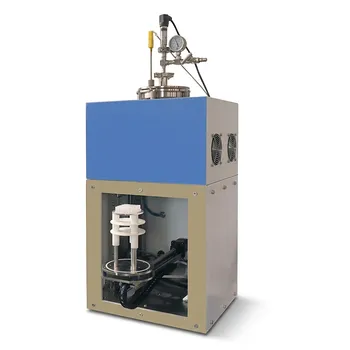
Rapid Thermal Processing RTP Atmosphere Controlled Bottom Loading Furnace 1100C High Throughput 50C per Second Heating Rate
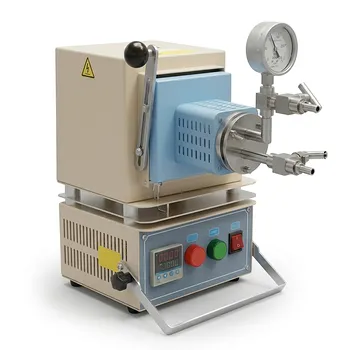
Compact Hybrid Muffle and Tube Furnace for 1000C Controlled Atmosphere Laboratory Material Sintering
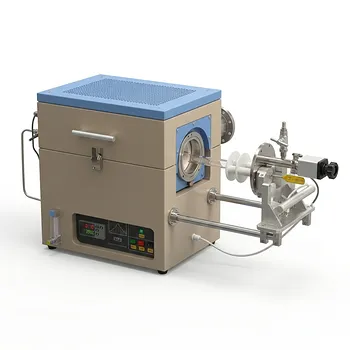
Compact Atmosphere Controlled Rapid Thermal Processing RTP Furnace with 4 Inch ID Quartz Tube 1100C
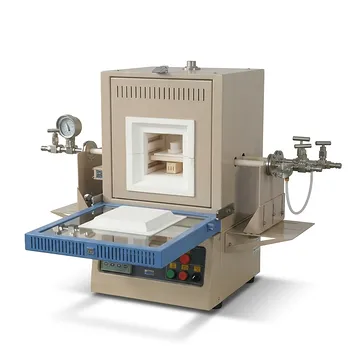
1700C Compact Hybrid Furnace with Dual Layer Box Sintering and Controlled Atmosphere Alumina Tubes

Vertical 1700C Vacuum and Atmosphere Tube Furnace with 80mm Alumina Tube
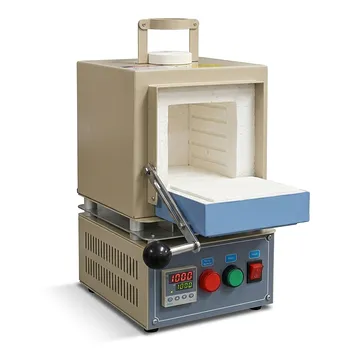
Compact 1000C Muffle Furnace with Programmable Controller and 2 Inch Top Port for Vacuum and Atmosphere Material Research
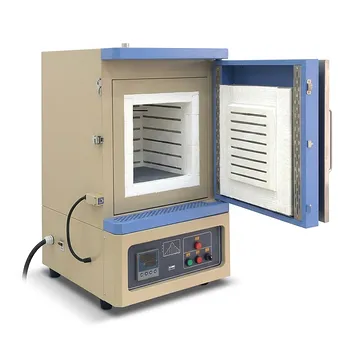
Five Side Heating Muffle Furnace High Purity Alumina Fiber 27L Chamber 1200C High Temperature Thermal Processing System for Sintering Annealing and Materials Research