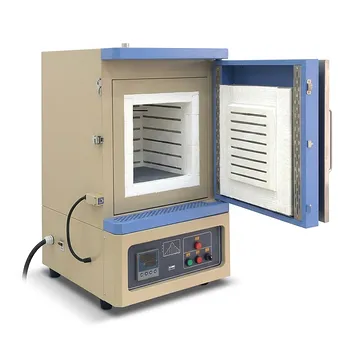
What are the general technical and operational advantages of modern electric muffle furnaces? Enhance R&D Precision
Updated 5 months ago
Modern electric muffle furnaces provide a controlled, contamination-free environment that is essential for high-precision thermal processing. By utilizing advanced heating elements and digital logic, these systems offer unmatched temperature uniformity, programmable heating rates, and high energy efficiency. These technical advantages eliminate the environmental variables and safety risks inherent in traditional fuel-based heating methods.
Core Takeaway: Modern electric muffle furnaces transition thermal processing from an inconsistent manual process into a highly repeatable, digital science. They are the definitive tool for any application requiring strict material integrity, precise isothermal control, and documented traceability.
Precision Thermal Management
Modern systems replace the volatility of combustion with the stability of electronic regulation.
Precise Temperature and Rate Control
Modern furnaces allow users to set specific heating curves, such as a steady 10°C/min increase, to manage delicate material transitions. This precision ensures that processes like carbonization or sintering occur at the exact required energy levels without overshoot.
Exceptional Thermal Uniformity
High-quality insulation and strategic heating element placement ensure a consistent temperature throughout the chamber. This eliminates "cold spots," ensuring that every sample—from biochar to metal alloys—undergoes identical thermal reorganization.
Wide Operational Range
These units are capable of maintaining stability across a broad spectrum, typically ranging from 500°C to 1,800°C. This versatility supports diverse needs, from low-temperature ash determination to high-temperature ceramic firing.
Material Integrity and Safety
The primary mechanical advantage of a muffle furnace is the physical isolation of the workload.
Contamination Prevention
The "muffle" acts as a barrier that isolates the sample from the heating elements and external atmosphere. This is critical for preventing cross-contamination and ensuring that the final product, such as nano-scale powders, maintains high chemical purity.
Elimination of Combustion Byproducts
Unlike fuel-heated kilns, electric furnaces do not produce exhaust gases or open flames. This removes the risk of chemical reactions between the fuel and the sample, while also significantly improving the safety of the laboratory environment.
Environmental Stability
Because the heating environment is fully enclosed, it remains unaffected by external factors like wind speed or fuel distribution. This stability is vital for sensitive processes like the structural reorganization of minerals.
Operational Efficiency and Digital Integration
Beyond heat, modern furnaces offer significant improvements in workflow and data management.
Advanced Fiber Insulation
The use of modern low thermal mass fiber insulation reduces the energy required to reach target temperatures. This material also improves the service life of the equipment by reducing the thermal stress on the furnace shell.
Standardized Protocols and Traceability
Programmable digital interfaces allow for the storage of standardized heating protocols. This ensures that experiments are repeatable across different shifts or locations, which is a requirement for modern regulatory compliance.
Improved Production Throughput
By providing a stable thermal environment, these furnaces reduce the number of heating cycles required to achieve specific material characteristics. This efficiency directly translates to lower operational costs and higher quality standards for the final product.
Understanding the Trade-offs
While highly advanced, electric muffle furnaces are not universal solutions for every heating requirement.
Initial Capital and Maintenance Costs
High-precision systems require a significant upfront investment compared to traditional kilns. Additionally, heating elements are consumables that will eventually degrade and require replacement, particularly when used at the upper end of their temperature range.
Size and Throughput Limitations
Muffle furnaces are generally designed for smaller batch sizes to maintain their high levels of uniformity. For massive industrial volumes where precision is less critical than scale, large-scale continuous kilns may be more cost-effective.
Material Compatibility
Certain reactive materials may release corrosive gases during heating that can damage the muffle lining or heating elements. Users must carefully match the furnace's internal materials with the chemical profile of their samples to avoid premature equipment failure.
Making the Right Choice for Your Goal
The selection of a muffle furnace should be driven by the specific requirements of your material and your regulatory environment.
- If your primary focus is Research and Development: Prioritize a model with highly programmable digital controllers and high-precision heating rates to ensure experimental repeatability.
- If your primary focus is Quality Control and Ashing: Focus on models with robust isolation and easy-to-clean muffle linings to prevent sample contamination.
- If your primary focus is Industrial Heat Treatment: Look for furnaces with high-grade fiber insulation and high-wattage elements to maximize energy efficiency and minimize cycle times.
By leveraging the precision and isolation of a modern electric muffle furnace, you ensure that your thermal processes are both scientifically rigorous and operationally efficient.
Summary Table:
| Advantage Category | Key Feature | Primary Benefit |
|---|---|---|
| Technical Precision | Programmable PID Control | Accurate heating rates and zero temperature overshoot |
| Material Integrity | Muffle Isolation Barrier | Contamination-free environment for high-purity samples |
| Energy Efficiency | High-Grade Fiber Insulation | Reduced heat loss and faster heating/cooling cycles |
| Operational Safety | Electric Heating System | No combustion byproducts, exhaust gases, or open flames |
| Digital Workflow | Data Logging & Protocols | Guaranteed repeatability and full process traceability |
Optimize Your Thermal Processing with THERMUNITS
As a leading manufacturer of high-temperature laboratory equipment, THERMUNITS empowers material science and industrial R&D with precision-engineered solutions. We provide a comprehensive range of thermal systems designed to meet the most rigorous standards of accuracy and durability.
Our Expert Solutions Include:
- Versatile Furnaces: Muffle, Vacuum, Atmosphere, Tube, Rotary, and Hot Press systems.
- Advanced R&D Tools: CVD/PECVD systems, Vacuum Induction Melting (VIM), and Electric Rotary Kilns.
- Specialized Equipment: Dental Furnaces, Thermal Elements, and custom heat treatment hardware.
Ready to elevate your lab's performance with superior thermal uniformity and energy efficiency?
Contact THERMUNITS Today to discuss your specific project requirements and receive a professional technical consultation.
Mentioned Products
- Compact 1000C Muffle Furnace with Programmable Controller and 2 Inch Top Port for Vacuum and Atmosphere Material Research
- High Temperature 1200C Muffle Furnace 27L Volume 12x12x12 Chamber with Programmable PID Controller for Laboratory Material Science
- 1200C Muffle Furnace 12x8x5 7.2L Heating Chamber with Quartz Observation Window and Vent Port
- 1200C High Temperature 125L Muffle Furnace 5 Side Heating for Large Batch Sintering with Optional Alloy Debinding Chamber
- 1200C Five Side Heating Muffle Furnace with Sliding Door 125L Volume High Temperature Heat Treatment System for Large Scale Sintering and Annealing
People Also Ask
- What are the benefits of using muffle furnaces in pharmaceutical and biomedical applications? Maximize Purity & Compliance
- What is the role of the muffle furnace in h-BN precursor preparation? Optimize Morphology and Chemical Purity.
- How does the heating mechanism of a muffle furnace differ from that of an open-flame furnace? Indirect vs Direct Heat
- Why is the muffle design advantageous for the production of ceramics and glass? Ensure Purity and Structural Integrity
- Why is the thermal environment provided by high-precision laboratory ovens or muffle furnaces essential? Achieve Precision.

Tech Team · ThermUnits
Last updated on Apr 14, 2026
Related Products
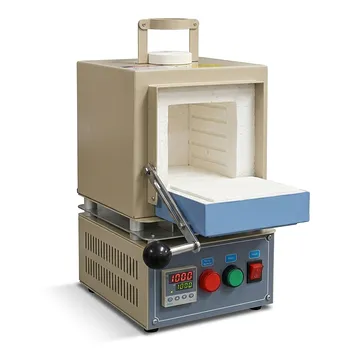
Compact 1000C Muffle Furnace with Programmable Controller and 2 Inch Top Port for Vacuum and Atmosphere Material Research
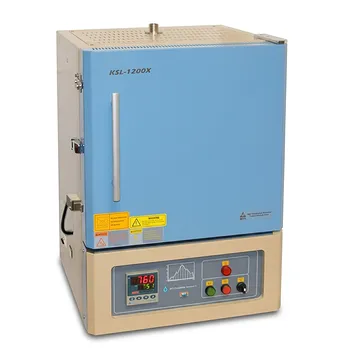
High Temperature 1200C Muffle Furnace 27L Volume 12x12x12 Chamber with Programmable PID Controller for Laboratory Material Science
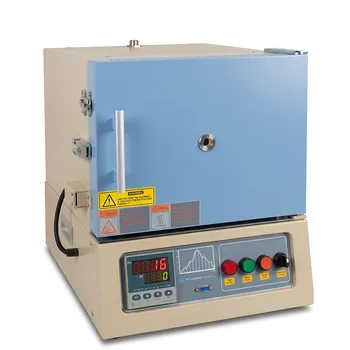
1200C Muffle Furnace 12x8x5 7.2L Heating Chamber with Quartz Observation Window and Vent Port
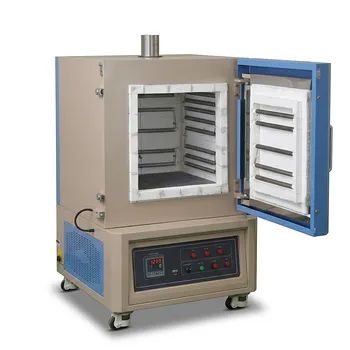
1200C High Temperature 125L Muffle Furnace 5 Side Heating for Large Batch Sintering with Optional Alloy Debinding Chamber
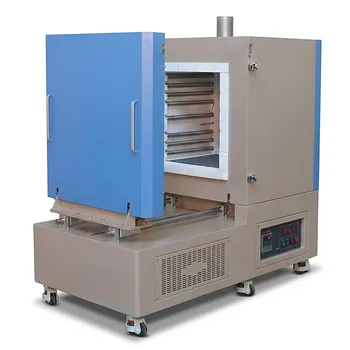
1200C Five Side Heating Muffle Furnace with Sliding Door 125L Volume High Temperature Heat Treatment System for Large Scale Sintering and Annealing
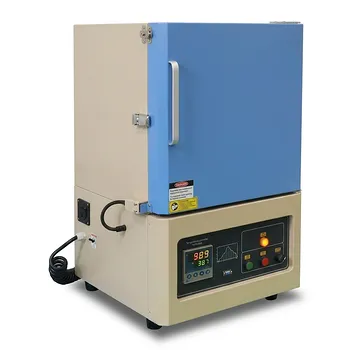
1200°C High Temperature Muffle Furnace 19L Chamber with 50 Segment Programmable Controller
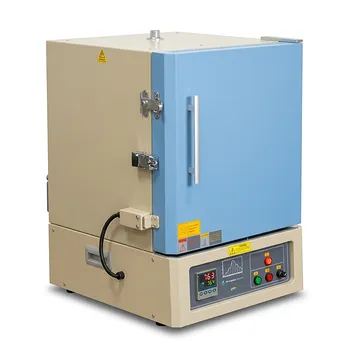
Large Capacity 1200C Muffle Furnace 64 Liter Chamber with Digital PID Controller and Built In Venting Port
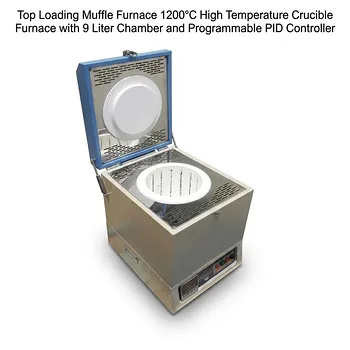
Top Loading Muffle Furnace 1200°C High Temperature Crucible Furnace with 9 Liter Chamber and Programmable PID Controller
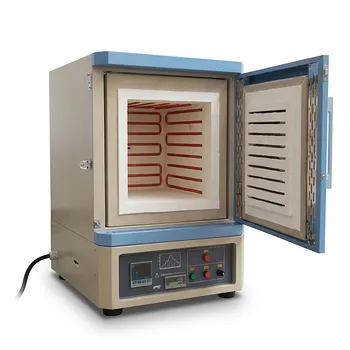
Five Side Heating Muffle Furnace 1200C High Uniformity 64L Chamber 16x16x16 Inch Industrial Heat Treatment
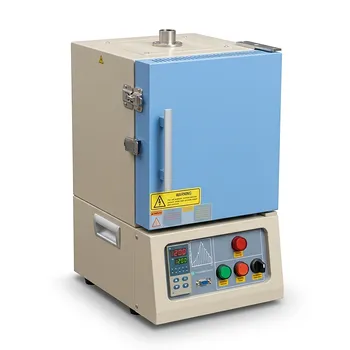
1200°C Small Box Furnace 4.2 Liter Programmable Muffle Furnace with High Purity Alumina Insulation and PID Control
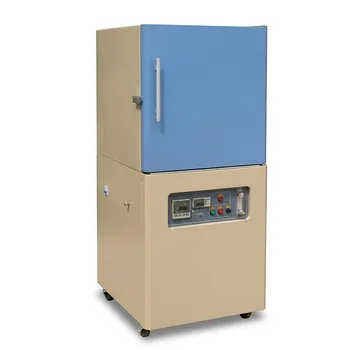
High Temperature Muffle Furnace with Dual Controllers and 36L Large Chamber 1700C Max
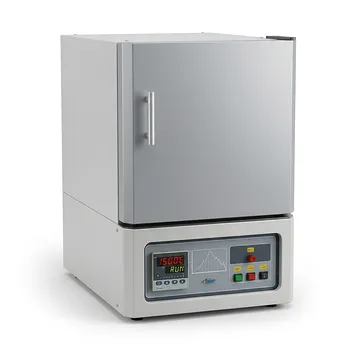
High Temperature 1500C Benchtop Muffle Furnace 3.6L Alumina Fiber Chamber Programmable Controller Sintering Annealing Carbonization Thermal Processing System
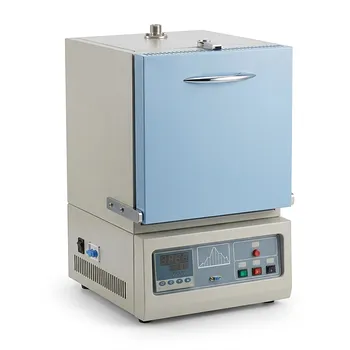
1750C Compact Muffle Furnace 1.7L Ultra High Temperature Laboratory Sintering System for Advanced Ceramics and Material Science Research
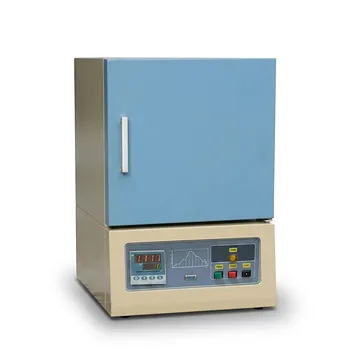
Ultra High Temperature Bench Top Muffle Furnace 1750C Sintering System with Kanthal Super Heating Elements and Precision Digital Control
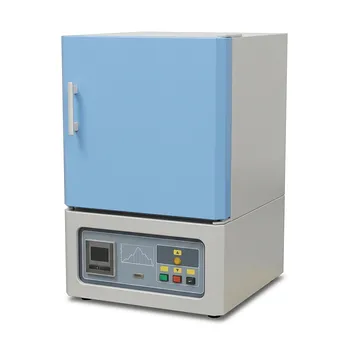
1800C Bench Top Muffle Furnace with Kanthal Super 1900 Heating Elements and 3.6L Alumina Fiber Chamber
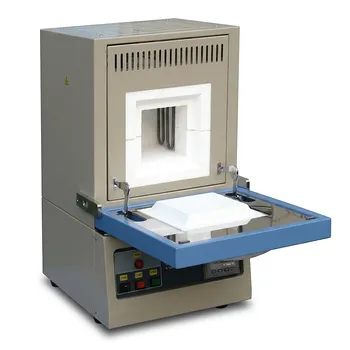
High Temperature 1800C Compact Muffle Furnace with Kanthal Super 1900 Heating Elements and 1.7L Alumina Chamber
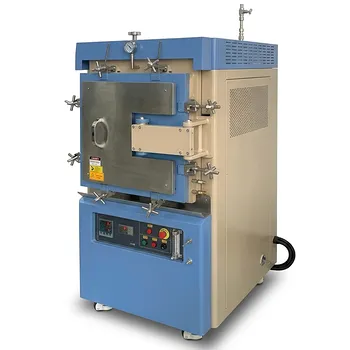
Atmosphere Controlled Muffle Furnace 1700C Maximum Temperature 80L High Capacity Vacuum Inert Gas Box Furnace
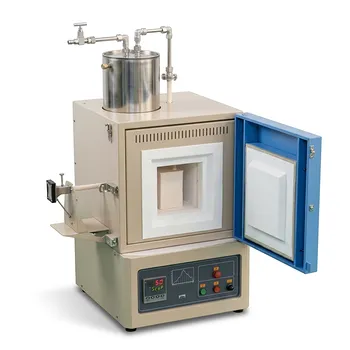
High Temperature Bench Top Muffle Furnace 1700C with Integrated Evaporating Particle Collection and 8x8x8 Alumina Fiber Chamber
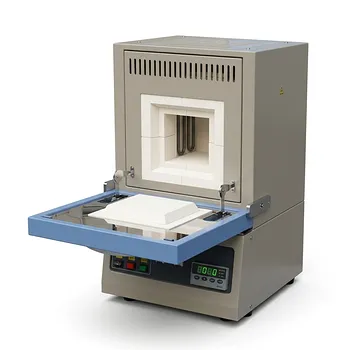
Five Sided Heating Muffle Furnace High Uniformity 1200C Lab Box Furnace 27L Alumina Fiber Chamber