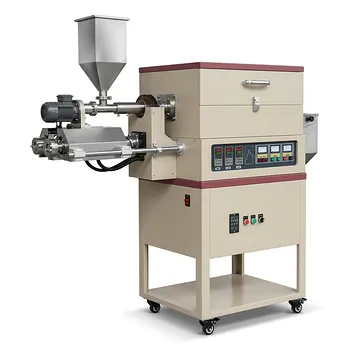
What are the specific applications and characteristics of a short rotary furnace? Maximize Your Metal Recovery Efficiency
Updated 5 months ago
The short rotary furnace is a specialized industrial unit designed primarily for the efficient melting and recycling of non-ferrous metals. It is most commonly utilized to process aluminum dross, scrap metal, and lead-acid battery residues, using a compact design to achieve high thermal efficiency and material purity.
A short rotary furnace provides a high-intensity batch melting solution that leverages rapid rotation and tilting capabilities to maximize metal recovery. It serves as a more agile, batch-oriented alternative to the long, continuous rotary kilns used in mineral processing.
Key Characteristics of Short Rotary Furnaces
Compact Cylindrical Design
Unlike traditional rotary kilns that feature long, slightly inclined cylinders, these units have a much shorter drum profile. This compact structure is optimized for concentrated heat application and the processing of specific material batches rather than a continuous flow.
High-Speed Rotation Mechanics
These furnaces typically operate at rotation rates of approximately 1 rpm. This speed is significantly faster than standard kilns, providing the mechanical agitation necessary to effectively separate molten metal from impurities like slag.
Tilting and Discharge Capability
Modern short rotary furnaces are often designed as tilting units equipped with hydraulic systems. This allows the furnace to be angled for precise charging (loading) and the efficient pouring of molten metal and slag during the discharge phase.
Principal Industrial Applications
Metal Scrap and Dross Recycling
The primary application for these furnaces is the recovery of secondary metals, particularly aluminum. They are highly effective at processing aluminum dross—a byproduct of smelting—to extract trapped pure metal that would otherwise be lost.
Smelting and Reduction Processes
Short rotary furnaces are frequently used in the lead industry for smelting lead-acid battery paste and other lead-bearing residues. The controlled environment within the rotating drum facilitates the chemical reduction needed to return these materials to a usable metallic state.
Uniform Batch Melting
Because the material is constantly tumbled through mechanical rotation, the furnace ensures uniform heat transfer throughout the batch. This results in a consistent temperature and composition of the final melt, which is critical for high-quality metal production.
Understanding the Operational Trade-offs
Batch vs. Continuous Limitations
Short rotary furnaces are designed for batch processing, meaning they must be loaded, processed, and emptied before the next cycle begins. This can result in lower overall throughput compared to continuous rotary kilns used in cement or lime production.
Refractory Lining Wear
The combination of high temperatures, chemical fluxing agents, and the constant tumbling of heavy metal scrap can lead to accelerated wear on the internal refractory lining. Frequent inspections and periodic relining are necessary to maintain structural integrity.
Energy Consumption Dynamics
While efficient at melting, the energy required to reach and maintain high temperatures in a batch format can be significant. Operators must balance fuel consumption with cycle times to ensure the process remains economically viable compared to other melting technologies.
Choosing the Right Furnace for Your Goal
When deciding on a furnace configuration, your choice should be dictated by the physical nature of your feedstock and your required output.
- If your primary focus is the recovery of metal from dross or mixed scrap: The short rotary furnace is the ideal choice due to its superior ability to separate slag from metal through agitation.
- If your primary focus is large-scale, continuous mineral calcination: You should utilize a long rotary kiln, as it is designed for gravity-fed, continuous processing rather than batch-based melting.
- If your primary focus is the heat treatment of delicate or stationary parts: A rotary hearth furnace is more appropriate, as it avoids the tumbling action that could damage finished components.
By prioritizing high-speed rotation and tilting flexibility, the short rotary furnace remains the definitive tool for maximizing yields in modern metal recycling operations.
Summary Table:
| Feature | Key Characteristic | Industrial Benefit |
|---|---|---|
| Design | Compact, tilting drum profile | Easier charging and precise molten metal discharge |
| Rotation | High-speed agitation (~1 rpm) | Superior separation of pure metal from slag/impurities |
| Processing | Batch-oriented operation | Uniform heat transfer and consistent melt composition |
| Applications | Dross recycling & lead smelting | High-yield recovery of aluminum, lead, and non-ferrous scrap |
Optimize Your Material Recovery with THERMUNITS
Are you looking to enhance your metal recycling yields or streamline your industrial R&D processes? THERMUNITS is a leading manufacturer of high-temperature laboratory and industrial equipment, specializing in advanced thermal processing solutions.
From Short Rotary Furnaces and Electric Rotary Kilns designed for maximum recovery, to high-precision Muffle, Vacuum, Atmosphere, Tube, and Hot Press Furnaces, we provide the tools necessary for excellence in material science. Whether you need CVD/PECVD systems, Vacuum Induction Melting (VIM) furnaces, or specialized Dental Furnaces, our expert team is ready to support your specific heat treatment requirements.
Ready to elevate your lab's performance? Contact THERMUNITS Today for a Custom Quote
Mentioned Products
- Electric Rotary Kiln Small Rotary Furnace for Activated Carbon Regeneration
- Mini Rotary Tubular Furnaces for Precision Powder Heat Treatment and Thermogravimetric Analysis
- 1500C 3-Zone Rotary Tube Furnace 60mm with Automatic Powder Feeding and Receiving System for Continuous Material Synthesis
- 5 Inch Rotary Tube Furnace with Automatic Feeding and Receiving System 1200C Three Zone CVD Powder Processing
- Electric Rotary Kiln Small Rotary Furnace Biomass Pyrolysis Plant
People Also Ask
- What are the primary components and heating mechanisms of an electric rotary kiln? Optimize High-Purity Heat Treatment
- Which minerals and specialty chemicals are commonly processed using electric rotary kilns? Precision Thermal Processing Guide
- What are the maintenance and service life advantages of an electric rotary kiln? 25+ Year Longevity & Low Maintenance
- How does the use of an electric rotary kiln facilitate CO2 capture in cement and lime production? Achieve High-Purity CCUS
- What thermal efficiency can be expected from an electric rotary kiln compared to fuel-fired alternatives? Gain 95% efficiency.

Tech Team · ThermUnits
Last updated on Apr 14, 2026
Related Products
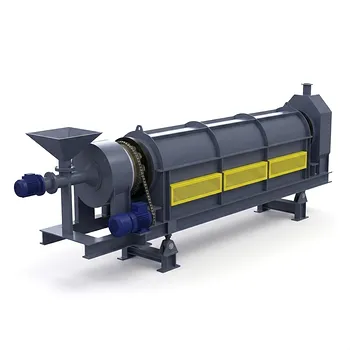
Electric Rotary Kiln Small Rotary Furnace for Activated Carbon Regeneration
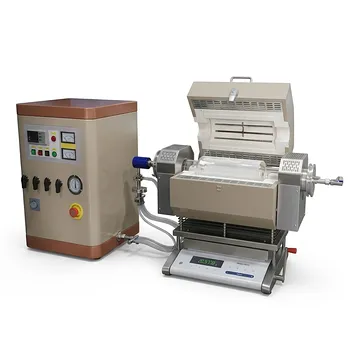
Mini Rotary Tubular Furnaces for Precision Powder Heat Treatment and Thermogravimetric Analysis
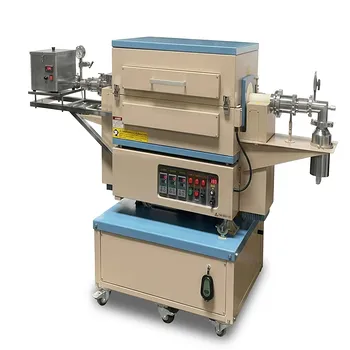
1500C 3-Zone Rotary Tube Furnace 60mm with Automatic Powder Feeding and Receiving System for Continuous Material Synthesis
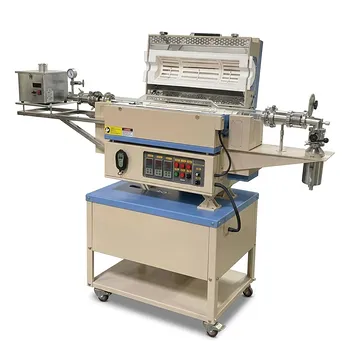
5 Inch Rotary Tube Furnace with Automatic Feeding and Receiving System 1200C Three Zone CVD Powder Processing
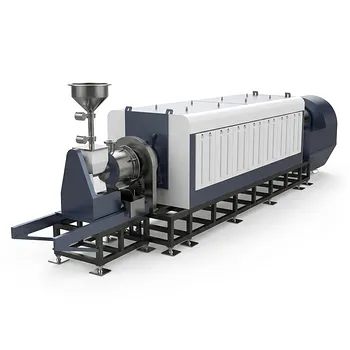
Electric Rotary Kiln Small Rotary Furnace Biomass Pyrolysis Plant
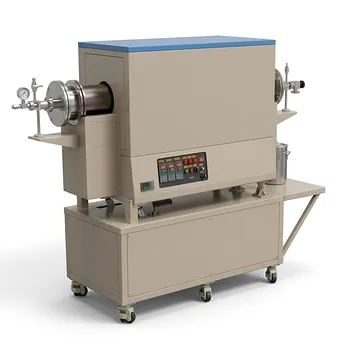
900°C Max Rotary Tube Furnace with 8 Inch 310S Alloy Tube and Optional Multi Zone Heating for Industrial Material Calcination
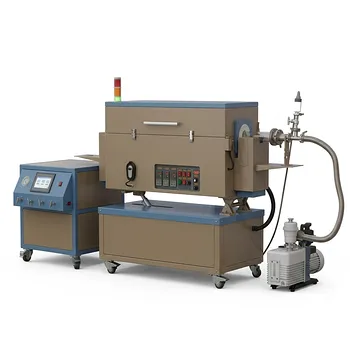
5 Inch Three Zone Rotary Tube Furnace with Integrated Gas Delivery System and 1200C Capability for Advanced Material CVD Processing
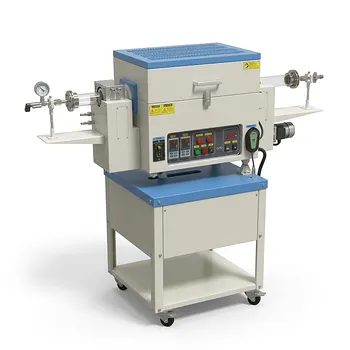
4 Inch Two Zone Rotary CVD Tube Furnace for High Temperature Battery Material Synthesis and Advanced Material Calcination
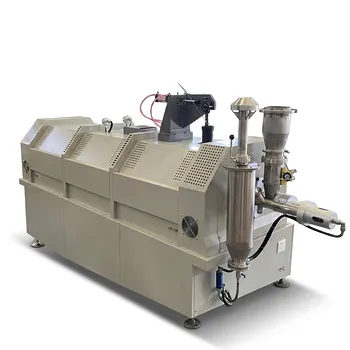
Electric Rotary Kiln Continuous Working Small Rotary Furnace Heating Pyrolysis Plant
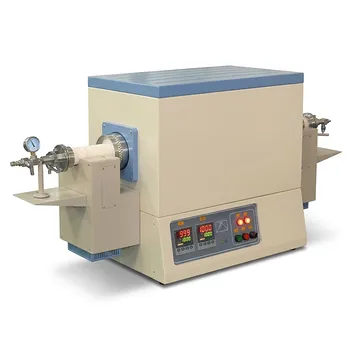
High Temperature 1700C Dual Zone Rotary Tube Furnace with 60mm Alumina Tube and Precision Rotation Control
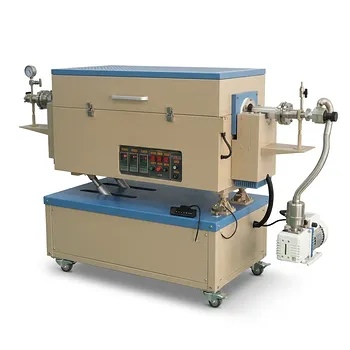
Three Zone Rotary Tube Furnace for High Temperature Powder Processing and Material Research
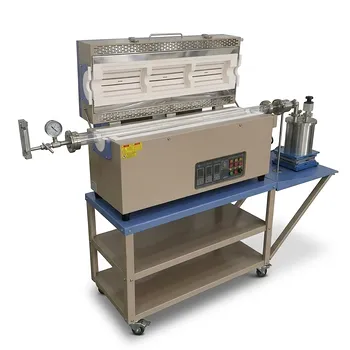
5 Inch Two Zone Rotary Tube Furnace 1100C for Powder CVD and Material Synthesis
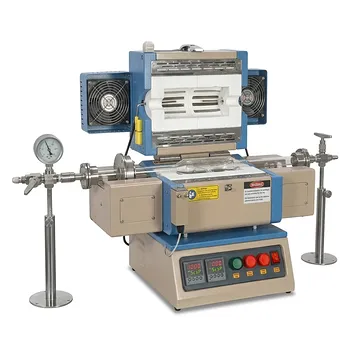
Dual Zone Rotary Tube Furnace for Uniform Powder Calcination 1000C 2 Inch Quartz Tube
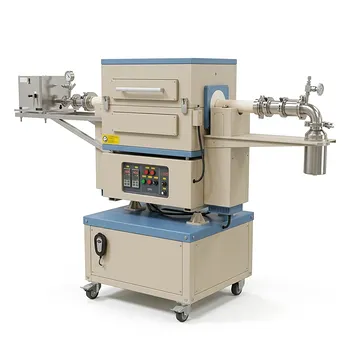
1500C Max Dual Zone Rotary Tube Furnace with 60 mm OD Alumina Tube for High Temperature Material Synthesis
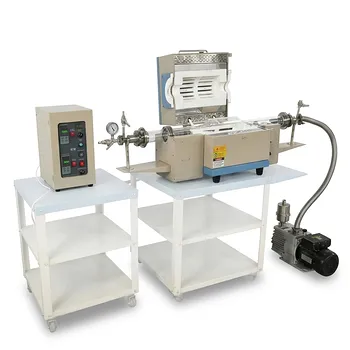
Two Zone Rotary Tube Furnace for Powder CVD Coating and Core Shell Material Synthesis 1100C
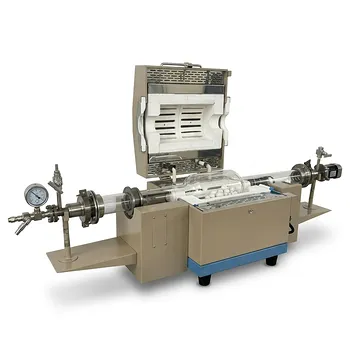
High Temperature Rotary Tube Furnace with Integrated Ball Milling and Gas Flow Function for Powder Nitriding
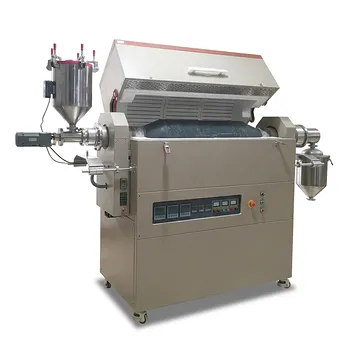
High Temperature Tilting Rotary Tubular Furnace for Continuous Powder Thermal Processing and Controlled Atmosphere Sintering
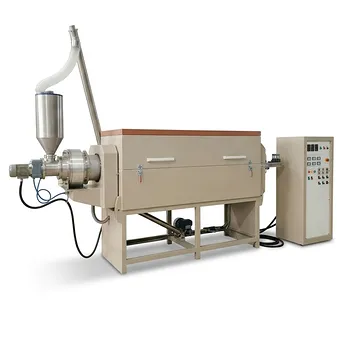
Continuous Feeding Rotary Tube Furnace for Industrial Powder Heat Treatment and Material Research
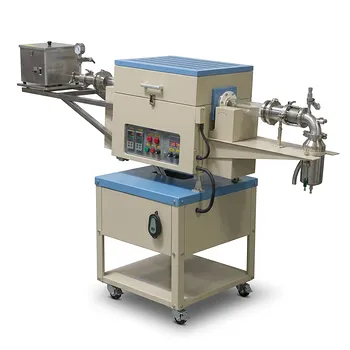
Two Zone Rotary CVD Furnace with Automatic Feeding and Receiving System for Powder Processing