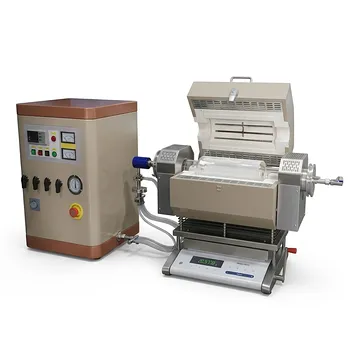
How does the use of an electric rotary kiln facilitate CO2 capture in cement and lime production? Achieve High-Purity CCUS
Updated 5 months ago
The primary advantage of using an electric rotary kiln is the elimination of combustion-related gas dilution. In traditional cement and lime production, the CO2 released from raw materials is mixed with nitrogen and combustion byproducts from burning fossil fuels. By using electricity for heat, the kiln generates a high-purity, concentrated CO2 stream that is significantly easier and cheaper to capture, utilize, or store.
Core Takeaway: Electric rotary kilns facilitate carbon capture by isolating the CO2 released during chemical decomposition from any external exhaust gases. This results in a nearly pure process-gas stream that bypasses the complex and energy-intensive separation phases required in conventional fuel-fired systems.
The Mechanics of Decoupling Heat and Reaction
Separating Process Emissions from Energy Emissions
In cement and lime production, CO2 is an inherent byproduct of calcination, where limestone (calcium carbonate) is heated to approximately 800–900°C to form lime. In an electric kiln, this "process CO2" is released in isolation because there is no flame or fuel-air mixture present in the reaction chamber.
The Problem with Traditional Combustion Dilution
Conventional kilns burn coal, gas, or biomass directly inside the kiln, which introduces a massive volume of nitrogen from the air and additional CO2 from the fuel. This creates a "diluted" flue gas where CO2 concentration is relatively low, making the Carbon Capture, Utilization, and Storage (CCUS) process complex and expensive.
Achieving High-Purity CO2 Output
Because the electric kiln uses resistive or plasma heating, the gas exiting the system consists almost entirely of the CO2 released from the limestone. This high-purity stream can often be compressed and transported for storage or industrial use with minimal post-processing or purification.
Efficiency Gains in Carbon Capture
Reduced Energy Requirements for Capture
Traditional carbon capture requires massive amounts of energy to "scrub" CO2 from a mixture of other gases using chemical solvents like amines. Electric kilns remove the need for these intensive separation stages, drastically reducing the total energy penalty associated with decarbonization.
Simplified Infrastructure for CCUS
Facilities utilizing electric kilns require smaller, less complex carbon capture hardware. This reduction in capital expenditure (CAPEX) makes CCUS adoption more financially viable for lime and cement producers who are under pressure to reach net-zero targets.
Elimination of Criteria Pollutants
Beyond CO2, electric kilns powered by renewable energy produce zero direct emissions of NOx, SOx, and particulates. This simplifies the gas cleaning process further, as there are no acidic combustion byproducts that could foul carbon capture equipment or require expensive filtration.
Understanding the Trade-offs and Challenges
High Electrical Infrastructure Requirements
Transitioning to electric rotary kilns requires a massive increase in a facility's electrical load. Most existing lime and cement plants do not have the grid connection capacity or the onsite substations required to support the megawatts of power needed for industrial-scale heating.
Reliance on Grid Decarbonization
The environmental benefit of an electric kiln is entirely dependent on the source of the electricity. If the power comes from a coal-heavy grid, the indirect emissions (Scope 2) could potentially outweigh the savings gained from onsite carbon capture, making a green power purchase agreement (PPA) essential.
Material Handling and Sintering Temps
Electric kilns must still reach clinkering temperatures of approximately 1450°C for cement production. Maintaining these extreme temperatures consistently across a rotating drum using electric heat elements presents mechanical and thermal challenges that differ from traditional flame-based heating.
Strategic Path Toward Decarbonization
The shift to electric rotary kilns is a fundamental change in how heavy industry approaches environmental compliance and process efficiency.
- If your primary focus is meeting strict CO2 regulations (like EU CBAM): Prioritize electrification to isolate process emissions, which provides the most transparent and verifiable path to near-zero carbon production.
- If your primary focus is minimizing operational complexity: Invest in electric kiln technology to bypass the need for expensive chemical gas-scrubbing systems, as the high-purity CO2 stream simplifies the entire CCUS chain.
- If your primary focus is reducing local air pollution: Use electric heating to eliminate NOx and SOx emissions entirely, simplifying your plant's air quality permitting and community relations.
By isolating the chemical reaction from the heat source, the electric rotary kiln transforms CO2 from a difficult-to-manage pollutant into a concentrated, manageable industrial byproduct.
Summary Table:
| Feature | Traditional Fuel-Fired Kiln | Electric Rotary Kiln |
|---|---|---|
| CO2 Concentration | Low (diluted by nitrogen/combustion) | High (nearly pure process gas) |
| Capture Complexity | High (requires intensive scrubbing) | Low (direct compression/storage) |
| Energy Penalty | High (energy needed to separate gases) | Minimal (no dilution to overcome) |
| Direct Emissions | CO2, NOx, SOx, and Particulates | Zero (when using green power) |
| CCUS Cost (CAPEX) | Expensive (complex purification hardware) | Reduced (simplified infrastructure) |
Scale Your R&D with THERMUNITS Precision Thermal Solutions
As a leading manufacturer of high-temperature laboratory equipment, THERMUNITS provides the advanced technology required for material science and industrial R&D. Our high-performance Electric Rotary Kilns are engineered to help you achieve the gas purity and thermal uniformity necessary for cutting-edge carbon capture and decarbonization research.
From Muffle, Vacuum, and Tube furnaces to specialized CVD/PECVD systems and Vacuum Induction Melting (VIM) furnaces, we offer a comprehensive range of solutions tailored to your specific heat treatment needs.
Ready to enhance your lab’s efficiency and sustainability?
Contact our expert team today to find the perfect thermal processing solution for your project!
Mentioned Products
- Electric Rotary Kiln Continuous Working Small Rotary Furnace Heating Pyrolysis Plant
- Electric Rotary Kiln Small Rotary Furnace Biomass Pyrolysis Plant
- Electric Rotary Kiln Small Rotary Furnace for Activated Carbon Regeneration
- 900°C Max Rotary Tube Furnace with 8 Inch 310S Alloy Tube and Optional Multi Zone Heating for Industrial Material Calcination
- High Temperature Tilting Rotary Tube Furnace with Integrated Mass Flow Control and Multi Zone Heating
People Also Ask
- How does the electric rotary kiln support environmental compliance and sustainability? Achieve Zero-Emission Production
- What are the maintenance and service life advantages of an electric rotary kiln? 25+ Year Longevity & Low Maintenance
- What thermal efficiency can be expected from an electric rotary kiln compared to fuel-fired alternatives? Gain 95% efficiency.
- Which minerals and specialty chemicals are commonly processed using electric rotary kilns? Precision Thermal Processing Guide
- What are the primary components and heating mechanisms of an electric rotary kiln? Optimize High-Purity Heat Treatment

Tech Team · ThermUnits
Last updated on Apr 14, 2026
Related Products
Electric Rotary Kiln Continuous Working Small Rotary Furnace Heating Pyrolysis Plant
Electric Rotary Kiln Small Rotary Furnace Biomass Pyrolysis Plant
Electric Rotary Kiln Small Rotary Furnace for Activated Carbon Regeneration
900°C Max Rotary Tube Furnace with 8 Inch 310S Alloy Tube and Optional Multi Zone Heating for Industrial Material Calcination
High Temperature Tilting Rotary Tube Furnace with Integrated Mass Flow Control and Multi Zone Heating
Three Zone Rotary Tube Furnace for High Temperature Powder Processing and Material Research

Vertical 1700C Vacuum and Atmosphere Tube Furnace with 80mm Alumina Tube
Continuous Feeding Rotary Tube Furnace for Industrial Powder Heat Treatment and Material Research
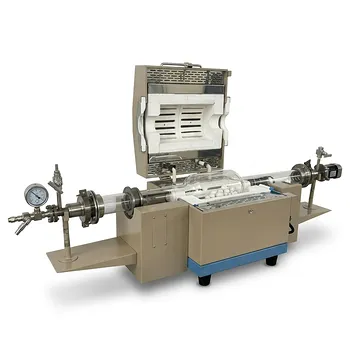
High Temperature Rotary Tube Furnace with Integrated Ball Milling and Gas Flow Function for Powder Nitriding
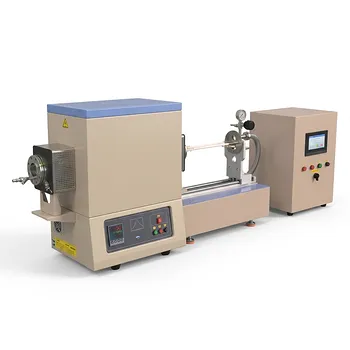
High Temperature Horizontal Electrical Assisted Sintering Furnace with 3KW Programmable Power Source for Advanced Ceramic Materials
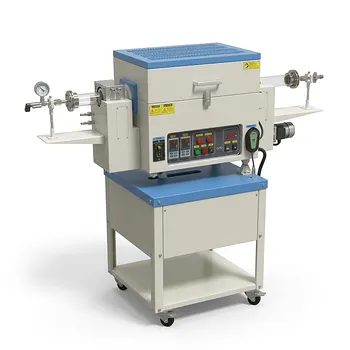
4 Inch Two Zone Rotary CVD Tube Furnace for High Temperature Battery Material Synthesis and Advanced Material Calcination
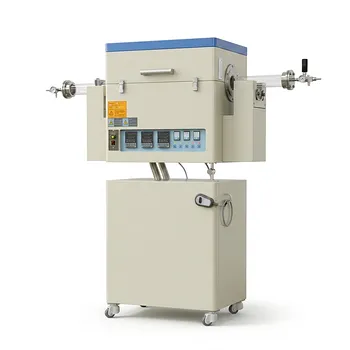
Three Temperature Zone Rotating Tube Furnace for Material Sintering and Controlled Atmospheric Heat Treatment
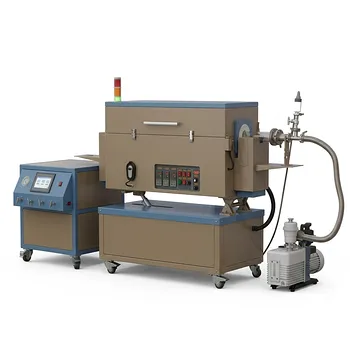
5 Inch Three Zone Rotary Tube Furnace with Integrated Gas Delivery System and 1200C Capability for Advanced Material CVD Processing
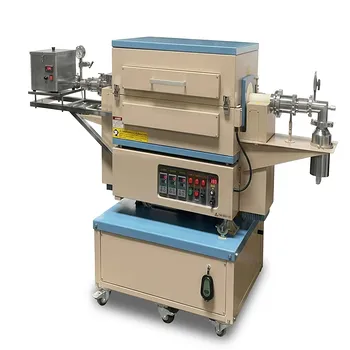
1500C 3-Zone Rotary Tube Furnace 60mm with Automatic Powder Feeding and Receiving System for Continuous Material Synthesis
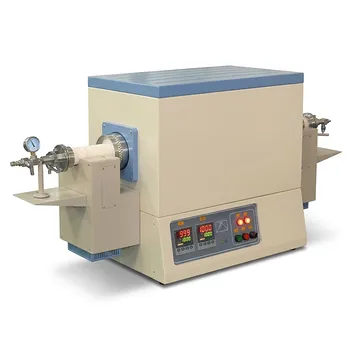
High Temperature 1700C Dual Zone Rotary Tube Furnace with 60mm Alumina Tube and Precision Rotation Control
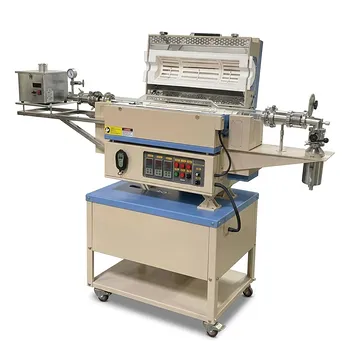
5 Inch Rotary Tube Furnace with Automatic Feeding and Receiving System 1200C Three Zone CVD Powder Processing
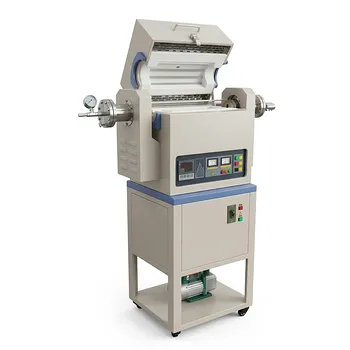
High Temperature Rotary Tilt Tubular Furnaces for Advanced Powder Sintering and Material Processing
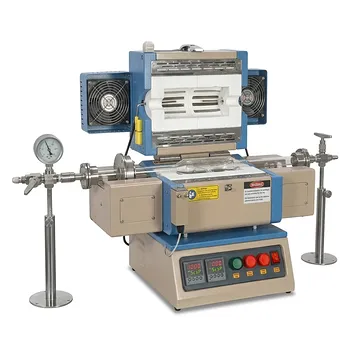
Dual Zone Rotary Tube Furnace for Uniform Powder Calcination 1000C 2 Inch Quartz Tube
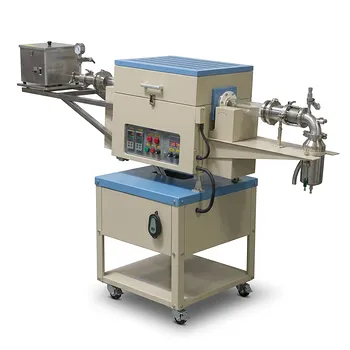
Two Zone Rotary CVD Furnace with Automatic Feeding and Receiving System for Powder Processing