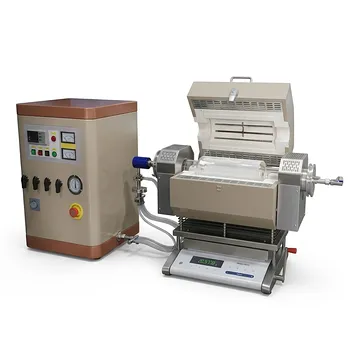
What are the maintenance and service life advantages of an electric rotary kiln? 25+ Year Longevity & Low Maintenance
Updated 5 months ago
Electric rotary kilns offer a service life exceeding 25 years while requiring significantly less maintenance than traditional fuel-fired alternatives. By eliminating complex combustion systems and the corrosive side effects of fuel residues, these kilns provide a more stable and predictable operational environment. This fundamental shift in design simplifies off-gas treatment and reduces physical wear on the kiln infrastructure.
Core Takeaway: Electric rotary kilns provide a simplified heating architecture that removes the primary causes of kiln degradation—combustion byproducts and burner-related stresses—resulting in a quarter-century service life and dramatically lower operational maintenance.
Simplicity as a Driver for Longevity
Elimination of Combustion Infrastructure
The most significant maintenance advantage is the removal of burners, fuel delivery systems, and complex combustion monitoring. Without these components, the number of moving parts and high-wear items is drastically reduced, lowering the frequency of required inspections.
Reduced Chemical and Mechanical Wear
Because electric kilns do not produce smoke, ash, or combustion residues, the interior of the kiln is spared from the corrosive effects often found in gas or oil-fired systems. This lack of residue minimizes the "fouling" of the kiln and significantly simplifies the off-gas treatment process.
Robust Construction Standards
Electric rotary kilns are characterized by a simple and robust construction designed for continuous operation. This structural integrity, combined with the lack of thermal shock common in combustion environments, allows these units to maintain a service life of over 25 years.
The Role of Heating Uniformity in Maintenance
Mitigation of Localized Overheating
A rotary kiln uses continuous rotation to keep materials tumbling, ensuring superior heating uniformity. This dynamic movement prevents local overheating or uneven sintering, which protects the kiln's internal lining from the thermal stress caused by "hot spots."
Precision Temperature Control
Electric kilns offer precise zonal temperature control, typically within ±3 to 5 °C. This precision ensures that the kiln operates strictly within its designed thermal parameters, preventing accidental over-temperature events that can degrade mechanical components.
High Thermal Efficiency
With thermal efficiencies ranging from 75% to 95%, electric kilns lose very little heat compared to fuel-fired systems (45-65%). This efficiency means less "wasted" heat is radiating into the surrounding structure, reducing the thermal load and expansion stress on support bearings and drive systems.
Understanding the Trade-offs
Heating Element Replacement
While the kiln structure lasts decades, the electric heating elements are consumable parts that will eventually require replacement. While easier to swap than a complex burner assembly, their lifespan depends heavily on operating temperatures and the atmosphere within the kiln.
Electrical Component Sensitivity
The maintenance focus shifts from mechanical fuel systems to power electronics and control systems. While these require less frequent "greasing" than mechanical parts, they require a clean, climate-controlled environment for the control cabinets to prevent electronic failure.
Power Grid Dependency
An electric kiln’s reliability is tethered to the stability of the electrical grid. Unlike fuel-fired kilns that might use on-site storage tanks, an electric kiln requires a robust utility connection, and power fluctuations can occasionally stress sensitive electronic controllers.
Applying This Technology to Your Facility
How to Choose Your Maintenance Strategy
To maximize the advantages of an electric rotary kiln, consider your primary operational goals and how they align with the strengths of electric heating.
- If your primary focus is Maximum Uptime: Prioritize electric kilns to eliminate the frequent cleaning and calibration schedules required by burner-based combustion systems.
- If your primary focus is Long-Term Asset ROI: Leverage the 25-year service life of electric models to lower your total cost of ownership compared to shorter-lived fuel-fired units.
- If your primary focus is Product Consistency: Utilize the precise ±3-5 °C temperature control to ensure uniform dehydration or calcination while reducing the risk of batch-ruining hot spots.
By migrating to electric rotary technology, industrial operators trade the volatility and high-maintenance requirements of combustion for a streamlined, high-precision system designed for decades of reliable service.
Summary Table:
| Feature | Advantage | Maintenance Impact |
|---|---|---|
| No Combustion | No burners or fuel residue | Fewer moving parts & no corrosive fouling |
| Precise Control | ±3-5 °C zonal accuracy | Prevents hot spots & lining degradation |
| 75-95% Efficiency | Lower heat radiation | Reduced thermal stress on bearings & drives |
| Robust Build | Over 25 years of service | High long-term ROI & minimal structural repairs |
Elevate Your R&D with THERMUNITS
As a leading manufacturer of high-temperature laboratory equipment, THERMUNITS specializes in providing robust thermal processing solutions for material science and industrial R&D. We offer a comprehensive range of equipment, including:
- Electric Rotary Kilns for consistent, long-life production.
- Muffle, Vacuum, Atmosphere, Tube, and Hot Press Furnaces.
- CVD/PECVD Systems and Dental Furnaces.
- Vacuum Induction Melting (VIM) and high-quality Thermal Elements.
Our electric rotary technology eliminates the volatility of combustion, ensuring your facility benefits from maximum uptime and superior precision. Contact our experts today to find the perfect heat treatment solution tailored to your production needs!
Mentioned Products
- Electric Rotary Kiln Continuous Working Small Rotary Furnace Heating Pyrolysis Plant
- Electric Rotary Kiln Small Rotary Furnace Biomass Pyrolysis Plant
- Electric Rotary Kiln Small Rotary Furnace for Activated Carbon Regeneration
- 900°C Max Rotary Tube Furnace with 8 Inch 310S Alloy Tube and Optional Multi Zone Heating for Industrial Material Calcination
- High Temperature Tilting Rotary Tube Furnace with Integrated Mass Flow Control and Multi Zone Heating
People Also Ask
- How does the electric rotary kiln support environmental compliance and sustainability? Achieve Zero-Emission Production
- What thermal efficiency can be expected from an electric rotary kiln compared to fuel-fired alternatives? Gain 95% efficiency.
- How does the use of an electric rotary kiln facilitate CO2 capture in cement and lime production? Achieve High-Purity CCUS
- Which minerals and specialty chemicals are commonly processed using electric rotary kilns? Precision Thermal Processing Guide
- What are the primary components and heating mechanisms of an electric rotary kiln? Optimize High-Purity Heat Treatment

Tech Team · ThermUnits
Last updated on Apr 14, 2026
Related Products
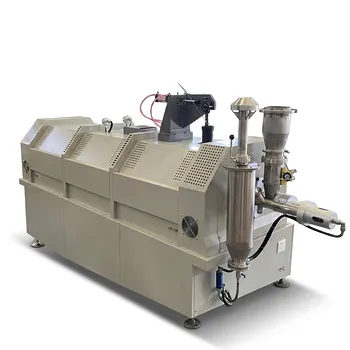
Electric Rotary Kiln Continuous Working Small Rotary Furnace Heating Pyrolysis Plant
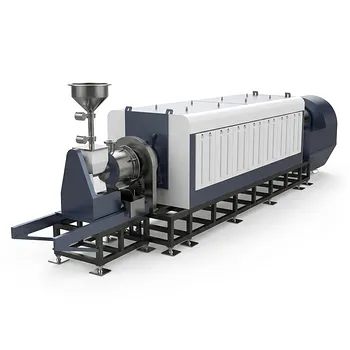
Electric Rotary Kiln Small Rotary Furnace Biomass Pyrolysis Plant
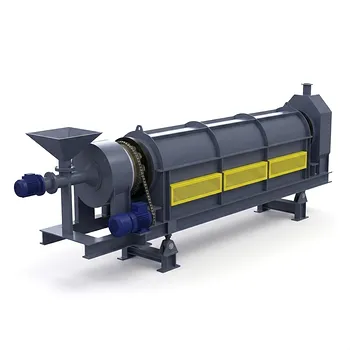
Electric Rotary Kiln Small Rotary Furnace for Activated Carbon Regeneration
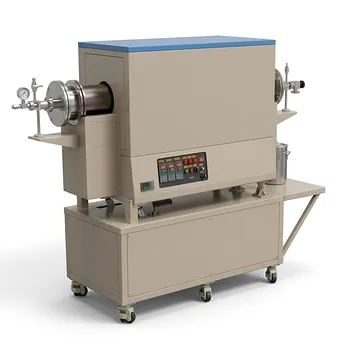
900°C Max Rotary Tube Furnace with 8 Inch 310S Alloy Tube and Optional Multi Zone Heating for Industrial Material Calcination
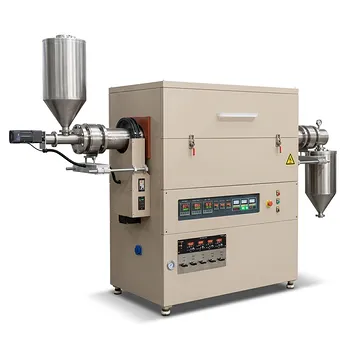
High Temperature Tilting Rotary Tube Furnace with Integrated Mass Flow Control and Multi Zone Heating
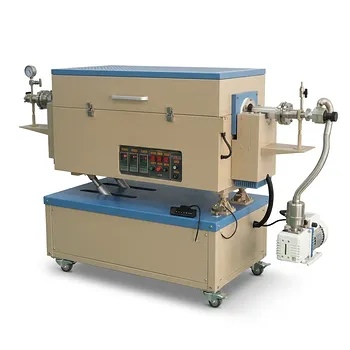
Three Zone Rotary Tube Furnace for High Temperature Powder Processing and Material Research

Vertical 1700C Vacuum and Atmosphere Tube Furnace with 80mm Alumina Tube
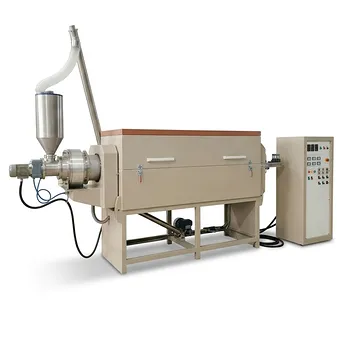
Continuous Feeding Rotary Tube Furnace for Industrial Powder Heat Treatment and Material Research
High Temperature Rotary Tube Furnace with Integrated Ball Milling and Gas Flow Function for Powder Nitriding
High Temperature Horizontal Electrical Assisted Sintering Furnace with 3KW Programmable Power Source for Advanced Ceramic Materials
4 Inch Two Zone Rotary CVD Tube Furnace for High Temperature Battery Material Synthesis and Advanced Material Calcination
Three Temperature Zone Rotating Tube Furnace for Material Sintering and Controlled Atmospheric Heat Treatment
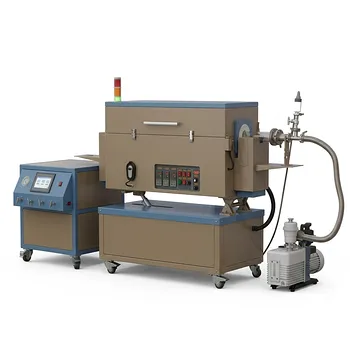
5 Inch Three Zone Rotary Tube Furnace with Integrated Gas Delivery System and 1200C Capability for Advanced Material CVD Processing
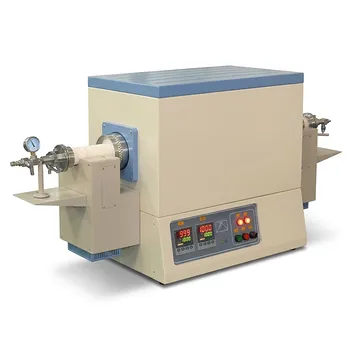
High Temperature 1700C Dual Zone Rotary Tube Furnace with 60mm Alumina Tube and Precision Rotation Control
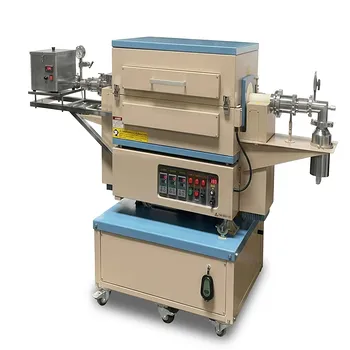
1500C 3-Zone Rotary Tube Furnace 60mm with Automatic Powder Feeding and Receiving System for Continuous Material Synthesis
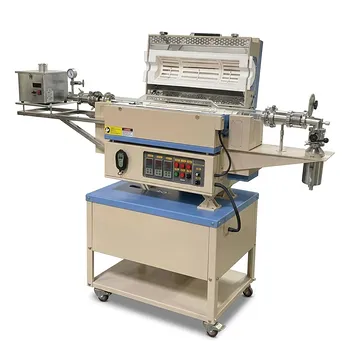
5 Inch Rotary Tube Furnace with Automatic Feeding and Receiving System 1200C Three Zone CVD Powder Processing
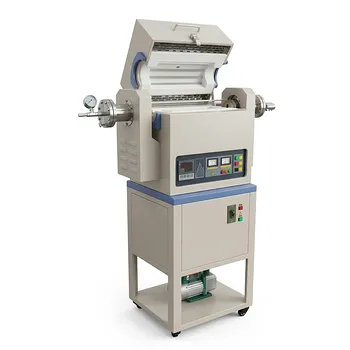
High Temperature Rotary Tilt Tubular Furnaces for Advanced Powder Sintering and Material Processing
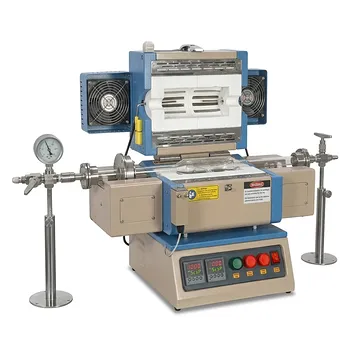
Dual Zone Rotary Tube Furnace for Uniform Powder Calcination 1000C 2 Inch Quartz Tube
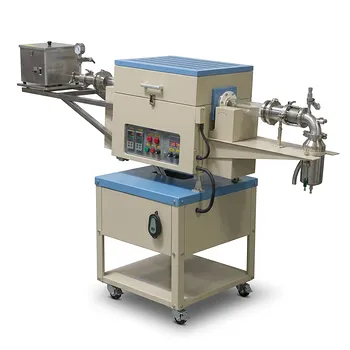
Two Zone Rotary CVD Furnace with Automatic Feeding and Receiving System for Powder Processing