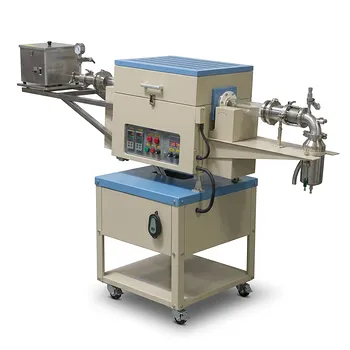
What are the primary components and heating mechanisms of an electric rotary kiln? Optimize High-Purity Heat Treatment
Updated 5 months ago
Electric rotary kilns provide a high-precision alternative to traditional combustion-based systems by decoupling the heat source from the process environment. These systems are comprised of an inclined, rotating cylindrical steel shell lined with refractory material and supported by a precision drive system. Unlike conventional kilns, they utilize electrical resistance elements or induction coils to deliver heat through radiation and conduction, ensuring uniform thermal processing without exposure to combustion byproducts.
The electric rotary kiln is a sophisticated thermal processor that replaces internal flame combustion with zoned electrical heating, allowing for unmatched atmospheric control and temperature precision. By leveraging indirect heat transfer and a mechanical rolling regime, it ensures consistent material transformation for high-purity applications.
The Structural Framework of the Kiln
The Rotating Cylindrical Shell and Refractory
The heart of the system is a slightly inclined cylindrical steel shell that rotates slowly to migrate material from the feed end to the discharge end. This shell is typically lined with refractory materials to protect the steel from high temperatures and to retain thermal energy.
Mechanical Support and Drive Systems
The shell is supported by 2 to 8 steel tyres (riding rings) that rest on machined rollers, allowing for smooth rotation. Power is delivered by a variable-speed electric motor connected to a girth gear, which typically rotates the kiln at speeds between 0.5 and 5 rpm.
The Critical Role of the Auxiliary Drive
To prevent the shell from warping under its own weight during power outages, an auxiliary drive with backup power is included. This ensures continuous slow rotation until the system cools, protecting the mechanical integrity of the kiln.
Advanced Heating and Heat Transfer Mechanisms
The Transition from Combustion to Electricity
Unlike fuel-fired kilns that rely on gas or coal, electric kilns use resistance heating elements, such as metallic alloys or silicon carbide, or induction coils. This design eliminates process gas volume and prevents the material from being contaminated by combustion gases.
Internal Energy Dynamics: Radiation and Conduction
Heat is transferred to the material primarily through radiation from the heated shell and conduction at the interface where the material touches the shell. These mechanisms are more stable and easier to model than the complex convection patterns found in traditional kilns.
The Material 'Rolling' Regime
As the kiln rotates, the material bed undergoes a continuous tumbling and surface renewal. This mechanical action ensures that every particle is repeatedly exposed to the heated surfaces, minimizing temperature gradients and ensuring a uniform final product.
Precision Control and Atmosphere Management
Multi-Zone Temperature Regulation
Electric kilns utilize independent thermal zones along their length, including preheating, reaction, and soaking zones. These are regulated using SCRs (Silicon Controlled Rectifiers) and PID controllers to maintain a precise thermal profile.
Creating Customizable Process Environments
Because there is no internal flame, the atmosphere inside the kiln can be strictly controlled. Operators can maintain inert, reducing, or oxidizing environments by introducing specific purge gases, which is essential for specialized chemical reactions.
Monitoring and Integrity Systems
Real-time monitoring is conducted via thermocouples and infrared scanners. These sensors track both the internal process temperature and the external shell temperature to prevent refractory failure and ensure consistent throughput.
Understanding the Trade-offs
Temperature and Material Limitations
While specialized induction designs can reach higher temperatures, standard configurations are often limited to 1050 to 1200 °C. The heating elements themselves are subject to wear and must be selected based on the specific chemical environment of the kiln.
Energy Density and Cost
Electricity is often a more expensive energy source than fossil fuels per unit of heat. However, the high thermal efficiency and reduced need for large-scale exhaust treatment systems can offset these operational costs in high-value material processing.
Operational Complexity
The reliance on electrical components and sophisticated controllers requires a higher level of technical expertise for maintenance. The failure of a single heating zone or a controller can disrupt the entire temperature profile, requiring robust redundancy in the system design.
How to Apply This to Your Project
If your primary focus is high-purity material production: Choose an electric rotary kiln to isolate the process from combustion contaminants and maintain a strict inert atmosphere.
If your primary focus is precise thermal profiling: Implement a multi-zone electric system with PID control to ensure specific temperature setpoints are maintained throughout the material's residence time.
If your primary focus is mechanical longevity: Prioritize a robust auxiliary drive system and high-quality refractory lining to prevent shell warping and heat loss.
By aligning these technical components with your specific processing goals, you can achieve a level of consistency and purity that traditional thermal methods cannot match.
Summary Table:
| Feature/Component | Mechanism/Detail | Key Advantage for R&D |
|---|---|---|
| Heating Method | Electrical resistance or induction | Zero combustion byproducts; ultra-high purity |
| Control System | Multi-zone SCR & PID controllers | Precise thermal profiling and repeatability |
| Material Bed | Rolling/Tumbling motion | Uniform heat distribution and surface renewal |
| Shell & Drive | Inclined shell with auxiliary drive | Prevents shell warping; ensures continuous flow |
| Atmosphere | Gas-tight seals & purge systems | Supports inert, reducing, or oxidizing environments |
Elevate Your Material Research with THERMUNITS Precision Solutions
Achieving consistent, high-purity results requires more than just heat; it requires precision engineering. THERMUNITS is a leading manufacturer of high-temperature laboratory equipment specifically designed for material science and industrial R&D.
Whether you need an advanced Electric Rotary Kiln for continuous processing or specialized Muffle, Vacuum, Tube, or Hot Press furnaces, we provide the thermal expertise to drive your innovation forward. Our portfolio also includes CVD/PECVD systems, Dental Furnaces, and Vacuum Induction Melting (VIM) furnaces tailored to your exact specifications.
Ready to optimize your thermal processing? Contact our technical team today to discuss how our custom heating solutions can enhance your laboratory's efficiency and product quality.
Mentioned Products
- Electric Rotary Kiln Continuous Working Small Rotary Furnace Heating Pyrolysis Plant
- Electric Rotary Kiln Small Rotary Furnace Biomass Pyrolysis Plant
- Electric Rotary Kiln Small Rotary Furnace for Activated Carbon Regeneration
- 900°C Max Rotary Tube Furnace with 8 Inch 310S Alloy Tube and Optional Multi Zone Heating for Industrial Material Calcination
- High Temperature Tilting Rotary Tube Furnace with Integrated Mass Flow Control and Multi Zone Heating
People Also Ask
- How does the electric rotary kiln support environmental compliance and sustainability? Achieve Zero-Emission Production
- What are the maintenance and service life advantages of an electric rotary kiln? 25+ Year Longevity & Low Maintenance
- What thermal efficiency can be expected from an electric rotary kiln compared to fuel-fired alternatives? Gain 95% efficiency.
- How does the use of an electric rotary kiln facilitate CO2 capture in cement and lime production? Achieve High-Purity CCUS
- Which minerals and specialty chemicals are commonly processed using electric rotary kilns? Precision Thermal Processing Guide

Tech Team · ThermUnits
Last updated on Apr 14, 2026
Related Products
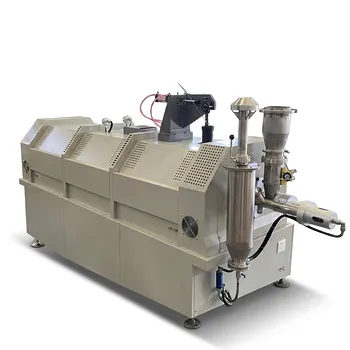
Electric Rotary Kiln Continuous Working Small Rotary Furnace Heating Pyrolysis Plant
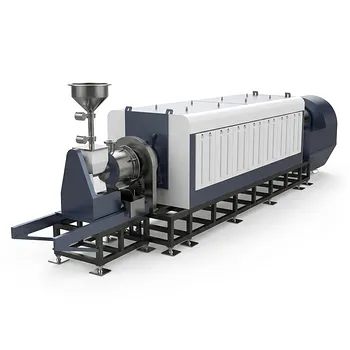
Electric Rotary Kiln Small Rotary Furnace Biomass Pyrolysis Plant
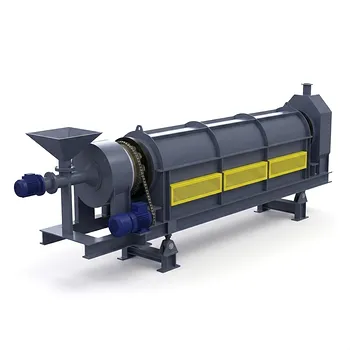
Electric Rotary Kiln Small Rotary Furnace for Activated Carbon Regeneration
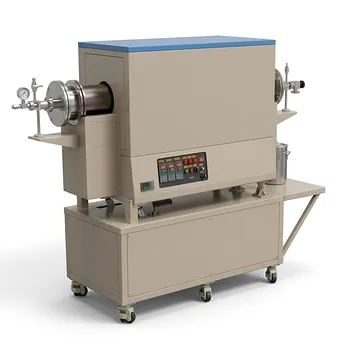
900°C Max Rotary Tube Furnace with 8 Inch 310S Alloy Tube and Optional Multi Zone Heating for Industrial Material Calcination
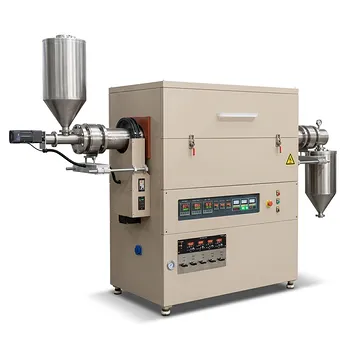
High Temperature Tilting Rotary Tube Furnace with Integrated Mass Flow Control and Multi Zone Heating
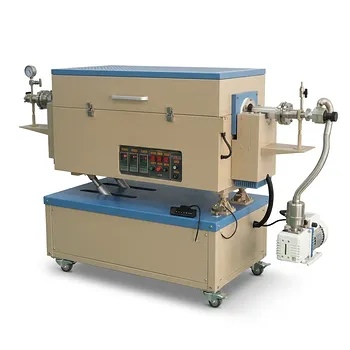
Three Zone Rotary Tube Furnace for High Temperature Powder Processing and Material Research

Vertical 1700C Vacuum and Atmosphere Tube Furnace with 80mm Alumina Tube
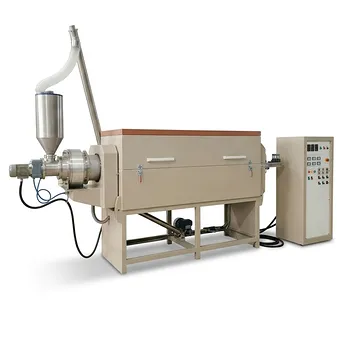
Continuous Feeding Rotary Tube Furnace for Industrial Powder Heat Treatment and Material Research
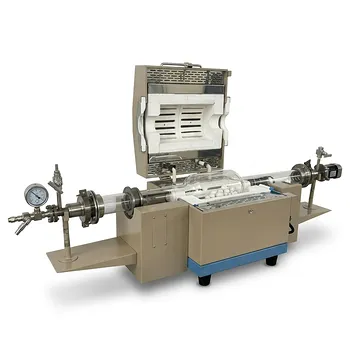
High Temperature Rotary Tube Furnace with Integrated Ball Milling and Gas Flow Function for Powder Nitriding
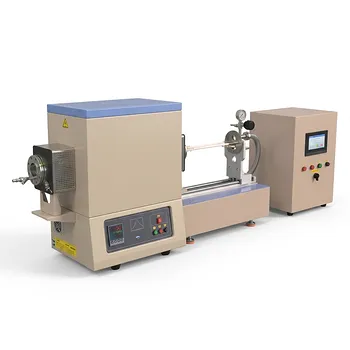
High Temperature Horizontal Electrical Assisted Sintering Furnace with 3KW Programmable Power Source for Advanced Ceramic Materials
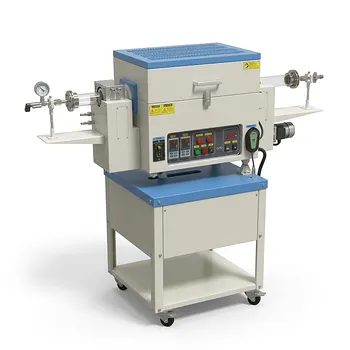
4 Inch Two Zone Rotary CVD Tube Furnace for High Temperature Battery Material Synthesis and Advanced Material Calcination
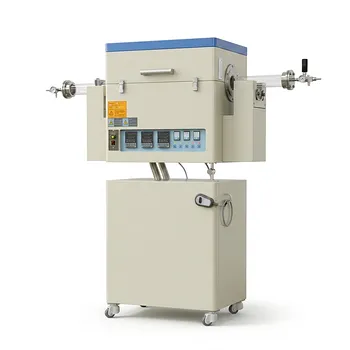
Three Temperature Zone Rotating Tube Furnace for Material Sintering and Controlled Atmospheric Heat Treatment
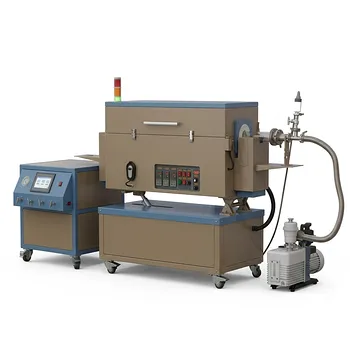
5 Inch Three Zone Rotary Tube Furnace with Integrated Gas Delivery System and 1200C Capability for Advanced Material CVD Processing
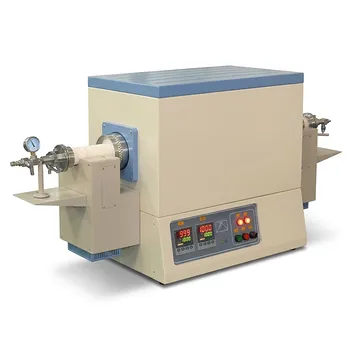
High Temperature 1700C Dual Zone Rotary Tube Furnace with 60mm Alumina Tube and Precision Rotation Control
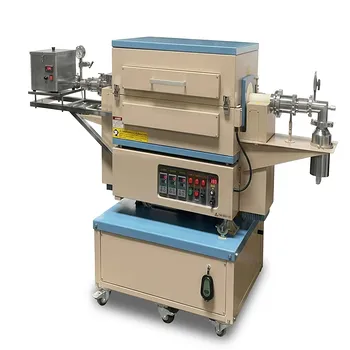
1500C 3-Zone Rotary Tube Furnace 60mm with Automatic Powder Feeding and Receiving System for Continuous Material Synthesis
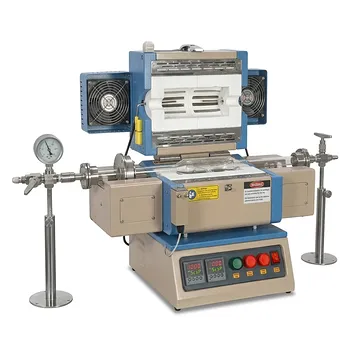
Dual Zone Rotary Tube Furnace for Uniform Powder Calcination 1000C 2 Inch Quartz Tube
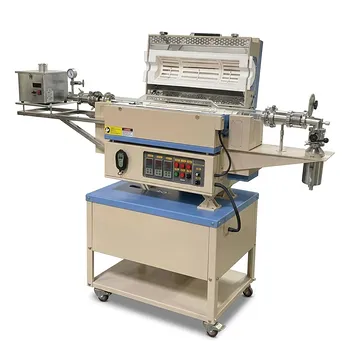
5 Inch Rotary Tube Furnace with Automatic Feeding and Receiving System 1200C Three Zone CVD Powder Processing
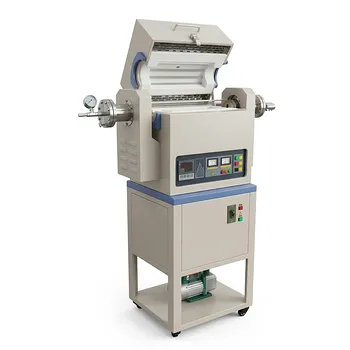
High Temperature Rotary Tilt Tubular Furnaces for Advanced Powder Sintering and Material Processing
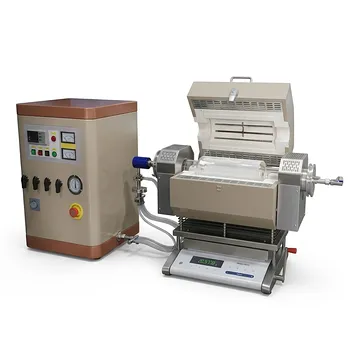
Mini Rotary Tubular Furnaces for Precision Powder Heat Treatment and Thermogravimetric Analysis