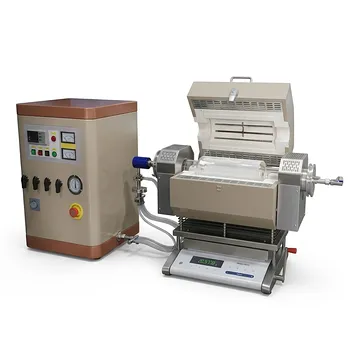
What thermal efficiency can be expected from an electric rotary kiln compared to fuel-fired alternatives? Gain 95% efficiency.
Updated 5 months ago
Electric rotary kilns provide a significant leap in thermal performance over combustion-based systems. While traditional fuel-fired kilns typically operate at efficiencies between 45% and 65%, electric rotary kilns achieve a much higher range of 75% to 95%. This efficiency gain is primarily driven by the elimination of heat loss through combustion exhaust and the use of precise zonal temperature management.
The core advantage of electric rotary kilns lies in their ability to convert nearly all input energy into process heat. By removing the combustion process entirely, these systems eliminate the "stack losses" common in fuel-fired alternatives while providing superior temperature stability.
The Mechanics of Superior Efficiency
Elimination of Combustion Exhaust
In fuel-fired kilns, a substantial portion of energy is lost as hot gases escape through the exhaust stack. Because electric kilns do not rely on internal combustion, they do not produce these high-volume waste gases. This allows the system to retain a much higher percentage of the energy consumed.
Indirect Resistance Heating
Heat is generated via external resistance elements, typically made from metallic alloys or silicon carbide. This energy is transferred through the kiln shell wall primarily via radiation and conduction. This direct transfer method ensures that energy is focused on the material bed rather than being diluted by large volumes of process air.
Precise Zonal Temperature Control
Electric systems allow for granular control across different sections of the kiln, maintaining temperatures within a tight ±3 to 5 °C margin. This precision prevents energy waste caused by "overshooting" target temperatures. It also ensures that the material receives exactly the thermal energy required for the specific residence time, which is typically between 1 and 3 hours.
Process Advantages Beyond Energy Use
Customizable Process Atmospheres
Because the processed material is isolated from combustion byproducts like smoke and ash, operators can maintain highly specific environments. This includes inert, reducing, or oxidizing atmospheres. This level of purity is essential for specialized materials that would otherwise be contaminated by gas or coal byproducts.
Reduced Maintenance Requirements
The absence of burners, fuel delivery systems, and complex combustion monitoring simplifies the kiln's design. This leads to a robust construction with a service life often exceeding 25 years. Lower mechanical complexity results in fewer forced outages and reduced long-term operational costs.
Operational Stability
Electric kilns support continuous operation with rotation speeds ranging from 0.5 to 5 rpm. This steady mechanical movement, combined with electronic heat control, creates a highly predictable thermal profile. This stability is difficult to replicate in fuel-fired systems where flame geometry and fuel quality can fluctuate.
Understanding the Trade-offs
Utility Cost Considerations
While electric kilns are thermally superior, the cost per unit of energy for electricity is often higher than that of natural gas or coal. The decision to switch often depends on the local cost of power versus the value of the increased yield and material purity.
Maximum Temperature Thresholds
Standard electric rotary kilns generally operate up to 1050 to 1200 °C. While specialized induction designs can reach higher levels, traditional fuel-fired kilns may still be necessary for industrial processes requiring extreme temperatures beyond this range.
Capital Investment
The initial capital expenditure for high-efficiency electric elements and advanced control systems can be higher than basic fuel-fired setups. However, this is often offset by the simplified off-gas treatment requirements, as there is no need to scrub combustion pollutants from the exhaust stream.
Aligning Technology with Your Operational Goals
Choosing the right kiln depends on balancing your efficiency requirements with your specific material needs and utility landscape.
- If your primary focus is maximum thermal efficiency: Choose electric kilns to reach the 75% to 95% efficiency bracket by eliminating stack-related heat losses.
- If your primary focus is material purity and atmosphere control: Opt for electric heating to isolate the product from combustion byproducts and maintain precise chemical environments.
- If your primary focus is long-term reliability and low maintenance: Select electric systems to eliminate the mechanical complexity and wear associated with burners and fuel delivery.
The transition to electric rotary kilns represents a shift from raw thermal power to precise, high-efficiency material processing.
Summary Table:
| Feature | Electric Rotary Kiln | Fuel-Fired Kiln |
|---|---|---|
| Thermal Efficiency | 75% - 95% | 45% - 65% |
| Heat Loss | Minimal (No exhaust stack) | High (Stack/exhaust gases) |
| Temp. Control | Precise (±3 to 5 °C) | Lower (Flame fluctuations) |
| Material Purity | High (No combustion byproducts) | Risk of ash/gas contamination |
| Maintenance | Low (Simple design) | High (Burners/fuel systems) |
| Service Life | 25+ Years | Shorter due to complexity |
Elevate Your Research with THERMUNITS Thermal Solutions
As a leading manufacturer of high-temperature laboratory equipment for material science and industrial R&D, THERMUNITS provides the precision and efficiency your projects demand. Our advanced Electric Rotary Kilns deliver up to 95% thermal efficiency, ensuring superior performance for your high-value materials.
Our comprehensive range of thermal processing solutions includes:
- Muffle, Vacuum, and Atmosphere Furnaces
- Tube, Rotary, and Hot Press Furnaces
- CVD/PECVD Systems & Dental Furnaces
- Vacuum Induction Melting Furnaces (VIM)
- Thermal Elements and Lab Heat Treatment Equipment
Ready to optimize your heat treatment process? Contact us today to discuss your specific requirements. Let THERMUNITS help you achieve unprecedented material purity and operational stability with our industry-leading technology.
Mentioned Products
- Electric Rotary Kiln Continuous Working Small Rotary Furnace Heating Pyrolysis Plant
- Electric Rotary Kiln Small Rotary Furnace Biomass Pyrolysis Plant
- Electric Rotary Kiln Small Rotary Furnace for Activated Carbon Regeneration
- 900°C Max Rotary Tube Furnace with 8 Inch 310S Alloy Tube and Optional Multi Zone Heating for Industrial Material Calcination
- High Temperature Tilting Rotary Tube Furnace with Integrated Mass Flow Control and Multi Zone Heating
People Also Ask
- How does the electric rotary kiln support environmental compliance and sustainability? Achieve Zero-Emission Production
- What are the maintenance and service life advantages of an electric rotary kiln? 25+ Year Longevity & Low Maintenance
- How does the use of an electric rotary kiln facilitate CO2 capture in cement and lime production? Achieve High-Purity CCUS
- Which minerals and specialty chemicals are commonly processed using electric rotary kilns? Precision Thermal Processing Guide
- What are the primary components and heating mechanisms of an electric rotary kiln? Optimize High-Purity Heat Treatment

Tech Team · ThermUnits
Last updated on Apr 14, 2026
Related Products
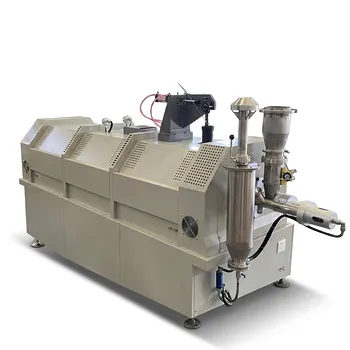
Electric Rotary Kiln Continuous Working Small Rotary Furnace Heating Pyrolysis Plant
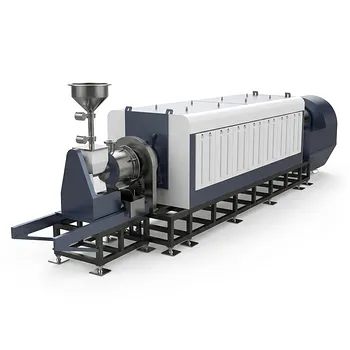
Electric Rotary Kiln Small Rotary Furnace Biomass Pyrolysis Plant
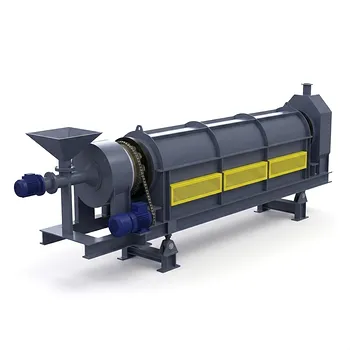
Electric Rotary Kiln Small Rotary Furnace for Activated Carbon Regeneration
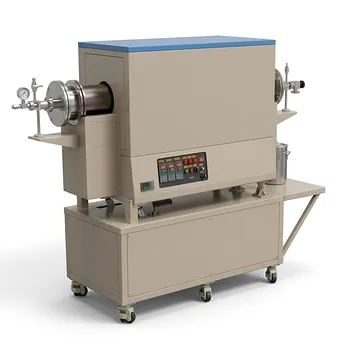
900°C Max Rotary Tube Furnace with 8 Inch 310S Alloy Tube and Optional Multi Zone Heating for Industrial Material Calcination
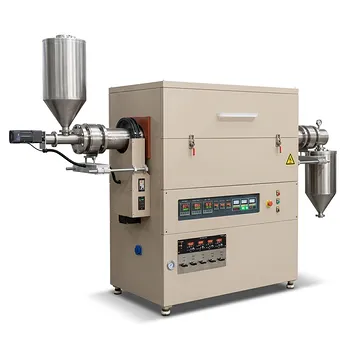
High Temperature Tilting Rotary Tube Furnace with Integrated Mass Flow Control and Multi Zone Heating
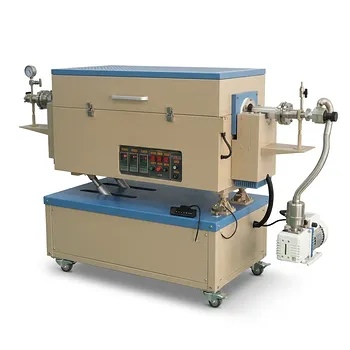
Three Zone Rotary Tube Furnace for High Temperature Powder Processing and Material Research

Vertical 1700C Vacuum and Atmosphere Tube Furnace with 80mm Alumina Tube
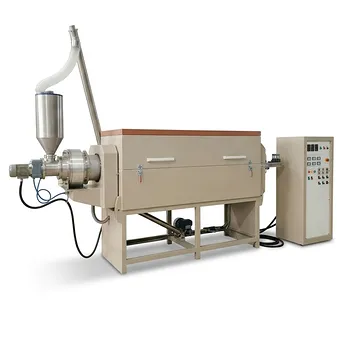
Continuous Feeding Rotary Tube Furnace for Industrial Powder Heat Treatment and Material Research
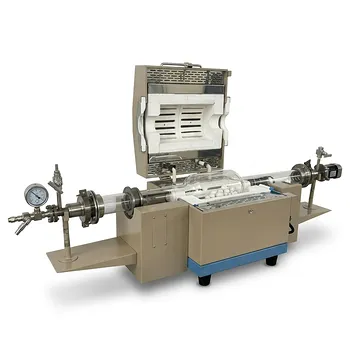
High Temperature Rotary Tube Furnace with Integrated Ball Milling and Gas Flow Function for Powder Nitriding
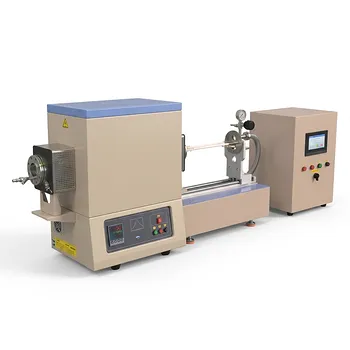
High Temperature Horizontal Electrical Assisted Sintering Furnace with 3KW Programmable Power Source for Advanced Ceramic Materials
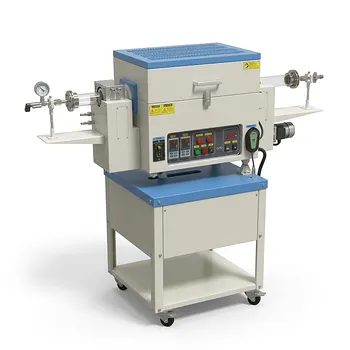
4 Inch Two Zone Rotary CVD Tube Furnace for High Temperature Battery Material Synthesis and Advanced Material Calcination
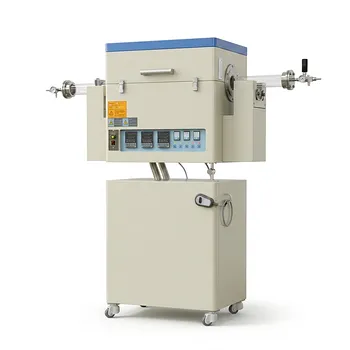
Three Temperature Zone Rotating Tube Furnace for Material Sintering and Controlled Atmospheric Heat Treatment

5 Inch Three Zone Rotary Tube Furnace with Integrated Gas Delivery System and 1200C Capability for Advanced Material CVD Processing
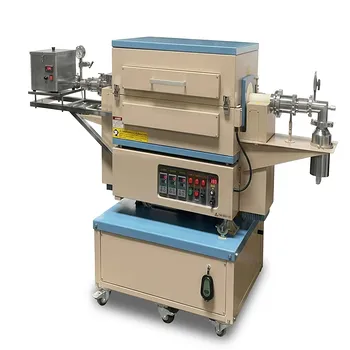
1500C 3-Zone Rotary Tube Furnace 60mm with Automatic Powder Feeding and Receiving System for Continuous Material Synthesis
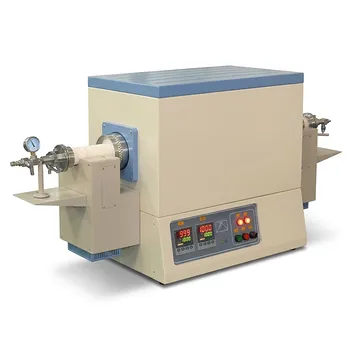
High Temperature 1700C Dual Zone Rotary Tube Furnace with 60mm Alumina Tube and Precision Rotation Control
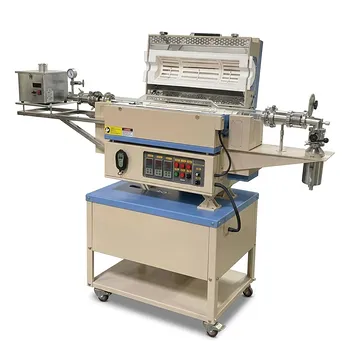
5 Inch Rotary Tube Furnace with Automatic Feeding and Receiving System 1200C Three Zone CVD Powder Processing
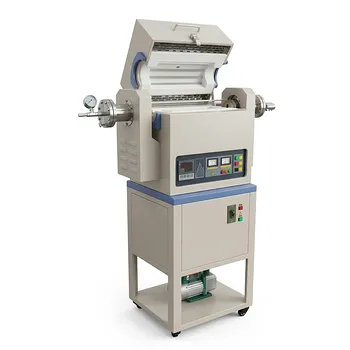
High Temperature Rotary Tilt Tubular Furnaces for Advanced Powder Sintering and Material Processing
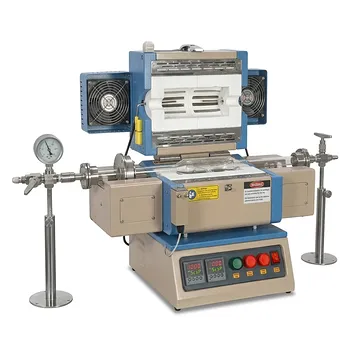
Dual Zone Rotary Tube Furnace for Uniform Powder Calcination 1000C 2 Inch Quartz Tube
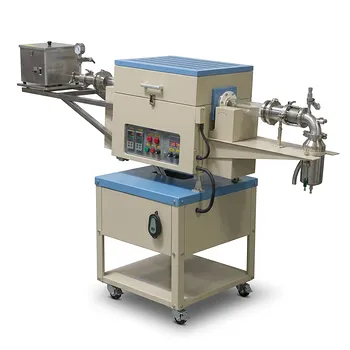
Two Zone Rotary CVD Furnace with Automatic Feeding and Receiving System for Powder Processing