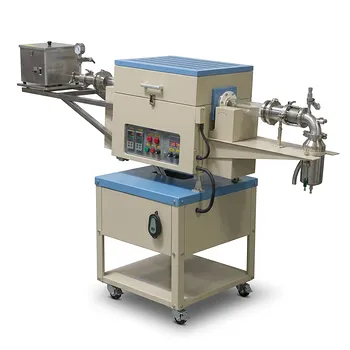
Which minerals and specialty chemicals are commonly processed using electric rotary kilns? Precision Thermal Processing Guide
Updated 5 months ago
Electric rotary kilns are the preferred solution for thermal processes requiring extreme precision. These systems are primarily used for the calcination and thermal treatment of industrial minerals such as alumina, bauxite, magnesite, and rare earth elements. In the chemical sector, they are essential for catalyst activation, molecular sieve roasting, and the production of specialty materials like titanium dioxide and silicon carbide.
The electric rotary kiln bridges the gap between high-volume mineral processing and the stringent purity requirements of specialty chemistry. By utilizing precise heating zones and controlled atmospheres, these kilns ensure consistent reaction kinetics for materials that are sensitive to thermal fluctuations.
The Processing of Vital Industrial Minerals
Calcination of Metallic and Earth Ores
Electric rotary kilns are extensively used for the calcination of ores like alumina, bauxite, and magnesite. These processes often require sustained high temperatures to drive off volatile components and chemically stabilize the mineral.
Treatment of Industrial Salts and Oxides
Materials such as ilmenite, vanadium salts, and phosphates rely on the kiln's ability to maintain uniform temperature profiles. This ensures that the conversion of these minerals into their oxide or salt forms is complete and free of thermal hotspots.
Refining Rare Earth Elements
The extraction and refinement of rare earth elements require highly controlled environments. Electric kilns provide the necessary stability to handle these high-value materials without the risk of contamination from combustion byproducts found in gas-fired units.
Advancing Specialty Chemical Production
Catalyst Activation and Molecular Sieves
In the chemical industry, the performance of a catalyst or molecular sieve depends on its pore structure. Electric rotary kilns provide the gentle, modular heating required for roasting and activation, ensuring the surface area of the material is maximized.
Synthesis of Advanced Materials
These kilns facilitate carbothermal reduction and the synthesis of advanced materials like silicon carbide. The dynamic movement of the kiln prevents powder agglomeration, allowing for a more uniform reaction throughout the material bed.
Pigment and Carbon Production
The production of titanium dioxide, activated carbon, and metakaolin benefits from the kiln's ability to manage fine particles. Atmospheric control, such as the introduction of inert gases or hydrogen, allows for the production of high-purity outputs that meet strict industrial grades.
Technical Advantages Driving Adoption
Heat Uniformity and Reaction Kinetics
The continuous rotation of the kiln creates a dynamic bed movement that ensures every particle is exposed to the same thermal conditions. This eliminates the temperature gradients often found in static furnaces, leading to more consistent reaction kinetics.
Atmospheric and Feed Management
Many specialty chemicals require hydrogen or inert atmospheres to prevent oxidation. Electric kilns are easily sealed for atmospheric control and can be equipped with internal lifters to manage sticky or fine feedstocks that would otherwise clog conventional systems.
Understanding the Trade-offs
Scaling and Throughput Limitations
While electric rotary kilns offer superior precision, they may face limitations in massive-scale applications compared to direct-fired gas kilns. The cost of electricity and the mechanical constraints of heating large rotating drums electrically must be weighed against the required product purity.
Material Handling Challenges
Processing extremely fine or abrasive powders can lead to internal wear or dusting issues. While internal lifters help, users must carefully calibrate the rotational speed to balance material residence time with the physical integrity of the kiln’s internal surface.
Applying This Technology to Your Goals
How to Apply This to Your Project
Selecting a thermal processing strategy requires aligning your material's physical properties with the kiln’s mechanical capabilities.
- If your primary focus is high-purity chemical synthesis: Prioritize a multi-zone electric kiln with advanced atmospheric seals to prevent contamination and ensure precise reaction phases.
- If your primary focus is consistent mineral calcination: Focus on a kiln design with optimized internal lifters to ensure uniform heat transfer throughout the material bed.
- If your primary focus is processing sticky or fine feeds: Evaluate units with variable speed drives and specialized internal geometries to maintain flow and prevent material buildup.
The strategic use of electric rotary kilns allows for a level of process "repeatability" that is essential for modern high-performance mineral and chemical markets.
Summary Table:
| Material Category | Common Examples | Key Thermal Process |
|---|---|---|
| Industrial Minerals | Alumina, Bauxite, Magnesite, Rare Earths | Calcination & Chemical Stabilization |
| Specialty Chemicals | Catalysts, Molecular Sieves, Pigments | Roasting, Activation & Surface Optimization |
| Advanced Materials | Silicon Carbide, Titanium Dioxide | Carbothermal Reduction & Synthesis |
| Industrial Salts | Ilmenite, Vanadium Salts, Phosphates | Uniform Oxidation & Conversion |
Optimize Your Thermal Processing with THERMUNITS
THERMUNITS is a leading manufacturer of high-temperature laboratory equipment dedicated to material science and industrial R&D. Our advanced electric rotary kilns provide the precision and atmospheric control necessary for the complex processing of minerals and specialty chemicals.
Beyond rotary systems, we offer a comprehensive range of thermal solutions, including Muffle, Vacuum, Atmosphere, Tube, and Hot Press furnaces, CVD/PECVD systems, Dental Furnaces, Vacuum Induction Melting (VIM) furnaces, and high-quality thermal elements. We empower researchers and manufacturers to achieve consistent reaction kinetics and high-purity outputs.
Ready to enhance your lab's efficiency or industrial output?
Contact THERMUNITS today to discuss your specific heat treatment requirements!
Mentioned Products
- Electric Rotary Kiln Continuous Working Small Rotary Furnace Heating Pyrolysis Plant
- Electric Rotary Kiln Small Rotary Furnace Biomass Pyrolysis Plant
- Electric Rotary Kiln Small Rotary Furnace for Activated Carbon Regeneration
- 900°C Max Rotary Tube Furnace with 8 Inch 310S Alloy Tube and Optional Multi Zone Heating for Industrial Material Calcination
- High Temperature Tilting Rotary Tube Furnace with Integrated Mass Flow Control and Multi Zone Heating
People Also Ask
- How does the electric rotary kiln support environmental compliance and sustainability? Achieve Zero-Emission Production
- What are the maintenance and service life advantages of an electric rotary kiln? 25+ Year Longevity & Low Maintenance
- What thermal efficiency can be expected from an electric rotary kiln compared to fuel-fired alternatives? Gain 95% efficiency.
- How does the use of an electric rotary kiln facilitate CO2 capture in cement and lime production? Achieve High-Purity CCUS
- What are the primary components and heating mechanisms of an electric rotary kiln? Optimize High-Purity Heat Treatment

Tech Team · ThermUnits
Last updated on Apr 14, 2026
Related Products
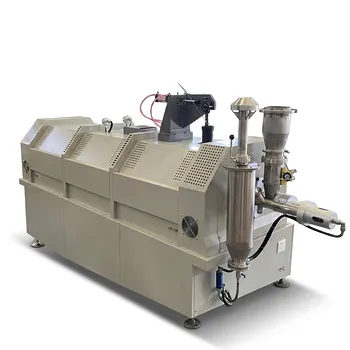
Electric Rotary Kiln Continuous Working Small Rotary Furnace Heating Pyrolysis Plant
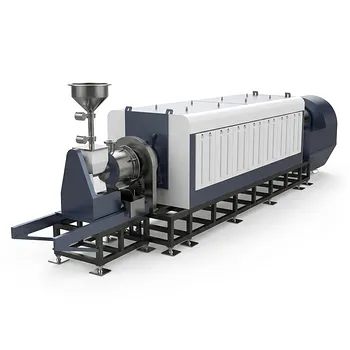
Electric Rotary Kiln Small Rotary Furnace Biomass Pyrolysis Plant
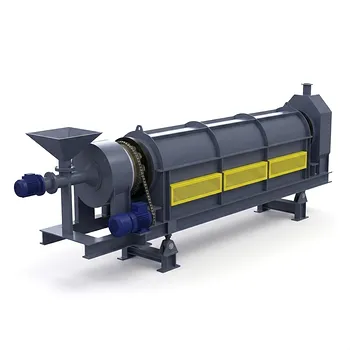
Electric Rotary Kiln Small Rotary Furnace for Activated Carbon Regeneration
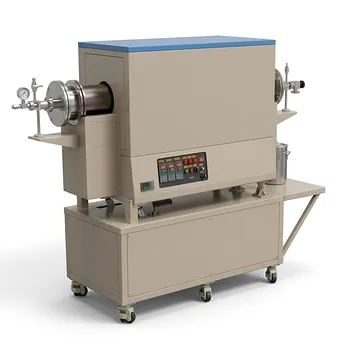
900°C Max Rotary Tube Furnace with 8 Inch 310S Alloy Tube and Optional Multi Zone Heating for Industrial Material Calcination
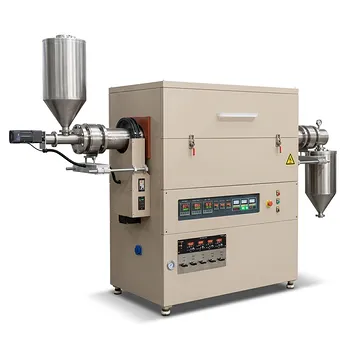
High Temperature Tilting Rotary Tube Furnace with Integrated Mass Flow Control and Multi Zone Heating
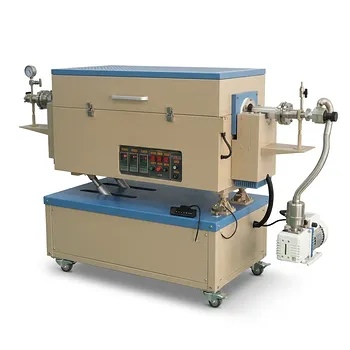
Three Zone Rotary Tube Furnace for High Temperature Powder Processing and Material Research

Vertical 1700C Vacuum and Atmosphere Tube Furnace with 80mm Alumina Tube
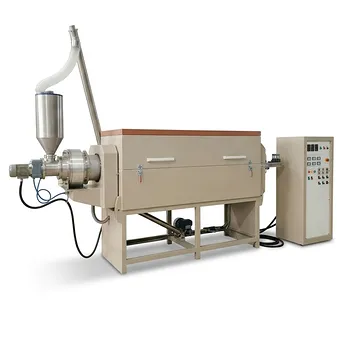
Continuous Feeding Rotary Tube Furnace for Industrial Powder Heat Treatment and Material Research
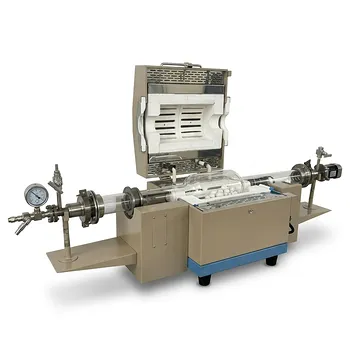
High Temperature Rotary Tube Furnace with Integrated Ball Milling and Gas Flow Function for Powder Nitriding
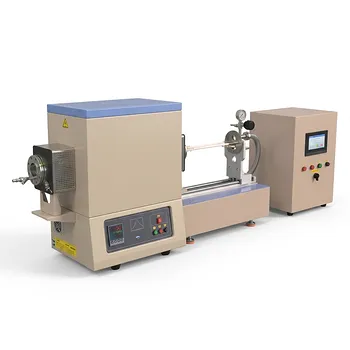
High Temperature Horizontal Electrical Assisted Sintering Furnace with 3KW Programmable Power Source for Advanced Ceramic Materials
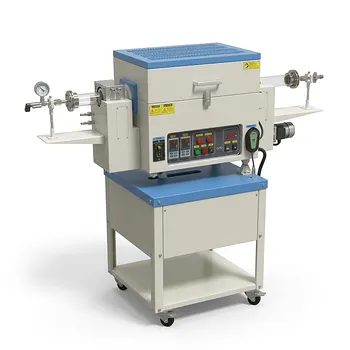
4 Inch Two Zone Rotary CVD Tube Furnace for High Temperature Battery Material Synthesis and Advanced Material Calcination
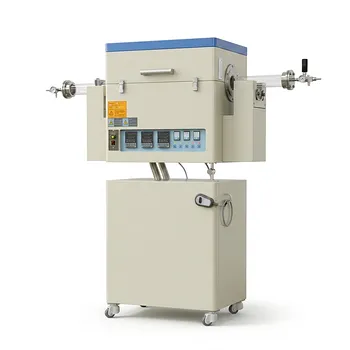
Three Temperature Zone Rotating Tube Furnace for Material Sintering and Controlled Atmospheric Heat Treatment
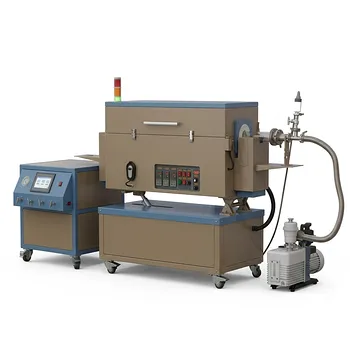
5 Inch Three Zone Rotary Tube Furnace with Integrated Gas Delivery System and 1200C Capability for Advanced Material CVD Processing
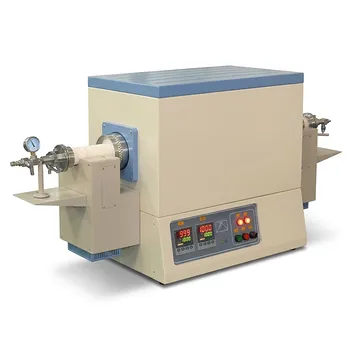
High Temperature 1700C Dual Zone Rotary Tube Furnace with 60mm Alumina Tube and Precision Rotation Control
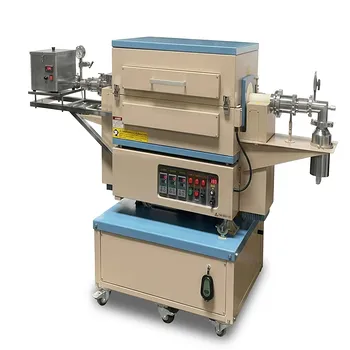
1500C 3-Zone Rotary Tube Furnace 60mm with Automatic Powder Feeding and Receiving System for Continuous Material Synthesis
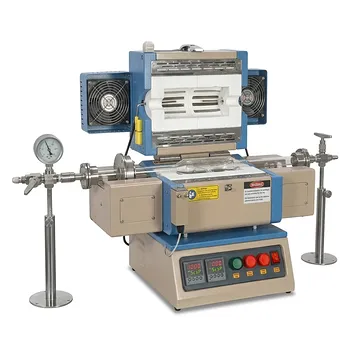
Dual Zone Rotary Tube Furnace for Uniform Powder Calcination 1000C 2 Inch Quartz Tube
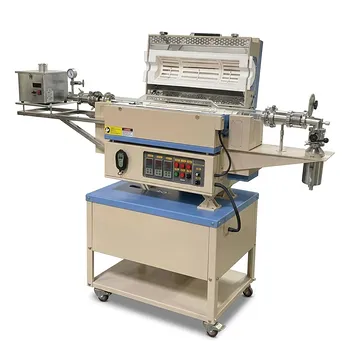
5 Inch Rotary Tube Furnace with Automatic Feeding and Receiving System 1200C Three Zone CVD Powder Processing
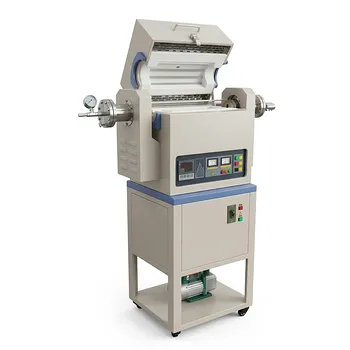
High Temperature Rotary Tilt Tubular Furnaces for Advanced Powder Sintering and Material Processing
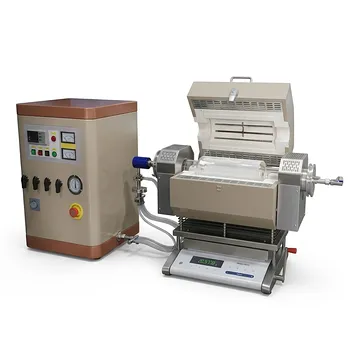
Mini Rotary Tubular Furnaces for Precision Powder Heat Treatment and Thermogravimetric Analysis