What is the core role of FeCrAl heating wire in the dry reforming of plastic? Dual Action Heating and Catalysis
Updated 3 months ago
FeCrAl heating wire functions as a bifunctional component that drives the dry reforming of plastic through integrated thermal and chemical action. It serves as the primary heat source for plastic breakdown while simultaneously acting as the catalyst that converts waste gases into syngas. By operating at temperatures exceeding 800°C, it provides the necessary energy for pyrolysis and the active surface sites for chemical transformation.
The core role of FeCrAl wire is to provide a single-step solution for both the energy-intensive heating and the catalytic conversion required for dry reforming. This dual-purpose utility streamlines the process of turning polyethylene and carbon dioxide into high-value syngas.
The Dual-Functionality of FeCrAl in Plastic Reforming
Rapid Thermal Activation via Joule Heating
FeCrAl (Iron-Chromium-Aluminum) is an alloy specifically engineered for its high electrical resistance and thermal stability. When an electric current is applied, Joule heating occurs, allowing the wire to rapidly reach and maintain the extreme temperatures required for the reaction.
Driving the Pyrolysis of Plastics
The high-temperature environment created by the wire—often exceeding 800°C—is essential for the initial stage of the process. This heat facilitates the pyrolysis of solid plastics, such as polyethylene, breaking them down into gaseous hydrocarbons that can then be chemically reformed.
Surface Catalysis for Syngas Synthesis
Beyond its role as a heater, the active surface of the FeCrAl wire behaves as a heterogeneous catalyst. It facilitates the deoxygenation of carbon dioxide and the dehydrogenation of hydrocarbons, ensuring the efficient production of syngas (a mixture of hydrogen and carbon monoxide).
Understanding the Trade-offs and Challenges
Thermal Fatigue and Material Longevity
Operating consistently at temperatures above 800°C puts significant thermal stress on the FeCrAl alloy. Over time, repeated heating and cooling cycles can lead to grain growth and mechanical brittleness, potentially shortening the operational lifespan of the heating element.
Sensitivity to Surface Coking
In the presence of hydrocarbons, carbon deposits (known as coking) can form on the surface of the wire. If these deposits become excessive, they can "mask" the catalytic sites, reducing the wire's effectiveness in syngas production and potentially creating hot spots that lead to wire failure.
Balancing Power and Surface Area
There is a technical trade-off between the wire's thickness (which dictates electrical resistance and durability) and its active surface area. A thinner wire may offer more catalytic surface for the reaction but will be more susceptible to physical degradation and burnout under high loads.
How to Apply This to Your Project
When integrating FeCrAl heating elements into a plastic dry reforming system, consider the specific goals of your reactor design.
- If your primary focus is maximizing syngas yield: Focus on reactor geometries that maximize the contact time between the plastic-derived gases and the FeCrAl wire surface to leverage its catalytic properties.
- If your primary focus is process stability and longevity: Implement a robust temperature management system to prevent thermal excursions beyond the wire's rated limits, thereby reducing the rate of oxidation and mechanical failure.
By centralizing both heat delivery and chemical catalysis within the FeCrAl wire, you can significantly reduce the complexity of the dry reforming hardware.
Summary Table:
| Feature | Role in Plastic Reforming | Key Impact |
|---|---|---|
| Thermal Source | Joule Heating (>800°C) | Drives rapid pyrolysis of solid plastics into gases |
| Chemical Catalyst | Active Surface Sites | Facilitates CO2 deoxygenation and syngas synthesis |
| Material Alloy | High Resistance FeCrAl | Ensures thermal stability and resistance to oxidation |
| Process Efficiency | Integrated Dual-Function | Simplifies reactor design by combining heat and catalysis |
Optimize Your Thermal Research with THERMUNITS
Are you looking to enhance your material science experiments or scale up industrial R&D? THERMUNITS is a leading manufacturer of high-temperature laboratory equipment, providing the precision and durability required for complex processes like plastic dry reforming.
From high-performance Thermal Elements (including FeCrAl and SiC) to advanced furnace systems, we offer a comprehensive range of solutions:
- Furnaces: Muffle, Vacuum, Atmosphere, Tube, Rotary, and Hot Press Furnaces.
- Advanced Systems: CVD/PECVD systems, Vacuum Induction Melting (VIM) furnaces, and Electric Rotary Kilns.
- Specialized Equipment: Dental Furnaces and custom heat treatment solutions.
Maximize your syngas yield and equipment longevity today. Contact our expert team at THERMUNITS to find the perfect thermal processing solution for your laboratory or industrial facility!
References
- Qing Ma, Ding Ma. Grave-to-cradle dry reforming of plastics via Joule heating. DOI: 10.1038/s41467-024-52515-y
Mentioned Products
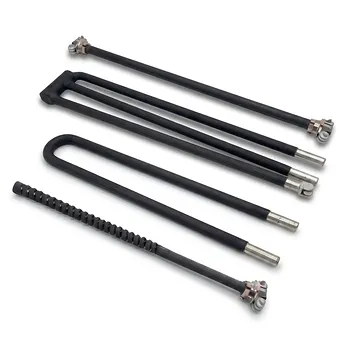
- Silicon Carbide SiC Thermal Heating Elements for Industrial Electric Furnaces
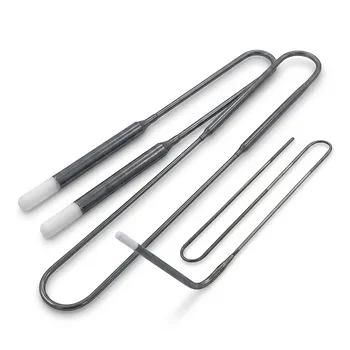
- Molybdenum Disilicide MoSi2 Thermal Elements Electric Furnace Heating Element High Temperature Resistance
People Also Ask
- Which materials are used for thermal elements in furnaces exceeding 1,500°C? Expert Guide to Extreme Heat Solutions
- How do electric thermal elements compare to combustion-based heating systems? Maximize Your Lab's Energy Efficiency
- What are the fundamental components and operating principles of electric thermal elements? A Comprehensive Guide
- What is the primary function of an industrial electric furnace in the initial stage of preparing reclaimed carbon black?
- Why is a Type C thermocouple selected for slag at 1773 K? Ensure Stability and Precision for High-Temp Analysis

Tech Team · ThermUnits
Last updated on Jun 03, 2026