How do electric thermal elements compare to combustion-based heating systems? Maximize Your Lab's Energy Efficiency
Updated 5 months ago
Electric thermal elements represent the pinnacle of point-of-use energy efficiency. While combustion systems lose significant energy through exhaust gases, electric elements convert nearly 100% of received electricity into usable heat. This fundamental difference makes electric systems more predictable, easier to control, and more environmentally friendly at the operational level.
While combustion-based systems are limited by inherent thermodynamic losses through flue gases, electric thermal elements provide a near-lossless energy conversion at the point of application. This allows for superior thermal cycling precision and an immediate reduction in site-level emissions.
The Mechanics of Efficiency
The 100% Conversion Efficiency of Electric Elements
Electric resistive heating works by passing an electrical current through a dedicated heating element, which converts electrical energy directly into thermal energy. This process is highly efficient because there are no chemical reactions or mechanical movements required to generate the heat. Almost every watt of power consumed is delivered directly to the target process.
Flue Losses and Combustion Inefficiency
In contrast, gas or oil-based combustion systems must vent exhaust gases to ensure safety and maintain the flame. This "flue loss" represents a substantial amount of heat energy that is literally pumped out of the exhaust stack rather than being used for the intended application. Even high-efficiency combustion systems struggle to match the raw conversion rates of electric elements due to these physics-based losses.
Performance and Operational Advantages
Precision in Thermal Cycling
Electric elements respond almost instantaneously to changes in power input, making them ideal for applications requiring precise thermal cycling. This level of control is difficult to replicate with combustion systems, which often involve lag times associated with fuel-air mixing and ignition. Precision control leads to less wasted energy and higher product quality.
Impact on Site Sustainability
Because there is no fuel being burned at the point of use, electric thermal elements eliminate local emissions of carbon dioxide, nitrogen oxides, and sulfur. This simplifies facility design by removing the need for complex chimneys and ventilation systems. It also allows companies to directly lower their Scope 1 emissions by transitioning away from fossil fuels.
Understanding the Trade-offs
Source Efficiency vs. Site Efficiency
While electric elements are nearly 100% efficient at the machine level, the "well-to-plug" efficiency depends on the power grid. If the electricity is generated from fossil fuels, the energy lost at the power plant and during transmission might offset the efficiency gains at your facility. To truly maximize the sustainability of electric heat, it should be paired with renewable energy sources.
Operating Cost Disparities
Efficiency does not always equate to lower cost. In many geographic regions, the price of a unit of electricity is significantly higher than the price of a unit of natural gas. Even though an electric heater is more efficient at converting energy, the higher cost of that energy can result in larger utility bills compared to combustion-based heating.
How to Apply This to Your Project
Selecting between electric and combustion heating requires a clear understanding of your operational priorities and the local energy landscape.
- If your primary focus is maximum precision and thermal control: Choose electric thermal elements to take advantage of their rapid response times and nearly perfect conversion efficiency.
- If your primary focus is reducing local carbon footprint and site emissions: Opt for electric systems to eliminate the need for flue gas management and to support zero-emissions operations.
- If your primary focus is minimizing total operational expenditure in high-utility areas: Conduct a rigorous cost-per-BTU analysis, as the lower cost of gas might outweigh the efficiency benefits of electric elements.
Understanding the fundamental efficiency gap between these technologies allows you to design thermal processes that are both high-performing and environmentally responsible.
Summary Table:
| Feature | Electric Thermal Elements | Combustion-Based Systems |
|---|---|---|
| Conversion Efficiency | ~100% (Point-of-use) | Lower (Significant flue loss) |
| Thermal Precision | High / Instant response | Lower / Ignition lag time |
| Local Emissions | Zero (Environmentally friendly) | High (CO2, NOx, sulfur) |
| Facility Design | Simple (No venting needed) | Complex (Requires chimneys) |
| Primary Benefit | Precision & Sustainability | Lower raw fuel cost |
Upgrade to Precision Thermal Processing with THERMUNITS
Maximize your energy efficiency and research accuracy with THERMUNITS. As a leading manufacturer of high-temperature laboratory equipment for material science and industrial R&D, we provide advanced thermal solutions tailored to your needs.
Our extensive range includes Muffle, Vacuum, Atmosphere, Tube, Rotary, and Hot Press furnaces, CVD/PECVD systems, and Dental Furnaces. By transitioning to our electric thermal systems, you eliminate flue gas losses and gain unparalleled control over your heat treatment processes.
Ready to optimize your lab's performance? Contact our expert team today to find the perfect furnace or heating element for your application!
Mentioned Products
- Silicon Carbide SiC Thermal Heating Elements for Industrial Electric Furnaces
- Molybdenum Disilicide MoSi2 Thermal Elements Electric Furnace Heating Element High Temperature Resistance
- 1750C Bench Top Muffle Furnace 3.6L High Grade Molybdenum Disilicide Heating Elements Laboratory Heat Treatment Equipment
- High Temperature Benchtop Muffle Furnace 1700C 10L Chamber Alumina Fiber Insulation MoSi2 Heating Elements
- Electric Rotary Kiln Continuous Working Small Rotary Furnace Heating Pyrolysis Plant
People Also Ask
- Which materials are used for thermal elements in furnaces exceeding 1,500°C? Expert Guide to Extreme Heat Solutions
- What are the fundamental components and operating principles of electric thermal elements? A Comprehensive Guide
- What is the primary function of an industrial electric furnace in the initial stage of preparing reclaimed carbon black?
- Why is a Type C thermocouple selected for slag at 1773 K? Ensure Stability and Precision for High-Temp Analysis
- Why is the selection of high-performance thermal elements critical for high-temperature testing? Ensure Data Integrity.

Tech Team · ThermUnits
Last updated on Apr 14, 2026
Related Products
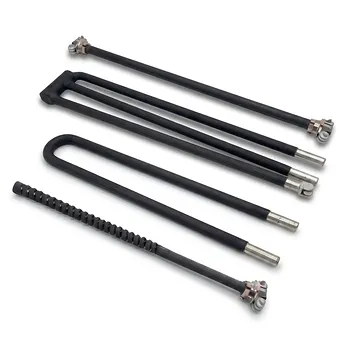
Silicon Carbide SiC Thermal Heating Elements for Industrial Electric Furnaces
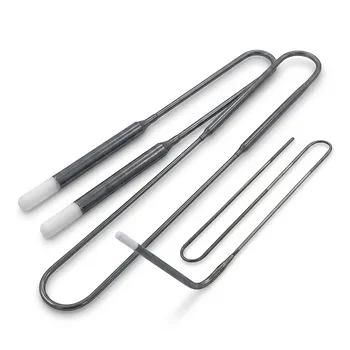
Molybdenum Disilicide MoSi2 Thermal Elements Electric Furnace Heating Element High Temperature Resistance
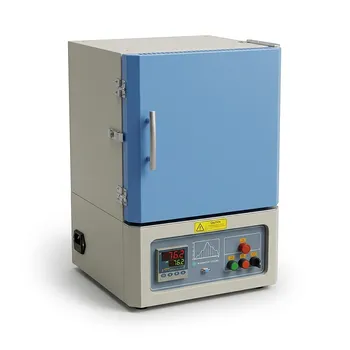
1750C Bench Top Muffle Furnace 3.6L High Grade Molybdenum Disilicide Heating Elements Laboratory Heat Treatment Equipment
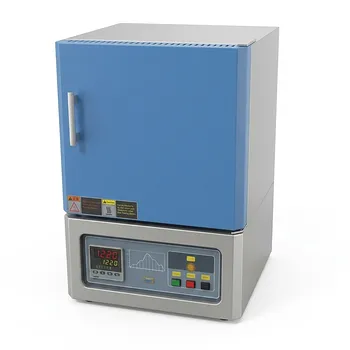
High Temperature Benchtop Muffle Furnace 1700C 10L Chamber Alumina Fiber Insulation MoSi2 Heating Elements
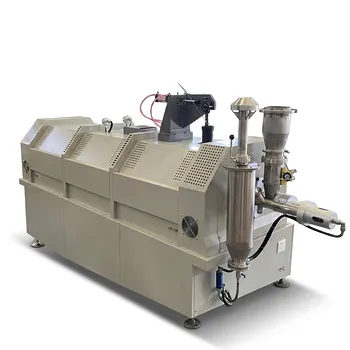
Electric Rotary Kiln Continuous Working Small Rotary Furnace Heating Pyrolysis Plant
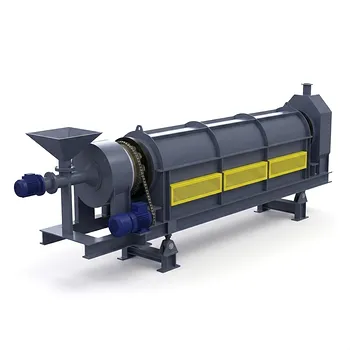
Electric Rotary Kiln Small Rotary Furnace for Activated Carbon Regeneration