What are the fundamental components and operating principles of electric thermal elements? A Comprehensive Guide
Updated 5 months ago
Electric thermal elements are the core functional units of electric heating systems. They primarily consist of a resistive material, such as a wire, ribbon, or thick-film layer, paired with specialized insulating and protective components. By passing current through this material, electrical energy is converted directly into heat, which is then transferred to a target medium.
The efficiency of an electric thermal element depends on its ability to convert electrical resistance into heat via Joule heating and effectively transfer that energy through conduction, convection, or radiation. Selecting the right combination of resistive material and insulation is critical for balancing performance and longevity.
The Essential Components of a Thermal Element
The Resistive Core
The "heart" of the element is the resistive material, often made from specialized alloys or thick-film layers. This material is chosen for its ability to withstand high temperatures while maintaining a specific level of electrical resistance.
The physical form—whether it be a coil, ribbon, or wire—is designed to maximize the surface area for heat generation relative to the space it occupies.
Insulation and Protective Sheathing
To prevent electrical shorts and protect the resistive core from oxidation, elements utilize high-quality insulating materials. Common insulators, such as magnesium oxide or ceramic compounds, provide high electrical resistance while maintaining high thermal conductivity.
A protective outer sheath, often made of stainless steel, copper, or quartz, shields the internal components from mechanical damage and corrosive environments.
The Physics of Operation
The Principle of Joule Heating
Joule heating occurs when an electric current encounters resistance as it flows through a conductor. As electrons collide with the atoms of the resistive material, kinetic energy is transferred, manifesting as thermal energy.
This conversion process is nearly 100% efficient at the source, meaning almost all electrical energy drawn is converted into heat.
Methods of Heat Transfer
Once heat is generated within the element, it must be moved to the target medium. Conduction occurs through direct physical contact, such as a heating plate warming a metal vessel.
Convection involves heating a fluid (liquid or gas) that circulates around the element, while radiation emits infrared energy to heat objects or surfaces across a distance without a medium.
Understanding the Trade-offs
Material Limitations and Oxidation
While resistive materials are durable, prolonged exposure to extreme heat can lead to oxidation, which eventually causes the element to become brittle and fail. Choosing high-performance alloys can extend the lifespan of the element but will significantly increase the initial cost.
Thermal Lag and Response Times
Heavy-duty insulation protects the core but can introduce thermal lag, which is a delay in the time it takes for the heat to reach the external surface. Thinner, more direct elements respond faster to temperature controls but are often more susceptible to mechanical stress and environmental wear.
Selecting the Right Element for Your Application
Choosing the correct thermal element requires balancing the speed of heat delivery against the durability required by the environment.
- If your primary focus is rapid heating response: Prioritize thick-film layers or thin-gauge wire elements that feature minimal insulation mass.
- If your primary focus is durability in harsh environments: Choose elements with robust metallic sheathing and high-density ceramic insulation to resist corrosion and impact.
- If your primary focus is high-temperature precision: Invest in high-resistance alloy coils that maintain stable electrical properties across a wide temperature range.
Understanding these fundamental principles ensures you can select heating systems that balance energy efficiency, heating speed, and long-term mechanical reliability.
Summary Table:
| Feature/Component | Primary Function | Key Materials/Methods |
|---|---|---|
| Resistive Core | Converts electricity to thermal energy | Specialized alloys, thick-film layers |
| Insulation | Prevents electrical shorts; directs heat | Magnesium oxide, ceramic compounds |
| Protective Sheath | Shields from mechanical/chemical damage | Stainless steel, quartz, copper |
| Joule Heating | The core principle of heat generation | Electron collision within resistance |
| Heat Transfer | Moves energy to the target medium | Conduction, Convection, Radiation |
Maximize Your Research Precision with THERMUNITS Thermal Solutions
As a leading manufacturer of high-temperature laboratory equipment, THERMUNITS specializes in high-performance thermal elements and advanced heating systems tailored for material science and industrial R&D. Our comprehensive range—including Muffle, Vacuum, Atmosphere, Tube, Rotary, and Hot Press furnaces, CVD/PECVD systems, and Vacuum Induction Melting (VIM) furnaces—is engineered to provide the thermal stability and long-term reliability your applications demand.
Ready to optimize your heat treatment process with premium thermal elements and equipment? Contact our experts today to discuss your specific requirements and elevate your lab's capabilities!
Mentioned Products
- Silicon Carbide SiC Thermal Heating Elements for Industrial Electric Furnaces
- Molybdenum Disilicide MoSi2 Thermal Elements Electric Furnace Heating Element High Temperature Resistance
- 1750C Bench Top Muffle Furnace 3.6L High Grade Molybdenum Disilicide Heating Elements Laboratory Heat Treatment Equipment
- High Temperature Benchtop Muffle Furnace 1700C 10L Chamber Alumina Fiber Insulation MoSi2 Heating Elements
- High Temperature Horizontal Electrical Assisted Sintering Furnace with 3KW Programmable Power Source for Advanced Ceramic Materials
People Also Ask
- Which materials are used for thermal elements in furnaces exceeding 1,500°C? Expert Guide to Extreme Heat Solutions
- How do electric thermal elements compare to combustion-based heating systems? Maximize Your Lab's Energy Efficiency
- What is the primary function of an industrial electric furnace in the initial stage of preparing reclaimed carbon black?
- Why is a Type C thermocouple selected for slag at 1773 K? Ensure Stability and Precision for High-Temp Analysis
- Why is the selection of high-performance thermal elements critical for high-temperature testing? Ensure Data Integrity.

Tech Team · ThermUnits
Last updated on Apr 14, 2026
Related Products
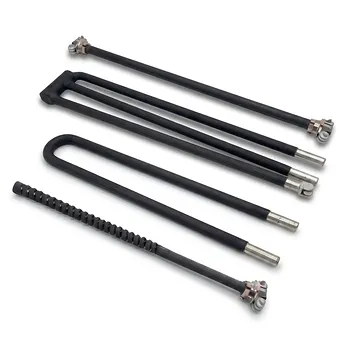
Silicon Carbide SiC Thermal Heating Elements for Industrial Electric Furnaces
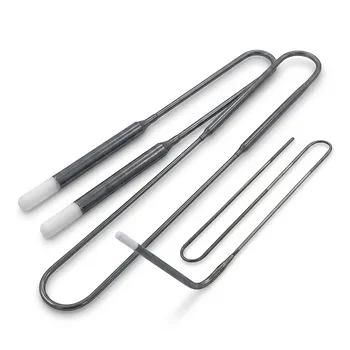
Molybdenum Disilicide MoSi2 Thermal Elements Electric Furnace Heating Element High Temperature Resistance
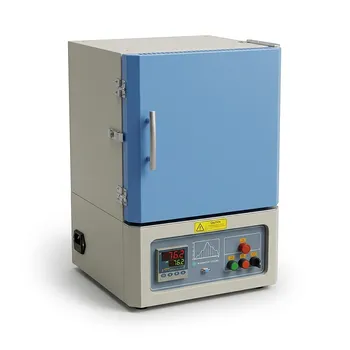
1750C Bench Top Muffle Furnace 3.6L High Grade Molybdenum Disilicide Heating Elements Laboratory Heat Treatment Equipment
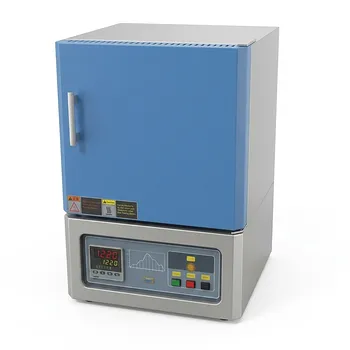
High Temperature Benchtop Muffle Furnace 1700C 10L Chamber Alumina Fiber Insulation MoSi2 Heating Elements
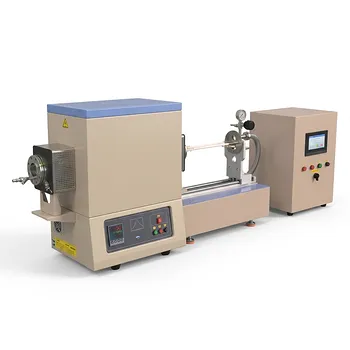
High Temperature Horizontal Electrical Assisted Sintering Furnace with 3KW Programmable Power Source for Advanced Ceramic Materials
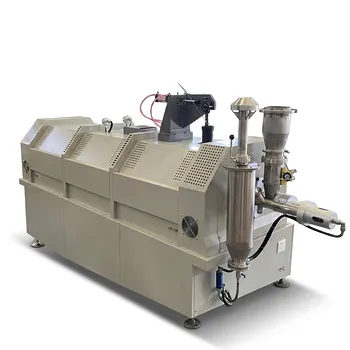
Electric Rotary Kiln Continuous Working Small Rotary Furnace Heating Pyrolysis Plant